On this page
- Coconut & Cashew Products — The Real Island Harvest
- Batik & Hand-Printed Fabric
- Sea-Inspired Jewellery
- Samui Spa & Wellness Products
- Handmade Ceramics & Pottery
- Fresh & Dried Tropical Fruit
- Muay Thai Gear & Activewear
- Local Rum & Craft Spirits
- Buddhist Amulets & Temple Crafts
- 2026 Budget Reality: What Everything Costs
- Frequently Asked Questions
💰 Click here to see Thailand Budget Breakdown
💰 Prices updated: October, 2026. Budget figures are estimates — always verify before travel.
Exchange Rate: $1 USD = ฿33.60
Daily Budget (per person)
Shoestring: ฿900.00 – ฿1,800.00 ($26.79 – $53.57)
Mid-range: ฿2,150.00 – ฿4,000.00 ($63.99 – $119.05)
Comfortable: ฿6,000.00 – ฿12,000.00 ($178.57 – $357.14)
Accommodation (per night)
Hostel/guesthouse: ฿90.00 – ฿750.00 ($2.68 – $22.32)
Mid-range hotel: ฿1,400.00 – ฿3,500.00 ($41.67 – $104.17)
Food (per meal)
Budget meal: ฿70.00 ($2.08)
Mid-range meal: ฿250.00 ($7.44)
Upscale meal: ฿1,000.00 ($29.76)
Transport
Single metro/bus trip: ฿30.00 ($0.89)
Monthly transport pass: ฿1,155.00 ($34.38)
Koh Samui‘s shops in 2026 are a minefield. The island has seen another wave of chain souvenir stores open along Chaweng and Lamai beaches, and plenty of them sell the same mass-produced elephant-print keyrings you’ll find at every airport in Southeast Asia. If you want something that actually came from Samui — or at least from Thailand’s Gulf Coast — you need to know exactly where to look and what to ask. This guide cuts through the noise.
Coconut & Cashew Products — The Real Island Harvest
Koh Samui was once covered in coconut plantations, and that heritage still shows up in what locals actually produce. Cold-pressed coconut oil from small producers in the island’s interior is genuinely different from supermarket versions — thicker, more fragrant, and processed without heat. Look for it at the Fisherman’s Village Walking Street in Bophut on Friday evenings, where a handful of family producers sell 250ml bottles for around 150–250 THB.
Coconut sugar, pressed into discs and wrapped in dried leaves, is another find worth taking home. It has a deep, almost smoky sweetness — nothing like refined white sugar — and it’s light enough to pack without worrying about customs. Roasted cashews coated in coconut and pandan are sold vacuum-sealed at most local markets and hold up well in luggage. Avoid the brightly branded versions at tourist shops near Chaweng; they’re typically imported from Chiang Rai or even Vietnam.
Batik & Hand-Printed Fabric
Southern Thailand has a quiet but genuine batik tradition that runs up from the Malaysian border through the Gulf Coast islands. On Koh Samui, a small cluster of fabric artists work out of Na Thon, the old capital on the island’s west side, and a few have shops near the pier. Genuine hand-stamped batik uses wax resist on cotton or silk and shows slight irregularities — bleed lines, small variations in colour — that are signs of authenticity, not flaws.
Sarongs are the most practical buy: lightweight, multipurpose, and easy to pack flat. Expect to pay 300–600 THB for a genuine hand-printed piece. Machine-printed fabric is often sold as batik but feels stiffer and shows perfectly uniform repeat patterns. Run your fingers across it — real batik has a slightly waxy texture where the resist was applied. Tablecloths and wall hangings with traditional southern Thai motifs (fish, coconut palms, geometric borders) also make strong decorative pieces that won’t look out of place back home.

Sea-Inspired Jewellery
Shell jewellery is everywhere on Samui, but most of it is low-quality tourist stock. The pieces worth buying are the ones made by jewellers who source material locally and do their own silverwork. The Silver Shop cluster near Chaweng Lake Road has a few independent silversmiths — look for workshops rather than retail-only fronts. A ring or pendant combining local black-lipped shell with 925 sterling silver runs 400–900 THB and will last years.
Freshwater pearls from the Gulf of Thailand are sold at several shops in Nathon and at the Big C area in Chaweng. They don’t have the perfect round shape of Japanese Akoya pearls, and that’s exactly what makes them authentic. A simple pearl strand in irregular baroque shapes costs 600–1,500 THB. If a seller claims the pearls are from Samui’s waters specifically, ask to see documentation — most Gulf pearls now come from farms in Surat Thani or Nakhon Si Thammarat province, which is still genuinely local.
Samui Spa & Wellness Products
Koh Samui has a well-established spa industry, and a number of the better resorts produce their own product lines that they sell retail. Coconut-and-lemongrass massage oil, kaffir lime hair treatment, and turmeric body scrub are the most commonly available. The spa at Tamarind Springs in the jungle hills above Lamai sells a small range of their signature products — the herbal steam blend in a muslin sachet is 180–300 THB and genuinely useful at home.
Thai herbal compress balls — the hot cloth bundles used in traditional massage — are practical souvenirs that actually get used. Dried versions are sold at pharmacies and health shops for 80–150 THB each. Steam them over a pot of boiling water and they release camphor, lemongrass, and kaffir lime in a way that immediately brings back the island. Look for compresses made from unbleached cotton and filled with actual dried herbs, not synthetic fragrance.
Handmade Ceramics & Pottery
This is a smaller scene than Chiang Mai’s, but it exists. A few potters work on Samui producing pieces influenced by the island’s fishing culture — rough-glazed bowls in sea-green and grey-blue, small plates with shell impressions pressed into the clay before firing. The Saturday market at Maenam is the best place to find them, typically running from 4pm until around 9pm. Prices are honest: a handmade ceramic mug runs 150–400 THB, a medium serving bowl 300–700 THB.

These pieces are heavier than fabric or food souvenirs, so factor in the weight if you’re travelling carry-on only. Most potters will wrap in bubble wrap and newspaper on request. The glaze colours at this market photograph beautifully in the warm evening light — the kind of deep teal that looks like the Gulf of Thailand on a clear morning.
Fresh & Dried Tropical Fruit
Samui’s local markets sell fruit that doesn’t travel far, and the difference in taste is significant. Rambutan, longan, and sala (salak) are grown in the hills above the main beach areas. In season (roughly May through September), a kilo of fresh rambutan costs 30–60 THB at Ton Pao market near the airport road — sweet, juicy, and cheap enough that you can eat your way through a bag in an afternoon.
For taking home, dried mango, dried jackfruit, and dehydrated coconut chips are the practical options. Vacuum-sealed dried fruit passes through customs in most countries without issue, but check your destination country’s rules — Australia and New Zealand are strict. The Big C supermarket on the Chaweng ring road stocks several local brands with English-language ingredient lists. A 200g bag of dried mango runs 80–150 THB.
Muay Thai Gear & Activewear
Koh Samui has a legitimate Muay Thai scene — several gyms train serious fighters alongside tourists — and a few shops sell locally branded gear that’s a cut above the generic imports. Yokkao and Twins are the big names, but smaller local labels sold at gyms in Chaweng and Lamai produce shorts and gloves that are made in Thailand and priced fairly. A pair of Muay Thai shorts in traditional satin with embroidered waistband runs 400–800 THB. Gloves from a gym shop (not a beach vendor) start at 1,200 THB.
Even if you don’t train, the shorts make excellent beach or loungewear. The fabric breathes well in Samui’s 32–34°C heat and the cuts have gotten noticeably more fashion-forward since 2024, with several local brands now doing minimalist designs without the loud graphic prints.
Local Rum & Craft Spirits
This is one of the better developments on Samui in recent years. The island sits close to major sugarcane-growing regions, and a small number of craft distilleries have moved into the space left by the collapse of cheap tourist cocktail culture. Samui Distillery, operating from a facility near Ban Hua Thanon, produces a white rum and an aged expression that are sold directly from their tasting room and at a handful of bottle shops near Fisherman’s Village.

The aged rum — rested in used American oak for 18 months — has genuine depth: vanilla, dried coconut, a hint of caramel. A 700ml bottle costs 750–1,200 THB. That’s more than you’d pay for Chang beer, obviously, but it’s a legitimate craft product made on the island, and it travels well in checked luggage wrapped in a sarong. Thailand updated its duty-free allowances in 2025 — you can now bring back 2 litres of alcohol per adult without declaring.
Buddhist Amulets & Temple Crafts
Koh Samui’s most important temple, Wat Phra Yai on Koh Fan just off the northeast coast, sells amulets blessed by resident monks. These are modest pieces — small brass or clay images of the Buddha in various mudras, suspended on cord or simple chain — and they cost 50–200 THB. The point isn’t the material value; it’s the blessing ceremony that accompanies purchase at temple-adjacent stalls.
Avoid amulet sellers on Chaweng beach road who claim their pieces are antiques or come with special powers that justify prices of 3,000 THB and above. Authentic Buddhist amulets used by Thai people every day are not expensive. Incense holders, small wooden Ganesh figures (reflecting Samui’s Hindu-Buddhist syncretic tradition), and hand-painted spirit house ornaments also make respectful, culturally meaningful purchases from temple markets and local craft sellers.
2026 Budget Reality: What Everything Costs
- Budget (under 300 THB): Dried fruit packs, coconut sugar, herbal compress balls, temple amulets, small shell jewellery, fresh fruit by the kilo, incense sets
- Mid-range (300–900 THB): Hand-printed batik sarongs, genuine shell-and-silver jewellery, spa product sets, ceramic mugs or bowls, Muay Thai shorts, bottled coconut oil (quality producers)
- Comfortable (900–1,500+ THB): Craft rum or spirits (700ml), freshwater pearl necklaces, leather-bound Muay Thai gloves, bespoke silver jewellery, premium spa product bundles from resort lines
One practical note: Koh Samui’s markets and independent sellers still strongly prefer cash in 2026. PromptPay QR code payment is accepted at roughly half of market stalls. Credit cards are generally only reliable at malls like Central Festival Samui or established retail shops. Carry 1,000–2,000 THB in small notes when shopping at markets.
Frequently Asked Questions
What is Koh Samui most famous for selling?
Coconut products, locally made spa goods, and sea-inspired jewellery are the most distinctive buys. The island also has a growing craft spirits scene. Avoid generic elephant-print souvenirs sold near beach clubs — these are mass-produced and found across all of Thailand, not specific to Samui.

Where is the best market on Koh Samui for local products?
Bophut’s Fisherman’s Village Friday Night Market consistently delivers the most authentic local produce and handmade goods. The Maenam Saturday Market is smaller but excellent for ceramics and artisan food. Both run from roughly 4pm–10pm and are best reached by rental scooter or Grab.
Can I bring Thai food souvenirs through customs at home?
Vacuum-sealed dried fruit and packaged coconut products pass customs in most countries. Fresh fruit is generally prohibited in Australia, New Zealand, and many EU countries. Always declare food items and check your home country’s biosecurity rules before packing. Spirits are allowed within duty-free limits (now 2 litres per adult in Thailand as of 2025).
Is it safe to buy jewellery in Koh Samui?
From established silversmith workshops, yes. Avoid beach vendors who claim gems are precious stones without certification. For silver, look for the 925 hallmark stamped on the piece. Pearl jewellery without documentation of origin should be treated as decorative-quality only, regardless of what sellers claim.
What souvenirs are unique to Koh Samui versus the rest of Thailand?
Coconut and coconut-derived products from local producers, Gulf of Thailand baroque pearls, and spirits from Samui Distillery are genuinely island-specific. Southern Thai batik fabric also reflects a regional tradition not found in Bangkok or Chiang Mai. Temple amulets from Wat Phra Yai carry local significance.
Explore more
Koh Samui Itinerary: The Perfect 3, 5, or 7-Day Island Escape
The Ultimate Koh Samui Itinerary: Best Things to Do & See
Koh Samui Must-Do’s: Unforgettable Experiences for Your Island Getaway
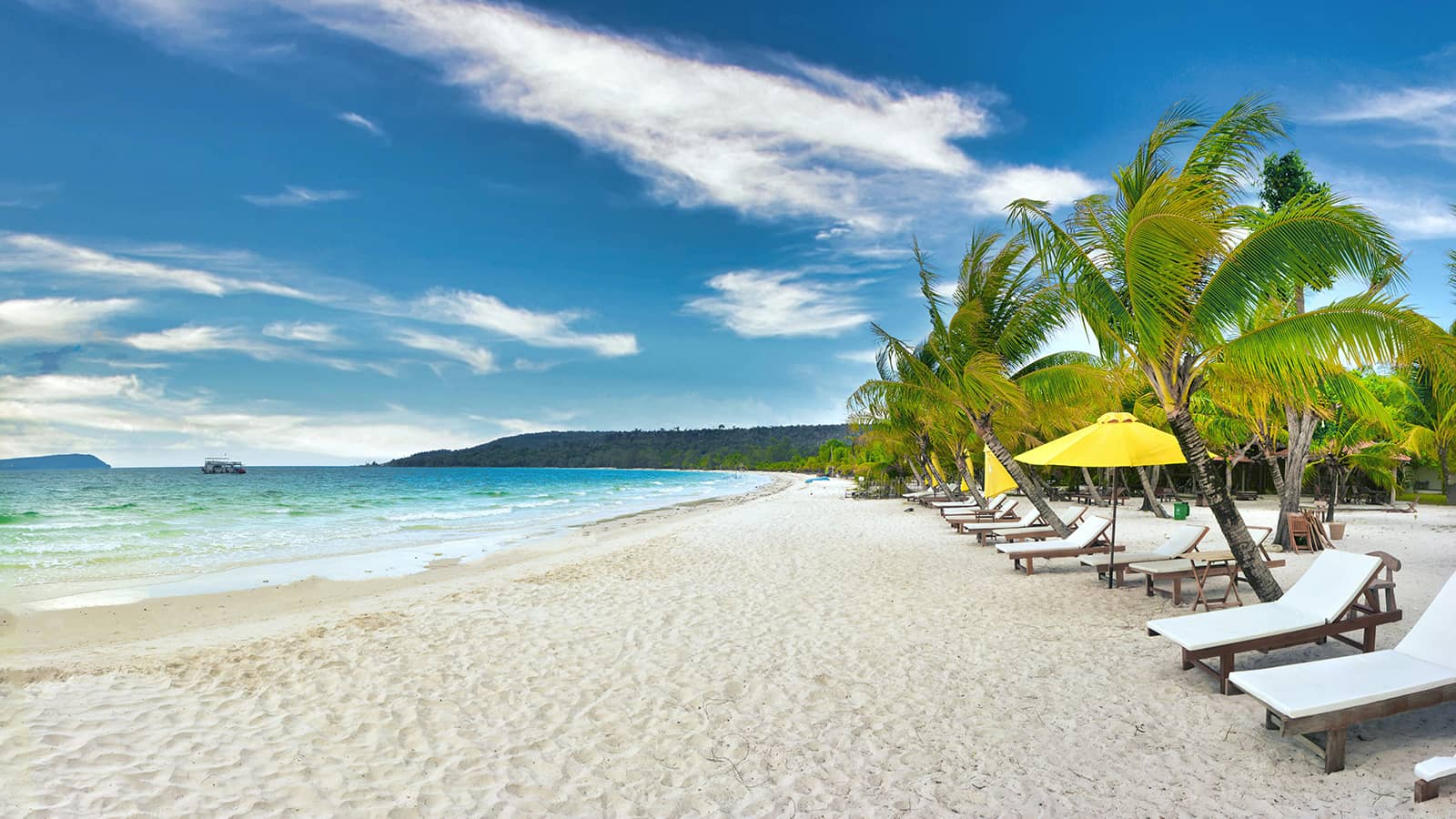
📷 Featured image by Goh Rhy Yan on Unsplash.