On this page
- Koh Samui’s Beaches in 2026: More Choice, More Nuance
- Chaweng Beach: The Island’s Beating Heart
- Lamai Beach: The Relaxed Alternative
- The North Coast: Maenam, Bophut & Choeng Mon
- Hidden Gems: Silver Beach, Lipa Noi & Taling Ngam
- Water Sports & Beach Activities
- Beach Clubs & Sunset Drinking
- Eating at and Near the Beach
- Getting Between Beaches
- When to Visit Which Beach
- Where to Stay by Beach
- Daily Budget Breakdown by Beach
- Practical Beach Safety & Tips
- Frequently Asked Questions
💰 Click here to see Thailand Budget Breakdown
💰 Prices updated: October, 2026. Budget figures are estimates — always verify before travel.
Exchange Rate: $1 USD = ฿33.60
Daily Budget (per person)
Shoestring: ฿900.00 – ฿1,800.00 ($26.79 – $53.57)
Mid-range: ฿2,150.00 – ฿4,000.00 ($63.99 – $119.05)
Comfortable: ฿6,000.00 – ฿12,000.00 ($178.57 – $357.14)
Accommodation (per night)
Hostel/guesthouse: ฿90.00 – ฿750.00 ($2.68 – $22.32)
Mid-range hotel: ฿1,400.00 – ฿3,500.00 ($41.67 – $104.17)
Food (per meal)
Budget meal: ฿70.00 ($2.08)
Mid-range meal: ฿250.00 ($7.44)
Upscale meal: ฿1,000.00 ($29.76)
Transport
Single metro/bus trip: ฿30.00 ($0.89)
Monthly transport pass: ฿1,155.00 ($34.38)
Koh Samui’s Beaches in 2026: More Choice, More Nuance
Koh Samui has always sold itself on beaches, but the island in 2026 is a more layered destination than the party-and-package-holiday reputation suggests. Post-2024 infrastructure upgrades — including improved songthaew routes on the ring road and a significant expansion of Grab coverage across the island — have made it easier than ever to move between the north coast’s glassy calm bays and the rougher, livelier energy of the east coast. The question isn’t whether Koh Samui has a beach for you. It’s knowing which beach actually matches how you travel. The number of first-timers who book Chaweng by default and wish they’d stayed at Bophut is still, unfortunately, very high.
Chaweng Beach: The Island’s Beating Heart
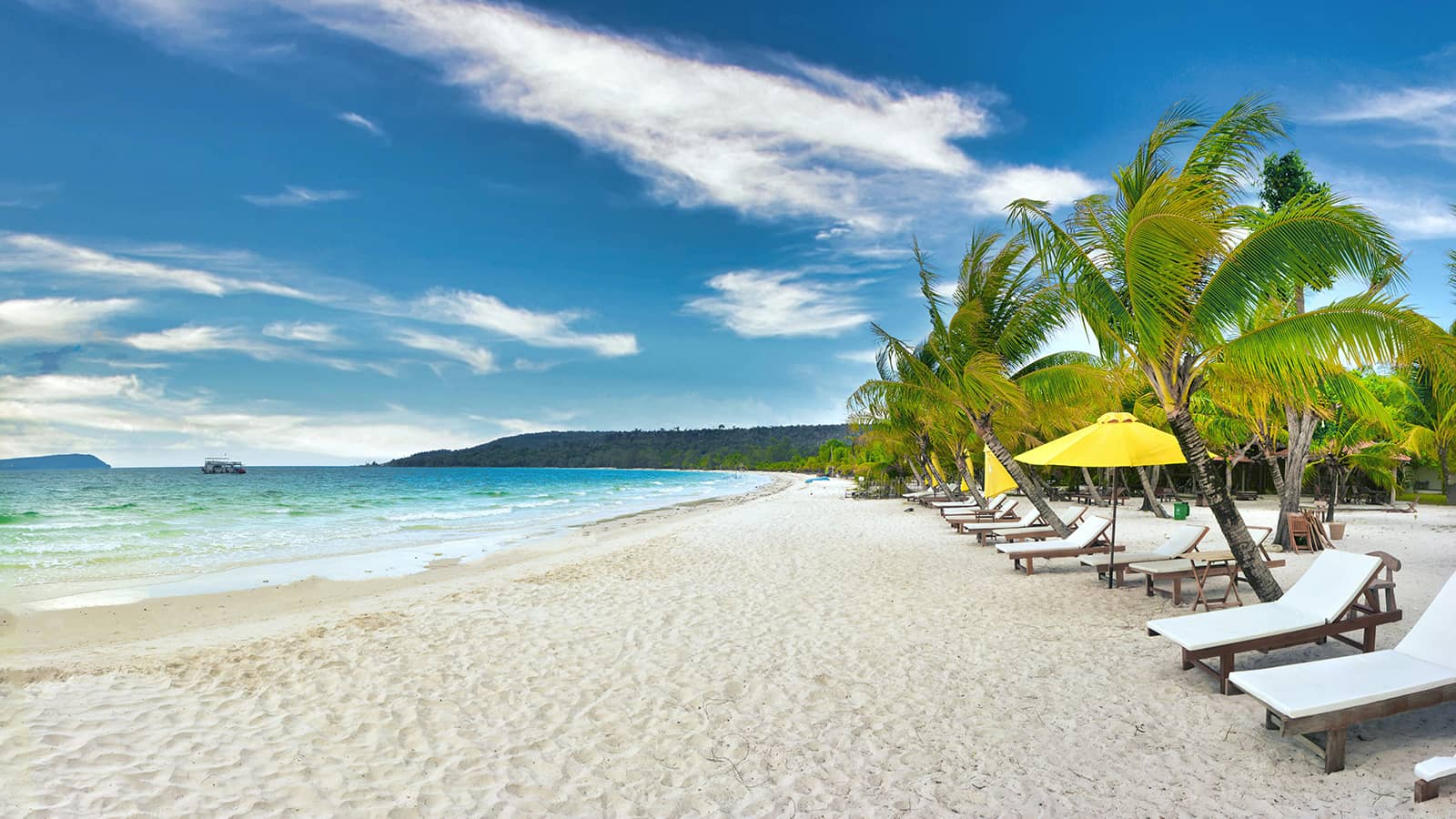
Chaweng is Koh Samui’s longest and most developed beach — a 6-kilometre arc of white sand running down the central east coast. Stand at the northern end in the early morning, before the sunbeds arrive, and the water is genuinely beautiful: clear green shading into deep blue, warm enough to walk straight in. By 10am the beach road is already buzzing with food carts, rental operators, and the background hum of the main strip gearing up for the day.
Chaweng works extremely well for travellers who want everything within walking distance. The beach road hosts supermarkets, pharmacies, clinics, money changers, tour operators, and dozens of restaurants. The nightlife is immediate — you don’t need transport to find a bar. For solo travellers and people in their twenties who want social energy and convenience, it still delivers.
The downsides are real. The beach itself gets crowded from around 10am until late afternoon. Jet skis operate close to swimmers in the southern half — stay north of Central Samui if you want to swim without dodging them. The water can carry rubbish during westerly wind shifts in May and October. Accommodation pricing is higher here than anywhere else on the island, and the hard-sell beach vendor culture, while calmer than it was five years ago, hasn’t disappeared.
Chaweng Noi, a smaller bay immediately south of Chaweng proper, is worth knowing about. It’s sheltered by a headland, significantly quieter, and lined with more upscale resorts. If you want Chaweng’s convenience without the full volume, the hotels here are a solid compromise.
Lamai Beach: The Relaxed Alternative
Lamai sits about 10 kilometres south of Chaweng, and while it’s still a busy beach by any international standard, the difference in atmosphere is unmistakable. The beach is shorter — roughly 4 kilometres — and the main strip behind it is narrower, less commercially intense, and home to a noticeably older demographic of long-stay visitors and repeat travellers who made the switch from Chaweng years ago and never went back.
The sand at Lamai is coarser than Chaweng but the water is equally clear and the southern end, past the distinctive Hin Ta and Hin Yai rock formations, quiets down considerably. Late afternoon here has a golden, unhurried quality — a few families, some kayakers, the smell of charcoal from the beachside seafood restaurants starting their evening prep.
Lamai’s night market, running along the main road three nights a week, is one of the better food markets on the island. It’s local-facing enough to keep prices honest and varied enough that you won’t run out of options after two visits.

One limitation: Lamai’s beach road has fewer international-standard services than Chaweng. If you need a specific medication, a reliable ATM late at night, or a decent English-speaking clinic at short notice, you’re a 15-minute songthaew ride away from Chaweng’s more complete infrastructure. For most travellers, this is a non-issue. For those with specific medical or logistical needs, factor it in.
The North Coast: Maenam, Bophut & Choeng Mon
The northern coast of Koh Samui faces the Gulf of Thailand from a different angle than the east, which means the water is calmer for more of the year, the beaches are less developed, and the character is fundamentally different from the Chaweng-Lamai corridor.
Maenam
Maenam is a long, gently curving bay with a narrow beach and water that stays remarkably flat. The village behind the beach is functional and unflashy — a proper Thai community with local markets, temples, and cheap food. This is where longer-stay travellers and expat families often settle when they want peace, affordable rents, and access to the ring road. The beach isn’t postcard-perfect — it’s shaded by casuarina trees that drop needles and the sand is grey-brown — but the swimming is excellent and it’s genuinely quiet.
Bophut
Bophut is the most characterful beach village on the island. The Fisherman’s Village along its western end is a row of restored Chinese shophouses now housing boutique hotels, wine bars, independent restaurants, and small galleries. It’s touristy but not hollowed out — it still functions as an actual neighbourhood. The beach is narrow but the snorkelling off the northern headland near Koh Fan island is accessible by kayak. Bophut hosts a popular weekly Walking Street market on Friday evenings, which draws both visitors and locals from across the island.
Choeng Mon
Choeng Mon is the northeast corner of Koh Samui and arguably the best-balanced beach on the island for families. It’s small, sheltered, sandy, and clear. A cluster of upscale resorts sits behind it, but the beach itself is public and the vibe is calm. It’s a 10-minute drive from the airport, which makes it practical for both early arrivals and late departures.

Hidden Gems: Silver Beach, Lipa Noi & Taling Ngam
The beaches that require a little more effort to reach are the ones most visitors skip entirely — which is exactly why they’re worth knowing.
Silver Beach (Crystal Bay)
Tucked between Chaweng and Lamai on the east coast, Silver Beach is a short, steep-access cove accessible via a narrow road off the main ring road. The sand is fine and white, the water crystal clear, and the beach rarely holds more than a few dozen people at any one time. There are two small beach bars and a handful of sunbeds for hire (around 100 THB per day in 2026). There’s no direct songthaew service — you’ll need a scooter or Grab to get here.
Lipa Noi
On the southwest coast, facing the Gulf sunsets directly, Lipa Noi is a long, undeveloped stretch of beach with shallow, calm water and almost no commercial infrastructure. The gulf views are clear on good days, and the sunsets here rival anything the island offers. A few local seafood restaurants operate along the beach road. There’s almost no tourist infrastructure, which is both the appeal and the limitation.
Taling Ngam
Further south on the west coast, Taling Ngam has the kind of dramatic elevated views across the Gulf that justify the drive alone. The beach itself is narrow and the swimming is tide-dependent, but the hilltop restaurants above the bay and the sense of isolation make this a genuinely different Koh Samui experience.

Water Sports & Beach Activities
Koh Samui’s beaches vary considerably in what they offer for active travellers.
- Snorkelling: The best snorkelling directly from the shore is off Choeng Mon and the northern end of Chaweng. The reef quality around Koh Samui itself is modest — serious snorkellers head to Koh Tao or Ang Thong Marine Park via day trip boats.
- Kitesurfing: Maenam is the main kitesurfing location on the island, with reliable northeast winds from November through February. Several schools operate from the beach with both beginner lessons and equipment rental.
- Kayaking: Rentals are available at most beaches (300–500 THB per hour in 2026). Bophut offers the most interesting kayaking — paddling out to Koh Fan gives you a short snorkel stop and a view back to the coastline that’s hard to beat.
- Scuba Diving: Most dive operators on Koh Samui run trips to the dive sites around Koh Tao and the Ang Thong Marine Park rather than local sites. Book through established PADI operators based on Chaweng or Bophut beach roads.
- Jet Skis: Available at Chaweng and Lamai. The pricing is notoriously opaque — agree on the full cost before getting on, and understand that damage claims are a common scam. Consider skipping them entirely.
Beach Clubs & Sunset Drinking
Koh Samui has a well-developed beach club scene that sits between the full-service Bali-style clubs and the simple beachside bar format.
On Chaweng, the mainstream beach clubs are concentrated in the central and southern parts of the beach — loungers, DJs, cocktail menus priced at 350–600 THB a drink in 2026, and a crowd that’s here to be seen as much as to swim. The energy from mid-afternoon onward is high and the sound levels match.
For sunset specifically, the west-facing beaches are what matter. Lipa Noi and Taling Ngam face the right direction — the sun drops directly into the Gulf from these beaches, with the silhouettes of distant islands on clear evenings. The beach bars here are simple: plastic chairs, cold Singha at 80 THB, and a horizon view that costs nothing extra.

Bophut’s Fisherman’s Village has several wine bars and cocktail spots with sea-facing terraces that fill up on Friday evenings around and after the Walking Street market. The atmosphere is more sophisticated than Chaweng — quieter music, longer conversations, less body glitter.
Eating at and Near the Beach
The best beach eating on Koh Samui is concentrated at a few specific locations rather than spread evenly across the island.
Lamai Night Market (operating Tuesday, Friday, and Saturday evenings along the main Lamai strip) is the most practical food market for beach visitors — grilled seafood, pad thai, mango sticky rice, and a strong selection of southern Thai dishes. Budget 150–250 THB for a full meal. Arrive before 7pm to beat the peak crowd.
Bophut Fisherman’s Village Walking Street on Friday evenings combines a market atmosphere with sit-down restaurants. The street food here is slightly more expensive than Lamai but the setting — lit shophouses, low tables by the water — is hard to match. Grilled prawns at the open charcoal stalls here smell incredible: the smoke drifting across the narrow street, the prawns sizzling and curling, the vendor fanning the coals with practised ease.
Chaweng Beach Road has a high density of restaurants but quality varies enormously. The side streets (sois) running west off the main road tend to have better value and more authentic food than the beachfront-facing places, which charge for the view.
Nathon, the island’s main town on the west coast, has a daily market and a row of local restaurants along the waterfront that most tourists never see. Lunch here runs 60–120 THB and the clientele is almost entirely Thai.

Getting Between Beaches
Transport on Koh Samui improved noticeably in 2025–2026 but it’s still not seamless. The ring road connects all the main beaches in a rough loop, and understanding the options saves both time and money.
- Songthaews (shared pickup trucks): The main ring road songthaews run loosely scheduled routes connecting Chaweng, Nathon, Bophut, and Maenam. Fares are 50–100 THB for most journeys. They don’t run late at night. Flag them down on the main road — the blue ones run the ring road, yellow ones serve specific routes.
- Grab: Coverage has expanded significantly across Koh Samui as of 2025. You can now reliably get a Grab from most beach areas including Maenam and Lamai. Fares from Chaweng to Bophut run around 150–200 THB; Chaweng to Lipa Noi costs approximately 350–450 THB.
- Scooter Rental: The most practical option for beach-hopping. Rental costs 250–400 THB per day in 2026. An international driving licence is technically required for motorbikes — Thai police do check, particularly around the Chaweng and Lamai strips. Helmet use is legally mandated.
- Tuk-tuks: Available but unmetered and notably more expensive than Grab for the same journey. Use them for short hops when Grab isn’t available, but negotiate the fare before you get in.
When to Visit Which Beach
Koh Samui’s weather pattern is driven by two monsoon seasons, and which beach you’re on matters for when those affect you.
The island’s east-facing beaches — Chaweng, Lamai, Silver Beach — are exposed to the northeast monsoon, which runs roughly from October through December and can bring significant rain, strong winds, and rough surf. Chaweng and Lamai can have unswimmable conditions during the worst weeks of November. These same beaches are at their absolute best from January through April: calm, clear water, low rainfall, and consistent temperatures around 30–33°C.

The north coast beaches (Maenam, Bophut, Choeng Mon) are partially sheltered from the northeast monsoon and often remain swimmable while Chaweng is rough. They see their own weather challenges during the southwest monsoon (May–September) when the west and south coasts bear the brunt.
The west-facing beaches — Lipa Noi, Taling Ngam, Nathon — are calm and swimmable for much of the year but get the worst of the southwest monsoon from May through August. Their saving grace is those sunsets, which are most spectacular during the dry season (January–April).
The overall best window for most beaches simultaneously is January through early April. December is the tail end of the northeast monsoon with improving conditions and lower crowds. July and August see European peak-season visitors despite the southwest monsoon — conditions are mixed but manageable on the north coast.
Where to Stay by Beach
The right accommodation decision on Koh Samui starts with picking the beach, not the hotel.
Chaweng
The widest range of options at every price point. Budget guesthouses start at 600–900 THB per night for a basic air-conditioned room. Mid-range hotels (pool, breakfast, beach access) run 2,500–5,000 THB. Luxury resorts on Chaweng Noi start at 8,000–15,000 THB per night. Booking in advance is essential from December through March.
Lamai
Slightly better value than Chaweng at the mid-range level. Solid pool villas and boutique hotels in the 2,000–4,000 THB range. Fewer genuine budget options, but more long-stay monthly rental apartments aimed at digital nomads and extended visitors.
Bophut & Maenam
The best value on the island for mid-range and above. Boutique hotels in Bophut’s Fisherman’s Village area run 2,000–4,500 THB. Maenam has some of the cheapest legitimate guesthouses on the island (500–800 THB) alongside a few excellent luxury pool villa properties. Good for couples and families who don’t need nightlife on their doorstep.

Choeng Mon
Skews expensive. The bay is dominated by upscale and luxury resorts starting around 5,000 THB, with the best properties running 12,000–25,000 THB per night. Budget travellers should look elsewhere.
Daily Budget Breakdown by Beach
Costs on Koh Samui vary more by location than almost any other Thai destination. Here’s an honest 2026 breakdown.
Budget Traveller (600–1,200 THB per day)
- Accommodation: Guesthouse at Maenam or Lamai, 500–800 THB
- Food: Street food and local markets, 150–250 THB per day
- Transport: Songthaews and occasional scooter hire, 100–200 THB
- Activities: Beach swimming, walking, free temple visits
This tier is genuinely workable but requires staying away from Chaweng’s core and avoiding beach club pricing.
Mid-Range Traveller (2,500–5,000 THB per day)
- Accommodation: Mid-range pool hotel at Lamai or Bophut, 2,000–3,500 THB
- Food: Mix of local restaurants and one sit-down meal, 400–700 THB
- Transport: Grab and one scooter day, 300–500 THB
- Activities: One organised day trip (Ang Thong Marine Park), 1,200–1,800 THB
Comfortable/Luxury (8,000–20,000+ THB per day)
- Accommodation: Pool villa or luxury resort, 8,000–20,000 THB
- Food: Resort dining and quality seafood restaurants, 1,500–3,000 THB
- Transport: Private taxi transfers, 800–1,500 THB
- Activities: Private boat charters, spa treatments, diving trips
Practical Beach Safety & Tips
Koh Samui’s beaches are generally safe but there are specific things worth knowing before you’re standing in the water.
Rip Currents & Flags
Chaweng and Lamai develop rip currents during the northeast monsoon season (October–December). Red flags on the beach mean do not swim — this rule is not enforced by lifeguards but the risk is real. There are occasional drowning incidents every year on the island, almost always during monsoon season and almost always involving people who ignored flags or swam at unpatrolled beaches.
Jellyfish
Box jellyfish and smaller jellyfish species appear around Koh Samui beaches intermittently, particularly after storms and during certain months (October–February on east-facing beaches). Ask locally before swimming at unfamiliar spots. Most resorts keep vinegar on hand; pour it over a sting, do not rub, and seek medical advice for any significant reaction.

Jet Ski Damage Scams
This is the most consistent tourist scam on the island and it hasn’t disappeared in 2026. Operators claim pre-existing damage was caused by you and demand 5,000–20,000 THB on the spot. Photograph the jet ski thoroughly before riding and have someone from your group watch it at all times. Consider it a strong reason to avoid them entirely.
Sun Exposure
The combination of tropical UV intensity and sea reflection is severe. Temperatures at beach level in February–April feel moderate (28–32°C) but UV index is frequently above 10. Reapply SPF 50 every 90 minutes if you’re on the sand. Sunstroke is genuinely common among visitors who underestimate midday intensity.
Beach Vendors
The pressure from vendors — sarong sellers, fruit carts, hair braiders — is considerably lighter than it was five years ago but still present on Chaweng and Lamai. A clear, firm “no thank you” works. Eye contact followed by ignoring them is also fine. There’s no need for confrontation.
Water Safety
Do not drink tap water anywhere on Koh Samui. Bottled water is available everywhere for 10–20 THB per litre. Many mid-range and above hotels now provide refill stations, which is both cheaper and lower waste.
Frequently Asked Questions
Which beach in Koh Samui is best for swimming?
Choeng Mon and Chaweng Noi offer the calmest, clearest water for swimming with the least boat traffic. For year-round reliability, the north coast beaches (Maenam, Bophut) are more sheltered during the northeast monsoon than Chaweng or Lamai, which can get rough between October and December.

Is Chaweng Beach still worth visiting in 2026?
Yes, for the right traveller. Chaweng remains the most convenient beach on the island with the widest range of services, accommodation, and nightlife. If you want everything accessible without transport, it works well. If you want quiet and authenticity, look at Bophut or Maenam instead.
How far apart are Chaweng and Lamai beaches?
About 10 kilometres by the ring road, roughly 15–20 minutes by scooter or Grab. They feel quite different in character despite the short distance. A day trip between them is easy — many visitors base themselves at one and spend a day at the other to compare.
What is the best month to visit Koh Samui beaches?
January through April is the most reliable window — dry weather, calm seas, and full use of the east-coast beaches. February and March are the peak of dry season. December is improving after the November monsoon. July and August are manageable on the north coast but unpredictable on the east side.
Are there any beaches on Koh Samui that aren’t crowded?
Yes. Silver Beach (Crystal Bay), Lipa Noi, and Taling Ngam see a fraction of the visitors that Chaweng and Lamai attract. You’ll need your own transport to reach them, but the effort is the main reason they stay quiet. Even at peak season in February, these beaches rarely feel crowded by any measure.
Explore more
Which Area of Koh Samui is Best for Your Trip?
What to Buy in Koh Samui: Top 10 Souvenirs & Unique Finds
📷 Featured image by Markus Winkler on Unsplash.