On this page
- 7-Day Koh Samui Itinerary: Island Paradise in Perfect Timing
- Getting to Koh Samui and Transportation Around the Island
- Beach-Hopping Guide: From Party Central to Hidden Coves
- Cultural Experiences: Temples, Markets, and Local Life
- Adventure Activities: Beyond the Beach Scene
- Where to Stay: Best Areas for Every Travel Style
- Food Scene: Street Food to Fine Dining Hotspots
- Day Trip Options: Nearby Islands and Mainland Excursions
- 2026 Budget Breakdown: What You’ll Actually Spend
- Frequently Asked Questions
💰 Click here to see Thailand Budget Breakdown
💰 Prices updated: October, 2026. Budget figures are estimates — always verify before travel.
Exchange Rate: $1 USD = ฿33.60
Daily Budget (per person)
Shoestring: ฿900.00 – ฿1,800.00 ($26.79 – $53.57)
Mid-range: ฿2,150.00 – ฿4,000.00 ($63.99 – $119.05)
Comfortable: ฿6,000.00 – ฿12,000.00 ($178.57 – $357.14)
Accommodation (per night)
Hostel/guesthouse: ฿90.00 – ฿750.00 ($2.68 – $22.32)
Mid-range hotel: ฿1,400.00 – ฿3,500.00 ($41.67 – $104.17)
Food (per meal)
Budget meal: ฿70.00 ($2.08)
Mid-range meal: ฿250.00 ($7.44)
Upscale meal: ฿1,000.00 ($29.76)
Transport
Single metro/bus trip: ฿30.00 ($0.89)
Monthly transport pass: ฿1,155.00 ($34.38)
Planning a trip to Koh Samui in 2026 means navigating Thailand’s third-largest Island with smart timing and insider knowledge. With new direct flights from major Asian cities and upgraded infrastructure following the completion of the Ring Road improvements, this tropical paradise offers more accessibility than ever—but also requires strategic planning to avoid crowds and maximize your experience across its diverse beaches, cultural sites, and adventure opportunities.
7-Day Koh Samui Itinerary: Island Paradise in Perfect Timing
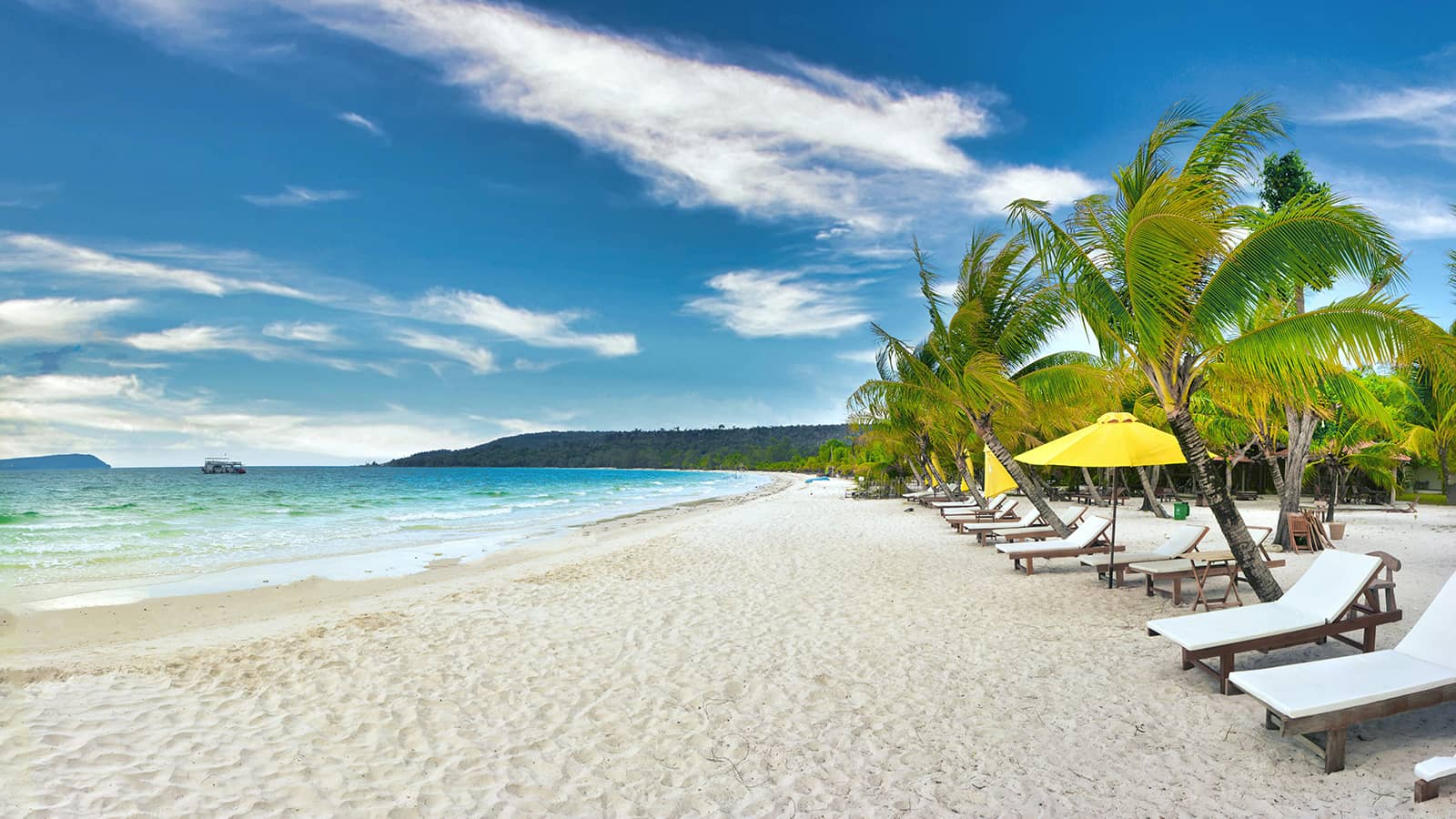
A week on Koh Samui gives you enough time to experience the island’s full personality without rushing. Start your first two days in Chaweng Beach area to get oriented—the island’s main hub offers easy access to restaurants, nightlife, and tour bookings. The powdery white sand stretches for 7 kilometres, and the gentle slope into turquoise waters makes it perfect for swimming despite the crowds.
Days three and four, move to Fisherman’s Village in Bophut for a complete change of pace. This former fishing community maintains its traditional wooden shophouses converted into boutique hotels, art galleries, and beachfront restaurants. The Friday night walking street market comes alive with local vendors selling handmade crafts and street food, while the beach itself offers calmer waters ideal for paddleboarding.
Dedicate day five to cultural exploration. Visit the Big Buddha temple (Wat Phra Yai) at sunrise to avoid tour groups—the 12-metre golden statue overlooks the northeastern coast and provides panoramic island views. Follow this with Wat Plai Laem, where the 18-arm Guanyin statue stands surrounded by a lake filled with hungry catfish. The afternoon works perfectly for exploring Na Muang Waterfalls, where you can swim in natural pools surrounded by tropical jungle.
Days six and seven should focus on adventure and relaxation. Book a full-day island-hopping tour to Ang Thong Marine National Park, a collection of 42 limestone islands with hidden lagoons and snorkelling spots. Return for a sunset dinner at one of the quieter beaches like Maenam or Bang Por, where local restaurants serve fresh seafood just metres from the water’s edge.
Getting to Koh Samui and Transportation Around the Island
Koh Samui’s airport expansion in late 2025 brought new direct routes from Singapore, Kuala Lumpur, and Hong Kong, making island access simpler than the traditional Bangkok connection. Bangkok Airways operates most flights to Samui Airport, with prices ranging from 4,500-8,000 THB depending on season and booking timing. The airport sits on the northeastern coast, just 15 minutes from most major beach areas.
Alternative routes include flying into Surat Thani on the mainland, then taking the ferry from Donsak Pier—a journey that costs around 350 THB and takes 90 minutes. Night buses from Bangkok to Surat Thani cost 800-1,200 THB and arrive in time for morning ferry connections.
Island transportation revolves around songthaews (shared pickup trucks) that follow fixed routes around the Ring Road for 30-50 THB per person. These red trucks run frequently during daylight hours but become unreliable after sunset. Motorcycle taxi rides cost 100-200 THB for short distances, while private taxi rides range from 300-600 THB depending on distance.
Renting a scooter remains the most flexible option for exploring the island independently. Daily rates start at 300 THB for automatic scooters, though international driving permits became mandatory in 2026 following stricter enforcement. Car rentals cost 1,500-2,500 THB per day and provide air conditioning plus storage space for beach gear, making them worthwhile for families or groups uncomfortable on two wheels.
Beach-Hopping Guide: From Party Central to Hidden Coves

Koh Samui’s beaches each offer distinct personalities shaped by their geography and development. Chaweng Beach dominates the eastern coast with its 6-kilometre stretch of fine white sand and crystal-clear water that stays shallow for 50 metres offshore. The southern end near Chaweng Noi provides slightly quieter spaces while maintaining easy access to restaurants and beach bars that define the island’s party reputation.
Lamai Beach, the island’s second-largest stretch, attracts a more relaxed crowd with its golden sand and iconic grandfather and grandmother rocks (Hin Ta and Hin Yai). The natural rock formations create protected swimming areas perfect for families, while the beachfront restaurants serve some of the island’s best seafood at tables set directly on the sand.
For authentic local atmosphere, head to Maenam Beach on the northern shore. This 4-kilometre stretch retains its fishing village character with longtail boats pulled up on shore and local vendors selling grilled fish directly from their carts. The coconut palms provide natural shade, and the gentle waves make it ideal for swimming and stand-up paddleboarding.
Silver Beach (Hat Thong Krut) on the southwestern coast remains one of the island’s best-kept secrets. Accessible via a dirt road that deters casual visitors, this small cove offers complete tranquility with white sand and clear water perfect for snorkelling around the coral reefs just offshore. Local fishermen still bring their daily catch to the small pier each morning.
Taling Ngam Beach provides dramatic sunset views over the Five Islands archipelago. The rocky coastline creates natural pools during low tide, and several luxury resorts maintain private sections while leaving public access open. The elevated restaurant terraces offer some of the island’s most spectacular dining locations.
Cultural Experiences: Temples, Markets, and Local Life
Wat Phra Yai temple houses Koh Samui’s most recognizable landmark—a massive golden Buddha statue visible from arriving flights. Built in 1972, the 12-metre figure sits in the lotus position overlooking the sea, surrounded by smaller shrines and dragon staircases. Visit during early morning hours when local devotees burn incense and leave offerings of flowers and fruit, creating an atmosphere of genuine spiritual practice rather than tourist spectacle.

The Friday night market in Fisherman’s Village transforms Bophut’s main street into a pedestrian wonderland filled with local artisans, street food vendors, and traditional performances. Wooden shophouses dating from the early 1900s provide the backdrop for vendors selling hand-woven textiles, carved wooden sculptures, and locally made soaps infused with coconut oil and lemongrass. The aromatic smoke from dozens of barbecue stalls mingles with sea breezes carrying the scent of frangipani flowers.
Na Thon town, the island’s administrative center, offers the most authentic glimpse of daily Thai life away from resort areas. The morning market operates from 6 AM to 10 AM, where local vendors sell tropical fruits, fresh seafood, and prepared dishes like khao tom (rice soup) and kai jeow (Thai omelette) for 40-80 THB per portion. Traditional wooden houses on stilts line the waterfront, and the pier area bustles with fishing boats unloading their night’s catch.
Wat Khunaram temple houses the naturally mummified body of Loung Pordaeng, a respected monk who died while meditating in 1973. The preserved remains, displayed in a glass case, demonstrate Buddhist beliefs about spiritual achievement and attract both tourists and local pilgrims. The temple complex includes meditation gardens with views over coconut plantations.
Secret Buddha Garden (Magic Garden) represents one man’s artistic vision carved into a mountainside jungle setting. Nim Thongsuk spent over 20 years creating stone sculptures of people, animals, and Buddhist deities scattered throughout tropical forest paths. The drive to reach this remote location requires careful navigation up steep, winding roads, but rewards visitors with unique art installations and panoramic island views.

Adventure Activities: Beyond the Beach Scene
Jungle trekking in Koh Samui’s interior reveals hidden waterfalls, exotic wildlife, and panoramic viewpoints accessible only on foot. Na Muang Waterfall offers two tiers—Na Muang 1 features a 30-metre cascade into a swimming hole perfect for cooling off, while Na Muang 2 requires a 30-minute uphill hike through dense forest to reach a more secluded 80-metre fall. Local guides from the visitor centre charge 500 THB for half-day tours that include wildlife spotting and medicinal plant identification.
Kayaking through the mangrove forests of Taling Ngam reveals Koh Samui’s ecological diversity beyond its famous beaches. Guided tours navigate narrow channels between twisted root systems where monitor lizards sun themselves on fallen logs and kingfishers dive for small fish. The 3-hour excursions cost 1,200 THB per person and include equipment plus fresh fruit breaks at elevated platforms built for wildlife observation.
Rock climbing at Hin Lat waterfall provides sport climbing routes ranging from beginner-friendly 5.6 grades to challenging 5.11 walls. Local climbing schools offer equipment rental and instruction for 1,800 THB per day, including safety briefings and route selection based on experience levels. The limestone cliffs provide excellent grip and varied routes with jungle canopy views from upper pitches.
Snorkelling around Koh Tao, accessible via speedboat day trips, showcases some of Thailand’s best underwater visibility and marine life diversity. Shark Bay offers chances to swim alongside blacktip reef sharks in shallow water, while Japanese Gardens provides colorful coral formations teeming with tropical fish. Full-day tours cost 2,200 THB including equipment, lunch, and transport from Koh Samui.
Stand-up paddleboarding has gained popularity along Koh Samui’s calmer northern beaches. Bophut and Maenam beaches provide ideal conditions for beginners, with rental shops offering 2-hour lessons for 800 THB including board use and basic instruction. Advanced paddlers can join sunrise tours that navigate around offshore islands for 1,500 THB per person.

Where to Stay: Best Areas for Every Travel Style
Chaweng Beach accommodates every budget level with the island’s largest selection of hotels, hostels, and resorts. Budget travelers find air-conditioned rooms with private bathrooms for 800-1,200 THB per night, while mid-range hotels with pools and beachfront access cost 2,500-4,000 THB. Luxury beachfront resorts charge 8,000-15,000 THB but provide private beach sections, spa services, and multiple dining options.
Fisherman’s Village in Bophut appeals to travelers seeking boutique accommodations with character. Former fishing houses converted into small hotels maintain traditional architecture while adding modern amenities like air conditioning and WiFi. Expect to pay 2,000-3,500 THB for charming rooms with wooden floors and vintage furnishings, or 5,000-8,000 THB for beachfront boutique resorts.
Lamai Beach offers middle-ground pricing between Chaweng’s high costs and less developed areas’ limited options. Family-friendly resorts with multiple pools, kids’ clubs, and varied restaurant choices cost 3,000-6,000 THB per night. The area provides easy access to attractions like the grandfather and grandmother rocks while maintaining a more relaxed atmosphere than party-central Chaweng.
Maenam and Bang Por beaches attract travelers prioritizing tranquility over nightlife access. These northern shore locations offer excellent value with beachfront bungalows starting at 1,500 THB per night and luxury villas with private pools ranging from 6,000-12,000 THB. The trade-off involves longer travel times to restaurants and attractions, but rewards include peaceful swimming and authentic local interactions.
Na Thon town provides the most budget-friendly accommodations on the island, with basic guesthouses charging 400-800 THB per night for rooms with shared bathrooms. While lacking beach access, staying in the main town offers insights into local life and easy connections to inter-island ferries for day trips.

Food Scene: Street Food to Fine Dining Hotspots
Koh Samui’s food landscape spans from roadside vendors serving authentic Thai dishes for 60-120 THB to internationally acclaimed restaurants with tasting menus exceeding 3,000 THB per person. The island’s coastal location ensures exceptional seafood, while its coconut groves provide fresh ingredients for both sweet and savory preparations.
Na Thon morning market delivers the most authentic local food experience, where vendors prepare traditional dishes like gaeng som (southern curry) and khao yam (rice salad with herbs) starting at 6 AM. The aromatic blend of fish sauce, tamarind, and fresh herbs creates an intensely flavored curry perfect with jasmine rice, while khao yam combines cold rice with dried fish, coconut, and exotic vegetables for a refreshing meal that costs just 80 THB.
Fisherman’s Village Friday market transforms into a street food paradise where local cooks prepare regional specialties on portable grills and woks. Try khanom krok (coconut pancakes) cooked in traditional cast-iron molds until crispy outside and creamy inside, or grab fresh spring rolls filled with herbs and prawns served with spicy tamarind dipping sauce. Most dishes cost 40-100 THB per portion.
Lamai Beach’s beachfront restaurants specialize in ultra-fresh seafood grilled over charcoal and served at tables set directly on the sand. Local fishermen bring their daily catch to restaurants each morning, ensuring dishes like grilled red snapper with garlic and pepper (350 THB) or tom yum soup with fresh prawns (280 THB) showcase the day’s best ingredients.
High-end dining options include internationally trained chefs creating fusion menus that incorporate local ingredients. Restaurants in luxury resorts offer multi-course tasting menus featuring dishes like coconut curry risotto with local seafood or massaman-spiced duck breast with tropical fruit accompaniments, typically priced at 2,500-4,000 THB per person with wine pairings.

Food courts in shopping centers like Central Festival provide air-conditioned comfort and diverse options including northern Thai specialties rarely found in southern Thailand. Dishes like khao soi (northern curry noodles) and sai ua (northern sausage) offer travelers chances to taste regional varieties while staying cool during midday heat. Prices range from 120-200 THB per dish.
Day Trip Options: Nearby Islands and Mainland Excursions
Ang Thong Marine National Park stands as Koh Samui’s premier day trip destination, featuring 42 limestone islands scattered across emerald-green waters. Full-day speedboat tours (2,200 THB per person) include stops at Emerald Lake—a saltwater lagoon surrounded by dramatic cliffs—and multiple snorkelling sites where visibility often exceeds 20 metres. The park’s hiking trails lead to viewpoints overlooking the entire archipelago, while hidden beaches provide perfect swimming spots away from crowds.
Koh Tao, famous for its diving schools and coral reefs, makes an excellent day trip for underwater enthusiasts. Ferry connections take 2.5 hours each way (800 THB round trip), allowing time for two-tank diving trips or extensive snorkelling around sites like Shark Island and Japanese Gardens. The island’s relaxed atmosphere and budget-friendly restaurants provide pleasant breaks between water activities.
Koh Phangan attracts visitors seeking pristine beaches beyond its full moon party reputation. Day trips by speedboat (1,500 THB per person) reach secluded beaches like Bottle Beach and Thong Nai Pan, where white sand meets crystal-clear water surrounded by jungle-covered hills. Local restaurants serve fresh seafood lunches, and the island’s interior offers jungle trekking to hidden waterfalls.
Mainland excursions to Surat Thani province showcase southern Thailand’s natural diversity. Khao Sok National Park day trips (2,800 THB including transport) feature ancient rainforest, limestone cliffs, and Cheow Lan Lake with its dramatic karst formations. The jungle canopy walk and longtail boat trips through emerald waters provide completely different experiences from island life.

Donsak town on the mainland offers authentic southern Thai culture and cuisine away from tourist areas. The ferry journey (350 THB each way) provides opportunities to interact with locals commuting between islands, and the town’s markets serve regional specialties like kanom jeen (fermented rice noodles) with various curry options for 60-80 THB per serving.
2026 Budget Breakdown: What You’ll Actually Spend
Budget travelers can experience Koh Samui for 1,500-2,000 THB per day by staying in hostels or basic guesthouses (400-800 THB per night), eating primarily at local markets and street stalls (200-400 THB per day), and using songthaews for transportation (100-200 THB per day). This budget allows for occasional restaurant meals and some paid activities like waterfall visits or temple donations.
Mid-range travelers typically spend 3,500-5,500 THB daily, staying in air-conditioned hotels with pools (2,000-3,500 THB per night), dining at beachfront restaurants for most meals (800-1,200 THB per day), and including organized activities like snorkelling tours or cooking classes (1,000-2,000 THB per activity). This level permits comfortable accommodation with occasional luxury experiences.
Comfortable budgets of 8,000-12,000 THB per day cover beachfront resort accommodation (5,000-8,000 THB per night), meals at high-end restaurants with wine (1,500-2,500 THB per day), private transportation like taxi rides or car rentals (800-1,200 THB per day), and premium activities such as spa treatments or diving trips (2,500-4,000 THB per activity).
Specific cost examples for 2026 include: domestic flights from Bangkok (4,500-6,000 THB), scooter rental (300 THB per day), massage treatments (800-1,200 THB per hour), half-day fishing trips (2,000 THB per person), and international cuisine dinner for two with drinks (2,500-3,500 THB at resort restaurants).
Hidden costs to budget for include national park entrance fees (200-400 THB), longtail boat rides to secluded beaches (500-800 THB per person), laundry services (100-150 THB per load), and departure taxes included in flight prices but sometimes charged separately for ferry services (50-100 THB).

Frequently Asked Questions
How many days do you need for Koh Samui?
Five to seven days provides sufficient time to experience the island’s diverse beaches, visit major temples, enjoy water activities, and take one day trip to nearby islands without feeling rushed. Longer stays allow for deeper exploration of local culture and relaxation.
Is Koh Samui better than Phuket for first-time Thailand visitors?
Koh Samui offers a more manageable size with shorter travel distances between attractions, making it ideal for first-time visitors. The island provides excellent beaches, cultural sites, and activities while being less overwhelming than Phuket’s extensive tourism infrastructure.
What’s the best time of year to visit Koh Samui in 2026?
December through April offers the driest weather with temperatures around 28-32°C and minimal rainfall. May through October brings more rain but fewer crowds and lower accommodation prices, while November can be unpredictable with occasional storms.
Can you get around Koh Samui without renting a vehicle?
Yes, songthaews (shared taxis) connect major beaches and attractions during daylight hours for 30-50 THB per ride. Motorcycle taxis and private taxis provide additional options, though costs increase significantly. Many activities include hotel pickup services.
Is Koh Samui good for families with young children?
Absolutely. The island’s gentle beaches, particularly Chaweng and Lamai, offer safe swimming with shallow water extending far offshore. Family-friendly resorts provide kids’ clubs and pools, while cultural attractions like Big Buddha temple engage children without requiring strenuous activities.
Explore more
Your Perfect 5-Day Koh Samui Itinerary: What to Do & See
Unforgettable Things To Do in Koh Samui: Your Essential Island Itinerary
Koh Samui Itinerary: The Perfect 3, 5, or 7-Day Island Escape
📷 Featured image by John Mukiibi Elijah on Unsplash.