On this page
- Island Hopping Adventures from Ao Nang and Railay
- Rock Climbing Paradise at Railay Beach
- Emerald Pool and Hot Springs in Krabi’s Interior
- Ao Nang’s Beach Scene and Water Activities
- Tiger Cave Temple and Spiritual Mountain Climbs
- Krabi Town’s River Markets and Local Life
- Phi Phi Islands Day Trip Logistics
- Kayaking Through Mangrove Forests
- Sunset Spots and Evening Entertainment
- 2026 Budget Breakdown for Krabi Activities
- Frequently Asked Questions
💰 Click here to see Thailand Budget Breakdown
💰 Prices updated: October, 2026. Budget figures are estimates — always verify before travel.
Exchange Rate: $1 USD = ฿33.60
Daily Budget (per person)
Shoestring: ฿900.00 – ฿1,800.00 ($26.79 – $53.57)
Mid-range: ฿2,150.00 – ฿4,000.00 ($63.99 – $119.05)
Comfortable: ฿6,000.00 – ฿12,000.00 ($178.57 – $357.14)
Accommodation (per night)
Hostel/guesthouse: ฿90.00 – ฿750.00 ($2.68 – $22.32)
Mid-range hotel: ฿1,400.00 – ฿3,500.00 ($41.67 – $104.17)
Food (per meal)
Budget meal: ฿70.00 ($2.08)
Mid-range meal: ฿250.00 ($7.44)
Upscale meal: ฿1,000.00 ($29.76)
Transport
Single metro/bus trip: ฿30.00 ($0.89)
Monthly transport pass: ฿1,155.00 ($34.38)
Krabi’s tourism landscape has evolved significantly since 2024, with new ferry routes connecting previously hard-to-reach islands and improved infrastructure making day trips more accessible than ever. The challenge isn’t finding things to do—it’s choosing from an overwhelming array of Limestone karsts, turquoise lagoons, and adventure activities that define this Andaman Sea province.
Island Hopping Adventures from Ao Nang and Railay
The Four Islands Tour remains Krabi’s signature experience, but 2026 brings streamlined booking through digital platforms and eco-certified operators. Longtail boats depart from Ao Nang Beach every morning at 8:30 AM, visiting Koh Poda, Chicken Island, Tup Island, and Phra Nang Cave Beach in a six-hour circuit.
Koh Poda offers the clearest waters for snorkeling, with visibility reaching 15 meters on calm days. The island’s powdery white sand stretches for 800 meters, backed by casuarina trees providing natural shade. Chicken Island gets its name from a limestone formation resembling a rooster’s head—best photographed from the boat approach.
Tup Island connects to Chicken Island via a sandbar that emerges during low tide, creating a walkable bridge between November and April. The phenomenon occurs twice daily, with the sandbar fully exposed for roughly two hours each time. Local guides time the tour to coincide with this natural spectacle.
Private longtail boat charters cost 2,500-3,000 THB for up to 8 people, while group tours run 1,200-1,500 THB per person including lunch, snorkeling equipment, and national park fees. The boats feature traditional designs with modern safety equipment—life jackets, first aid kits, and radio communication systems.
Rock Climbing Paradise at Railay Beach
Railay Peninsula stands as Southeast Asia’s premier limestone climbing destination, accessible only by longtail boat due to towering cliffs that cut it off from the mainland. Over 700 established routes range from beginner-friendly 5a grades to expert 7c+ challenges carved into 200-meter karst towers.

The climbing season runs year-round, but optimal conditions occur from November through March when humidity drops and afternoon thunderstorms become rare. Railay’s west-facing walls catch morning shade, making dawn sessions particularly comfortable. Popular routes like “Humanality” (6b+) and “Tidal Wave” (7a) offer spectacular views across the Andaman Sea.
Climbing shops line Railay’s walking street, renting complete gear sets for 800 THB per day—harness, helmet, shoes, and rope. Half-day guided sessions cost 2,500 THB per person, including basic instruction and route selection. Multi-pitch climbs to cliff-top viewpoints require advance booking and experienced guides.
Deep water soloing (DWS) around Railay’s coastline provides a unique climbing experience where falls land in warm seawater instead of on crash pads. Tonsai Beach offers several DWS routes accessible by swimming or kayak, with difficulties ranging from 5c to 7a. The activity requires strong swimming skills and awareness of tidal conditions.
Essential Climbing Areas
Muay Thai Wall features beginner routes with good holds and moderate exposure, perfect for first-time climbers. One Two Three Wall offers progression routes where climbers can advance through grades 5a to 6c on similar rock formations. Diamond Cave provides shaded climbing during midday heat, though route finding can be challenging.
Tonsai Tower attracts experienced climbers with its steep, sustained routes requiring technical skills and endurance. The approach involves a 20-minute hike through jungle terrain, but the isolation means fewer crowds and pristine rock quality.
Emerald Pool and Hot Springs in Krabi’s Interior
Krabi’s rainforest interior conceals natural pools and thermal springs reached by paved roads that wind 40 kilometers inland from Ao Nang. The Emerald Pool (Sa Morakot) sits within Khao Phra-Bang Khram Nature Reserve, formed by underground streams filtering through limestone bedrock that creates the distinctive turquoise color.

The pool maintains a constant 30-35°C temperature year-round, fed by mineral-rich springs bubbling up through white sand. Swimming feels refreshing even during Krabi’s hottest months, though the 25-meter diameter means space becomes limited when tour groups arrive. Early morning visits between 8-9 AM offer the best experience before crowds gather.
A 1.2-kilometer nature trail leads from the parking area to the pool, passing through primary rainforest where hornbills, kingfishers, and occasionally langur monkeys can be spotted. Wooden boardwalks protect sensitive root systems while providing safe footing during rainy season.
Hot springs at Klong Thom district feature multiple pools ranging from 35-42°C, naturally heated by geothermal activity deep underground. The springs contain dissolved minerals including sulfur, calcium, and magnesium, believed to benefit skin conditions and muscle tension. Private resort spas have developed around some springs, while others remain accessible to day visitors for 200 THB entrance fees.
The journey from Ao Nang takes 45 minutes by rental scooter or 1,200 THB by private taxi. Tour packages combining Emerald Pool, hot springs, and Tiger Cave Temple cost 1,800-2,200 THB per person including transportation and guide services.
Ao Nang’s Beach Scene and Water Activities
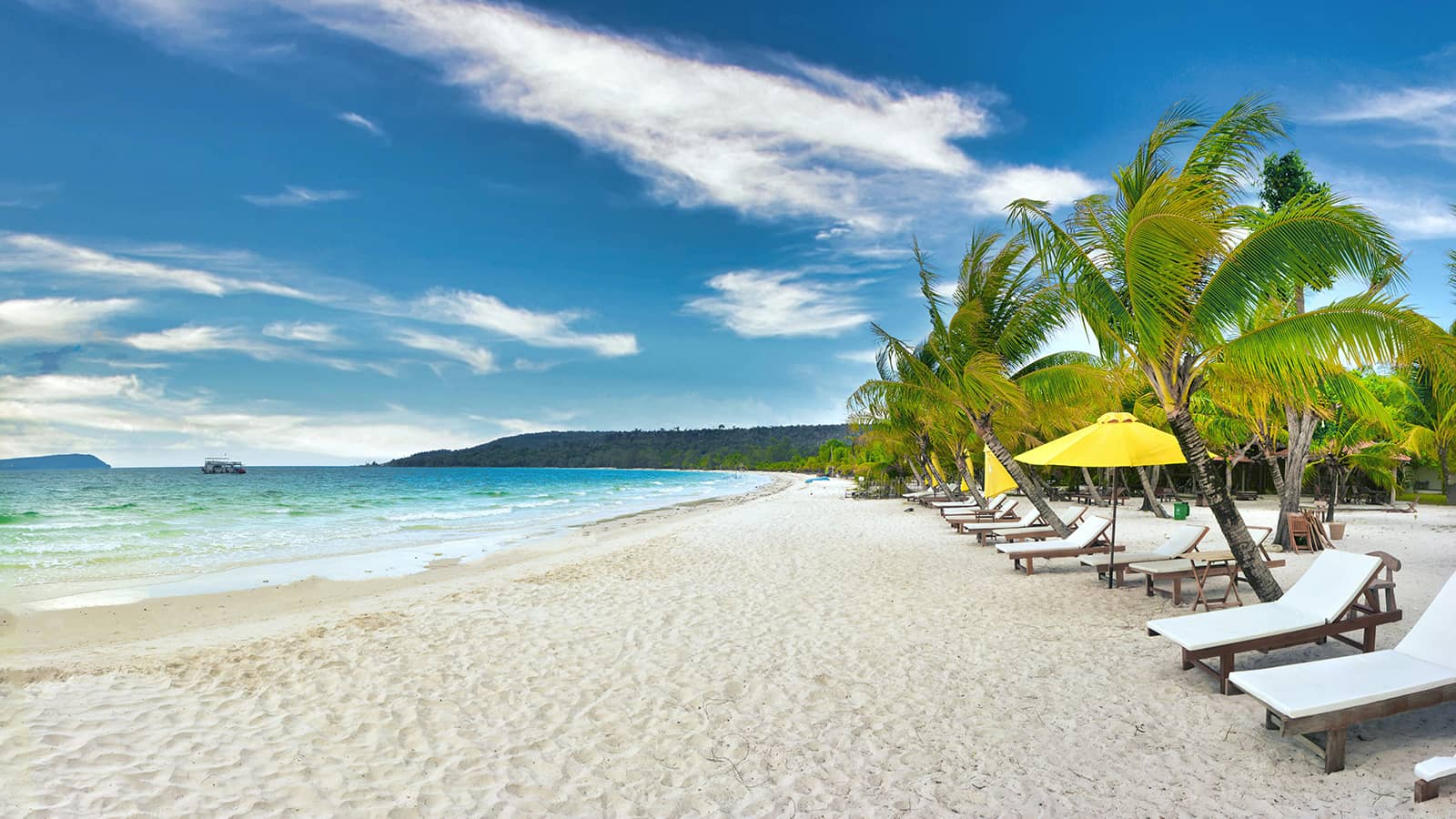
Ao Nang Beach stretches 2.5 kilometers along Krabi’s most developed coastline, where longtail boats bob in shallow water and beachfront restaurants serve fresh seafood under coconut palms. The beach faces west, creating spectacular sunset views over limestone islands that rise dramatically from calm seas.
Stand-up paddleboarding has gained popularity as a calm-water activity suitable for all skill levels. Rental shops charge 500 THB for two hours, including basic instruction and life jackets. The protected bay means minimal waves, perfect for beginners learning balance and paddle techniques. Advanced paddlers can explore sea caves along the coastline during high tide.

Parasailing operations launch from Ao Nang’s central beach area, offering 12-15 minute flights at heights up to 100 meters above sea level. The bird’s-eye perspective reveals Krabi’s famous karst topography, including Hong Island, Poda Island, and Railay’s cliff formations. Flights cost 2,000-2,500 THB per person with modern safety equipment and certified operators.
Beach massages remain a quintessential Krabi experience, with therapists setting up bamboo mats under temporary canopies along the sand. Traditional Thai massage costs 400-500 THB per hour, while oil massages run 600-700 THB. The combination of sea breeze, wave sounds, and skilled hands creates an unforgettable relaxation experience.
Water Sports and Equipment
Jet ski rentals operate from designated zones marked by buoys to separate swimmers from motorized activities. Rates start at 1,500 THB for 30 minutes, with guided tours to nearby islands available for 3,500-4,000 THB including fuel and safety briefing. Operators require international driving licenses or boat licenses for independent rentals.
Windsurfing and kitesurfing work best during northeast monsoon months (November-March) when consistent winds blow 15-25 knots across the bay. Equipment rental and instruction packages cost 2,500 THB for half-day sessions, though Krabi’s wind patterns suit intermediate to advanced riders more than complete beginners.
Tiger Cave Temple and Spiritual Mountain Climbs
Wat Tham Sua, known as Tiger Cave Temple, challenges visitors with a grueling 1,237-step climb to a golden Buddha statue perched 600 meters above sea level. The name derives from tiger paw prints found in limestone caves where monks once meditated, though no tigers inhabit the area today.
The climb begins before dawn for most visitors, who start the ascent at 5:30 AM to reach the summit for sunrise at 6:45 AM. The steep concrete steps wind through tropical forest where macaque monkeys observe climbers from overhead branches. Sections become nearly vertical, requiring handrails for safety.

At the halfway point, a small shrine offers rest opportunities and water stations maintained by temple volunteers. The final 400 steps prove most challenging, with 40% inclines testing cardiovascular fitness and leg strength. Average climbing time ranges from 45-75 minutes depending on fitness level and rest stops.
The summit’s 360-degree views encompass Krabi’s entire coastal region—Ao Nang, Railay Peninsula, offshore islands, and mangrove forests stretching inland. The golden Buddha statue stands 15 meters tall, surrounded by smaller shrines and meditation areas where monks conduct morning prayers.
Alternative trails lead to cave temples at ground level, including the original tiger cave where ancient wall paintings depict Buddhist stories. These caves require flashlights and offer cooler temperatures during midday heat. Respectful dress—covered shoulders and knees—is mandatory throughout the temple complex.
Temple Etiquette and Preparation
Bring water bottles, as the climb induces heavy sweating even in cool morning air. Proper footwear with good grip prevents slips on concrete steps that become wet from dew or occasional rain. Temple rules prohibit loud conversation, music, or disrespectful behavior near religious sites.
Entry remains free, though donation boxes accept contributions for temple maintenance and monk support. Photography is permitted everywhere except inside active meditation halls where signs indicate restricted areas.
Krabi Town’s River Markets and Local Life
Krabi Town, located 20 kilometers inland from Ao Nang, offers authentic Thai experiences away from tourist crowds. The Chao Fa Night Market operates along the Krabi River waterfront, where local vendors sell regional specialties like kanom jeen (fermented rice noodles) with nam ya pla (fish curry sauce) and fresh durian from nearby orchards.
Saturday Walking Street transforms Maharat Road into a pedestrian zone filled with food stalls, handicraft vendors, and live music performances. Local families gather here for weekend socializing, creating an atmosphere more representative of genuine Thai culture than resort areas. Prices reflect local purchasing power—main dishes cost 60-100 THB compared to 200-300 THB in tourist zones.

The Krabi River provides scenic boat trips through mangrove channels where limestone cliffs rise directly from brackish water. Long-tail boat charters cost 1,500-2,000 THB for 2-3 hour trips including stops at fishing villages and caves accessible only during high tide. Sunset timing (6:00-7:00 PM) offers optimal lighting for photography.
Wat Kaew Korawaram temple in Krabi Town features unique architecture blending Thai and Chinese influences, reflecting the area’s multicultural heritage. The temple grounds include a small museum displaying ancient artifacts found in local caves, providing historical context for Krabi’s 30,000-year human habitation.
Local Transportation Options
Songthaews (shared pickup trucks) connect Krabi Town to Ao Nang every 30 minutes from 6 AM to 6 PM, charging 60 THB per person for the 30-minute journey. Motorcycle taxis offer faster service for 150-200 THB but carry weather risks during rainy season.
Rental bicycles cost 150-200 THB per day in Krabi Town, suitable for exploring the compact downtown area and riverside paths. Traffic remains manageable compared to larger Thai cities, though morning and evening rush hours create congestion near schools and markets.
Phi Phi Islands Day Trip Logistics
Phi Phi Islands rank among Thailand’s most famous destinations, accessible from Krabi via multiple ferry routes that have expanded significantly in 2026. High-speed ferries depart Ao Nang Pier six times daily, taking 45 minutes to reach Phi Phi Don’s Tonsai Bay. Round-trip tickets cost 1,200 THB for standard service or 1,800 THB for VIP boats with air conditioning and refreshments.
Maya Bay on Phi Phi Leh reopened to limited visitors in 2023 after environmental restoration, now allowing 300 people per day through advance booking systems. Entry costs 400 THB plus 100 THB national park fee, with visits restricted to 1-hour time slots between 8 AM and 4 PM. The bay’s white sand and turquoise lagoon surrounded by 100-meter cliffs justify the restrictions and fees.

Viking Cave displays ancient wall paintings depicting Chinese sailing ships, accessible only by swimming or snorkeling during calm seas. The cave opening sits 20 meters above sea level, requiring climbing skills to reach painting areas. Most visitors observe from boats while listening to guide explanations of the historical significance.
Pileh Lagoon offers snorkeling in an enclosed emerald pool surrounded entirely by limestone cliffs. The lagoon connects to open ocean through a narrow channel that creates gentle water circulation and exceptional clarity. Coral formations and tropical fish thrive in the protected environment, making it ideal for underwater photography.
Day Trip vs. Overnight Options
Day trips allow 6-8 hours on the islands but involve rushing between multiple sites with large tour groups. Overnight stays on Phi Phi Don provide access to quiet morning hours and sunset views from viewpoints like the Phi Phi Viewpoint Trail. Budget accommodations start at 1,500 THB per night, while beachfront resorts charge 5,000-15,000 THB.
Private speedboat charters offer customized itineraries avoiding crowds at popular sites like Maya Bay and Pileh Lagoon. Full-day charters cost 25,000-35,000 THB for up to 8 passengers, including fuel, crew, lunch, and snorkeling equipment. The flexibility allows extended time at preferred locations and photography opportunities without time pressure.
Kayaking Through Mangrove Forests
Ao Thalane’s mangrove ecosystem provides Thailand’s finest sea kayaking experience, where narrow channels wind through ancient root systems creating natural tunnels and hidden lagoons. The 20-square-kilometer area supports over 200 bird species, saltwater crocodiles, and unique plant communities adapted to tidal environments.
Self-guided kayak rentals cost 500-600 THB for half-day use, while guided tours with local ecological knowledge run 1,500-2,000 THB per person. The guided option proves worthwhile for wildlife spotting and navigation through complex channel systems that can confuse inexperienced paddlers during tide changes.

High tide provides access to narrow channels where kayaks pass under overhanging mangrove branches, creating tunnel-like passages filled with filtered green light. Low tide exposes mudflats where fiddler crabs emerge in thousands, creating carpet-like movements across exposed sediments. Optimal timing follows rising tide 2-3 hours after low tide.
Bioluminescent plankton creates ethereal blue glows in mangrove waters during dark moon phases (approximately 5 days per month). Night kayaking tours operate from November through April when rainfall decreases and water clarity improves. The phenomenon occurs most dramatically around midnight when water temperatures peak and plankton activity intensifies.
Photography challenges include low light conditions under mangrove canopies and water reflection issues during midday sun. Waterproof camera housings prove essential, while polarizing filters reduce glare from water surfaces. Wildlife photography requires telephoto lenses for bird shots without disturbing nesting areas.
Sunset Spots and Evening Entertainment
Railay West Beach claims Krabi’s finest sunset viewing position, where limestone karsts create dramatic silhouettes against orange and pink skies. The beach faces directly west across the Andaman Sea, providing unobstructed horizon views from 6:15-6:45 PM year-round. Beach bars set up temporary seating with cocktails and light meals during golden hour.
Ao Nang’s beachfront transforms into an outdoor dining scene as temperatures cool after sunset. Seafood restaurants arrange tables directly on sand, serving grilled fish, tom yum soup, and pad thai while waves lap nearby. Live acoustic music performances occur at several venues, creating ambient soundtracks for evening meals.
The Hilltop Bar on Phi Phi Don offers 360-degree views from elevated positions 180 meters above sea level. The challenging 20-minute hike deters some visitors, ensuring more intimate sunset experiences. Drinks cost 200-300 THB, expensive by Thai standards but justified by the spectacular setting and cooling mountain breezes.

Fire shows on various beaches provide evening entertainment blending traditional Thai culture with tourist spectacle. Performers spin flaming ropes and staffs while dancing to rhythmic music, often encouraging audience participation. Shows typically begin around 8:30 PM and last 30-45 minutes.
Night Market and Street Food
Ao Nang Walking Street operates Friday through Sunday evenings, featuring local food vendors, handicraft stalls, and live music performances. The atmosphere remains family-friendly with children playing while parents browse souvenir shops and sample regional specialties. Mango sticky rice costs 100 THB, while fresh fruit smoothies run 80-120 THB depending on ingredients.
Late-night massage shops along Ao Nang’s main road provide therapeutic relief after active days of climbing, swimming, and hiking. Legitimate establishments display official certification and maintain clean, well-lit facilities. Traditional Thai massage costs 400-500 THB for one hour, while oil massage runs 600-800 THB.
2026 Budget Breakdown for Krabi Activities
Budget travelers can experience Krabi’s highlights for 2,000-2,500 THB per day including accommodation, meals, and activities. Mid-range budgets of 4,000-6,000 THB daily allow private tours, better accommodations, and restaurant dining. Comfortable budgets exceeding 8,000 THB provide luxury resorts, private boat charters, and spa treatments.
Budget Tier (2,000-2,500 THB/day)
- Accommodation: Hostel dormitory 600-800 THB, budget guesthouse 1,000-1,200 THB
- Meals: Street food breakfast 80 THB, lunch 120 THB, dinner 200 THB
- Transportation: Songthaew rides 60 THB, scooter rental 300 THB/day
- Activities: Four Islands group tour 1,200 THB, Emerald Pool entry 200 THB
- Drinks: Local beer 80-100 THB, fresh juice 60 THB
Mid-Range Tier (4,000-6,000 THB/day)
- Accommodation: Mid-range hotel 2,500-3,500 THB, boutique resort 3,000-4,000 THB
- Meals: Restaurant breakfast 250 THB, lunch 400 THB, dinner 800 THB
- Transportation: Private taxi transfers 800-1,200 THB, rental car 1,500 THB/day
- Activities: Private boat tour 3,000 THB (shared), rock climbing guide 2,500 THB
- Spa: Traditional massage 500 THB, oil massage 700 THB

Comfortable Tier (8,000+ THB/day)
- Accommodation: Luxury resort 8,000-15,000 THB, private villa 12,000-25,000 THB
- Meals: Fine dining 1,500-2,500 THB per meal, resort breakfast 800 THB
- Transportation: Private speedboat charter 6,000 THB/person, helicopter transfer 15,000 THB
- Activities: Private climbing instructor 5,000 THB, exclusive island tour 8,000 THB
- Spa: Resort spa treatments 2,500-4,000 THB, private massage 1,500 THB
National park fees apply to most island destinations: 300 THB for adults, 150 THB for children. Some operators include these fees in tour prices while others charge separately. Snorkeling equipment rental typically costs 200-300 THB per day when not included in tour packages.
Credit cards work at major hotels and restaurants, but cash remains necessary for street food, local transportation, and small vendors. ATMs are widely available in Ao Nang and Krabi Town, charging 220 THB per international transaction plus home bank fees.
Frequently Asked Questions
What’s the best time of year to visit Krabi?
November through March offers the best weather with minimal rainfall, calm seas, and comfortable temperatures around 28-32°C. April and May become very hot, while June through October brings monsoon rains and rough seas affecting boat tours.
How many days do I need in Krabi?
Four to five days allow time for major highlights: Four Islands tour, Phi Phi day trip, rock climbing at Railay, and inland attractions like Emerald Pool. Add 2-3 days for a more relaxed pace or additional activities.
Is Krabi suitable for families with young children?
Yes, many activities work for families including gentle boat tours, beach time, and swimming in natural pools. However, rock climbing, long hikes, and some boat trips may be too challenging for children under 8 years old.
Do I need advance bookings for Krabi activities?
Maya Bay at Phi Phi requires advance online booking due to visitor limits. Other activities can usually be arranged 1-2 days ahead, though peak season (December-February) may require earlier planning for preferred operators and times.
What’s the difference between staying in Ao Nang vs. Railay?
Ao Nang offers more restaurants, nightlife, and easy transportation but busier beaches. Railay provides stunning scenery and world-class climbing but limited dining options and higher prices. Railay requires boat access, adding time and cost for mainland trips.
Explore more
The Perfect Krabi Itinerary: How to Spend 3, 5, or 7 Days in Paradise
Top Things to Do in Krabi for an Unforgettable Trip
Best Neighborhoods in Krabi, Thailand — Area-by-Area Guide
📷 Featured image by Ashiks Visual on Unsplash.