On this page
- Beach Paradise: Top Coastlines and Their Unique Personalities
- Temple Treasures and Cultural Highlights
- Adventure Activities: From Waterfalls to Water Sports
- Night Markets and Local Food Scenes
- Day Trip Destinations: Nearby Islands and Mainland Excursions
- Practical Navigation: Getting Around the Island
- Budget Breakdown: What to Expect in 2026
- Frequently Asked Questions
💰 Click here to see Thailand Budget Breakdown
💰 Prices updated: October, 2026. Budget figures are estimates — always verify before travel.
Exchange Rate: $1 USD = ฿33.60
Daily Budget (per person)
Shoestring: ฿900.00 – ฿1,800.00 ($26.79 – $53.57)
Mid-range: ฿2,150.00 – ฿4,000.00 ($63.99 – $119.05)
Comfortable: ฿6,000.00 – ฿12,000.00 ($178.57 – $357.14)
Accommodation (per night)
Hostel/guesthouse: ฿90.00 – ฿750.00 ($2.68 – $22.32)
Mid-range hotel: ฿1,400.00 – ฿3,500.00 ($41.67 – $104.17)
Food (per meal)
Budget meal: ฿70.00 ($2.08)
Mid-range meal: ฿250.00 ($7.44)
Upscale meal: ฿1,000.00 ($29.76)
Transport
Single metro/bus trip: ฿30.00 ($0.89)
Monthly transport pass: ฿1,155.00 ($34.38)
Koh Samui in 2026 faces a pleasant problem: its popularity has exploded post-pandemic, but the Island has matured beautifully. Gone are the days of haphazard development. Today’s Samui offers sophisticated resorts alongside authentic local experiences, with improved infrastructure making exploration easier than ever. The new Samui Smart Bus system and expanded ferry connections mean you can finally experience the real island beyond the resort bubble.
Beach Paradise: Top Coastlines and Their Unique Personalities
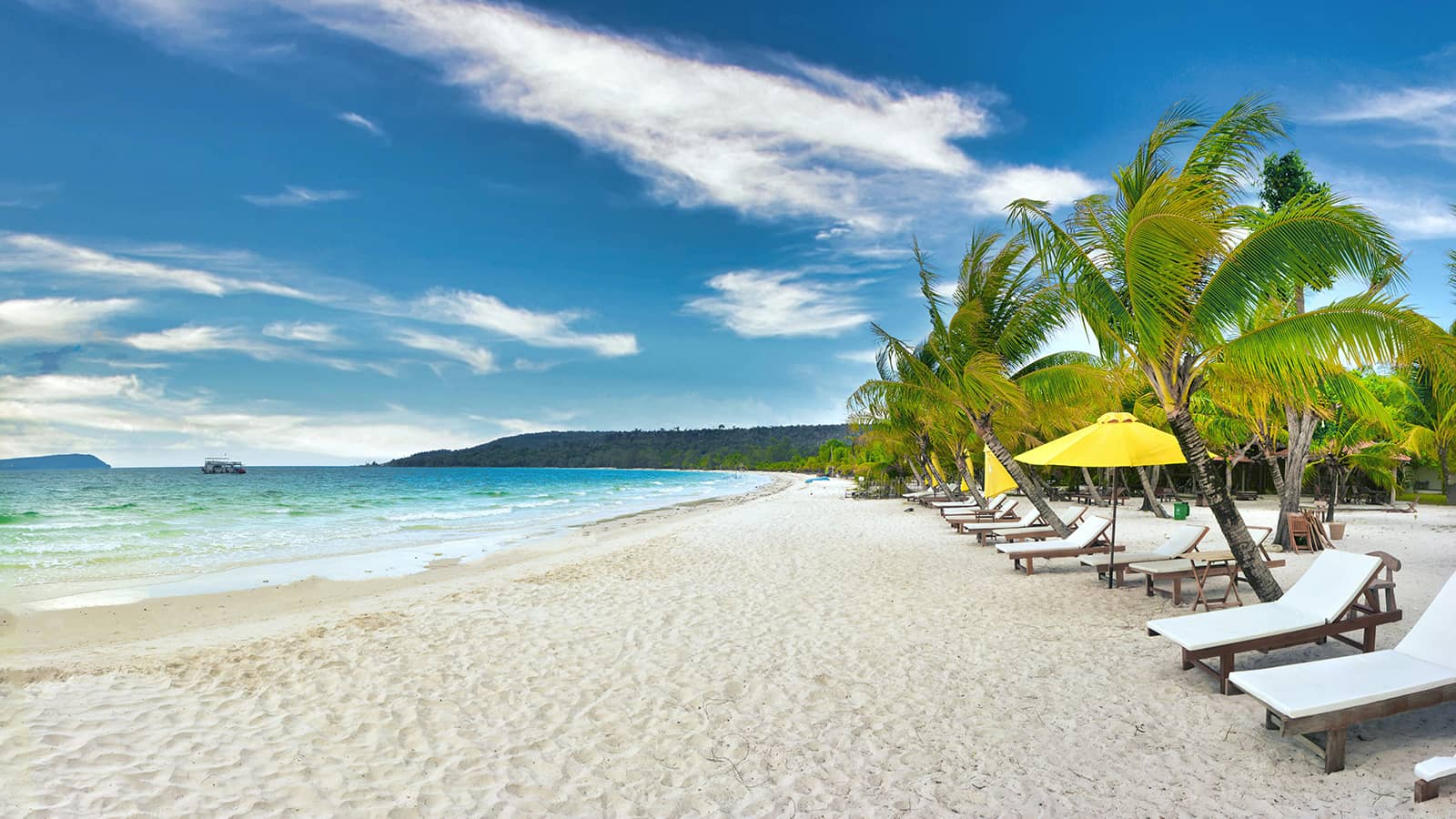
Chaweng Beach remains Samui’s crown jewel, but each stretch of sand tells a different story. The 7-kilometre crescent of white sand buzzes with activity from sunrise to well past midnight. The northern section near Central Festival mall draws families and first-time visitors, while the southern end attracts the party crowd with its beachfront bars and fire shows.
Lamai Beach offers a more relaxed alternative with its distinctive rock formations and laid-back vibe. The beach curves gently for 4 kilometres, backed by coconut palms and smaller boutique resorts. Here, you’ll find the famous Grandfather and Grandmother rocks (Hin Ta and Hin Yai), naturally sculpted formations that have become Instagram sensations.
For true serenity, head to Maenam Beach on the northern coast. This 4-kilometre stretch faces Koh Phangan, offering stunning sunset views across the water. The sand here is finer and whiter than Chaweng, and the shallow waters make it perfect for families. Local fishermen still launch their longtail boats from here at dawn, their engines puttering softly across the mirror-calm sea.
Bophut Beach combines the best of both worlds: a beautiful 2-kilometre beach with the historic Fisherman’s Village at its heart. Every Friday night, the village transforms into a walking street market where the aroma of grilled seafood mingles with incense from nearby Chinese temples.

Temple Treasures and Cultural Highlights
Wat Phra Yai (Big Buddha Temple) dominates Samui’s northeastern coastline with its 12-metre golden statue visible from several kilometres away. The temple sits on a small island connected by a causeway, and the climb up the dragon-flanked staircase rewards visitors with panoramic views across to Koh Phangan. Early morning visits offer the best light for photography and fewer crowds.
The Secret Buddha Garden (Magic Garden) hides in the island’s mountainous interior, created by an eccentric local fruit farmer who spent decades carving statues and creating this mystical retreat. The winding path through dense jungle leads to dozens of concrete sculptures depicting Buddhist and Hindu deities, animals, and mythical creatures. The garden sits 400 metres above sea level, providing a cool respite from coastal humidity.
Wat Khunaram houses Samui’s most unusual attraction: the mummified monk Luang Pho Daeng, who died in 1973 while meditating. His perfectly preserved body sits in a glass case, wearing sunglasses to preserve his dignity. While it might sound macabre, locals consider it a sacred site that demonstrates the monk’s spiritual achievement.
The Samui Cultural Center, renovated in 2025, now offers interactive exhibits about the island’s coconut industry heritage. You can watch demonstrations of traditional coconut harvesting using trained monkeys, learn about the old Chinese trading networks, and sample various coconut products from soap to wine.
Adventure Activities: From Waterfalls to Water Sports
Na Muang Waterfalls provide Samui’s most accessible jungle adventure. The first waterfall drops 18 metres into a natural pool perfect for swimming, surrounded by smooth purple rocks that give the falls their name (Na Muang means “purple water”). The second waterfall, reached by a 30-minute hike, cascades 80 metres down a cliff face into another swimmable pool.

The new Samui Treetop Adventure Park, opened in 2024, offers zip-lining through the island’s remaining primary forest. Seven different courses cater to various skill levels, with the longest zip-line stretching 300 metres over a jungle canopy. The experience includes walking across suspended rope bridges and rappelling down ancient trees.
Snorkelling around Koh Samui has improved dramatically since the 2023 coral restoration project. The best spots include the Coral Cove near Lamai Beach and the waters around Koh Tao Noi (not to be confused with the larger diving destination). Visibility typically reaches 15-20 metres, and you’ll spot parrotfish, angelfish, and occasional reef sharks.
Stand-up paddleboarding has exploded in popularity, particularly in the calm waters of Choeng Mon Beach. Several operators now offer SUP yoga sessions at sunrise, where the gentle rhythm of waves beneath your board creates a meditative experience as the sun rises over Koh Phangan.
Night Markets and Local Food Scenes
The Fisherman’s Village Walking Street in Bophut transforms every Friday evening into Samui’s most atmospheric dining experience. Local vendors line the historic Chinese shophouses, grilling fresh seafood on charcoal braziers while the salty breeze carries the smoky aroma through narrow alleys. Try the grilled squid with spicy dipping sauce or the som tam (papaya salad) prepared fresh to your spice preference.
Chaweng’s night food scene centers around the lake area, where local families gather at plastic tables under string lights. The lakeside food court serves some of the island’s best khao pad (fried rice) and authentic southern Thai curries. The yellow curry with fresh pineapple chunks and the rich, coconut-heavy gaeng som (sour curry) showcase the region’s distinctive flavours.
For the most authentic experience, head to Nathon town’s morning market, where locals shop for daily groceries. The market comes alive before dawn, with vendors arranging displays of tropical fruits, fresh herbs, and just-caught seafood. The coffee vendors here serve traditional Thai-style coffee filtered through cloth bags, creating a strong, sweet brew that’s perfect fuel for early morning exploration.

The new Samui Night Bazaar in Lamai, launched in 2025, operates Thursday through Sunday evenings. It focuses specifically on southern Thai specialties often overlooked by tourist restaurants: spicy fish bladder soup, grilled stingray with turmeric, and the legendary khao yam (rice salad) mixed with over a dozen fresh herbs and vegetables.
Day Trip Destinations: Nearby Islands and Mainland Excursions
Koh Tao, just 45 minutes by high-speed ferry, remains Southeast Asia’s most famous diving destination. The newly expanded ferry service in 2026 includes three daily departures, making day trips more feasible. Shark Bay and Chumphon Pinnacle offer the best diving, while snorkellers can explore the colorful reefs at Japanese Gardens.
Koh Phangan appeals to more than just full moon party-goers. The northern beaches like Bottle Beach and Haad Khom provide pristine snorkelling in crystal-clear waters. The 30-minute ferry ride from Bophut Pier makes it an easy day trip, and you can rent motorcycles on arrival to explore the island’s hidden waterfalls and viewpoints.
Angthong National Marine Park encompasses 42 islands scattered across turquoise waters. Day tours typically visit three or four islands, including the famous Emerald Lake on Koh Mae Ko and the panoramic viewpoint on Koh Wua Talap. The protected waters here teem with marine life, and the limestone karsts create dramatic backdrops for swimming and kayaking.
Mainland excursions to Surat Thani province showcase a different side of southern Thailand. The floating markets at Damnoen Saduak operate in the early morning, while the Khao Sok National Park offers jungle treks and lake cruises through flooded forest landscapes. New luxury speedboat services launched in 2025 make these mainland adventures accessible as long day trips from Samui.

Practical Navigation: Getting Around the Island
The revolutionary Samui Smart Bus system, introduced in 2024, finally solved the island’s transportation puzzle. These air-conditioned buses run every 20 minutes along two circular routes: the coastal route connecting all major beaches, and the mountain route serving the interior attractions. A daily pass costs 150 THB and includes unlimited rides plus free WiFi.
Motorcycle taxis still provide the fastest point-to-point transport, particularly useful for reaching the hidden beaches and restaurants tucked away from main roads. Rates start at 100 THB for short distances, and most drivers speak basic English. Always negotiate the fare before departure and wear the provided helmet.
Rental scooters remain popular for independent exploration, but traffic has increased significantly since 2024. Stick to 125cc or larger bikes for hill climbing, and avoid riding at night when visibility drops and local traffic patterns become unpredictable. The ring road around the island covers 55 kilometres and takes about 90 minutes to complete.
Songthaews (shared pickup trucks) still serve as the island’s backbone transport system, running set routes between beaches and towns. The main route from Nathon to Chaweng costs 60 THB per person, while shorter hops between nearby beaches run 40 THB. They operate from 6 AM to 8 PM, after which you’ll need taxis or private transport.
Water taxis have expanded dramatically, now offering scheduled services between all major beaches. The Chaweng to Bophut route runs every hour during daylight, costing 300 THB per person but providing stunning coastal views and avoiding road traffic entirely.
Budget Breakdown: What to Expect in 2026
Budget Traveller (1,500-2,500 THB daily): Dormitory beds in Chaweng or Lamai cost 800-1,200 THB nightly, while private rooms in guesthouses run 1,200-1,800 THB. Street food meals range from 80-150 THB, and local restaurant dishes cost 180-300 THB. Songthaew transport averages 200 THB daily, and beach chair rentals run 200 THB for the full day.

Mid-Range Explorer (3,000-5,500 THB daily): Three-star hotels and boutique properties charge 2,500-4,000 THB nightly, particularly those near Bophut or northern Chaweng. Restaurant meals cost 400-800 THB per person, while beachfront dining reaches 600-1,200 THB. Scooter rentals cost 300 THB daily, and organized day trips to Angthong or Koh Tao run 1,800-2,500 THB including lunch.
Comfortable Experience (6,000+ THB daily): Luxury resorts and villas start at 8,000 THB nightly and can exceed 25,000 THB for premium oceanfront suites. Fine dining experiences cost 1,500-3,000 THB per person, while resort spa treatments range from 2,500-6,000 THB. Private car with driver costs 3,500 THB for full-day island touring, and premium boat charters for day trips start at 12,000 THB for groups up to six people.
Frequently Asked Questions
What’s the best time to visit Koh Samui in 2026? December through April offers the driest weather and calmest seas, but also brings peak crowds and highest prices. May through November sees occasional afternoon showers but better rates and fewer tourists. Samui’s weather differs from Thailand’s west coast, remaining relatively dry when Phuket experiences monsoons.
How many days should I spend on Koh Samui? Five to seven days allows time to explore different beaches, visit cultural sites, and take at least one day trip. Three days covers the highlights but feels rushed, while ten days or more suits those seeking relaxation and deeper exploration of the island’s interior and surrounding waters.
Is Koh Samui suitable for families with young children? Yes, particularly beaches like Maenam and Choeng Mon with shallow, calm waters. Many resorts offer kids’ clubs and family activities. The Smart Bus system makes transport easier with children, and most restaurants accommodate dietary restrictions. Avoid Chaweng’s party areas if seeking a quieter family atmosphere.
Can I island-hop from Koh Samui easily? Absolutely. Regular ferries connect to Koh Phangan (30 minutes), Koh Tao (45 minutes), and the mainland at Surat Thani (90 minutes). The new integrated booking system launched in 2025 allows advance reservations for all routes, and combination tickets include onward transport connections.
What should I pack specifically for Koh Samui? Reef-safe sunscreen is essential and increasingly required at marine parks. Quick-dry clothing works best in the tropical humidity, and waterproof phone cases protect against sudden afternoon showers. Mosquito repellent becomes crucial for jungle excursions and evening outdoor dining.
Explore more
Koh Samui Must-Do’s: Unforgettable Experiences for Your Island Getaway
Your Perfect 5-Day Koh Samui Itinerary: What to Do & See
Koh Samui Itinerary: The Perfect 3, 5, or 7-Day Island Escape
📷 Featured image by Il Vagabiondo on Unsplash.