On this page
- Ao Nang – The Tourist Hub with Beach Access
- Krabi Town – Authentic Local Life and Night Markets
- Railay Beach – Climbing Paradise and Secluded Luxury
- Klong Muang – Upscale Beachfront and Family-Friendly Resorts
- Tub Kaek – Quiet Luxury Between Mangroves and Sea
- Nopparat Thara – National Park Gateway and Local Beach Culture
- Tiger Cave Temple Area – Spiritual Retreat in the Hills
- Frequently Asked Questions
💰 Click here to see Thailand Budget Breakdown
💰 Prices updated: October, 2026. Budget figures are estimates — always verify before travel.
Exchange Rate: $1 USD = ฿33.60
Daily Budget (per person)
Shoestring: ฿900.00 – ฿1,800.00 ($26.79 – $53.57)
Mid-range: ฿2,150.00 – ฿4,000.00 ($63.99 – $119.05)
Comfortable: ฿6,000.00 – ฿12,000.00 ($178.57 – $357.14)
Accommodation (per night)
Hostel/guesthouse: ฿90.00 – ฿750.00 ($2.68 – $22.32)
Mid-range hotel: ฿1,400.00 – ฿3,500.00 ($41.67 – $104.17)
Food (per meal)
Budget meal: ฿70.00 ($2.08)
Mid-range meal: ฿250.00 ($7.44)
Upscale meal: ฿1,000.00 ($29.76)
Transport
Single metro/bus trip: ฿30.00 ($0.89)
Monthly transport pass: ฿1,155.00 ($34.38)
Krabi’s neighborhoods in 2026 offer dramatically different experiences, from backpacker-friendly beach towns to luxury resort enclaves tucked between Limestone karsts. With new infrastructure connecting previously isolated areas and updated zoning regulations reshaping development patterns, choosing the right base determines whether you’ll wake up to longtail boat engines or temple bells.
Ao Nang – The Tourist Hub with Beach Access
Ao Nang remains Krabi’s most developed neighborhood, where the scent of grilling seafood mingles with diesel fumes from countless tour boats departing for the Four Islands. The main strip buzzes with massage parlors, dive shops, and restaurants serving everything from authentic som tam to dubious “western breakfast” plates.
The neighborhood centers around Ao Nang Beach Road, a concrete strip running parallel to the sand. Here you’ll find the highest concentration of tour operators, currency exchanges, and ATMs. The beach itself stretches for about two kilometers, though swimming conditions vary depending on the tide and longtail boat traffic.
Accommodation ranges from 400 THB dormitory beds to 8,000 THB beachfront resort rooms. The area works best for first-time visitors who want easy access to island-hopping tours and don’t mind crowds. Most Phi Phi Island day trips depart from Ao Nang’s main pier.
The Walking Street market opens every evening at sunset, offering grilled squid, mango sticky rice, and locally-made handicrafts. Bars stay open until 2 AM, though the scene skews more family-friendly than Patong or Khao San Road.
Krabi Town – Authentic Local Life and Night Markets
Krabi Town sits 20 kilometers inland from Ao Nang, where the Krabi River meets mangrove swamps and limestone cliffs rise like ancient sentinels over a working Thai city. This is where locals actually live, work, and send their children to school.

The town revolves around Maharaj Road and the weekend Walking Street market, which transforms into a food paradise every Friday and Saturday evening. Here you’ll taste the best khao soi in southern Thailand at family-run stalls where recipes haven’t changed in three generations. The night market also features fresh seafood grilled over coconut husks, filling the air with sweet smoke.
Guesthouses cost 600-1,200 THB per night, significantly less than beachfront options. The Tiger Cave Temple provides a spiritual retreat just outside town, while the Thara Park offers riverside views perfect for sunset walks.
The downside is distance from beaches. Ao Nang requires a 45-minute songthaew ride (60 THB), though many guesthouses offer free shuttle services twice daily.
Railay Beach – Climbing Paradise and Secluded Luxury
Railay exists on a peninsula accessible only by longtail boat, creating a natural barrier that keeps day-trip crowds manageable. Towering limestone cliffs surround three distinct beaches, each with its own character and accommodation options.
Railay West offers the best swimming and sunset views, with mid-range resorts charging 3,500-7,000 THB per night. The beach features powdery white sand and calm waters perfect for families. Restaurants here serve fresh seafood with your toes in the sand, though prices reflect the captive market.
Railay East faces the mangroves and serves as the main arrival point for longtail boats from Ao Nang (150 THB, 15 minutes). This side features budget accommodation from 800-2,000 THB, though the beach disappears at high tide.
Phra Nang Beach, technically part of Railay, hosts the famous Princess Cave shrine where locals leave wooden phalluses for good luck. The beach consistently ranks among Thailand’s most beautiful, with crystal-clear water and dramatic cliff formations.
Rock climbing draws visitors year-round, with over 650 established routes ranging from beginner-friendly 5.6 climbs to expert-level 8a+ challenges. Climbing shops rent gear and provide guides, though bringing your own equipment saves money on extended stays.

Klong Muang – Upscale Beachfront and Family-Friendly Resorts
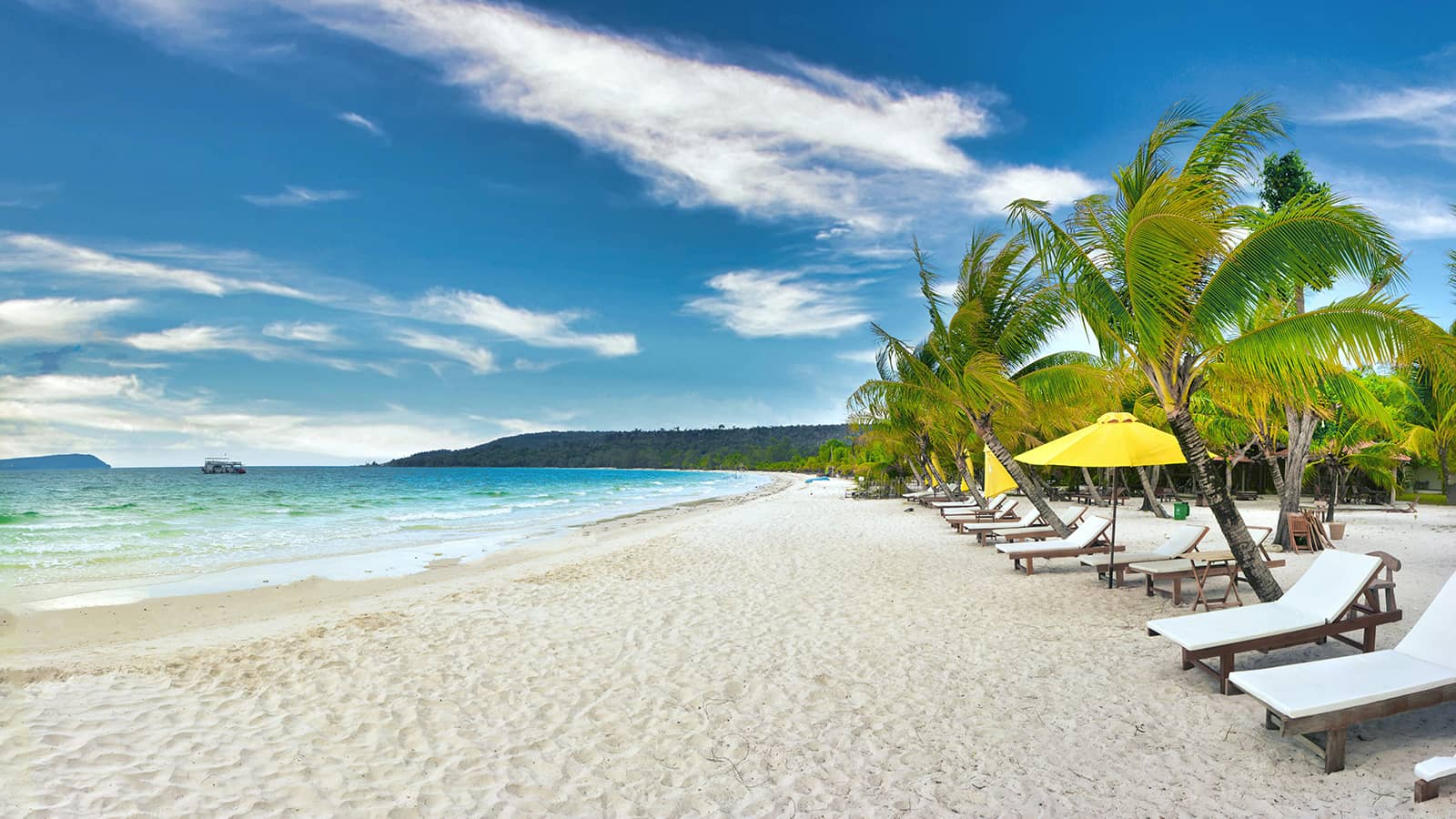
Klong Muang offers luxury without the isolation of Railay or the chaos of Ao Nang. This planned resort area features wide, clean beaches backed by upscale hotels and a handful of excellent restaurants.
The neighborhood stretches along seven kilometers of pristine coastline, with most development concentrated near the Sofitel and Sheraton properties. Beach conditions remain excellent year-round, with gentle waves perfect for swimming and minimal boat traffic.
Accommodation skews expensive, with beachfront resorts starting at 4,500 THB per night during low season. However, the area offers excellent value for families, with resort pools, kids’ clubs, and organized activities included in most packages.
Dining options outside hotels remain limited, though the Sunday night market at nearby Nopparat Thara provides authentic local food. The area works best for visitors seeking relaxation over exploration, with minimal nightlife beyond hotel bars.
Transportation requires private arrangements or rental vehicles. Tuk-tuks to Ao Nang cost 200 THB, while motorbike taxis charge 100 THB to reach the main road where songthaews pass.
Tub Kaek – Quiet Luxury Between Mangroves and Sea
Tub Kaek represents Krabi’s most exclusive neighborhood, where luxury resorts hide among coconut palms and mangrove channels. The area attracts honeymooners and affluent travelers seeking privacy and premium service.
The coastline here alternates between sandy beaches and rocky shores, with dramatic limestone formations rising directly from the sea. High-end resorts like the Tubkaak Boutique Resort offer private beach access and world-class spas, though expect to pay 8,000-15,000 THB per night.
Mangrove tours launch directly from resort piers, providing intimate wildlife viewing without the crowds of mainstream tour operators. Kayaking through the channels reveals hidden lagoons and limestone caves accessible only at specific tides.

The area’s isolation means dining options center around resort restaurants, which serve excellent Thai cuisine at premium prices. A typical dinner for two costs 2,500-4,000 THB, though the quality and setting justify the expense.
Transportation challenges mirror Klong Muang, with taxi transfers to Krabi Airport costing 1,500-2,000 THB. Most visitors arrange airport transfers through their resort to avoid complications.
Nopparat Thara – National Park Gateway and Local Beach Culture
Nopparat Thara combines national park protection with authentic local beach culture, where Thai families picnic under casuarina trees and vendors sell fresh coconuts from wooden carts. The beach forms part of Hat Noppharat Thara-Mu Ko Phi Phi National Park, ensuring development remains controlled.
The neighborhood splits into two distinct areas: the national park section with camping facilities and visitor centers, and the local village area with guesthouses, restaurants, and shops catering primarily to Thai tourists.
Accommodation costs significantly less than neighboring Ao Nang, with beachfront bungalows available for 1,200-2,500 THB. The trade-off is fewer international amenities and limited English signage, though this enhances the authentic experience.
The famous Fossil Shell Beach reveals ancient shell deposits during low tide, creating unique patterns in the sand and rock formations. Local guides offer fascinating insights into the area’s geological history for 500 THB per group.
Sunday evening markets transform the beach road into a food festival, where the aroma of grilled fish and coconut curry attracts families from across Krabi province. Prices remain refreshingly local, with full meals costing 150-250 THB.
Tiger Cave Temple Area – Spiritual Retreat in the Hills
The Tiger Cave Temple neighborhood sits in forested hills 9 kilometers from Krabi Town, where Buddhist meditation retreats operate among limestone caves and ancient trees. This area appeals to travelers seeking spiritual experiences and nature immersion.

The famous temple climb involves 1,237 steps to reach a golden Buddha statue overlooking Krabi province. Early morning ascents provide the best experience, when cool air carries the sound of chanting monks and mist clings to the valley below.
Several meditation centers welcome international visitors for short-term stays, offering basic accommodation for 300-500 THB per night in exchange for participating in daily practice. The experience includes vegetarian meals, silent periods, and instruction in Buddhist meditation techniques.
Natural hot springs near the temple provide a perfect end to challenging climbs, though facilities remain basic with minimal commercial development. Local vendors sell simple Thai dishes and fresh fruit juice.
The area requires transportation planning, as public transport ends at the temple entrance. Motorbike rentals (250 THB per day) offer the best flexibility for exploring surrounding caves, waterfalls, and hiking trails.
Frequently Asked Questions
Which Krabi neighborhood offers the best value for money?
Nopparat Thara provides excellent value with beachfront accommodation for 1,200-2,500 THB, authentic local culture, and easy access to national park facilities without tourist area price premiums.
Where should first-time visitors to Krabi stay?
Ao Nang works best for first visits, offering the widest selection of tours, restaurants, and accommodation options. The area provides easy access to major attractions while maintaining good infrastructure.
Can you stay in Railay without spending a fortune?
Yes, Railay East offers budget bungalows from 800-1,500 THB per night. While the beach isn’t swimmable at high tide, it’s just a 10-minute walk to beautiful Railay West beach.
Which area is best for families with young children?
Klong Muang offers the safest swimming conditions, family-friendly resorts with pools and kids’ clubs, and clean beaches with minimal boat traffic. Most resorts provide babysitting services and organized children’s activities.
How do you get around between different Krabi neighborhoods?
Songthaews connect most areas for 60-100 THB per trip, running every 30 minutes until 6 PM. Longtail boats reach Railay from Ao Nang (150 THB), while taxis and motorbike taxis handle shorter distances within neighborhoods.
Explore more
Unforgettable Things to Do in Krabi, Thailand
Top Things to Do in Krabi for an Unforgettable Trip
Krabi Itinerary: How to Spend 5 Days Exploring Islands, Beaches & Ao Nang
📷 Featured image by Yada Pongsirirushakun on Unsplash.