On this page
- What Kind of Island Is Koh Samui?
- Best Areas to Base Yourself
- Beaches and Natural Highlights
- Where and What to Eat
- Getting Around the Island
- Day Trips from Koh Samui
- Nightlife and After-Dark Options
- Shopping on Koh Samui
- Best Time to Visit Koh Samui
- Practical Tips for First-Timers
- 2026 Budget Breakdown
- Frequently Asked Questions
💰 Click here to see Thailand Budget Breakdown
💰 Prices updated: October, 2026. Budget figures are estimates — always verify before travel.
Exchange Rate: $1 USD = ฿33.60
Daily Budget (per person)
Shoestring: ฿900.00 – ฿1,800.00 ($26.79 – $53.57)
Mid-range: ฿2,150.00 – ฿4,000.00 ($63.99 – $119.05)
Comfortable: ฿6,000.00 – ฿12,000.00 ($178.57 – $357.14)
Accommodation (per night)
Hostel/guesthouse: ฿90.00 – ฿750.00 ($2.68 – $22.32)
Mid-range hotel: ฿1,400.00 – ฿3,500.00 ($41.67 – $104.17)
Food (per meal)
Budget meal: ฿70.00 ($2.08)
Mid-range meal: ฿250.00 ($7.44)
Upscale meal: ฿1,000.00 ($29.76)
Transport
Single metro/bus trip: ฿30.00 ($0.89)
Monthly transport pass: ฿1,155.00 ($34.38)
What Kind of Island Is Koh Samui?
In 2026, the biggest confusion first-time visitors have about Koh Samui is this: they expect Koh Phangan’s barefoot-backpacker vibe and arrive to find a fully developed resort Island with a department store, a Starbucks, and traffic jams on the ring road. That’s not a complaint — it’s just important to know what you’re walking into. Koh Samui is Thailand’s second-largest island and one of its most commercially mature destinations. It has excellent infrastructure, a wide range of accommodation, reliable healthcare at Bangkok Hospital Samui, and an international airport with direct flights from Bangkok, Singapore, and Kuala Lumpur. What it doesn’t have is that raw, untouched edge that some travelers chase.
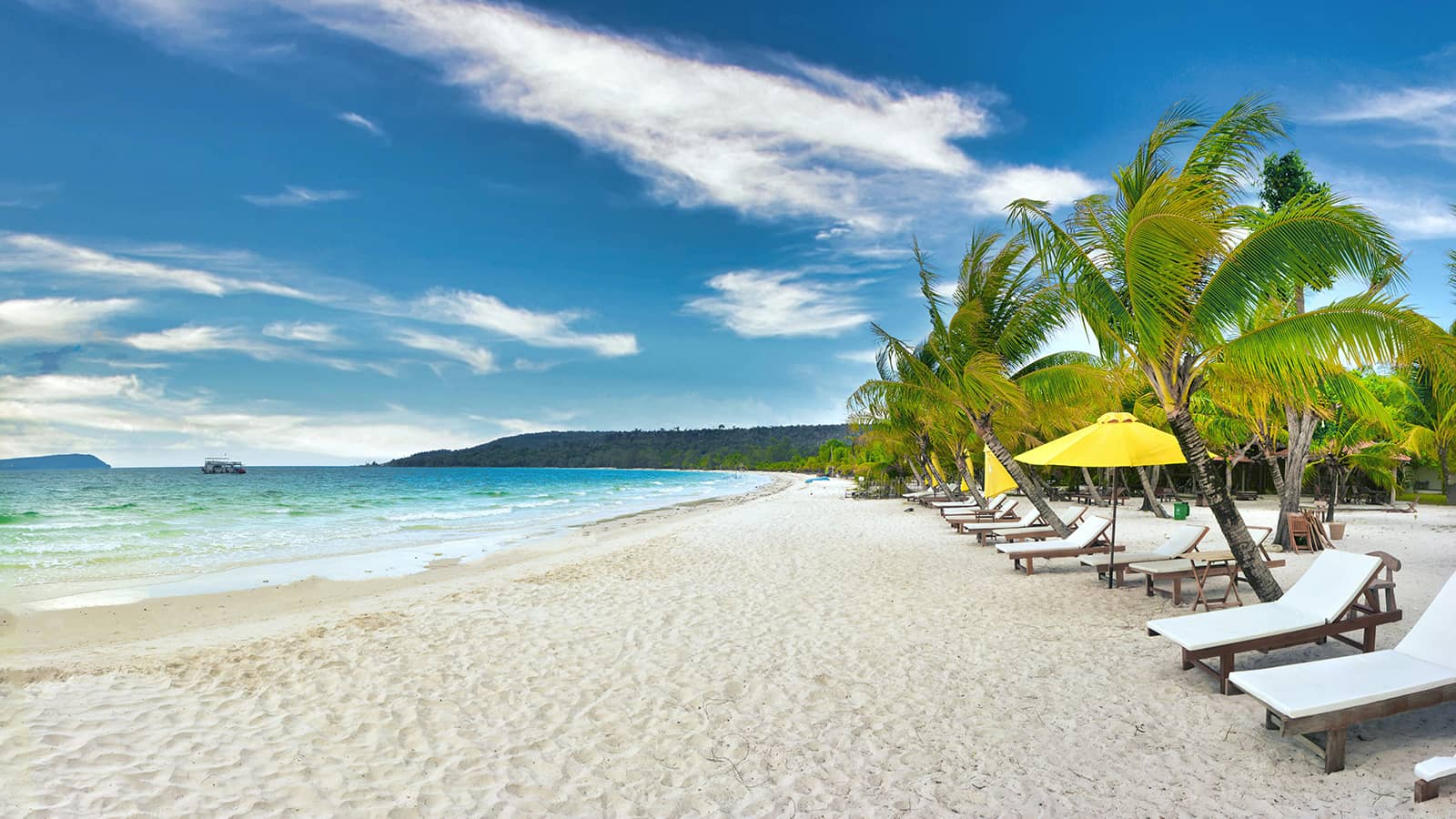
What Koh Samui does deliver — and does it extremely well — is a beautiful, functional island holiday. The coconut palms are real, the sea genuinely turns that electric turquoise on a clear day, the food scene has matured into something genuinely exciting, and the range of experiences across the island’s different coasts means that two travelers with completely different expectations can both leave satisfied. The island suits couples, families with young children, solo travelers who want comfort without isolation, and anyone who wants a proper beach holiday with good restaurants and cold beer at the end of the day.
Best Areas to Base Yourself
Koh Samui’s character changes dramatically depending on which coast you’re on. Choosing the wrong base for your travel style is the single biggest mistake first-timers make.
Chaweng
Chaweng is the island’s main hub and its longest beach — about 7 kilometres of white sand on the northeast coast. It has the most restaurants, the most shops, the most nightlife, and the most people. The beach here is genuinely beautiful, especially the northern and central sections away from the pier area. This is the right choice for travelers who want everything within walking distance, don’t mind noise, and plan to use the beach every day. The main road running parallel to the beach (Chaweng Beach Road) gets congested and loud after dark, so if you’re staying here, pick accommodation set back slightly from the strip or on the quieter beach road rather than the main drag.

Lamai
Lamai sits about 10 kilometres south of Chaweng and has a similar beach-and-bar setup but at roughly half the intensity. The beach is slightly narrower but less crowded, and the town centre has a small but busy night market. Lamai appeals to travelers who want nightlife access without Chaweng’s full-volume approach. Budget guesthouses here tend to offer better value than comparable properties in Chaweng.
Bophut and Fisherman’s Village
On the north coast, Bophut is the most atmospheric area on the island. The beach is calm and shallow — better for wading and watching sunsets than for swimming — and the main street through Fisherman’s Village is lined with converted Chinese shophouses turned into boutique hotels, wine bars, and decent restaurants. The famous Bophut Walking Street runs every Friday night and draws a genuinely local crowd alongside tourists. This area suits couples, repeat visitors to Samui, and anyone who prioritizes food and ambience over beach hours.
Mae Nam
Mae Nam is the north coast’s longer, quieter beach. It’s popular with long-stay visitors, expats, and families because the water is calm, accommodation is cheaper than Chaweng, and it feels genuinely unhurried. The beach itself is underdeveloped compared to the east coast — fewer sunbeds, more shade trees. From Mae Nam pier, ferries to Koh Phangan and Koh Tao depart regularly, making it a practical base if you’re doing day trips or island-hopping.

Lipa Noi and the West Coast
The west coast gets the best sunsets on the island, full stop. Lipa Noi and the surrounding area are quiet, spread out, and home to some of Samui’s most upscale private pool villas. There’s very little within walking distance — you’ll need a scooter or regular Grab rides — but the tradeoff is genuine peace and some of the most dramatic evening skies you’ll see anywhere in Thailand.
Beaches and Natural Highlights
Chaweng Beach is the postcard image most people arrive with, and in the early morning — before the sunbeds fill and the jet skis start — it earns that reputation. The water catches the light in layers of green and blue, and the sound of small waves on white sand feels almost absurdly idyllic. But Samui’s natural appeal extends well beyond the main beach.
Na Muang Waterfalls sit in the island’s forested interior, about 12 kilometres south of Chaweng. Na Muang 1 is the more accessible of the two — a wide, purple-tinged cascade (the colour comes from the rock) dropping into a natural pool where swimming is possible in the wet season. Na Muang 2 requires a 30-minute walk uphill through thick jungle and is significantly less visited. The trail is uneven and steep in places, but the reward is a taller, more dramatic fall with far fewer people around.
Hin Ta and Hin Yai Rocks near Lamai are a quirky stop — famous for their resemblance to male and female anatomy, they’re the kind of sight that every Thai family visiting the island considers essential. The rocks themselves sit on a small headland with good ocean views, and the surrounding area has a cluster of seafood restaurants worth stopping at for lunch.

Khao Hua Jook Viewpoint (commonly known as the 360-degree viewpoint) is a hilltop lookout in central Samui that gives a sweeping view across the northeast coast on a clear day. The road up is narrow and steep — better by scooter or taxi than by car — and the viewpoint is at its best in the soft light of late afternoon.
Where and What to Eat
Koh Samui’s food scene in 2026 is significantly stronger than it was even three years ago, driven partly by a wave of local Thai operators upgrading their offer and partly by an influx of expat-run restaurants bringing quality ingredients and technique to the island.
Bophut Walking Street (every Friday evening, from around 17:00 to 22:00) is the single best food experience on the island for casual eating. The street fills with vendors selling grilled pork skewers, fresh-rolled spring rolls, pad thai cooked in individual wok portions, and coconut-based desserts served in small cups. The smell of charcoal smoke drifting down the old shophouse lane on a warm evening is one of those specific sensory memories that Samui visitors carry home.
Lamai Night Market runs nightly from around 18:00 near the Lamai roundabout. It’s smaller and more local-feeling than Bophut, with excellent grilled seafood stalls and a cluster of Thai noodle soup vendors that fill up with islanders after 20:00. A full meal here for two people rarely costs more than 300–400 THB.
Chaweng Lake Area, just behind the main beach road, has a string of open-air Thai restaurants that serve better food at lower prices than the beachfront spots. Look for anything with plastic stools and a handwritten menu board — that’s generally the right direction.

For sit-down seafood, the stretch of restaurants along Bang Rak Beach (near the Big Buddha) offers fresh grilled fish and shellfish priced by weight. Point at what’s displayed on ice at the front of the restaurant, agree on a price, and specify how you want it cooked. A whole grilled barramundi with a plate of morning glory stir-fry and two bowls of rice runs around 600–800 THB for two people.
The food court at Central Festival Samui (Chaweng) is underrated for a quick, air-conditioned meal. The Thai stalls on the upper floor serve proper regional dishes — including a very good khao man gai — at 60–100 THB per plate.
Getting Around the Island
Transport is Samui’s most persistent frustration for visitors, and in 2026 it’s improved but still imperfect. Here’s the honest breakdown:
- Grab: Now the most reliable option for point-to-point travel across the island. Prices are fixed within the app, and the availability of drivers has improved significantly in 2025–2026 following a local driver registration push. Expect to pay 150–400 THB for most cross-island trips.
- Songthaews (shared pickup trucks): The traditional local transport, these blue trucks run along the ring road and cost 50–100 THB per person for most journeys. They don’t run to a fixed schedule — flag one down on the main road when you see one. Useful for short hops between Chaweng and Lamai or Chaweng and Bophut, but not for reaching the interior or the west coast easily.
- Scooter rental: Widely available at 200–350 THB per day. If you’re a confident rider, this is the most freeing way to explore the island. If you’ve never ridden one, Samui’s ring road — which combines heavy traffic, blind bends, steep hills, and aggressive minivan drivers — is not the place to learn. Hospital admissions from scooter accidents remain high in 2026.
- Taxis: Metered taxis don’t exist island-wide. Private taxis are available through hotels and guesthouses but command a premium. Always negotiate before boarding, or use Grab instead.
- Ferry connections: From Mae Nam and Nathon piers, ferries connect Samui to Koh Phangan (30–45 minutes) and Koh Tao (2 hours). The Raja Ferry and Seatran Discovery are the main operators. Booking through the Lomprayah or Seatran websites in advance is recommended during peak season (December–January and July–August).

Day Trips from Koh Samui
Ang Thong Marine National Park
This is the single best day trip from Samui and one of the most spectacular natural experiences in the Gulf of Thailand. The park is an archipelago of 42 uninhabited limestone islands about 30 kilometres northwest of Samui, with emerald lagoons, dramatic cliffs, and almost no development. Day trips depart from Bophut or Mae Nam pier from around 08:00 and return by 17:00. The standard tour includes snorkelling, a hike to a viewpoint (the view looking down over the landlocked lake on Ko Mae Koh is genuinely breathtaking), and kayaking through sea caves. Cost: 1,200–1,800 THB per person including the park entry fee of 300 THB. Book through your accommodation or at the pier — no need for third-party booking platforms.
Koh Phangan
Most famous for its Full Moon Party, but Koh Phangan beyond Haad Rin is a legitimately beautiful island with excellent diving, quieter beaches than Samui, and a relaxed daily life. As a day trip (45 minutes by high-speed ferry), it’s an easy add-on — spend the day at Haad Yao or Haad Salad beach on the west coast, have lunch in Thong Sala town, and return by early evening. Ferry: 350–450 THB each way.
Koh Tao
Thailand’s most famous diving island sits about 70 kilometres north of Samui — roughly 2 hours by high-speed ferry (550–750 THB each way). As a day trip it’s possible but leaves limited time on the island, so most people spend at least one night. If you’re doing an open-water dive course, Koh Tao remains one of the cheapest and most well-organized places in Southeast Asia to complete it (around 10,000–12,000 THB for the full PADI course in 2026).
Samui’s Interior by Scooter
The inland roads connecting Na Muang Waterfall, the viewpoint hill, and the coconut plantation farms in the south are best explored on two wheels on a slow, exploratory half-day. This isn’t an organized tour — it’s just riding into the island’s quieter centre, where coconut palms crowd the road and local villages feel genuinely removed from the beach-resort world of the coast.
Nightlife and After-Dark Options
Chaweng’s main strip is the engine room of Samui’s nightlife. After 22:00, the stretch of bars between the north and central sections of Chaweng Beach Road comes fully alive — open-air bars with live cover bands playing everything from Thai pop to 90s rock, clubs with international DJs on weekends, and the kind of chaotic, neon-lit atmosphere that genuinely suits certain types of travelers and genuinely doesn’t suit others. Green Mango and Ark Bar remain among the most recognizable names on the strip in 2026, both with outdoor beach areas and consistent late-night crowds.
For something more refined, the beach clubs on the northern end of Chaweng and around Bophut offer daytime-to-evening experiences with proper cocktail lists and sunset sessions. Nikki Beach Samui on the northern tip of the island is the most internationally known, with Sunday pool parties that attract a well-heeled crowd. Minimum spend policies apply (typically 1,500–2,500 THB per person for prime lounger spots).
Lamai’s nightlife is smaller and less intense — a few busy sports bars, a live music venue or two, and a shorter strip that winds down earlier than Chaweng. Bophut is largely quiet after 22:00 outside the Friday Walking Street, which makes it ideal if you want a sundowner rather than a late night.
For live local music in a genuinely Thai setting, the small bars behind Lamai beach and around the Chaweng lake area occasionally host Thai folk and luk thung performers — ask at your guesthouse or look for handwritten event boards on the day.
Shopping on Koh Samui
Central Festival Samui in Chaweng is the island’s main shopping centre — four floors with international and Thai fashion brands, a supermarket, a food court, a cinema, and a pharmacy. It’s air-conditioned and open daily until 22:00. For anything you’ve forgotten from home or need in quantity (sunscreen, snacks, toiletries), this is the most efficient stop.
The Fisherman’s Village market in Bophut (Friday nights) doubles as a shopping event — beyond the food, vendors sell handmade jewelry, embroidered clothing, wooden crafts, and locally produced coconut products including coconut oil and coconut sugar, which make good packable gifts.
Along Chaweng Beach Road, the strip of independent shops selling clothing, swimwear, and accessories is dense but inconsistent in quality. The better independent boutiques are concentrated in the central Chaweng section and around the Chaweng Lake area. Bargaining is acceptable at market stalls but not in fixed-price shops.
For Thai handicrafts and textiles, the shops around the Big Buddha temple (Wat Phra Yai) at Bang Rak offer the usual range of Buddha figurines, silk scarves, sarongs, and incense. Quality varies — look for items with clear provenance labeling and avoid mass-produced lacquerware that’s priced at tourist rates without the corresponding quality.
Best Time to Visit Koh Samui
Koh Samui sits on the Gulf of Thailand’s eastern coast, which means its weather pattern runs opposite to most of mainland Thailand and the Andaman Sea islands like Phuket and Krabi. This trips up a lot of first-time visitors who assume that “Thailand’s dry season” applies uniformly.
Best months: January to April, and July to September. January and February are the driest and clearest months, with low humidity, calm seas, and excellent beach conditions. March and April add heat but remain largely dry. July to September is warm and sunny on Samui’s east coast while much of southern Thailand is in the thick of its wet season.
Avoid: October to December if beach conditions are your priority. Samui’s northeast monsoon hits hardest from October through to late November, with heavy rain, rough seas, and occasional flooding. December sees the weather improve but remains unpredictable — some years the holiday season is beautiful, other years it’s grey and wet into Christmas week.
Festivals worth timing around: The Samui Regatta (usually May) brings an international sailing crowd to the island for a week of racing and parties. The Full Moon Party on neighboring Koh Phangan happens monthly and is easily combined with a Samui stay — check the date before booking your trip if that’s on your list.
Practical Tips for First-Timers
- Entry requirements in 2026: Most Western and Southeast Asian passport holders receive a 60-day visa exemption on arrival, extendable by 30 days at the local immigration office in Nathon. Check the Thai Immigration Bureau website before travel — rules have shifted several times since 2023 and may adjust again.
- SIM cards: Available at the airport on arrival. AIS and DTAC (now operating under the True Move H merger completed in 2024) both offer tourist SIMs with 15–30 days of data for 300–500 THB. Coverage on Samui is good across the main coastal roads and beaches but drops out in parts of the interior.
- Water: Don’t drink tap water. Filtered water dispensers that fill a 1-litre bottle for 1 THB are found at convenience stores (7-Eleven and Family Mart) and at dispenser stations along main roads. Carry a refillable bottle.
- Safety: Samui is generally safe by Southeast Asian standards. The main risks are road accidents (particularly scooters), jellyfish in the water from September to November, and the usual tourist-area petty theft. Passport and valuables should be secured in your room safe — don’t leave anything visible in a rental scooter’s storage.
- Tipping: Not mandatory but appreciated. In restaurants, rounding up the bill or leaving 20–50 THB is standard. Massage therapists generally receive a 50–100 THB tip for an hour session.
- Dress code at temples: Shoulders and knees must be covered. The Big Buddha temple at Bang Rak provides sarongs for tourists who arrive underdressed, but bringing a light scarf in your bag avoids the fuss.
- Siesta hours: Many smaller local shops and restaurants close between 14:00 and 17:00, particularly outside peak tourist season. Plan meals and errands around this.
2026 Budget Breakdown
Prices on Koh Samui sit noticeably above the Thai mainland average. The island has been aware of its premium positioning for years, and costs have continued to rise steadily since 2023. Here’s a realistic daily budget breakdown for 2026:
Budget Traveler — 1,500–2,200 THB per day
- Accommodation: Fan or budget air-con guesthouse in Lamai or Mae Nam — 500–800 THB per night
- Food: Night market meals and convenience store breakfasts — 300–500 THB per day
- Transport: Songthaews and occasional Grab trips — 200–300 THB per day
- Activities: Free beach time, temple visits, waterfall hikes — minimal daily cost
Mid-Range Traveler — 3,500–6,000 THB per day
- Accommodation: 3-star hotel or boutique guesthouse with pool in Chaweng or Bophut — 1,500–2,500 THB per night
- Food: Mix of local restaurants and mid-range dining — 700–1,200 THB per day
- Transport: Regular Grab use, one scooter rental day — 400–600 THB per day
- Activities: One organized day trip per two days of stay — averages out to 600–900 THB per day
Comfortable/Luxury Traveler — 10,000 THB and above per day
- Accommodation: 4–5 star resort or private pool villa — 4,000–15,000+ THB per night
- Food: Resort dining, quality seafood restaurants, beach clubs — 2,000–4,000 THB per day
- Transport: Private transfers and hired driver — 1,500–3,000 THB per day
- Activities: Private boat charters, spa days, sunset cruises — 2,000–5,000 THB per activity
Note that the 2024 introduction of Thailand’s income-based tourist tax discussion (still being reviewed in 2026 for potential implementation) may add a nominal departure fee at some point — check for updates before travel as this policy has not been formally enacted as of mid-2026.
Frequently Asked Questions
How many days do you need in Koh Samui?
Most first-timers feel satisfied after 5 to 7 days. Three days is enough to cover the main beaches and a day trip, but a week allows you to explore different coasts, do Ang Thong Marine Park, and actually settle into a slower rhythm. If you’re combining Samui with Koh Phangan or Koh Tao, add 2–3 days per island.
Is Koh Samui good for families with young children?
Yes — it’s actually one of Thailand’s better family islands. Mae Nam and the northern beaches have calm, shallow water safe for young children. Bangkok Hospital Samui provides reliable medical care. Many mid-range and upmarket resorts have dedicated kids’ pools and activities. The main drawback for families is the busy ring road, so staying somewhere with beach access rather than roadside is important.
Is Koh Samui safe for solo female travelers?
Generally yes. The island is well-touristed and has a visible expat and female solo traveler presence year-round. Standard precautions apply: avoid walking alone on unlit beach paths at night, use Grab rather than negotiating with unknown tuk-tuk drivers after dark, and trust your instincts in bars. Bophut and Mae Nam are considered the calmest areas for solo travelers who want a low-pressure environment.
What’s the difference between Koh Samui and Koh Phangan?
Koh Samui is more developed, more expensive, and better suited to travelers who want resort-style comfort, good infrastructure, and reliable services. Koh Phangan is rawer, cheaper, and has a stronger backpacker and wellness-retreat culture. Koh Phangan is famous for the Full Moon Party, but outside Haad Rin it’s considerably quieter than Samui. Many visitors base themselves on Samui and visit Phangan as a day trip or short overnight.
Can you fly directly to Koh Samui from Bangkok?
Yes. Bangkok Airways operates multiple daily flights between Bangkok Suvarnabhumi and Samui Airport (USM), with flight times of approximately 1 hour 15 minutes. Fares range from around 2,500 THB to 7,000 THB one way depending on how far in advance you book. Bangkok Airways holds a monopoly on this route, which keeps prices higher than comparable Thai domestic flights — booking 6–8 weeks ahead typically gets the best rates. Alternatively, a combination of flight to Surat Thani plus ferry is cheaper but adds 3–4 hours total travel time.
Explore more
Best Time to Visit Koh Samui: Weather, Events & Ideal Seasons
How to Get to Koh Samui: Flights, Ferries & Island Transfers
Where to Stay in Koh Samui: Best Areas & Hotels for Every Budget
Top Things to Do in Koh Samui: Beaches, Temples & Adventure Activities
Discover Koh Samui’s Best Beaches: From Chaweng to Lamai & Beyond
Koh Samui on a Budget: Affordable Travel Tips & Tricks
Luxury Koh Samui: Indulge in the Island’s Finest Resorts & Experiences
Koh Samui with Kids: Family-Friendly Activities & Resorts
Romantic Koh Samui: Perfect Getaways for Couples & Honeymooners
Where to Eat in Koh Samui: Best Restaurants & Must-Try Local Delights
📷 Featured image by Miltiadis Fragkidis on Unsplash.