On this page
- Bangkok’s Chinatown Food Scene in 2026
- The Street Food Classics You Cannot Leave Without Trying
- Where to Eat: Key Spots Along Yaowarat Road and Its Sois
- The Night Market Scene After Dark
- Sweet Endings: Desserts and Late-Night Treats
- 2026 Budget Reality: What to Spend
- Getting to Yaowarat in 2026
- Frequently Asked Questions
💰 Click here to see Thailand Budget Breakdown
💰 Prices updated: October, 2026. Budget figures are estimates — always verify before travel.
Exchange Rate: $1 USD = ฿33.60
Daily Budget (per person)
Shoestring: ฿900.00 – ฿1,800.00 ($26.79 – $53.57)
Mid-range: ฿2,150.00 – ฿4,000.00 ($63.99 – $119.05)
Comfortable: ฿6,000.00 – ฿12,000.00 ($178.57 – $357.14)
Accommodation (per night)
Hostel/guesthouse: ฿90.00 – ฿750.00 ($2.68 – $22.32)
Mid-range hotel: ฿1,400.00 – ฿3,500.00 ($41.67 – $104.17)
Food (per meal)
Budget meal: ฿70.00 ($2.08)
Mid-range meal: ฿250.00 ($7.44)
Upscale meal: ฿1,000.00 ($29.76)
Transport
Single metro/bus trip: ฿30.00 ($0.89)
Monthly transport pass: ฿1,155.00 ($34.38)
Bangkok’s Chinatown Food Scene in 2026
Yaowarat gets more crowded every year, and in 2026 that pressure is real. The opening of the MRT Blue Line extension has made Chinatown far easier to reach from central Bangkok, which means the famous stretch of Yaowarat Road fills up faster than ever by 7 PM. If you show up without a plan, you’ll spend half your evening circling the same block, unsure where to eat and watching other people enjoy exactly what you came for. This guide cuts through that confusion with specific streets, specific dishes, and the kind of practical detail that actually gets you fed.
The Street Food Classics You Cannot Leave Without Trying
Yaowarat has a short list of dishes so tied to this neighbourhood that eating them anywhere else feels like a compromise. These are not tourist inventions — they are what locals from Thonburi and Lat Phrao come here specifically to eat on weekends.
Pad Thai and Kuay Teow Rua
Boat noodles — kuay teow rua — are the dark, intensely savoury noodle soup that defined riverside Bangkok for generations. The broth is slow-cooked with pork blood, cinnamon, and star anise until it develops a deep, almost medicinal richness that coats the back of your throat in the best possible way. You’ll find proper versions in the sois branching off Yaowarat Road, served in small bowls so you order three or four at a time. Pad thai here has more wok-smoke than the tourist-district versions — that sharp, charred edge from high heat is the difference you taste immediately.
Roast Duck and Crispy Pork
Chinese-Thai roast duck shops hang their birds in the window as both advertisement and quality signal. The skin should be taut and lacquered, the meat underneath still faintly pink near the bone. Slice it over rice with a pool of dark sauce and a side of pickled ginger. Crispy pork — moo krob — is equally serious business here, with skin that shatters audibly and fat that has rendered down to something almost sweet.
Fresh Seafood Cooked to Order
Several shophouses along Yaowarat Road operate as open-air seafood restaurants where live shellfish sit in tanks at the front. Grilled river prawns the length of your forearm, stir-fried crab with yellow curry powder, and steamed fish with lime and garlic are all on offer. The smoke from charcoal grills drifts across the footpath and mingles with the smell of garlic hitting a wok — walk toward it and you have found the right place.

Where to Eat: Key Spots Along Yaowarat Road and Its Sois
The main road handles the famous names, but the sois running perpendicular are where locals eat and prices stay reasonable.
Yaowarat Road Main Strip
Between the Odeon Circle arch at the western end and the junction near Charoen Krung Road to the east, this 800-metre stretch is the spine of the whole operation. T&K Seafood at the Soi Texas intersection has operated here for decades and remains one of the most reliable places for grilled seafood without significant compromise on quality. Expect queues after 7 PM. Nai Ek Roll Noodles, a few minutes’ walk east, does pork roll noodles in a lighter broth — a good option when you want something less heavy between bigger courses.
Soi Texas and Soi 11
Soi Texas — technically Soi Phadung Dao — is a narrow lane that transforms into a seafood corridor each evening. Tables spill out across the full width of the street, and competing restaurants press menus into your hands as you walk through. The chaos is part of it. Soi 11, slightly further east, is quieter and better for shophouse Chinese restaurants serving clay pot dishes, braised trotters, and steamed fish in soy.
The Area Around Talat Noi
Walk south from the main Yaowarat strip toward the river and you enter Talat Noi, a quieter precinct with old Chinese clan houses and coffee shops that have not changed their interiors since the 1970s. This is where you find traditional Chinese-Thai breakfast — jok (rice porridge) with century egg and minced pork, or pa tong go (fried dough sticks) dipped into warm soy milk. The pace is different here. Worth the ten-minute walk from the main strip, especially if you want to eat without the evening crowd.
The Night Market Scene After Dark
After 9 PM, Yaowarat shifts register. The sit-down restaurants stay busy but the street food carts and pop-up vendors fully take over the pavement. This is when the neighbourhood earns its reputation as one of Asia’s great late-night eating destinations.

The fresh mango sticky rice carts appear around 8 PM and run until they sell out — usually by 11 PM on weekends. Look for the vendors using freshly steamed rice rather than rice that has been sitting, which you can tell by whether steam is still rising from the pot. Grilled corn slathered in salted butter and sugar is everywhere and costs almost nothing. Skewered pork, chicken feet, and fish balls on sticks are the snacking currency of the evening crowd.
One section of Yaowarat Road is partially closed to through traffic after 6 PM on weekends under the 2024 pedestrianisation trial that became permanent policy in mid-2025. This makes the central stretch genuinely walkable and removes the exhaust fumes that used to make extended evening visits unpleasant. It also means more surface area for vendors, which has brought in a newer generation of Thai-Chinese dessert stalls alongside the established operators.
Sweet Endings: Desserts and Late-Night Treats
Yaowarat’s dessert culture is its own chapter. The neighbourhood’s Chinese heritage shows up clearly here — many of the sweets are less aggressively sugary than central Thai desserts and built around textures: chewy, silky, soft, and crunchy in the same bowl.
Tang Yuan and Tong Yord
Tang yuan — glutinous rice balls filled with black sesame paste, served in warm ginger syrup — are the definitive Chinatown dessert. The black sesame filling is ground smooth and slightly bitter, which balances the sweetness of the syrup in a way that makes it hard to stop at one bowl. Several dedicated dessert shops near the Odeon Circle have been serving these for three generations.
Bua Loi and Tao Huay
Tao huay is silken tofu served warm or cold, with a thin sugar syrup and sometimes ginger. The texture is barely set — it trembles in the bowl — and the flavour is clean and subtle. It is the right dessert to end a heavy meal of roast duck and seafood. Bua loi are small glutinous rice flour dumplings in coconut milk, coloured naturally with pandan or taro, and available from most dessert vendors along the main strip.
2026 Budget Reality: What to Spend
Yaowarat is not as cheap as it was five years ago, but it remains excellent value compared to tourist-facing restaurants in Sukhumvit or Silom. Here is what realistic spending looks like in 2026.
- Budget (street food only): THB 150–300 per person for a full evening — boat noodles at THB 40–60 per bowl, grilled skewers at THB 20–40 each, mango sticky rice at THB 80–120, and dessert at THB 50–80.
- Mid-range (mix of street food and a sit-down seafood meal): THB 400–700 per person. A shared seafood spread at T&K or a similar restaurant, with two or three dishes plus rice, typically costs THB 300–500 for two people before drinks.
- Comfortable (full seafood dinner with shellfish and premium cuts): THB 800–1,500 per person. Ordering whole crab, large grilled prawns, and multiple cooked dishes at a tablecloth restaurant in one of the shophouses pushes costs up but remains far below equivalent quality in most other cities.
Beer is widely available at restaurants for THB 80–120 per bottle. Street-side fresh coconuts run THB 40–60. Fresh-squeezed orange juice from carts costs THB 35–50 and is worth every baht after a spicy dish.
Getting to Yaowarat in 2026
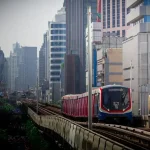
From Asok BTS station, transfer to the MRT at Sukhumvit station and ride to Wat Mangkon in under 20 minutes. Total fare from central Sukhumvit is around THB 35–42.
Grab remains reliable for door-to-door pickup, but traffic on Yaowarat Road itself backs up severely from 6 PM onward. If you take a Grab, set your dropoff point to a cross-street one block away from the main road and walk in. Taxis are available but drivers will often request a flat rate rather than use the meter in this area after dark — around THB 120–180 from Silom is typical and reasonable.
The Chao Phraya Express Boat is an underused option that drops you at Ratchawong Pier, a five-minute walk from the western end of Yaowarat Road. If you are coming from the riverside hotel district or from Tha Tien near Wat Pho, this is both scenic and genuinely faster than road traffic in the evening.
Frequently Asked Questions
What time should I arrive at Yaowarat for the best experience?
Arrive between 6 PM and 6:30 PM to secure seating at seafood restaurants before the main rush. Street food vendors are fully set up by 7 PM. The energy peaks between 8 PM and 10 PM. On weekends, arriving after 7:30 PM means you will wait for any sit-down table at the popular spots.
Is Yaowarat suitable for vegetarians?
It requires navigation but it is manageable. During the annual Vegetarian Festival in October, the entire neighbourhood goes plant-based and marks stalls with yellow flags. Outside that period, look for tofu-based dishes, vegetable stir-fries, and tao huay dessert. Chinese-Thai cuisine does use oyster sauce heavily, so always confirm if that matters for you.
Can I eat well at Yaowarat on a tight budget?
Absolutely. Sticking to street carts and market stalls rather than the sit-down seafood restaurants, you can eat a full and satisfying evening — multiple small dishes, snacks, and dessert — for THB 200 or less per person. The boat noodle stalls in the side sois are particularly good value for the quality.
Is Yaowarat Road pedestrianised in 2026?
A central section of Yaowarat Road is closed to through traffic from approximately 6 PM on Friday, Saturday, and Sunday evenings, following the permanent adoption of the trial pedestrianisation scheme introduced in 2024. The road remains open to vehicles on weekdays and outside those hours. Check local updates as enforcement can be inconsistent.
What is the one dish I absolutely must try in Yaowarat?
If you can only eat one thing, make it the grilled river prawns at a Soi Texas seafood restaurant — split and charcoal-grilled with a light marinade, served with seafood sauce. They represent the Thai-Chinese cooking fusion that defines Yaowarat better than any other single dish and are difficult to replicate well elsewhere in Bangkok.
Explore more
Khao San Road Beyond the Party: A Backpacker’s Guide to Old Bangkok
25 Essential Things to Do in Bangkok for First-Time Visitors
Where to Eat in Bangkok: 20 Must-Try Restaurants & Local Gems
📷 Featured image by Polina Kuzovkova on Unsplash.