On this page
- Eating Well in Koh Samui Takes a Little Insider Knowledge
- Street Food Stalls and Local Markets Where Locals Actually Eat
- Seafood Restaurants Worth the Splurge
- Thai Restaurants by Area: Where to Eat Across the Island
- International and Fusion Dining: What’s Genuinely Worth It
- Vegetarian and Vegan Eating in Koh Samui
- Night Markets and Food Courts for Evening Eating
- Breakfast and Café Culture: Morning Eating on Samui
- 2026 Budget Breakdown: What Meals Cost on Koh Samui
- Practical Tips for Eating Well on Koh Samui
- Frequently Asked Questions
💰 Click here to see Thailand Budget Breakdown
💰 Prices updated: October, 2026. Budget figures are estimates — always verify before travel.
Exchange Rate: $1 USD = ฿33.60
Daily Budget (per person)
Shoestring: ฿900.00 – ฿1,800.00 ($26.79 – $53.57)
Mid-range: ฿2,150.00 – ฿4,000.00 ($63.99 – $119.05)
Comfortable: ฿6,000.00 – ฿12,000.00 ($178.57 – $357.14)
Accommodation (per night)
Hostel/guesthouse: ฿90.00 – ฿750.00 ($2.68 – $22.32)
Mid-range hotel: ฿1,400.00 – ฿3,500.00 ($41.67 – $104.17)
Food (per meal)
Budget meal: ฿70.00 ($2.08)
Mid-range meal: ฿250.00 ($7.44)
Upscale meal: ฿1,000.00 ($29.76)
Transport
Single metro/bus trip: ฿30.00 ($0.89)
Monthly transport pass: ฿1,155.00 ($34.38)
Eating Well in Koh Samui Takes a Little Insider Knowledge
Koh Samui has a reputation problem when it comes to food. The island pulls in millions of visitors a year, and a significant chunk of its restaurant scene has quietly optimised for tourist turnover — overpriced pad thai on Chaweng Beach Road, seafood priced by the kilogram with aggressive touts outside, and “local” restaurants that haven’t changed their menus or their cooking oil in a decade. In 2026, with the island’s tourist numbers back above pre-pandemic levels and a wave of new digital nomads settling in around Bo Phut and Mae Nam, the dining scene has genuinely expanded. There are excellent places to eat across every budget. But you do need to know where to look — because the worst and the best are sometimes sitting side by side on the same street.
Street Food Stalls and Local Markets Where Locals Actually Eat
The cheapest and most authentic eating on Koh Samui happens at its fresh markets and roadside stalls — places that most tourists drive past on the way to a restaurant with an English-language sign. These are not hidden or hard to find. They just require stepping away from the beach roads.
Nathon Market on the island’s west coast is the most underrated food stop on Samui. This is where locals shop and eat. The covered wet market runs every morning until around noon, and the food stalls around its edges serve kanom jeen (rice noodles with curry sauce), khao man gai (poached chicken on rice), and thick coconut-based curries from steel trays. A full plate with a drink sits at 50–80 THB. The fish cakes here — griddled to order and eaten with a sweet chili dip — are genuinely excellent, the outside charred and slightly smoky, the inside springy and fragrant with kaffir lime.
Mae Nam Market operates daily and draws a mixed crowd of locals, expats, and the nomad crowd now based in the north of the island. The stalls here lean toward southern Thai food — fiery, sour, and deeply aromatic. Look for the stall selling khao yam, a southern Thai rice salad with toasted coconut, dried shrimp, lemongrass, and a pungent fish sauce dressing. It’s not a dish you’ll find easily in tourist-facing restaurants.

Lamai Night Bazaar (not to be confused with the Lamai Walking Street) has a cluster of daytime food stalls near the fresh market that are open from early morning through the late afternoon. Pad krapow (stir-fried minced meat with holy basil) on rice, 60 THB. Bowl of boat noodles, 45 THB. Mango sticky rice from the woman with the folding table at the market entrance, 60 THB — possibly the best version on the island.
Seafood Restaurants Worth the Splurge
Koh Samui is an island. Eating seafood here should be a highlight, but the tourist-facing seafood trap is real — tanks of fish and lobster out front, staff who flag you in off the street, and a bill that arrives with items you didn’t quite order. The spots worth visiting do things differently.
The Fisherman’s Village area in Bo Phut has the most concentrated stretch of decent seafood restaurants on the island. The Shack Bar & Grill is a consistent performer — Australian-run, relaxed, and known for its grilled barramundi and seafood platters. Prices are mid-range by Samui standards. Further along the beach road, smaller Thai-owned restaurants like Krua Ban Nok serve whole grilled fish, steamed sea bass with lime and chili, and stir-fried clams with roasted chili paste at prices that are fair rather than exploitative — whole fish from around 350–550 THB depending on weight and species.
Bang Po Seafood, on the far northwest of the island near Bang Po beach, is a long-standing local favourite that tourists rarely reach. It’s casual, shaded, right on the water, and the menu is built around whatever came in that morning. The pla kapong neung manao — whole steamed sea bass doused in a flooding pool of lime juice, fish sauce, and chili — is a dish that makes the drive worthwhile. Arrive by noon if you want to eat before the best fish sells out.
Thai Restaurants by Area: Where to Eat Across the Island
Chaweng
Chaweng’s main beach road is largely a tourist food desert, but a few streets back, the picture changes. Mojo Pizza isn’t Thai, but in a beach town this size it’s become a local institution. For Thai food in Chaweng, head to the inland streets parallel to the main road. Tarua Samui serves proper southern Thai curries — kaeng tai pla (fermented fish kidney curry), massaman, and a house green curry with local vegetables — in a simple open-air setting at prices that remain refreshingly local: mains around 120–180 THB.

Lamai
Lamai has a tighter, more manageable dining scene than Chaweng. Samui Aquarium Road heading inland has a handful of genuinely good Thai kitchens. Pad Thai Rock n Roll near the Lamai beachfront sounds like a tourist gimmick but is actually run by a Thai family and serves some of the better pad thai on the island — wok-fried over high heat, properly smoky, with dried shrimp and a clean tamarind flavour. Queue early; it closes when the food runs out.
Fisherman’s Village (Bo Phut)
Bo Phut’s walking street has evolved significantly by 2026. It’s not cheap, but quality is generally higher than Chaweng. Starfish & Coffee does good breakfasts and all-day dining. For Thai food in the area, the small lane market stalls set up in the evening near the 7-Eleven end of the strip offer grilled satay, papaya salad, and sticky rice at local prices, which is a welcome contrast to the restaurant tables lining the beachfront.
Nathon
The island’s administrative capital is barely on most tourists’ radar, which is exactly why it’s worth a meal stop. The streets behind the ferry pier have a dense cluster of no-frills Thai restaurants catering to the local working population. Two or three dishes with rice and a cold drink: 120–150 THB total.
International and Fusion Dining: What’s Genuinely Worth It
Koh Samui has a substantial expat community and a growing long-stay visitor base, which means international dining has matured beyond the usual pizza-and-burger tourist fallback.
Dining on the Rocks at Six Senses Samui in north Koh Samui remains one of Thailand’s most dramatic dining settings — cantilevered over a rocky headland, the Gulf of Thailand spreading out below in every direction. The menu is Thai-influenced contemporary, the wine list is solid, and the experience is genuinely special. Expect to spend 2,500–4,500 THB per person for dinner. Worth it for a special occasion.
The Larder in the Bo Phut area is a British-run deli and restaurant doing excellent breakfasts and European-style lunches. Charcuterie boards, proper sourdough, good coffee. Prices sit at the mid-range comfortable level — around 350–600 THB for a full meal.
For Japanese food, Ryori near Chaweng has been consistent since it opened in 2023. The omakase-style set menus are the best value — 1,200–1,800 THB depending on length — and the sashimi sourcing is genuinely careful for an island restaurant.

Vegetarian and Vegan Eating in Koh Samui
Southern Thai cooking is heavily meat and seafood-based, which means navigating the island as a vegetarian requires a few strategies. The good news: Koh Samui’s health-conscious expat and digital nomad population has generated real demand, and dedicated spots have followed.
Gecko Garden in the Mae Nam area is the island’s most established vegetarian restaurant, set in a lush tropical garden. The menu covers Thai vegetarian dishes, raw plates, and Buddha bowls. The green papaya salad made without fish sauce is one of the better meatless versions on the island.
Kofta near Fisherman’s Village does Middle Eastern and Mediterranean food that happens to be largely vegetarian-friendly — falafel wraps, hummus plates, and fattoush that taste like they were made with some care.
At local Thai restaurants, the phrase “kin jay” (I eat vegetarian/vegan, no meat, no eggs, no dairy) will get you further than “no meat” alone. Be specific: many Thai kitchens use fish sauce and shrimp paste as base flavours in dishes that appear vegetable-only on the menu.
Night Markets and Food Courts for Evening Eating
Night markets are where Koh Samui’s evening food energy concentrates, and the island has several worth planning your evenings around.
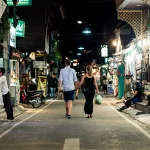
Fisherman’s Village Walking Street runs every Friday evening along the Bo Phut beachfront. It’s part market, part food festival — stalls selling grilled corn, coconut ice cream served in the shell, fresh spring rolls, satay skewers, and pad thai from mobile woks. It gets busy by 7pm and winds down around 10pm. The atmosphere is relaxed, well-lit, and genuinely enjoyable — the warm sea air carrying the smell of charcoal smoke across the tables set up along the beach road.
Lamai Walking Street operates on Sunday evenings and has a similar structure — local food stalls, handmade goods, and a more local crowd than the Bo Phut version. The food prices here are slightly lower, and the range of southern Thai snacks is wider.
Chaweng Food Court near the Central Festival mall is an underrated spot for cheap, reliable Thai food in a sit-down setting. Air-conditioned, clean, and serving everything from khao pad (fried rice) to tom yum soup at 80–150 THB per dish. Families and Thai teenagers dominate the tables — a reliable sign that the food is real.

Breakfast and Café Culture: Morning Eating on Samui
Koh Samui’s café scene has grown significantly between 2024 and 2026, driven partly by the influx of remote workers who need a quality flat white and decent wifi before noon.
Two Hands in the Bo Phut area has become the island’s benchmark specialty coffee shop — single-origin Thai beans, proper filter options, and a small food menu of avocado toast and breakfast bowls. Busy by 8am on weekdays. Coffee from 90–140 THB.
Baan Samui Breakfast near Chaweng runs a simple Thai breakfast format — jok (rice porridge) with pork meatballs, fried eggs, and Chinese-style crullers — that costs around 60–90 THB and fills you up until well past noon.
For Western-style breakfasts, the strip of cafés along the beachfront road in Mae Nam offers everything from full English options to acai bowls. Prices range from 180–350 THB for a full breakfast with coffee.
2026 Budget Breakdown: What Meals Cost on Koh Samui
Koh Samui is not the cheapest island in Thailand — that distinction goes to the more remote Gulf islands. But eating well without spending resort prices is entirely possible if you know which tier suits your trip.
- Budget (street food, local markets, food courts): 50–150 THB per meal. A full plate of rice with two curries, a bowl of noodle soup, or a pad thai with a soft drink. You can eat three full meals a day for 300–400 THB total if you eat where locals eat.
- Mid-range (casual restaurants, walking street stalls, seafood by the beach): 200–600 THB per meal. A grilled fish, a couple of shared Thai dishes, and a beer. Most travellers eating at this level will spend 800–1,500 THB per day on food and drink.
- Comfortable (better restaurants, fresh seafood, international cuisine): 700–2,000 THB per meal. Quality seafood restaurants, good Japanese or Italian, beach club dining. Wine and cocktails push costs up significantly at this level.
- Luxury (resort restaurants, Dining on the Rocks-level experiences): 2,500 THB and above per person. Tasting menus, fine wine, and dramatic settings. Best reserved for one or two special evenings rather than every night.
Practical Tips for Eating Well on Koh Samui
- Hours matter: Local Thai restaurants and market stalls often open at 7am and close by 3pm. The best daytime food is gone by early afternoon. Don’t assume everything runs on tourist dinner hours.
- Allergies: Peanuts, shellfish, and fish sauce are used extensively in Thai cooking. Communicating allergies in Thai (or showing a translated allergy card) is safer than relying on an English explanation. Allergy cards in Thai script can be downloaded from several travel health sites.
- Water: Drink bottled or filtered water. Most restaurants serve filtered water in jugs — this is generally safe. Do not drink tap water anywhere on the island.
- Tipping: Not obligatory at street food stalls. At sit-down restaurants, 20–50 THB is appreciated. At higher-end restaurants, 10% is increasingly common, though not expected. Many tourist-facing restaurants now add a service charge automatically — check the bill.
- Spice levels: Southern Thai food is genuinely spicy — more so than central Thai cooking. If you’re sensitive to chili, say “pet nit noi” (a little spicy) or “mai pet” (not spicy) when ordering. Do this proactively, not after the dish arrives.

Frequently Asked Questions
What is the best area to eat in Koh Samui?
For variety and quality, Bo Phut’s Fisherman’s Village has the best mix of Thai and international restaurants in one walkable area. For the cheapest and most authentic local food, Nathon and Mae Nam markets are the best options. Chaweng has the most restaurants but also the most tourist-facing mediocrity — navigate carefully.
Is Koh Samui food expensive compared to mainland Thailand?
Yes, moderately so. Street food and market meals remain close to mainland prices — 50–150 THB. But sit-down restaurants, seafood spots, and anything near a beach or resort zone typically runs 30–60% higher than equivalent places in Chiang Mai or Bangkok. Factor this into your daily food budget.
Where can I find the best seafood on Koh Samui?
Bang Po Seafood on the northwest coast and the seafood restaurants along Fisherman’s Village in Bo Phut offer the most reliable quality. Avoid restaurants with live tanks and aggressive touts near the Chaweng beach road — pricing is inflated and quality is inconsistent. Ask locals or your accommodation for current recommendations.
Is it safe to eat street food in Koh Samui?
Generally yes, particularly at busy, high-turnover stalls where food cooks fast and sells out. Stalls at established markets like Nathon, Mae Nam, and Lamai are safe choices. As a standard rule: busy stalls with visible cooking are safer than quiet ones with pre-cooked food sitting out. Carry a digestive backup if your stomach is sensitive.
Are there good vegetarian restaurants in Koh Samui?
Yes, more than most Thai islands. Gecko Garden in Mae Nam and several cafés in the Bo Phut area cater well to vegetarian and vegan diners. At standard Thai restaurants, communicate clearly using “kin jay” and verify that fish sauce isn’t used, as it’s a common hidden ingredient in otherwise vegetable-based dishes across southern Thai cooking.
Explore more
15 Best Bars in Koh Samui You Can’t Miss After Dark
📷 Featured image by Catherine Zaidova on Unsplash.