Most travellers scanning flight deals for Thailand in mid-2026 see “rainy season” and immediately click away. That’s a mistake — and one that leaves June surprisingly crowd-free, meaningfully cheaper, and green in a way that the dry, dusty high season simply isn’t. The real problem isn’t the rain. It’s that nobody prepares for it properly, then acts shocked when an afternoon downpour soaks their sandals. This guide fixes that.
Why June’s Rain Is Misunderstood
Thailand’s rainy season — technically the southwest monsoon — runs roughly from May through October. June sits in the early-to-middle phase, which means rainfall is building but hasn’t yet reached the heavy, persistent soaking of August and September. In most of Thailand, June rain follows a fairly predictable rhythm: warm, sunny mornings, heavy cloud rolling in by early afternoon, a hard downpour lasting one to two hours, then clearing skies by evening. That’s not a ruined holiday. That’s a schedule.
The misunderstanding comes from treating Thailand as a single weather zone. It isn’t. The country stretches over 1,600 kilometres from north to south, and the monsoon hits different coasts at different times and with different intensity. June is, in fact, one of the better months to visit large parts of the country — if you know which parts.
There’s also a crowd reality that’s worth understanding in 2026. Post-pandemic tourism surged hard through 2023 and 2024, and by 2025 many of Thailand’s headline destinations — Phi Phi, Pai, the Grand Palace — were genuinely overwhelmed during peak months. June offers a natural reset. Thais themselves travel in June around school holiday periods, giving the country a lived-in energy that December’s international tourist circus doesn’t.
Where to Go in June 2026: The Regional Breakdown
Thailand’s geography makes regional planning essential in June. Get this right and you’ll have a brilliant trip. Get it wrong and you’ll spend a week staring at grey water from a closed beach.
The Gulf Coast (East): Koh Samui, Koh Tao, Koh Phangan
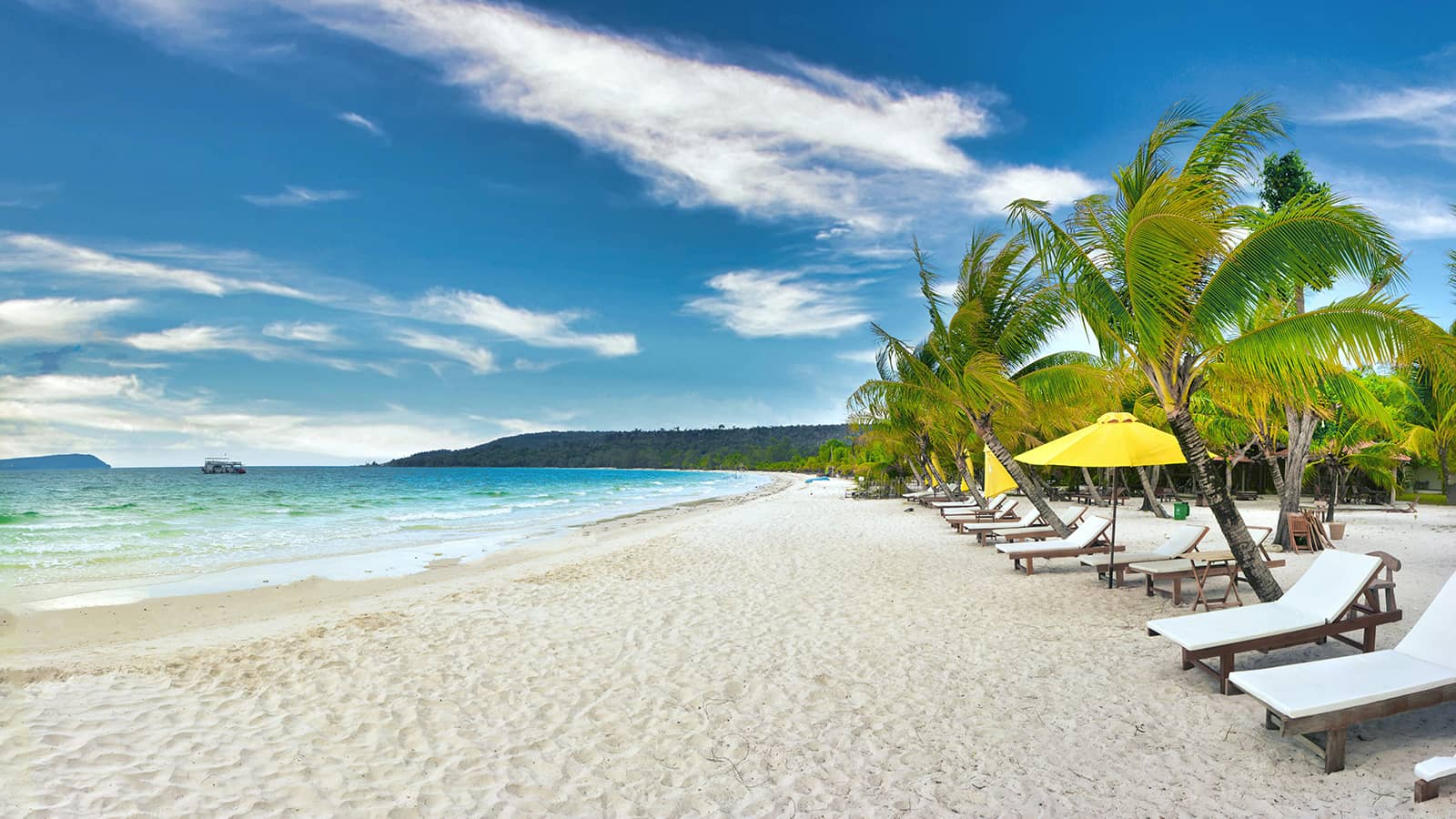
The Gulf of Thailand’s east-facing coast is sheltered from the southwest monsoon by the landmass of the Malay Peninsula. June on Koh Tao and Koh Phangan is frequently sunny, calm, and genuinely good for diving. Visibility underwater on Koh Tao in June is often excellent. Koh Samui gets slightly more rain than its northern neighbours but remains a solid choice. This is the single most important regional fact to know for June travel planning.
The Andaman Coast (West): Phuket, Krabi, Koh Lanta
The Andaman side takes the full force of the southwest monsoon in June. Seas can be rough, some ferry routes are suspended for safety, and many smaller beach operators close entirely. Phuket still functions — the airport is open, big hotels stay open, and the inland parts of the island are interesting — but you’re not going for beach holidays here in June. If you do visit Phuket in June, lean into its food scene, its Sino-Portuguese old town in Phuket City, and day trips to temples and viewpoints rather than beach-hopping.
Northern Thailand: Chiang Mai, Chiang Rai, Pai
The north receives rain in June but it’s not monsoon-level overwhelming. Mornings are reliably clear. The landscape turns extraordinary — rice paddies fill with water, hillsides go a deep, rich green, waterfalls that trickle in March run full and loud. Doi Inthanon National Park is genuinely beautiful in June. Chiang Mai’s moat fills up, the surrounding mountains are lush, and the city’s strong indoor culture (cooking schools, temples, massage, the night bazaar) means a rainy afternoon is never wasted.
Bangkok
Bangkok in June is hot, humid, and gets regular afternoon rain. This is a city built for it — covered walkways connect the BTS stations, malls are enormous and air-conditioned, and the food scene runs day and night regardless of weather. June is actually a decent month for Bangkok because the peak tourist crowds thin out noticeably, which means shorter queues at the Grand Palace and a more relaxed atmosphere in neighbourhoods like Ari, Ekkamai, and the riverside area around Charoen Krung.
What the Rain Actually Looks Like Day-to-Day
Understanding the rhythm of Thai monsoon rain means you can work around it rather than fighting it. In the north and Bangkok, mornings are typically clear and relatively cool — by Thai standards, meaning 26 to 29 degrees Celsius. This is prime time for outdoor temples, markets, and walking. By noon, humidity climbs and cloud starts building. By 1 to 3pm, the sky often opens. Downpours are intense but short. By 4 or 5pm, the air is fresher and cooler than it’s been all day.
Savvy travellers shift their schedules accordingly: outdoor sightseeing in the morning, a long lunch or a cooking class or a museum in the early afternoon, then back outdoors for golden-hour light and dinner. The evening light in northern Thailand after a June rainfall is extraordinary — that particular quality of gold-washed air with dark cloud banks still stacked on the hills behind the city, market smoke rising from the night bazaar stalls, everything gleaming and clean-smelling.
On the Gulf islands, the pattern is less predictable and generally more benign. Rain can come any time but often doesn’t stay long. Check sea conditions locally before booking any boat trips, and give yourself buffer days in your itinerary rather than tight connections.
Indoor and Covered Experiences Worth Prioritising
A smart June itinerary builds in genuine indoor depth rather than treating bad-weather days as lost. Thailand has more to offer here than most visitors realise.
- Thai cooking classes: Most serious cooking schools run half-day or full-day programs that include a market visit in the morning and cooking indoors. Chiang Mai has the densest concentration of quality schools, and they’re far easier to book in June than in December.
- Temple interiors: Thailand’s major temples contain some of the most beautiful interior spaces in Southeast Asia, and most visitors rush through without going inside. Wat Pho in Bangkok, Wat Chedi Luang in Chiang Mai, Wat Rong Khun (the White Temple) near Chiang Rai — all worth long, slow exploration that rainy-day schedules actually allow for.
- Traditional Thai massage: A full two-hour traditional Thai massage costs between 300 and 600 THB at reputable local shops in Chiang Mai. This is not a luxury; it’s infrastructure. Build it into your afternoons.
- Local markets with covered sections: Bangkok’s Or Tor Kor market near Chatuchak is largely sheltered and sells exceptional fresh produce and prepared food. Chiang Mai’s Warorot Market is a multi-storey covered structure where you can spend hours.
- Spas and wellness centres: Thailand’s wellness industry has grown significantly. Several Chiang Mai and Koh Samui properties offer half-day spa programs that are genuinely good value in June when demand drops.
2026 Budget Reality: What June Travel Costs
June is low season pricing across most of Thailand, and the savings are real. Here’s what to expect in 2026 across accommodation, food, and activities.
Accommodation (per night)
- Budget: Fan or basic air-con guesthouses, 300–600 THB in Chiang Mai; 500–900 THB in Bangkok; 400–700 THB on Koh Tao.
- Mid-range: Comfortable boutique hotels with pool access, 1,200–2,500 THB in Chiang Mai and Bangkok; 1,500–3,000 THB on Koh Samui.
- Comfortable: Four-star properties with breakfast, 3,000–6,000 THB in Bangkok; 3,500–7,000 THB on Koh Samui. These same rooms cost 30–50% more in December.
Food
- Street food and local restaurants: 60–120 THB per dish. A full meal with a drink at a local shophouse is 150–200 THB.
- Mid-range restaurants: 300–600 THB per person for a sit-down meal with drinks.
- Upscale dining: 1,200–2,500 THB per person at Bangkok’s better restaurants.
Activities
- Half-day Thai cooking class: 1,000–1,800 THB including market visit and ingredients.
- Two-hour traditional Thai massage: 300–600 THB at reputable local shops.
- Full-day guided trek in Chiang Mai province: 1,200–2,000 THB including lunch.
- PADI Open Water course on Koh Tao: 9,000–12,000 THB — one of the cheapest in the world, and June conditions are often good.
Packing Smart for Wet Season Thailand
The right gear makes June travel genuinely comfortable. The wrong gear makes it miserable. This isn’t a long list — it’s a precise one.
- A compact, windproof umbrella: Not a poncho. A proper travel umbrella that fits in your day bag. Ponchos are hot, awkward, and locals will stare. Every 7-Eleven in Thailand sells decent ones for around 150–200 THB if you forget.
- Quick-dry clothing only: Cotton stays wet for hours and feels awful. Linen or synthetic quick-dry fabrics dry within 30 minutes. Pack for this specifically.
- Waterproof sandals or shoes: Leather shoes will be ruined within a week. Chacos-style sandals or waterproof trail runners are the practical choice for June.
- A dry bag or waterproof phone pouch: For boat trips and genuinely heavy rain. 200–400 THB at most outdoor markets.
- Insect repellent with DEET: Standing water after rain increases mosquito activity. DEET-based repellent is available everywhere in Thailand, but the good brands cost around 150–250 THB.
- A light layer for air conditioning: Thai air conditioning is aggressive. Malls, restaurants, and overnight buses are often set to 18 degrees Celsius. A thin long-sleeved layer solves this.
Frequently Asked Questions
Is Thailand worth visiting in June despite the rain?
Yes, and for many travellers it’s the better choice. Prices are lower, crowds are thinner, and the landscape is at its most lush and photogenic. The key is choosing the right region — the Gulf coast islands and northern Thailand hold up particularly well in June compared to the Andaman side.
Which Thai islands are best in June 2026?
Koh Tao and Koh Phangan on the Gulf coast are the strongest choices in June. They sit in the rain shadow of the peninsula and typically get far less rainfall than the Andaman islands. Koh Tao in particular has calm enough conditions for diving most of June.
How bad is the rain in Bangkok in June?
Manageable. Bangkok gets heavy afternoon downpours but they rarely last more than one to two hours. The city’s covered transit network and abundance of malls, markets, and restaurants means you’re rarely stuck. Morning sightseeing is usually dry. Plan outdoor activities before noon and you’ll rarely be caught out.
Are flights and ferries disrupted by June rain in Thailand?
Domestic flights are rarely disrupted by rain alone. Ferry services on the Andaman side — particularly to smaller islands around Krabi and Koh Lanta — can be suspended during rough seas. On the Gulf side, ferries to Koh Samui, Koh Phangan, and Koh Tao run throughout June but always check local sea conditions before booking tight connections.
How much cheaper is June travel compared to peak season in Thailand?
Significantly. Accommodation runs 30–50% cheaper than December or January rates at comparable properties. Activities and tours often drop too as operators compete for fewer customers. Food prices stay roughly constant year-round. A budget traveller can live comfortably in Thailand for 1,200–1,800 THB per day in June, all in.
Explore more
Navigating Thailand’s Green Season: A June 2026 Travel Guide
Thailand in May 2026: Celebrating Visakha Bucha and the Green Season
Embracing the Green Season: Traveling Thailand in May 2026
📷 Featured image by Vlad Gregurco on Unsplash.