On this page
- Weather Reality: What to Expect Across Different Regions
- Strategic Packing for Thailand’s Wettest Month
- Best Destinations During Peak Green Season
- Budget Advantages of May Travel
- Navigating Transportation and Logistics
- Cultural Events and Seasonal Experiences
- Photography and Green Season Aesthetics
- Health and Safety Considerations
- Frequently Asked Questions
May sits squarely in Thailand’s rainy season, often dismissed by travelers seeking endless sunshine. Yet this month offers Thailand at its most lush and authentic, with fewer crowds, dramatic landscapes, and significant savings. The challenge lies in working with rather than against the monsoon patterns that define this season.
Weather Reality: What to Expect Across Different Regions
May delivers Thailand’s heaviest rainfall, but understanding regional variations makes the difference between a soggy disappointment and a rewarding adventure. Bangkok averages 220mm of rain across 18 rainy days, typically as intense afternoon downpours lasting 1-2 hours rather than day-long drizzle.
Northern Thailand experiences the transition into monsoon season, with Chiang Mai receiving moderate rainfall while temperatures hover around 32°C during the day. The mountains provide natural drainage, making this region surprisingly manageable for green season travel.
Southern Thailand splits dramatically between coasts. The Andaman Sea side (Phuket, Krabi, Koh Phi Phi) faces the full force of the southwest monsoon, with rough seas and frequent storms. The Gulf of Thailand (Koh Samui, Koh Tao, Hua Hin) experiences its dry season during May, offering an unexpected escape from mainland rains.
Eastern regions including Pattaya and Koh Chang see moderate rainfall, while Isaan’s dry climate means May brings welcome relief from the preceding hot season’s intensity.
Strategic Packing for Thailand’s Wettest Month
Successful green season travel depends entirely on appropriate gear. Quick-dry clothing becomes essential, with synthetic fabrics outperforming cotton in humidity and frequent washing scenarios. Pack twice the underwear you think necessary.
Waterproof protection requires multiple layers. A compact umbrella handles light showers, while a packable rain jacket covers serious downpours. Waterproof phone cases and dry bags protect electronics and documents. Avoid leather items entirely.
Footwear strategy centers on quick-drying options. Mesh running shoes or sport sandals with good grip prevent slips on wet surfaces. Flip-flops work for short distances but offer zero traction on wet tiles. Pack one closed shoe that can handle mud.
Medication considerations include anti-diarrheal tablets, as food safety risks increase during rainy season. Mosquito repellent with DEET becomes crucial, as standing water multiplies breeding sites dramatically.
Best Destinations During Peak Green Season
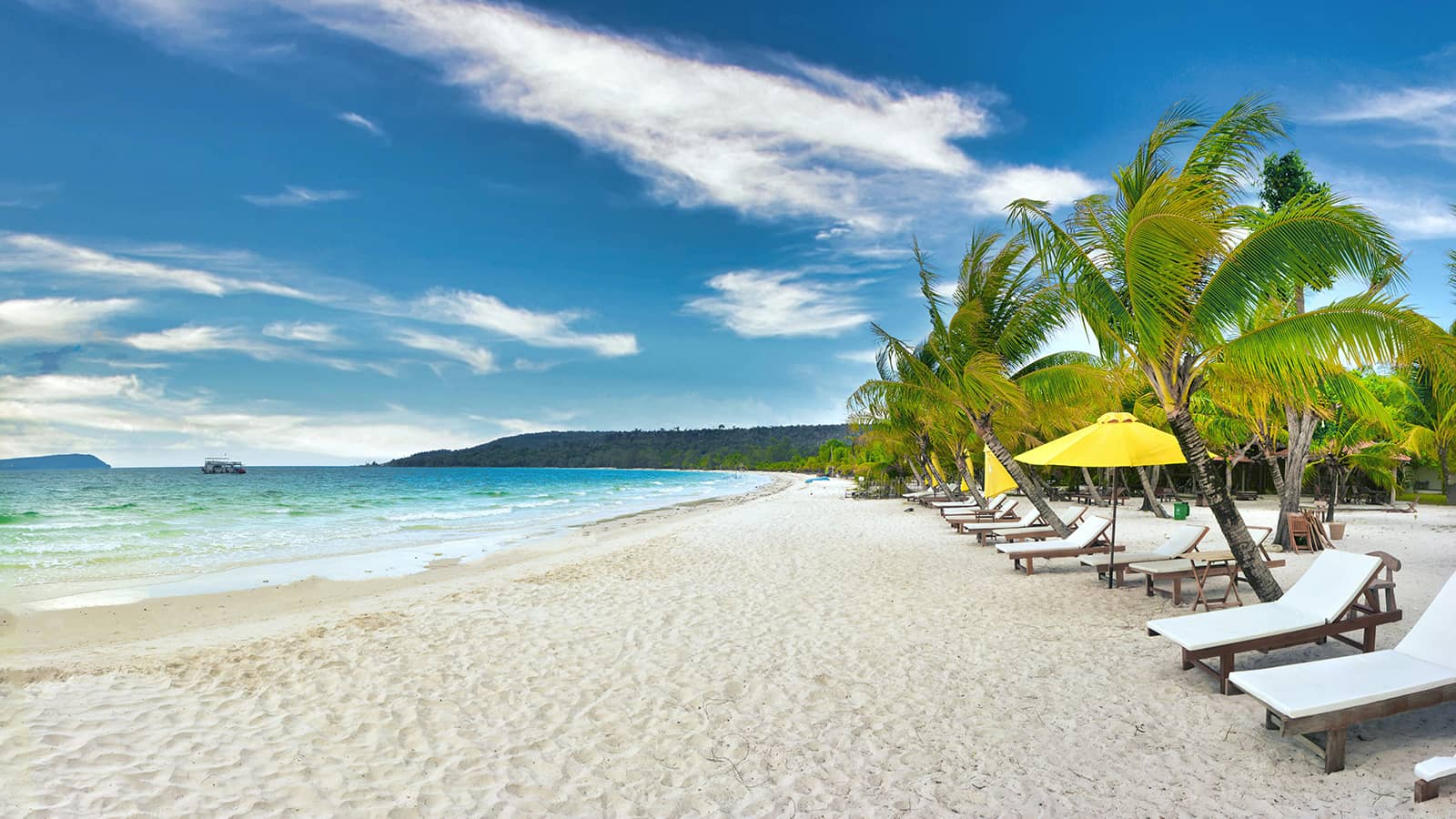
Koh Samui emerges as May’s standout destination, enjoying its annual dry spell while mainland Thailand drowns. The island’s positioning shields it from southwest monsoons, delivering sunny days and calm seas perfect for diving and beach activities.
Bangkok transforms during green season, with the city’s concrete surfaces gleaming after afternoon cloudbursts. The cooled air makes outdoor exploration comfortable, while indoor attractions like the Grand Palace or Chatuchak Weekend Market provide shelter during downpours. The Chao Phraya River runs high and fast, offering dramatic boat journeys.
Northern mountains around Chiang Mai showcase Thailand at its most verdant. Rice terraces fill with water, creating mirror-like landscapes. The cooler temperatures make temple exploration pleasant, while the misty mountains offer mystical photography opportunities.
Ayutthaya’s ancient ruins gain dramatic atmosphere under stormy skies. The archaeological park empties of tour groups, providing intimate encounters with Thailand’s former capital. The surrounding countryside explodes in green, offering cycling routes through flooded rice paddies.
Indoor destinations shine during May. Bangkok’s shopping centers, museums, and sky bars provide climate-controlled comfort. Cooking classes become popular rainy day activities, while traditional massage parlors offer perfect storm-watching retreats.
Budget Advantages of May Travel
May delivers Thailand’s lowest accommodation prices outside of Bangkok’s few premium properties. Beach resorts on the Andaman coast slash rates by 40-60%, with beachfront hotels dropping from 4,000 THB to 1,500 THB nightly. Even luxury properties offer substantial discounts.

Flight prices within Asia decrease significantly, with regional carriers offering sales targeting the reduced demand. Domestic flights between Bangkok and northern destinations can drop below 2,000 THB round-trip.
Restaurant pricing remains stable, but street food vendors often offer larger portions during slow periods. Tourist-focused establishments become more negotiable on pricing, particularly for multi-day bookings.
2026 Budget Breakdown (per day):
- Budget: 800-1,200 THB (hostels, street food, local transport)
- Mid-range: 2,000-3,500 THB (3-star hotels, mix of local and tourist restaurants)
- Comfortable: 4,500-8,000 THB (4-5 star accommodations, tour guides, private transport)
Tour operators reduce group sizes but maintain similar pricing, resulting in more personalized experiences. Private longtail boat charters become particularly affordable as operators seek to maintain income during slow season.
Navigating Transportation and Logistics
Thailand’s transportation network handles monsoon conditions with practiced efficiency, though delays and cancellations increase. Domestic flights face weather-related disruptions, particularly afternoon departures during peak storm hours. Morning flights prove most reliable.
Bangkok’s BTS and MRT systems provide climate-controlled mobility above street-level flooding. The extensive covered walkway network connects major shopping centers and hotels, minimizing outdoor exposure during downpours.
Motorcycle taxi services become erratic during heavy rain, with drivers refusing short trips or charging premium rates. Grab and taxi services surge-price during storms but remain available. Smart travelers avoid scheduling critical appointments during typical afternoon storm windows (2-5 PM).
Ferry services to islands face significant disruption. Andaman Sea routes often cancel entirely during rough weather, stranding travelers for days. Gulf of Thailand ferries maintain more reliable schedules but still experience delays. Book flexible tickets and maintain 2-3 day buffers for island departures.
Road travel requires extra caution as flooding affects rural highways unpredictably. Rental car agencies report increased accident rates during green season. Stick to major highways and avoid rural shortcuts during or immediately after heavy rain.

Cultural Events and Seasonal Experiences
May coincides with Visakha Puja, Buddhism’s most important holiday celebrating Buddha’s birth, enlightenment, and death. Temples across Thailand host candlelight processions that create magical atmospheres enhanced by the season’s dramatic skies and cleansed air.
Royal Ploughing Ceremony in Bangkok marks the traditional beginning of rice planting season. This ancient ritual, usually held at Sanam Luang near the Grand Palace, offers insight into Thailand’s agricultural heritage just as farmers across the country begin their planting cycles.
The green season transforms traditional markets into sensory explosions. Fresh herbs and vegetables reach peak quality, while tropical fruits like rambutan, mangosteen, and durian flood stalls. The rain-washed air carries intensified aromas through market corridors.
Buddhist temple stays become particularly meaningful during rainy season, as the enforced indoor time allows deeper meditation practice. Many temples offer informal English-language dharma discussions with monks who have more available time during the quiet season.
Photography and Green Season Aesthetics
May offers Thailand’s most dramatic photographic opportunities for travelers willing to brave occasional soakings. Storm clouds create natural softbox lighting, while rain-slicked surfaces reflect neon signs and temple lights with mirror-like clarity.
Rice terrace photography reaches peak conditions as flooded paddies create perfect reflections of sky and surrounding mountains. Early morning shoots capture mist rising from warm water, while late afternoon storms provide dynamic backdrops for landscape photography.
Waterfall photography benefits enormously from increased water flow. Previously modest cascades transform into thundering torrents, while the surrounding jungle reaches maximum lushness. Pack waterproof camera protection and plan for muddy approach trails.
Street photography gains emotional depth as people adapt to monsoon conditions. Umbrella vendors appear on corners, motorcycle taxis bunch under overpasses, and ordinary street scenes gain cinematic quality under storm-darkened skies.

Health and Safety Considerations
Monsoon season increases specific health risks requiring proactive management. Standing water multiplies mosquito breeding sites dramatically, raising dengue fever and malaria risks in rural areas. Apply repellent religiously and consider long sleeves during dawn and dusk hours.
Food safety requires extra vigilance as power outages affect refrigeration. Stick to busy restaurants with high turnover, avoid pre-cut fruits from street vendors, and choose thoroughly cooked options over raw preparations. Ice becomes particularly suspect in rural areas.
Flood-related injuries increase during green season. Avoid walking through standing water that conceals manholes, debris, or electrical hazards. Bangkok’s notorious street flooding can hide significant dangers beneath seemingly shallow puddles.
Skin issues multiply in constant humidity. Pack antifungal powder for feet, change clothes frequently, and allow shoes to dry completely between wears. Air-conditioned accommodation becomes a health necessity rather than luxury.
Travel insurance gains particular importance during monsoon season, with medical evacuation coverage essential for island travel where emergency transport may face weather delays.
Frequently Asked Questions
Will it rain every day in Thailand during May 2026?
Not necessarily. May brings frequent but often brief afternoon downpours rather than continuous rain. Many days feature sunny mornings followed by 1-2 hour storms, then clearing skies. Northern regions see less daily rain than Bangkok or southern areas.
Can I still visit beaches during Thailand’s green season?
Gulf of Thailand destinations like Koh Samui experience their dry season during May, offering excellent beach weather. Andaman Sea beaches face rough conditions and frequent closures. Choose eastern coast destinations for reliable beach time during green season.
Are outdoor activities completely impossible during May?
Morning activities often proceed normally before afternoon storms arrive. Temple visits, market exploration, and city walking tours work well with flexible timing. Avoid scheduling outdoor activities between 2-5 PM when storms typically peak in intensity.
How much should I budget for accommodation during green season?
Accommodation costs drop 30-60% during May compared to high season. Budget travelers can find decent rooms for 600-800 THB, while mid-range hotels typically cost 1,500-2,500 THB. Luxury properties offer significant discounts but may close some facilities.
What’s the best strategy for island hopping during May?
Focus on Gulf of Thailand islands and allow extra time for weather-related delays. Book flexible ferry tickets and maintain 2-3 day buffers before international flights. Avoid tight schedules and consider flying between islands rather than taking ferries when possible.
Explore more
Staying Cool and Comfortable: A Guide to Thailand in April 2026
Beyond the Water Fights: Understanding Songkran Traditions in Thailand
Your Packing List for Thailand’s April Heat in 2026