On this page
- Koh Samui in 2026: Still Worth It on a Tight Budget?
- Which Parts of Koh Samui Are Actually Affordable
- Getting to Koh Samui Without Paying Airline Prices
- Getting Around Koh Samui Without a Rental Car
- Where to Eat Well for Very Little Money
- Free and Low-Cost Activities on Koh Samui
- Budget Accommodation: Where to Sleep for Less
- Affordable Day Trips from Koh Samui
- Nightlife Without the Cocktail Bar Tab
- Budget Shopping: Skip the Tourist Shops
- 2026 Budget Breakdown: What Things Actually Cost
- Practical Tips to Avoid Getting Overcharged
- Frequently Asked Questions
💰 Click here to see Thailand Budget Breakdown
💰 Prices updated: October, 2026. Budget figures are estimates — always verify before travel.
Exchange Rate: $1 USD = ฿33.60
Daily Budget (per person)
Shoestring: ฿900.00 – ฿1,800.00 ($26.79 – $53.57)
Mid-range: ฿2,150.00 – ฿4,000.00 ($63.99 – $119.05)
Comfortable: ฿6,000.00 – ฿12,000.00 ($178.57 – $357.14)
Accommodation (per night)
Hostel/guesthouse: ฿90.00 – ฿750.00 ($2.68 – $22.32)
Mid-range hotel: ฿1,400.00 – ฿3,500.00 ($41.67 – $104.17)
Food (per meal)
Budget meal: ฿70.00 ($2.08)
Mid-range meal: ฿250.00 ($7.44)
Upscale meal: ฿1,000.00 ($29.76)
Transport
Single metro/bus trip: ฿30.00 ($0.89)
Monthly transport pass: ฿1,155.00 ($34.38)
Koh Samui in 2026: Still Worth It on a Tight Budget?
Koh Samui has a reputation problem among budget travelers. The island that once attracted backpackers with 200 THB bungalows has spent the last decade pitching itself firmly at the luxury end of the market. In 2026, that reputation is partly deserved — a beachfront infinity pool villa at Fisherman’s Village will cost you as much as anywhere in Southeast Asia. But here’s the thing: the local economy that feeds, transports, and services those luxury guests still runs on Thai prices. Samui is not Phuket-level expensive across the board. If you know which neighborhoods to base yourself in, which roads to walk down for food, and which activities to skip, you can spend a genuinely enjoyable week here on 1,500–2,000 THB a day without eating badly or doing nothing. This guide is built around that reality.
Which Parts of Koh Samui Are Actually Affordable
Where you stay on Koh Samui determines almost everything about your daily spend. The island’s geography matters: Chaweng is the main strip, Lamai is quieter, and the northern and western coasts are where you find the most authentic — and cheapest — daily life.
Chaweng
Chaweng is the tourist engine of the island. The main beach road is lined with 7-Elevens, tour operators, tattoo shops, and bars. It is not cheap, but it is competitive. Because there are so many guesthouses and small hotels crammed into the streets behind the main drag, you can find decent air-conditioned rooms from around 600–800 THB per night if you book in advance and look one or two streets back from the beach. Food prices here run about 30–40% higher than the local side of the island. Chaweng suits budget travelers who want easy access to nightlife and beaches but are disciplined enough not to eat at tourist-facing restaurants every meal.

Lamai
Lamai is Chaweng’s calmer sibling, about 10 kilometres south. Prices for accommodation and food are noticeably lower, the beach is excellent, and there is still enough going on at night to keep it interesting. Budget guesthouses here start closer to 500 THB for a fan room. The central market area has some of the best-value local food on the island.
Nathon and the West Coast
Nathon is Koh Samui’s administrative capital and ferry port, and it is almost entirely ignored by tourists. That is exactly why it is worth knowing about. The market streets here are legitimate local Thai life — noodle shops where a bowl costs 50 THB, fresh fruit stalls, hardware stores. If you’re happy with a 20-minute songthaew ride to get to the beach, basing yourself near Nathon can cut your daily food costs significantly. There are a handful of small guesthouses here starting at around 400 THB per night.
Maenam and Bophut (North Coast)
Maenam is one of the best-kept budget secrets on Samui. It has a long, wide beach, a functioning local community, and accommodation prices well below Chaweng. Bophut has the charming Fisherman’s Village walking street, which is more upscale but walkable from Maenam. Budget guesthouses in Maenam start at around 450–600 THB per night, and there are several local eateries on the main road offering rice and curry plates for 60–80 THB.
Getting to Koh Samui Without Paying Airline Prices
Koh Samui Airport is privately owned by Bangkok Airways, which historically made it one of the most expensive domestic airports in Thailand. That dynamic has softened in recent years — AirAsia and a few other carriers have pushed their way into the Bangkok Surat Thani route — but flying direct into Samui still costs more than flying into Surat Thani Airport on the mainland.

The budget route in 2026 is this: fly into Surat Thani Airport (URT) on AirAsia or Nok Air from Bangkok Don Mueang, then take a combined minivan and ferry transfer to Koh Samui. The full journey takes about 3–4 hours including the ferry crossing, and the total cost is typically 500–700 THB versus 2,000–3,500 THB for a direct Samui flight. Joint tickets that bundle the minivan transfer and Seatran or Raja Ferry can be booked at the airport on arrival or through operators in Bangkok’s Khao San Road area.
The overnight train from Bangkok to Surat Thani is another strong option for true budget travelers. A second-class sleeper berth costs around 700–900 THB. You arrive in Surat Thani in the morning, take a bus to the ferry pier, and are on Samui by mid-morning — well rested and having saved on a night’s accommodation.
Getting Around Koh Samui Without a Rental Car
Transport is one of the biggest budget traps on Koh Samui. The island has no public bus system. Songthaews — the shared red pickup trucks — run along Route 4169, the ring road that circles the island, and this is by far the cheapest way to get around. A songthaew ride between any two major stops on the ring road costs 50–100 THB depending on the distance. They run from early morning until early evening, departing when full from points in Nathon, Chaweng, and Lamai.
Grab operates on Koh Samui in 2026 and is a reliable and fairly priced option for point-to-point travel. A Grab car from Chaweng to Lamai typically runs 120–180 THB. The app keeps drivers accountable on pricing, which matters on an island where tuk-tuks and metered taxis are not always what they seem.

Motorbike rental is genuinely cheap — around 200–300 THB per day for a Honda Wave or similar automatic scooter — and gives you total freedom. Koh Samui’s roads are manageable, but the mountain roads in the interior require care, and the island sees a notable number of tourist road accidents each year. If you are not experienced on motorbikes in Asia, stick to Grab and songthaews. Travel insurance that covers motorbike accidents typically requires you to hold a valid motorcycle license.
Where to Eat Well for Very Little Money
The single most effective thing you can do to lower your daily spend on Koh Samui is to eat where Thai people eat. This sounds obvious, but in Chaweng especially, it requires real effort to walk past the air-conditioned restaurants with English menus and find the real places.
Local Markets
The Lamai fresh market, open from early morning, has food stalls selling grilled pork over rice, pad kra pao, and noodle soups for 50–70 THB a plate. The smell of lemongrass and charcoal drifts through the covered stalls as vendors fan their grills in the morning heat — this is where locals eat breakfast and lunch. The Nathon market area operates daily and is similarly priced. In Maenam, the small morning market near the police station is one of the best on the island for cheap fresh food.
Night Markets
The Fisherman’s Village Walking Street in Bophut runs every Friday evening and is a mix of tourist and local food — not the cheapest place on the island, but 100–150 THB per dish is reasonable for the atmosphere. The Chaweng Night Bazaar on the north end of the main strip has Thai food stalls mixed in with the handicraft sellers. Lamai’s Saturday Night Market is more local-facing and consistently cheaper.

7-Eleven and Makro Strategy
If you are tracking baht closely, 7-Eleven is your friend for breakfast — a coffee and two filled buns costs around 60–70 THB. The Big C supermarket near central Chaweng is also useful for self-catering snacks, water, and fruit. A 1.5-litre bottle of drinking water is around 10–12 THB at convenience stores. Do not drink tap water on Koh Samui.
Free and Low-Cost Activities on Koh Samui
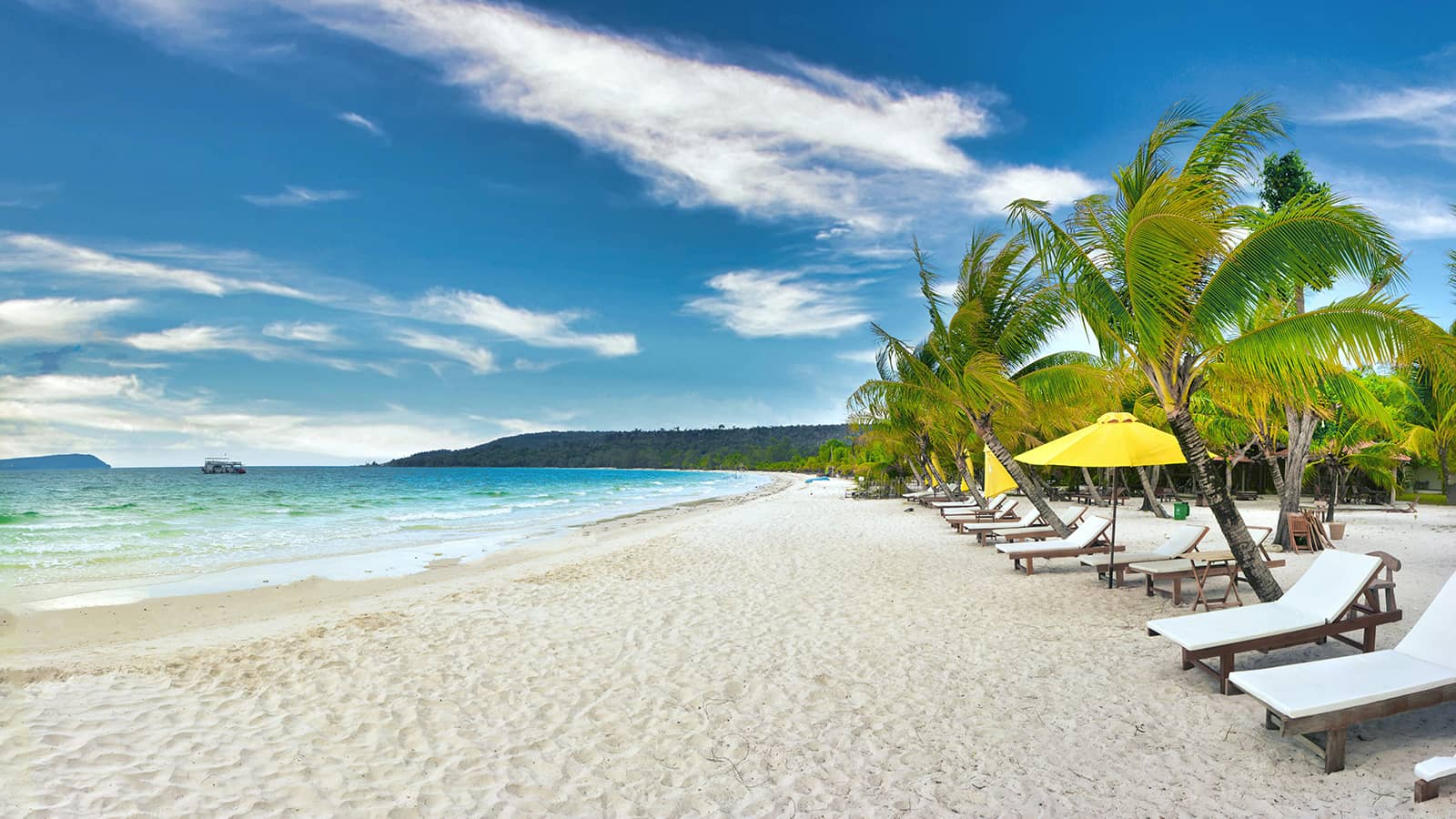
Koh Samui’s main attractions do not require a tour package or an entrance fee. The beaches themselves are free. Chaweng is the most famous, with its long pale crescent of sand, but for a quieter and more budget-compatible experience, Silver Beach (Ao Thong Takian) is small, sheltered, and costs nothing to use. Maenam Beach is wide and uncrowded on weekdays and easily accessible if you’re staying in the north.
Temples
Koh Samui has several temples worth visiting for free or a small donation. Wat Phra Yai on Ko Fan island features the famous Big Buddha — a 12-metre golden seated figure visible from the northern causeway, with the orange robes of monks making their morning rounds adding colour and calm to the scene. There is no entrance fee. Wat Khunaram on the main road near Nathon houses a preserved monk in a glass case and is a fascinating and sobering stop. Entry is free, though a small donation box is at the entrance.
Waterfalls
Na Muang Waterfalls in the island’s interior are 40 THB to enter and are genuinely impressive after the rainy season. Na Muang 1 is easier to reach, Na Muang 2 requires a 1.5-kilometre walk uphill. Both are cooler than the coast and a good escape from beach-sitting. Go by hired motorbike to save on transport costs.
Budget Accommodation: Where to Sleep for Less
The budget accommodation market on Koh Samui in 2026 is healthy despite the island’s upscale reputation. The key is knowing where to look and what to search for.
In Chaweng, the sois (side streets) running inland from the main beach road — particularly Soi 1, Soi 2, and around the central bus station area — have clusters of guesthouses and small hotels. Fan rooms at basic guesthouses start around 350–500 THB per night. Air-conditioned rooms with en suite bathrooms from 600–900 THB. At this price point, expect clean but functional: whitewashed concrete walls, a decent bed, wifi that works 80% of the time, and a small bathroom.
Lamai has a stronger hostel scene than Chaweng. Dormitory beds in social hostels near the beach run 300–450 THB per night and often include breakfast. These properties are popular with solo travelers and tend to be well-maintained because competition is real.
Maenam is the best area for budget bungalow-style accommodation. Several old-school Thai beach bungalow operations still exist here, offering simple wooden or concrete bungalows with air conditioning from around 500–700 THB per night. Some are right on or very close to the beach.
Affordable Day Trips from Koh Samui
Ang Thong Marine National Park
This is genuinely one of the most spectacular day trips in all of Thailand — 42 islands of limestone karst rising out of turquoise water, with kayaking, a salt lake (Thale Nai), and a viewpoint that will stay with you. Organized tours from Koh Samui run around 1,200–1,500 THB per person including the national park entry fee (300 THB for foreigners), snorkeling gear, kayak rental, and lunch. It is a long day — boats typically leave at 8am and return by 5pm. This is one expense worth budgeting for.
Koh Tao
Koh Tao is about 1.5 hours north of Koh Samui by high-speed ferry (around 650 THB one way on Lomprayah). It is world-famous for affordable diving — a single fun dive runs around 1,000 THB, and an Open Water certification course (4–5 days) can be done for 9,000–11,000 THB, which is among the cheapest in the world. As a day trip, Koh Tao is best for snorkeling and swimming — Shark Bay (Ao Leuk) and Tanote Bay are excellent shallow snorkel spots accessible without a guide.
Koh Phangan
Koh Phangan is 40 minutes from Koh Samui by ferry (around 300 THB one way). Beyond the Full Moon Party, the island has excellent beaches — Haad Khom and Bottle Beach in the north are accessible and beautiful. As a day trip, you can explore the quieter southern and eastern beaches and eat in Had Rin at lower prices than Samui.
Nightlife Without the Cocktail Bar Tab
Koh Samui’s nightlife is concentrated in Chaweng, specifically around the central strip and Soi Green Mango. Full-price cocktails at the main bars run 250–350 THB. That is not ruinous, but it adds up. The smarter approach: look for the happy hour boards, which run at most Chaweng bars from 5–8pm with two-for-one deals on beer and basic cocktails. Chang or Singha in a convenience store costs 50–60 THB versus 100–150 THB in a bar — having a couple of beers on the beach before heading out is standard practice for budget travelers and nobody blinks at it.
Lamai has a quieter but functional bar street near the roundabout. Prices are 20–30% lower than Chaweng across the board. The Reggae Bar near the Grandfather and Grandmother Rocks area is a long-standing local institution and consistently reasonable on pricing.
The Fisherman’s Village in Bophut on Friday evenings has a relaxed vibe that does not require spending heavily — you can sit with one drink and people-watch for an hour. No cover charges, no pressure.
Budget Shopping: Skip the Tourist Shops
Central Festival Samui on the main Chaweng road is a proper mall with a Tops supermarket, Big C, and fashion brands. Prices here are standard Thai retail — fair and not inflated for tourists. If you need clothing, pharmacies, or electronics, this is the best value option.
The street-level souvenir market running through Chaweng Beach Road is tourist-priced but negotiable. A standard tactic: look at the item, let the seller quote a price, offer half, and meet somewhere around 60–65% of the asking price. This works reliably for fabric items, wooden carvings, and beach wraps.
For genuinely local shopping, the Nathon market area sells produce, household goods, cheap clothing, and Thai snacks at normal Thai prices. If you want to bring home Thai dried snacks, chilli pastes, or riceberry products as gifts, buying here saves you 40–50% versus airport shops or Chaweng tourist stores.
2026 Budget Breakdown: What Things Actually Cost
Budget Tier (1,200–1,800 THB per day)
- Accommodation: Fan guesthouse or hostel dorm — 350–500 THB
- Food: Eating exclusively at local markets and street stalls — 250–350 THB for three meals
- Transport: Songthaews and one daily Grab ride — 150–200 THB
- Activities: Beaches, temples, waterfalls — 0–100 THB
- Drinks/misc: Water, convenience store snacks, one evening beer — 150–200 THB
Mid-Range Tier (2,500–4,000 THB per day)
- Accommodation: Air-conditioned guesthouse or small hotel — 800–1,200 THB
- Food: Mix of local stalls and one sit-down restaurant per day — 500–700 THB
- Transport: Grab for most trips, occasional motorbike rental — 300–400 THB
- Activities: One paid activity (snorkeling tour, temple visits) — 500–800 THB
- Drinks/nightlife: 2–3 drinks at a bar — 400–600 THB
Comfortable Tier (5,500–8,000 THB per day)
- Accommodation: Boutique hotel with pool — 2,000–3,500 THB
- Food: Mix of quality Thai restaurants and one Western meal — 900–1,400 THB
- Transport: Grab, half-day motorbike rental — 400–600 THB
- Activities: Ang Thong day trip or spa session — 1,200–2,000 THB
- Drinks/nightlife: Cocktails, dinner with drinks — 800–1,200 THB
Practical Tips to Avoid Getting Overcharged
Negotiate before you get in any vehicle without a meter. Songthaews on the ring road have standard rates, but any songthaew being used as a private taxi will charge whatever they think you will pay. Agree on the price before you start moving. Grab removes this problem entirely.
Pharmacies are your friend for minor health issues. Thailand’s pharmacy system is well-stocked and pharmacists dispense advice freely. A consultation at a private clinic in Chaweng for a minor issue costs 500–1,000 THB minimum. A pharmacist can handle most cases of mild heat exhaustion, stomach upset, or skin irritation for the cost of the medicine.
Avoid tour operators on the beach. Tours sold directly on Chaweng Beach tend to be 30–40% more expensive than the same tour booked through a guesthouse or online. Guesthouses earn a small commission but still come in cheaper than the beach-side hawkers.
SIM cards and data in 2026. True Move H and AIS both have tourist SIM packages available at the airport in Surat Thani and at 7-Eleven stores on Samui. A 30-day SIM with 30GB data and calls typically costs 299–399 THB. Pick one up before you need to navigate.
ATMs and currency. Bangkok Bank and Kasikorn Bank ATMs in Chaweng charge a 220 THB fee per foreign card withdrawal in 2026 — this is an island-wide standard. Withdraw larger amounts less frequently to minimize fees. Some guesthouses and local restaurants still prefer cash, especially in smaller communities outside Chaweng.
The beach chair trap. On Chaweng and Lamai, rows of beach chairs are set out by vendors. Sitting in one obligates you to buy at least one drink or snack, typically at 150–250 THB minimum. If you want to avoid this, bring your own towel and sit on the public beach sections, which exist at intervals between the chair rows. There are no rules against this.
Frequently Asked Questions
How much money do you need per day on Koh Samui in 2026?
A genuine budget traveler eating local food, staying in a guesthouse or dorm, and using songthaews can manage comfortably on 1,200–1,800 THB per day. Mid-range travelers mixing comfort with value should budget 2,500–4,000 THB. This covers accommodation, food, transport, and one paid activity. Alcohol and big day trips add significantly.
Is Koh Samui more expensive than Koh Phangan or Koh Tao?
Yes, notably so. Koh Samui’s tourist infrastructure is more developed and more luxury-focused. Koh Phangan is meaningfully cheaper for accommodation and food, and Koh Tao is similarly affordable. Samui is worth the extra cost for its beaches, temple sites, and transport links, but budget travelers often use it as a base for cheaper island-hopping.
What is the cheapest way to get from Bangkok to Koh Samui?
The cheapest reliable option in 2026 is an AirAsia or Nok Air flight to Surat Thani Airport (from around 700–1,200 THB if booked in advance) combined with a minivan and ferry transfer (around 300–400 THB). Total cost can be under 1,500 THB. The overnight train to Surat Thani plus ferry is similarly priced and saves one night’s accommodation.
Is Koh Samui safe for solo budget travelers?
Generally yes. Koh Samui has a well-established tourist infrastructure, reliable Grab service, and most areas of Chaweng and Lamai are active and well-lit at night. Standard cautions apply: don’t leave valuables on the beach, use Grab rather than unmarked taxis late at night, and avoid isolated roads alone after dark. The main risks for solo travelers are motorbike accidents and drink-spiking in the busiest bar areas of Chaweng.
Which beach on Koh Samui is best for budget travelers?
Maenam Beach on the north coast offers the best combination of a beautiful, uncrowded beach and genuinely affordable accommodation and food nearby. Lamai Beach is the second-best option — quieter and cheaper than Chaweng with a strong local food scene. Chaweng has the most famous beach but the highest prices and biggest tourist crowds.
Explore more
How to Get Around Koh Samui: Your Ultimate Transport Guide
The Ultimate Guide to Koh Samui Nightlife: Bars, Clubs & Live Music
Chaweng Beach Guide: Koh Samui’s Busiest Hub Explained
📷 Featured image by Nathan Cima on Unsplash.