💰 Click here to see Thailand Budget Breakdown
💰 Prices updated: October, 2026. Budget figures are estimates — always verify before travel.
Exchange Rate: $1 USD = ฿33.60
Daily Budget (per person)
Shoestring: ฿900.00 – ฿1,800.00 ($26.79 – $53.57)
Mid-range: ฿2,150.00 – ฿4,000.00 ($63.99 – $119.05)
Comfortable: ฿6,000.00 – ฿12,000.00 ($178.57 – $357.14)
Accommodation (per night)
Hostel/guesthouse: ฿90.00 – ฿750.00 ($2.68 – $22.32)
Mid-range hotel: ฿1,400.00 – ฿3,500.00 ($41.67 – $104.17)
Food (per meal)
Budget meal: ฿70.00 ($2.08)
Mid-range meal: ฿250.00 ($7.44)
Upscale meal: ฿1,000.00 ($29.76)
Transport
Single metro/bus trip: ฿30.00 ($0.89)
Monthly transport pass: ฿1,155.00 ($34.38)
What Chaweng Actually Looks Like in 2026
Koh Samui‘s airport expansion finished in late 2025, and the island is handling more arrivals than ever. That means Chaweng Beach — already the island’s most visited strip — is busier on peak weekends than it was pre-pandemic. If you arrive without a clear sense of where to stay, eat, or plant your towel, the noise and the tuk-tuk touts can swallow your first day whole. This guide cuts through the clutter and tells you exactly what Chaweng is, zone by zone.
The Beach Strip Itself
Chaweng runs roughly 7 kilometres along the northeast coast of Koh Samui. It curves in a gentle arc, and the sand — bright white and fine — is genuinely some of the best on the island. The water is clear from November through April. During the Gulf of Thailand’s rainy season (roughly October), surf picks up and jellyfish appear, so check conditions before swimming.
The strip divides naturally into three sections:
- North Chaweng: Quieter, family-oriented, shallower water. The beach is narrower here, but the pace is slower. Fewer vendors walking the sand.
- Central Chaweng: This is the thick of it — long rows of sunloungers (around 150–200 THB per chair per day), beach bars with speakers, jet ski operators, and parasailing launches. The sand is widest here and the water is accessible. It’s the classic postcard image, with all the noise that comes with it.
- Chaweng Noi: The southern tip bends slightly inward and becomes noticeably calmer. Smaller boutique hotels sit behind it. The vibe shifts from resort-busy to genuinely relaxed without needing to leave Chaweng altogether.
Walking the full strip at low tide takes about 90 minutes. The smell of sunscreen and grilled corn from the vendor carts, the constant thrum of longtail boats in the distance, the sand warm enough to burn bare feet by 10am — this is Chaweng at its most sensory and honest.
Where to Stay by Zone
Chaweng’s accommodation scene is thick — hundreds of guesthouses, hotels, and resorts line the beach road and the sois (side streets) running inland. The zone you pick determines the trip you get.
North Chaweng
Best for families and couples who want beach access without the wall of noise. Several mid-range resorts sit directly on the sand here, with gardens between the rooms and the water. The beach road is still lively, but it quiets by midnight rather than 3am.
Central Chaweng
Chaweng Beach Road is the main artery running parallel to the sand. Hotels on the beach side command premium rates. Go one or two sois back and prices drop significantly for the same quality. Good for solo travellers and groups who want to walk to everything. Accept that noise is part of the deal.
Chaweng Noi
The southern curve has smaller boutique properties — often 10 to 20 rooms — that feel entirely different from the main strip. You still have the beach directly in front of you. Road access to restaurants requires a short scooter ride or a 20-minute walk north, which many guests find is a worthwhile trade.
Eating and Drinking on the Strip
Chaweng has more restaurants per square kilometre than anywhere else on the island, which sounds like a good thing until you realise half of them are competing on price alone. The best food sits slightly off the main drag.
For breakfast, the side streets running west off Chaweng Beach Road — particularly the cluster around Soi Coliseum — have Thai-run shophouses serving khao tom (rice congee) and fresh-squeezed juice from around 50 THB. These open around 7am and close when the food runs out.
Lunchtime on the beach itself is expensive for what it is. Most beach restaurants charge a 30–40% premium simply for the view. Reasonable if you’re already sitting there — less so if you’re making the trip specifically.
The night market on the inland side of Chaweng Lake Road runs every evening from around 5pm. It’s smaller than the Fisherman’s Village market in Bophut, but the grilled seafood skewers and mango sticky rice (around 60–80 THB) are consistent and genuinely good. The smoke from the charcoal grills hangs in the warm evening air in a way that makes it hard to walk past without stopping.
For a proper sit-down dinner, the restaurants along Chaweng North Beach Road have cleaned up considerably since 2024, with more independent Thai-owned places replacing some of the tourist-trap buffets that dominated the strip for years.
Nightlife Without the Chaos
Chaweng’s nightlife reputation is loud and deserved. The main concentration runs from around Soi Green Mango south through the central beach section. In 2026, local authorities maintain a 2am closing time enforced more consistently than in previous years — this has shifted some of the late-night energy toward beach bonfires and hotel pool parties rather than open-fronted bars running to dawn.
Green Mango itself remains the largest club. It holds well over a thousand people and runs themed nights. Entry varies — free before midnight, 300–500 THB after. Sound system is exceptional. Expect a mixed crowd of European tourists, Australian backpackers, and Thai party-goers.
If you want music without the full club experience, the rooftop bars in central Chaweng offer cocktails from around 200–350 THB with views over the strip. These tend to wind down by midnight and don’t require earplugs to have a conversation.
Ark Bar, directly on the beach, runs beach parties on Friday and Saturday nights. It’s not subtle, but the fire dancers performing between sets at around 9pm make it worth an hour even if big crowds aren’t your preference.
Getting Around Chaweng
Chaweng Beach Road can gridlock during peak evening hours, especially between 6pm and 9pm when everyone moves toward dinner simultaneously. Walking short distances is often faster than any vehicle.
Songthaews (shared pickup trucks with bench seating) run along the main road and are the cheapest option — around 50–80 THB per person for destinations within Chaweng. They slow down or stop when flagged. Agree on the price before getting in.
Scooter rental sits at 250–350 THB per day in 2026 from most rental shops on the strip. Wear a helmet — police checkpoints have become more frequent since 2025 and fines run 500 THB on the spot for helmetless riders. International driving permit technically required; in practice, most rental shops don’t ask.
The island’s grab-style app network has grown. As of 2026, both Grab and the local INDRIVER app operate on Koh Samui with decent coverage in Chaweng. Surge pricing applies on weekend nights — booking 20 minutes ahead of when you need the car helps.
2026 Budget Reality
Accommodation (per night)
- Budget: 600–1,200 THB — fan or basic air-con rooms in guesthouses one or two sois back from the beach road
- Mid-range: 1,800–3,500 THB — air-con hotel or small resort, pool access, breakfast often included
- Comfortable: 4,500–9,000 THB — beachfront hotel, proper amenities, reliable hot water and strong WiFi
Food and drink (per person, per day)
- Budget: 400–600 THB — market stalls, local shophouses, convenience store meals
- Mid-range: 800–1,400 THB — mix of local restaurants and one beach lunch
- Comfortable: 1,800–3,000 THB — restaurant dinners with drinks, cocktail bars, fresh-catch seafood
Activities
- Jet skiing: 1,500 THB for 30 minutes (negotiate hard — starting price is often 2,000 THB)
- Parasailing: 1,000–1,200 THB per flight
- Full-day island tour by speedboat: 1,500–2,200 THB per person
- Thai massage on the beach: 300–400 THB per hour
Beyond the Sunloungers
Chaweng is a base as much as a destination. When the beach routine wears thin — usually around day three for most visitors — the rest of Koh Samui opens up quickly from here.
The Big Buddha (Wat Phra Yai) sits a 15-minute scooter ride north of Chaweng near the airport. The 12-metre golden statue glows in the morning light, visible from the causeway, and the temple complex is free to enter. Dress modestly — shoulders and knees covered.
Ang Thong Marine National Park sits offshore and is accessible by speedboat day trips departing from Na Thon pier (most tours pick up from Chaweng hotels). The park’s emerald lagoon and limestone formations make it the most visually striking half-day trip from the island.
Nathon on the west coast — Koh Samui’s actual administrative capital — is often overlooked. It has a quieter local market, cheaper food, and almost no tourists. Worth an afternoon to see a side of the island that Chaweng never shows you.
Muay Thai gyms have multiplied in Chaweng since 2024. Several offer drop-in sessions (400–600 THB for 90 minutes) and morning classes that start early enough to finish before beach heat sets in properly.
Frequently Asked Questions
Is Chaweng Beach safe for swimming year-round?
Generally yes from November through April when the Gulf of Thailand is calm. October and November bring rougher surf and occasional jellyfish. Red flags on the beach indicate dangerous conditions — take these seriously. The shallow northern end is safer for children and weaker swimmers regardless of season.
How far is Chaweng from Koh Samui Airport?
Chaweng is approximately 5 kilometres from Samui International Airport — roughly a 10 to 15-minute drive depending on traffic. Most hotels arrange airport transfers in advance. Grab and INDRIVER also operate airport pickups in 2026, typically running 200–350 THB to central Chaweng.
Is Chaweng good for families with young children?
North Chaweng works well for families — shallower water, quieter surroundings, and properties with proper family rooms. The central beach gets loud and crowded, which suits older children better. Keep young kids away from the main nightlife strip entirely; it starts getting active from around 9pm.
What is the best time of year to visit Chaweng?
December through February delivers the most reliable weather — low humidity, calm seas, and clear skies. It’s also the most expensive and crowded period. March through May offers good conditions with fewer tourists. October is the wettest month and least recommended for a beach-focused trip.
Can you walk everywhere in Chaweng, or do you need transport?
Central and North Chaweng are walkable for most daily needs — beach, restaurants, shops, and nightlife cluster within a compact area. Chaweng Noi requires a scooter or songthaew to reach restaurants conveniently. For anywhere beyond Chaweng itself, renting a scooter or using Grab is the most practical approach.
Explore more
Ang Thong Marine Park: The Ultimate Koh Samui Day Trip Guide
The Ultimate Guide to Shopping in Koh Samui: Markets, Malls & More
Where to Stay in Koh Samui: The Ultimate Neighbourhood Guide
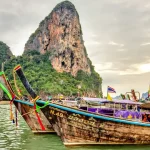
📷 Featured image by Ragnar Vorel on Unsplash.