On this page
- Northeast Thailand: Isan’s Ancient Temples and Silk Villages
- Northern Mountains: Hill Tribe Villages and Tea Plantations
- Eastern Seaboard: Industrial Heritage Meets Pristine Beaches
- Western Border: River Kwai and Floating Markets
- Southern Peninsula: Beyond Tourist Beaches
- Central Plains: Ancient Capitals and Rural Farm Stays
- Budget Reality: Regional Travel Costs in 2026
- Frequently Asked Questions
💰 Click here to see Thailand Budget Breakdown
💰 Prices updated: October, 2026. Budget figures are estimates — always verify before travel.
Exchange Rate: $1 USD = ฿33.60
Daily Budget (per person)
Shoestring: ฿900.00 – ฿1,800.00 ($26.79 – $53.57)
Mid-range: ฿2,150.00 – ฿4,000.00 ($63.99 – $119.05)
Comfortable: ฿6,000.00 – ฿12,000.00 ($178.57 – $357.14)
Accommodation (per night)
Hostel/guesthouse: ฿90.00 – ฿750.00 ($2.68 – $22.32)
Mid-range hotel: ฿1,400.00 – ฿3,500.00 ($41.67 – $104.17)
Food (per meal)
Budget meal: ฿70.00 ($2.08)
Mid-range meal: ฿250.00 ($7.44)
Upscale meal: ฿1,000.00 ($29.76)
Transport
Single metro/bus trip: ฿30.00 ($0.89)
Monthly transport pass: ฿1,155.00 ($34.38)
Thailand’s tourism recovery has created a perfect storm in 2026: Bangkok’s hotels are overbooked, Phuket’s beaches are packed, and prices have skyrocketed. Smart travellers are discovering what locals have always known — Thailand’s real treasures lie beyond the tourist trail in regions where your baht stretches further and authentic experiences await around every corner.
Northeast Thailand: Isan’s Ancient Temples and Silk Villages
Isan occupies nearly one-third of Thailand but sees less than 5% of international visitors. The region’s crown jewel, Phimai Historical Park in Nakhon Ratchasima, predates Angkor Wat by decades. Unlike Cambodia’s famous temples, you can touch the 900-year-old sandstone carvings without crowds pushing past.
The drive from Bangkok takes four hours via the new Eastern Economic Corridor expressway, completed in 2025. Alternatively, catch the 6:30 AM train from Hua Lamphong — the restored carriages feature air conditioning and reclining seats as part of the State Railway’s modernisation program.
Ban Chonnabot village, 45 minutes from Phimai, produces Thailand’s finest silk using traditional methods unchanged for centuries. Watch elderly women operate wooden looms in their front yards, creating intricate patterns passed down through generations. A handwoven scarf costs 800-1,200 THB here versus 3,000 THB in Bangkok’s Jim Thompson stores.
Ubon Ratchathani province offers the spectacular Pha Taem cliff paintings — 4,000-year-old red ochre figures overlooking the Mekong. The sunrise here reveals Laos across the river, with the golden light illuminating ancient art that depicts fishing scenes from when this area was underwater.
Northern Mountains: Hill Tribe Villages and Tea Plantations
Mae Hong Son province wraps around Myanmar’s border like a horseshoe, creating Thailand’s most isolated region. The loop road from Chiang Mai winds through 1,864 curves — locals call it “the road of a thousand curves and a thousand more.”

Doi Ang Khang, known as “Little Switzerland,” sits at 1,400 metres elevation. The Royal Agricultural Research Centre here pioneered temperate crop cultivation in tropical Thailand. Cherry blossoms bloom in December-January, creating pink carpets under morning frost that melts by 9 AM.
The nearby Akha village of Nor Lae maintains traditional bamboo houses on stilts. Unlike tourist-focused villages near Chiang Rai, Nor Lae residents still wear traditional dress daily and practice animist ceremonies. Village elder Ajarn Boonma offers overnight homestays where you’ll sleep on bamboo mats and wake to roosters crowing at 5 AM.
Sankamphaeng district, east of Chiang Mai, produces Thailand’s premium oolong tea. The misty mornings at 800 metres elevation create ideal growing conditions. At Choui Fong Tea Plantation, workers hand-pick leaves at dawn when dew concentrates the flavours. The processing facility tour shows how leaves are withered, rolled, and oxidised using techniques refined over generations.
Ban Mae Kampong village exemplifies community-based tourism done right. This 100-household village grows coffee and tea while hosting visitors in traditional wooden houses. The village-wide WiFi network, installed in 2025, supports digital nomads seeking mountain tranquillity with reliable connectivity.
Eastern Seaboard: Industrial Heritage Meets Pristine Beaches
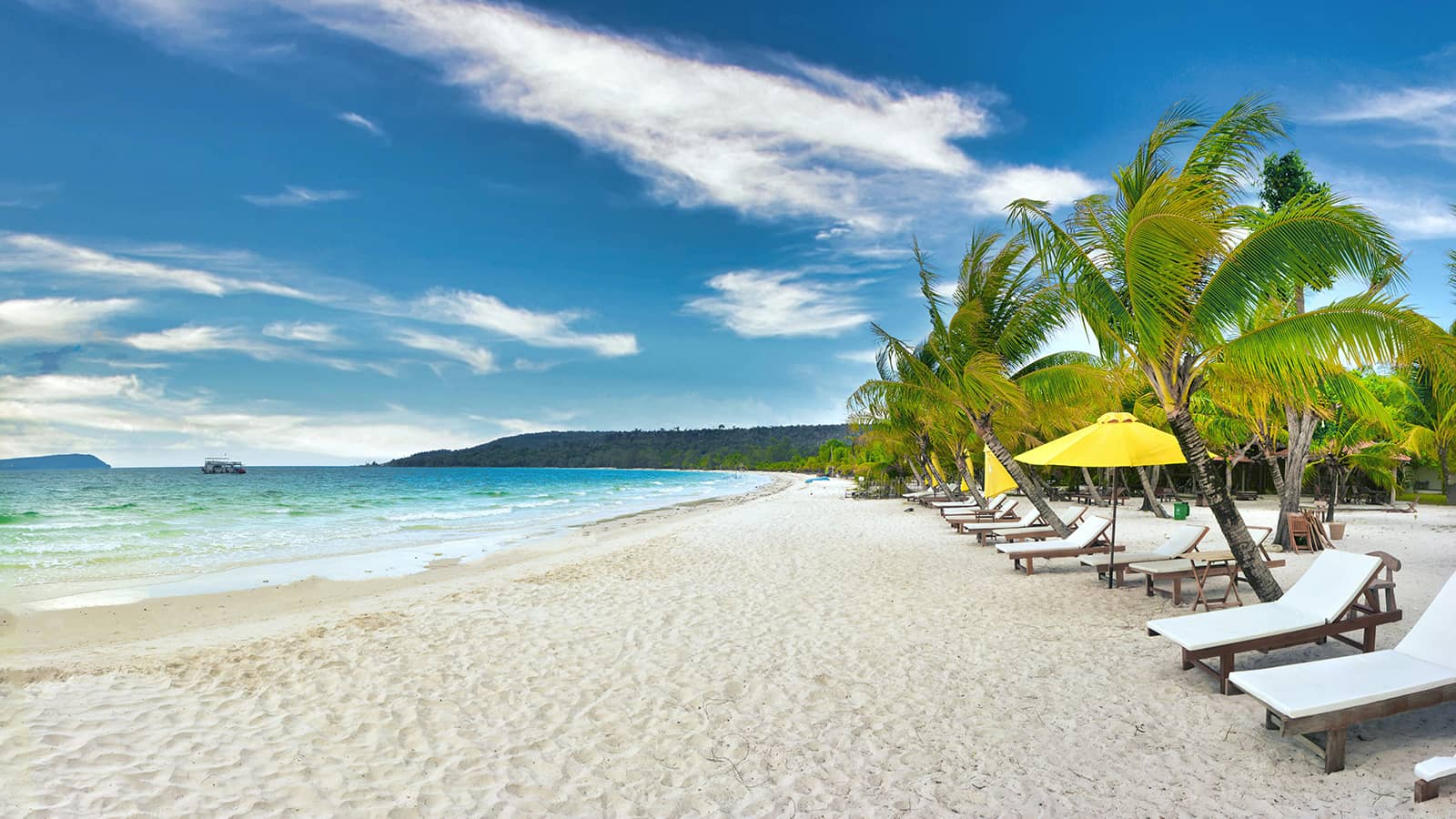
Rayong province balances heavy industry with untouched coastline. While Map Ta Phut houses Thailand’s largest petrochemical complex, nearby islands remain virtually undeveloped. Ko Samet’s northern beaches get day-trippers from Bangkok, but the southern coast stays pristine.
Koh Kham and Koh Kudee, reachable by longtail boat from Ban Phe pier, offer Robinson Crusoe experiences. Crystal-clear water reveals coral gardens just metres from shore. The absence of electricity means camping under stars so bright you can read by starlight.
Chanthaburi town, famous for gems and tropical fruit, showcases French colonial architecture from the 1890s rubber boom. The restored Cathedral of the Immaculate Conception, Thailand’s largest church, features stunning stained glass windows that cast rainbow patterns across wooden pews during morning services.

The province’s durian farms open to visitors during May-June harvest season. At Nong Bua farm, third-generation owner Khun Somchai explains how volcanic soil creates durian’s complex flavours. The experience includes tasting six varieties, from creamy Golden Pillow to intensely flavoured Monthong.
Trat province guards Thailand’s border with Cambodia at Hat Lek crossing. The Cardamom Mountains rise dramatically from mangrove swamps, creating waterfalls like Klong Plu on Koh Chang. Unlike Phuket’s developed beaches, Koh Chang’s eastern coast remains undeveloped — perfect for spotting hornbills and macaques.
Western Border: River Kwai and Floating Markets
Kanchanaburi province extends far beyond the famous bridge. The Sai Yok and Erawan waterfalls offer swimming in turquoise pools surrounded by tropical forest. Early morning visits reveal troops of langur monkeys drinking at water’s edge before tourist buses arrive.
Srinakarin Dam creates a massive lake dotted with floating hotels — bamboo rafts with thatched roofs housing restaurants and guesthouses. Sleeping on the water means gentle rocking motion and wake-up calls from kingfishers diving for breakfast.
Damnoen Saduak floating market operates authentically at 6 AM when locals shop for fresh produce. Vendors paddle narrow boats loaded with coconuts, bananas, and steaming noodle bowls. The tourist circus begins around 9 AM, but early risers experience genuine commerce on the water.
Three Pagodas Pass marks Thailand’s border with Myanmar. The original pagodas, rebuilt multiple times due to border conflicts, sit in no-man’s land between immigration posts. Walking between countries takes five minutes, though you’ll need advance visas for Myanmar entry.
Sangkhlaburi district, near Myanmar’s border, houses Thailand’s largest Mon community. The wooden Mon Bridge, rebuilt after 2013 floods, stretches 400 metres across Songkalia River. Monday morning markets feature Mon specialities like fermented tea leaf salad and sticky rice wrapped in banana leaves.

Southern Peninsula: Beyond Tourist Beaches
While Phuket and Koh Samui dominate headlines, Southern Thailand extends 1,200 kilometres from Bangkok to Malaysia. Chumphon province offers pristine diving at Koh Tao’s less-crowded sister islands. Koh Ngam Yai features healthy coral reefs where whale sharks appear February through April.
Nakhon Si Thammarat, the south’s cultural capital, houses Wat Phra Mahathat’s 78-metre chedi — Southern Thailand’s most sacred Buddhist site. The temple’s museum displays Srivijaya artifacts proving this area’s importance in medieval maritime trade.
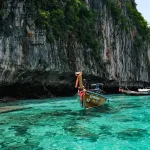
Trang province specialises in underwater cave diving. Emerald Cave on Koh Mook requires swimming through a dark tunnel to reach a hidden lagoon surrounded by limestone cliffs. Morning light streaming through the cave entrance creates an ethereal green glow on the water.
Satun province borders Malaysia and offers duty-free shopping plus pristine national parks. Tarutao National Marine Park includes 51 islands where leatherback turtles nest October through February. The park limits daily visitors to 200, ensuring uncrowded beaches and healthy ecosystems.
Deep south provinces like Yala and Pattani feature unique Malay-Muslim culture. Yala’s weekend market serves roti canai and teh tarik alongside Thai curry, reflecting the region’s cultural blend. Friday prayers at Pattani’s Central Mosque showcase ornate Islamic architecture rarely seen elsewhere in Buddhist Thailand.
Central Plains: Ancient Capitals and Rural Farm Stays
Sukhothai Historical Park preserves Thailand’s first capital in a 70-square-kilometre area. Cycling between temple ruins at sunrise reveals the grandeur of 13th-century Siam. Wat Mahathat’s seated Buddha, silhouetted against dawn light, inspired Thailand’s classic artistic style.
Si Satchanalai, 60 kilometres north, offers better-preserved ruins with fewer crowds. The Sangkhalok kilns produced ceramics exported throughout Asia during Sukhothai’s golden age. Modern potters still work using traditional techniques, firing pieces in wood-burning kilns that reach 1,200°C.

Kamphaeng Phet combines historical ruins with authentic provincial life. The morning market along Ping River features vegetables grown in surrounding fields — morning glory picked at dawn, pomelos so fresh they’re still dewy, and catfish caught overnight in rice paddies.
Lopburi province offers monkey temple spectacle at Wat Phra Prang Sam Yot, where macaques outnumber humans. November’s Monkey Festival sees locals prepare elaborate fruit banquets for their primate neighbours. The monkeys’ antics provide entertainment, but secure all belongings — they’re skilled pickpockets.
Rural homestays in Suphanburi province showcase rice farming traditions. During planting season (June-July), guests join farmers wading through muddy paddies, transplanting green shoots by hand. Evening meals feature rice harvested from the same fields, cooked in bamboo tubes over wood fires.
Budget Reality: Regional Travel Costs in 2026
Regional Thailand offers exceptional value compared to Bangkok and beach destinations. Transport, accommodation, and food costs remain significantly lower despite nationwide inflation.
Budget Traveller (per day):
Accommodation: 300-600 THB (guesthouses, homestays)
Meals: 150-250 THB (local restaurants, street food)
Transport: 100-200 THB (local buses, motorcycle taxi)
Activities: 50-150 THB (temple entry, waterfall access)
Total: 600-1,200 THB daily
Mid-Range Traveller (per day):
Accommodation: 800-1,500 THB (boutique hotels, resort-style properties)
Meals: 400-600 THB (air-conditioned restaurants, some international food)
Transport: 300-500 THB (private car hire, comfortable buses)
Activities: 200-400 THB (guided tours, cultural performances)
Total: 1,700-3,000 THB daily
Comfortable Traveller (per day):
Accommodation: 2,000-4,000 THB (luxury resorts, heritage hotels)
Meals: 800-1,200 THB (fine dining, international cuisine)
Transport: 600-1,000 THB (private transfers, domestic flights)
Activities: 500-1,000 THB (private guides, exclusive experiences)
Total: 3,900-7,200 THB daily
These prices represent 30-50% savings compared to Bangkok and Phuket equivalents. Regional domestic flights, expanded in 2025, connect major cities for 1,500-2,500 THB, making multi-region itineraries affordable.
Frequently Asked Questions
What’s the best time to visit regional Thailand?
November through February offers cool, dry weather perfect for outdoor activities. March-May gets hot but sees fewer crowds and lower prices. June-October brings rain but lush landscapes and cultural festivals.

How reliable is internet connectivity in remote areas?
Major towns have 4G coverage, and many villages now offer WiFi hotspots through government connectivity programs launched in 2025. Mountain areas may have spotty coverage, but most accommodations provide reliable internet.
Are credit cards accepted in regional Thailand?
Cities and tourist areas accept cards widely, but rural areas prefer cash. ATMs are available in all provincial capitals. Bring extra cash for markets, transportation, and small villages where cards aren’t accepted.
What languages are spoken outside tourist areas?
Thai is universal, but English proficiency varies significantly. Northeast Thailand speaks Lao dialects, the south uses Malay phrases, and northern areas have distinct local languages. Translation apps help bridge communication gaps.
How do I arrange transportation between regions?
Government buses connect all provinces with air-conditioned comfort. Private van services offer faster travel but cost more. Domestic flights serve major cities, while rental cars provide maximum flexibility for exploring multiple destinations independently.
Explore more
Beyond Bangkok & Beaches: Discover Thailand’s Best Regional Gems
Beyond Bangkok & Phuket: Uncover Thailand’s Hidden Regional Gems
Best Places to Visit in Thailand Beyond Bangkok and Phuket
📷 Featured image by Tom Lorber on Unsplash.