On this page
- Northern Thailand’s Cultural Triangle: Chiang Mai, Chiang Rai, and Pai
- Isaan Region: Authentic Thai Culture and Cuisine
- Southern Thailand’s Hidden Coastal Gems
- Central Plains: Historical Heartland and Floating Markets
- Eastern Thailand: Beaches, Islands, and Economic Boom Towns
- Budget Planning for Regional Travel
- Frequently Asked Questions
💰 Click here to see Thailand Budget Breakdown
💰 Prices updated: October, 2026. Budget figures are estimates — always verify before travel.
Exchange Rate: $1 USD = ฿33.60
Daily Budget (per person)
Shoestring: ฿900.00 – ฿1,800.00 ($26.79 – $53.57)
Mid-range: ฿2,150.00 – ฿4,000.00 ($63.99 – $119.05)
Comfortable: ฿6,000.00 – ฿12,000.00 ($178.57 – $357.14)
Accommodation (per night)
Hostel/guesthouse: ฿90.00 – ฿750.00 ($2.68 – $22.32)
Mid-range hotel: ฿1,400.00 – ฿3,500.00 ($41.67 – $104.17)
Food (per meal)
Budget meal: ฿70.00 ($2.08)
Mid-range meal: ฿250.00 ($7.44)
Upscale meal: ฿1,000.00 ($29.76)
Transport
Single metro/bus trip: ฿30.00 ($0.89)
Monthly transport pass: ฿1,155.00 ($34.38)
While Bangkok’s neon-lit streets and Phuket’s crowded beaches dominate most Thailand itineraries, the country’s true character emerges in regions where tourist buses rarely venture. In 2026, improved high-speed rail connections and upgraded domestic flight routes have made Thailand’s lesser-known provinces more accessible than ever, revealing landscapes and cultures that feel worlds apart from the well-trodden tourist trail.
Northern Thailand’s Cultural Triangle: Chiang Mai, Chiang Rai, and Pai
Northern Thailand pulses with a distinct Lanna culture that predates modern Thai kingdoms by centuries. The region’s temples display intricate woodcarvings and mirror mosaics that catch morning light like scattered diamonds, while night markets fill with the aroma of khao soi – the region’s signature coconut curry noodles with crispy egg noodles on top.
Chiang Mai serves as the natural starting point, where the Old City’s ancient walls contain over 30 temples within a perfectly square moat. The Sunday Walking Street transforms Ratchadamnoen Road into a vibrant art market where local artists sell handwoven textiles and silver jewelry. Beyond the city center, Doi Suthep’s golden pagoda overlooks valleys dotted with organic farms and elephant sanctuaries.
Chiang Rai, 180 kilometres north, houses the White Temple (Wat Rong Khun) – a contemporary Buddhist temple that gleams like spun sugar against mountain backdrops. The city also serves as the gateway to the Golden Triangle, where Thailand meets Myanmar and Laos along the Mekong River. Local hill tribe villages showcase traditional ways of life, though visitors should choose ethical tour operators that ensure communities benefit directly from tourism.
Pai, nestled in a mountain valley three hours west of Chiang Mai, attracts backpackers and digital nomads with its laid-back atmosphere and natural hot springs. The town’s main street buzzes with vegetarian restaurants and live music venues, while surrounding countryside offers waterfalls, bamboo rafting, and viewpoints overlooking misty valleys at sunrise.

Isaan Region: Authentic Thai Culture and Cuisine
Thailand’s northeastern Isaan region remains the country’s most authentic cultural heartland, where sticky rice forms the foundation of every meal and traditional music echoes through village squares. This vast plateau, bordering Laos and Cambodia, preserves customs and flavors that define Thai identity far more than any Bangkok street food tour.
Khon Kaen, the region’s unofficial capital, showcases Isaan’s modern evolution while maintaining deep cultural roots. The city’s universities and technology centers attract young professionals, creating a dynamic food scene where traditional som tam (papaya salad) vendors operate alongside craft beer bars. The nearby Phu Wiang National Park contains dinosaur fossils and prehistoric rock art, offering glimpses into landscapes that existed millions of years before humans arrived.
Udon Thani provides access to Ban Chiang, a UNESCO World Heritage site where archaeologists have uncovered Bronze Age artifacts dating back 5,000 years. The town also serves as a base for exploring Nong Khai province along the Mekong River, where French colonial architecture reflects the region’s complex history with neighboring Laos.
Isaan’s culinary traditions center around bold, fiery flavors that incorporate fermented fish sauce, roasted rice powder, and chilies that bring tears to unprepared visitors. Local markets sell insects as protein-rich snacks, while restaurants serve larb (spicy meat salad) and grilled fish wrapped in banana leaves. The region produces Thailand’s finest sticky rice, which locals eat by hand from small bamboo containers.
Festival culture thrives throughout Isaan, with rocket festivals (Bun Bang Fai) celebrating the rainy season and silk weaving competitions showcasing textile traditions passed down through generations. Villages maintain community forests where spirits are believed to reside, creating sacred groves that preserve biodiversity in an increasingly developed landscape.

Southern Thailand’s Hidden Coastal Gems
While Phuket and Krabi attract international attention, Southern Thailand’s eastern and western coasts harbor secluded beaches, pristine islands, and fishing communities where life revolves around tidal rhythms rather than tourism schedules. These destinations require more effort to reach but reward travelers with authentic coastal experiences.
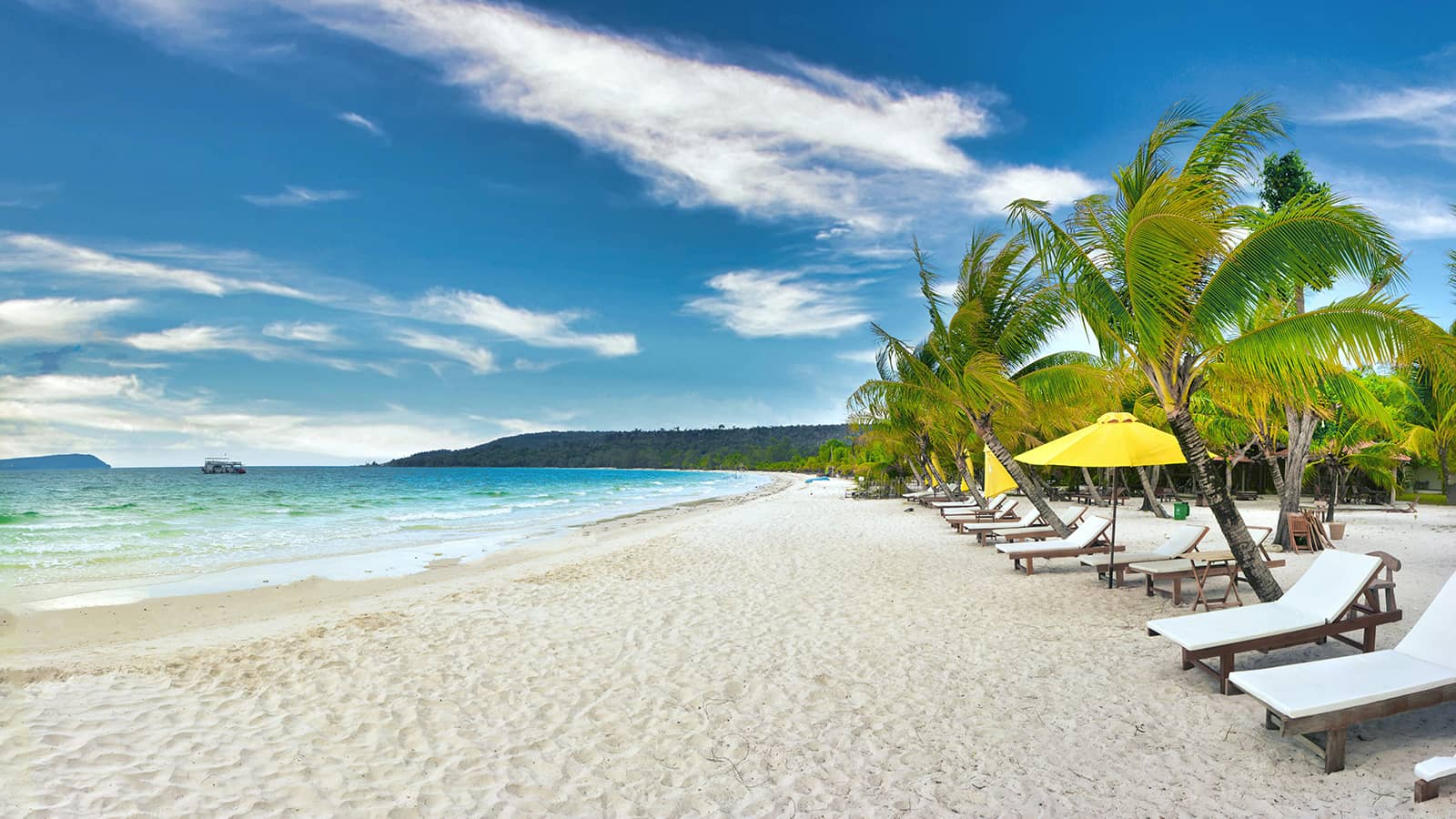
Koh Lanta, in Krabi province, offers a gentler alternative to busier islands. The island’s west coast features seven beaches with different personalities – from the backpacker scene at Long Beach to family-friendly Klong Dao Beach with its shallow, warm waters. Local fishing villages on the eastern shore serve fresh seafood in restaurants where tables sit directly on the sand, and traditional longtail boats offer sunset cruises through mangrove channels.
Trang province, further south, contains islands accessible only by longtail boat from Pak Meng Pier. Koh Ngai and Koh Mook feature pristine coral reefs and empty beaches where the only sounds come from waves and tropical birds. The famous Emerald Cave (Morakot Cave) on Koh Mook requires swimming through a dark tunnel to reach a hidden lagoon surrounded by limestone cliffs.
On the eastern coast, Koh Samet in Rayong province sits just three hours from Bangkok but feels like a different country entirely. The island’s beaches face different directions, creating varied atmospheres – from party scenes at Haad Sai Kaew to quiet retreats at Ao Wai beach. Local seafood restaurants grill fish directly on the beach while traditional Thai dance performances illuminate full moon nights.
Chumphon province serves as the gateway to the southern peninsula, where the Gulf of Thailand meets the Andaman Sea. The town itself offers excellent diving opportunities at nearby islands, while Mu Ko Chumphon National Park protects coral reefs and sea grass beds that support diverse marine ecosystems.

Central Plains: Historical Heartland and Floating Markets
The fertile Central Plains region, fed by the Chao Phraya River and its tributaries, cradles Thailand’s historical kingdoms and agricultural traditions. Ancient capitals rise from rice paddies like stone dreams, while floating markets continue trading patterns established centuries before modern Thailand existed.
Ayutthaya, the former capital destroyed by Burmese armies in 1767, presents one of Southeast Asia’s most atmospheric archaeological sites. The Historical Park contains temple ruins where headless Buddha statues sit in meditation pose, their stone faces worn smooth by centuries of weather. Tree roots have grown through and around ancient structures, creating otherworldly landscapes where nature and human history intertwine. The city’s night market serves boat noodles and traditional sweets while temple silhouettes create dramatic backdrops against sunset skies.
Sukhothai, Thailand’s first capital, offers a more peaceful historical experience than crowded Ayutthaya. The Historical Park spreads across a vast area where visitors cycle between temple complexes on shaded paths. The famous walking Buddha statues display the elegant artistic style that defined the Sukhothai period, while lotus ponds reflect ancient pagodas in still water during early morning hours.
Floating markets throughout the region maintain traditional trading methods, though tourism has transformed many into performance venues. Damnoen Saduak, while touristy, still operates as a genuine market where vendors sell fresh produce from narrow boats. Amphawa, closer to Bangkok, comes alive during evening hours when restaurants line the canals and traditional wooden houses glow with lantern light.
Kanchanaburi province combines historical significance with natural beauty. The Bridge over the River Kwai memorial sites commemorate World War II events, while Erawan National Park contains seven-tiered waterfalls with pools perfect for swimming. The province’s elephant camps focus on conservation rather than entertainment, offering opportunities to observe Asian elephants in near-natural environments.

Eastern Thailand: Beaches, Islands, and Economic Boom Towns
Eastern Thailand balances pristine coastlines with rapid economic development, creating unique destinations where traditional fishing villages neighbor industrial zones and international universities. The Eastern Economic Corridor (EEC) development has improved infrastructure throughout the region, making previously remote areas easily accessible.
Koh Chang, Thailand’s second-largest island, provides a less developed alternative to southern island destinations. The island’s western beaches offer everything from backpacker bungalows to luxury resorts, while the eastern shore maintains traditional fishing villages where visitors can join local boat trips to catch squid and observe bioluminescent plankton. Koh Chang’s interior contains tropical rainforest with waterfalls and hiking trails that lead to viewpoints overlooking the Cambodian coast.
Rayong province has transformed from a quiet fishing region into an industrial and educational hub, but retains beautiful coastal areas and islands. The Ban Phe area serves as departure point for Koh Samet, while local seafood restaurants specialize in dishes featuring the region’s famous pla kapong (white snapper) and kung mangkorn (mantis shrimp).
Chanthaburi, known as Thailand’s gem trading center, offers cultural diversity with significant Chinese, Vietnamese, and Cambodian communities. The old town features colonial-era buildings and the largest Catholic cathedral in Thailand. Local markets sell tropical fruits including the world’s finest durian, while weekend gem markets attract dealers from across Southeast Asia.
Trat province, bordering Cambodia, contains some of Thailand’s most pristine coastal environments. Koh Kood island features white sand beaches and crystal-clear water with minimal development, while mainland national parks protect mangrove forests and sea grass beds essential for dugong conservation.
Budget Planning for Regional Travel
Exploring Thailand beyond Bangkok and Phuket often costs significantly less than staying in major tourist centers, though transportation between regions requires careful planning. Budget travelers can experience authentic Thai culture for 800-1,200 THB daily, while comfortable accommodations and private transport raise costs to 2,500-4,000 THB per day.

Budget Range (800-1,200 THB/day): Guesthouse dormitories or basic private rooms (200-400 THB), street food and local restaurants (200-300 THB for all meals), local buses and songthaews for transport (100-200 THB), temple visits and hiking (free-50 THB entry fees), beer and local nightlife (200-300 THB).
Mid-Range (1,500-2,500 THB/day): Private rooms with air conditioning (600-1,000 THB), restaurant meals including some Western options (400-600 THB), mix of local transport and taxis (200-400 THB), organized tours and activities (300-500 THB), moderate drinking and entertainment (300-500 THB).
Comfortable (3,000-5,000 THB/day): Boutique hotels or resorts (1,500-2,500 THB), varied dining including upscale restaurants (700-1,000 THB), private transport or rental vehicles (500-800 THB), premium tours and activities (500-800 THB), cocktails and upscale venues (400-700 THB).
Transportation costs vary significantly by route and timing. New budget airline routes in 2026 have made domestic flights more affordable, with Bangkok to Chiang Mai flights starting at 1,800 THB, while bus journeys cost 400-800 THB but require 8-12 hours. The upcoming high-speed rail network will offer premium transport options at mid-range prices once fully operational.
Frequently Asked Questions
How has domestic transport improved in Thailand by 2026?
New high-speed rail connections, expanded budget airline routes, and improved highway infrastructure have made regional destinations more accessible. The Bangkok-Chiang Mai high-speed rail reduces journey time to 3.5 hours, while new domestic flight routes connect previously isolated provinces directly to major cities.
Which regions offer the best value for budget travelers?
Isaan region provides exceptional value with authentic experiences, delicious food, and accommodation costs 40-60% lower than Bangkok or southern beaches. Northern mountain provinces also offer excellent value, especially during cool season when comfortable guesthouses cost 300-500 THB nightly.

Are language barriers significant in rural Thailand?
English proficiency decreases outside major tourist areas, but smartphone translation apps work effectively for basic communication. Learning basic Thai phrases enhances interactions, and most accommodations have staff who speak some English. Local dialects in northern and northeastern regions differ from central Thai.
What vaccinations or health precautions are needed for rural travel?
Standard Thailand vaccinations (hepatitis A/B, typhoid, Japanese encephalitis for rural areas) remain recommended. Malaria risk exists in some border areas, particularly near Myanmar and Cambodia. Travel insurance should cover medical evacuation from remote areas to Bangkok hospitals.
How far in advance should accommodation be booked?
Book 2-3 weeks ahead for cool season travel (November-February) in mountain areas and popular islands. Hot season (March-May) and rainy season (June-October) offer more flexibility. Festival periods like Songkran (April) and Loy Krathong (November) require advance booking regardless of destination.
Explore more
Thailand Off The Beaten Path: Your Guide to Authentic Regions
Beyond Bangkok & Phuket: Uncover Thailand’s Hidden Regional Gems
Beyond Bangkok & Beaches: Discover Thailand’s Best Regional Gems