On this page
- When and Where Songkran Happens Across Thailand
- The Sacred Side: Traditional Temple Ceremonies and Merit-Making
- Street Celebrations and Water Festival Hotspots
- What to Pack and How to Protect Your Belongings
- Food, Drinks and Festival Feasts During Songkran
- Budget Planning for Songkran 2026
- Frequently Asked Questions
Thailand’s most beloved festival is also its wettest, and navigating Songkran as a visitor requires more preparation than simply bringing a water gun. In 2026, expect larger crowds than previous years as international tourism has fully rebounded, making advance bookings and strategic planning essential for experiencing this incredible celebration without the stress.
When and Where Songkran Happens Across Thailand
Songkran officially runs from April 13-15, 2026, but the actual celebration stretches longer in different regions. Bangkok’s main festivities peak on April 13-14, while Chiang Mai extends the party through April 16. Pattaya typically celebrates later, around April 19, giving you multiple chances to experience the festival.
The celebration varies dramatically by location. Bangkok’s Khao San Road transforms into a massive street party where backpackers and locals drench each other with industrial-strength water guns. The sweet fragrance of jasmine water mingles with the chaos of thousands of people packed into narrow streets, creating an almost overwhelming sensory experience.
Northern Thailand offers a more traditional approach. In Chiang Mai’s Old City, the festival centers around ancient temples where you’ll witness the gentle pouring of scented water over Buddha statues and the hands of elders. The contrast between sacred morning ceremonies and afternoon water battles creates a uniquely Thai balance of reverence and joy.
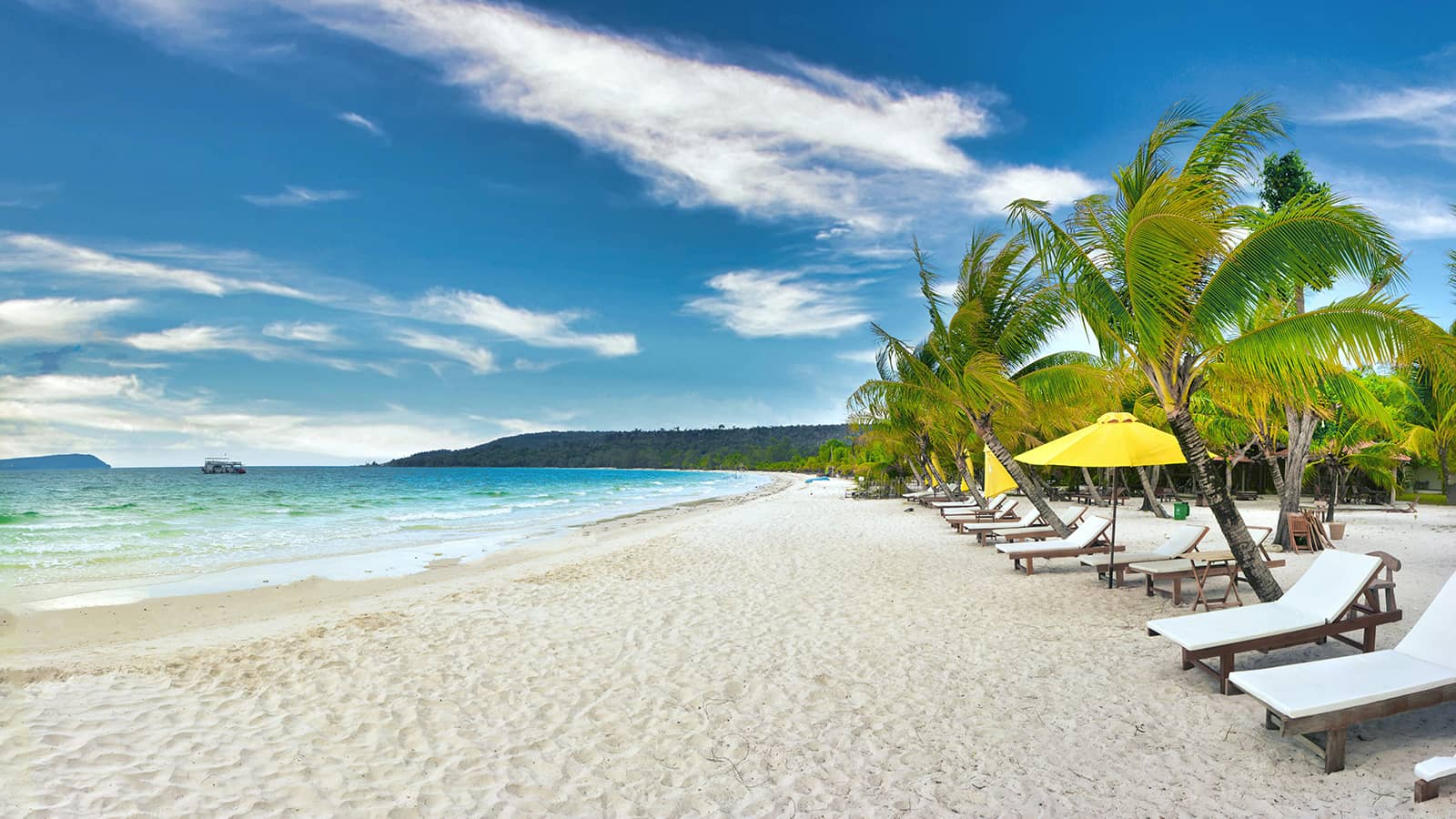
Southern provinces like Phuket and Krabi blend beach culture with Songkran traditions. Here, the festival extends to beachfront celebrations where seawater replaces city fountains, and sunset beach parties follow daytime water fights.
The Sacred Side: Traditional Temple Ceremonies and Merit-Making
Beyond the water fights lies Songkran’s spiritual heart. The festival marks the Thai New Year according to the lunar calendar, traditionally a time for cleaning homes, making merit at temples, and honoring elders and ancestors.

Temple visits begin early morning when the air is cool and incense smoke drifts through courtyards filled with marigolds and lotus flowers. Locals bring offerings of food, flowers, and small amounts of money to earn merit for the coming year. Many temples offer special blessing ceremonies where monks chant prayers while sprinkling holy water over participants.
The ritual of Rod Nam Dam Hua involves gently pouring jasmine-scented water over the hands of elders and family members while asking for forgiveness and blessings. This ceremony happens in temple courtyards and family homes throughout Thailand, representing respect, gratitude, and the washing away of bad luck from the previous year.
Wat Pho and Wat Arun in Bangkok host elaborate Songkran ceremonies, but smaller neighborhood temples often provide more intimate experiences. In Chiang Mai, Wat Chedi Luang becomes a focal point where hundreds gather to participate in group blessing ceremonies led by senior monks.
Sand pagoda building is another sacred tradition where families construct small stupas in temple courtyards using sand, flowers, and colorful flags. These temporary monuments represent bringing back sand that sticks to shoes throughout the year, symbolically returning what was taken from sacred grounds.
Street Celebrations and Water Festival Hotspots
The transformation of Thai streets during Songkran creates an atmosphere unlike any other festival worldwide. Major roads become rivers of celebration where pickup trucks loaded with water barrels cruise slowly while passengers armed with super soakers engage in friendly warfare with sidewalk crowds.
Bangkok’s Silom Road converts into pedestrian-only party zone where office buildings become water-throwing platforms and street vendors sell everything from waterproof phone cases to industrial-sized water guns. The cacophony of laughter, splashing water, and Thai pop music creates an infectious energy that pulls even reluctant participants into the festivities.

Khao San Road attracts the largest international crowd, but locals prefer areas like Sanam Luang near the Grand Palace where traditional elements blend with modern celebrations. Here, classical Thai music accompanies water fights, and food vendors serve traditional sweets alongside modern festival snacks.
Chiang Mai’s moat road system creates natural boundaries for the celebration, with ancient city walls providing dramatic backdrops for water battles. The combination of centuries-old architecture and modern revelry makes northern celebrations particularly photogenic, though protecting cameras becomes a constant challenge.
Regional variations add unique flavors to celebrations. In Ayutthaya, ancient ruins provide stunning settings for traditional ceremonies before afternoon water fights begin. Hua Hin’s beachfront celebrations merge ocean activities with festival traditions, while Kanchanaburi combines riverside settings with historical significance.
What to Pack and How to Protect Your Belongings
Surviving Songkran requires strategic packing focused on water protection and quick-dry materials. Waterproof phone cases are absolutely essential, but test them before the festival begins. Many visitors discover leaky cases only after their devices are ruined.
Quick-dry clothing works best for extended street celebrations. Cotton shirts become heavy and uncomfortable when soaked, while synthetic materials dry faster and feel more comfortable during long festival days. Flip-flops or water shoes with good grip prevent slipping on wet pavement, which becomes surprisingly dangerous when thousands of people create constant puddles.
Protecting valuables requires planning beyond waterproof bags. Hotel safety deposit boxes become essential for passports, extra cash, and electronics not needed during celebrations. Many experienced festival-goers bring waterproof action cameras specifically for Songkran, accepting that regular cameras and phones should stay safely stored.
Sunscreen needs frequent reapplication since water washes it away constantly. Thai pharmacies stock waterproof formulations specifically for Songkran, often displayed prominently in stores during festival season. Hat strings or clips prevent losing headwear during surprise water attacks.

Transportation planning becomes crucial since taxis and motorbike taxis often avoid festival zones entirely. Walking becomes the most reliable option, but plan routes carefully since some areas become impassable due to crowds and flooding from excessive water use.
Essential Songkran Packing List
- Waterproof phone case (tested before use)
- Quick-dry synthetic clothing
- Non-slip water shoes
- Waterproof sunscreen
- Small waterproof day bag
- Plastic bags for emergency electronics protection
- Cash in small denominations (ATMs may be crowded)
- Towel that dries quickly
Food, Drinks and Festival Feasts During Songkran
Songkran brings special foods that appear only during festival season, creating unique culinary experiences alongside the water celebrations. Traditional sweets called khanom fill market stalls, including coconut-based treats shaped like miniature fruits and flowers that dissolve on your tongue with delicate sweetness.
Regional specialties emerge during Songkran celebrations. Northern Thailand features khao tom mad, sticky rice cooked in bamboo tubes that creates an earthy, smoky flavor unique to festival season. Southern regions emphasize fresh seafood and tropical fruits, while central Thailand focuses on elaborate curry dishes served at community gatherings.
Temple food offerings provide another culinary dimension during Songkran. Devotees prepare elaborate dishes to offer at temples, including whole roasted pigs, pyramids of tropical fruits, and intricate desserts that demonstrate both devotion and culinary skill. Many temples share these offerings with visitors after blessing ceremonies conclude.
Alcohol consumption patterns change during Songkran as beer becomes the preferred beverage for extended outdoor celebrations. Local convenience stores stock extra supplies, but prices often increase during peak festival days. Chang and Singha beers remain most popular, though craft beer options have expanded significantly in tourist areas.
Food safety requires extra attention during Songkran since vendors operate in challenging conditions with constant water exposure. Stick to busy stalls with high turnover, and avoid raw or undercooked items that may have been compromised by festival conditions.

Budget Planning for Songkran 2026
Songkran expenses vary dramatically depending on your celebration style and location choice. Accommodation prices spike during festival dates, often doubling or tripling normal rates in popular destinations like Bangkok’s Khao San area or Chiang Mai’s Old City.
Budget Tier Breakdown
Budget Celebrations (1,500-2,500 THB per day):
Hostel dormitory accommodations run 800-1,200 THB per night during Songkran, compared to 400-600 THB during normal periods. Street food provides meals for 150-300 THB each, while local beer costs 80-120 THB in convenience stores. Water guns and festival supplies add 200-500 THB depending on your participation level.
Mid-Range Experience (3,500-6,000 THB per day):
Mid-range hotel rooms cost 2,500-4,000 THB per night during festival peak. Restaurant meals range from 400-800 THB each, while organized activities like temple tours or cultural shows add 800-1,500 THB. Transportation via taxi or private car becomes necessary when public transport overcrowds, adding 500-1,000 THB daily.
Comfortable Celebration (7,000+ THB per day):
Premium hotels charge 6,000-12,000 THB per night, often requiring minimum stay commitments during Songkran weekend. Fine dining experiences cost 1,500-3,000 THB per meal, while private guides or exclusive temple access tours range from 2,500-5,000 THB. Spa treatments after festival days add 2,000-4,000 THB for recovery sessions.
Additional festival-specific costs include waterproof gear protection, extra laundry services, and emergency phone repairs that can add 1,000-3,000 THB to any budget level. Many visitors underestimate these ancillary expenses that accumulate during multi-day celebrations.
Booking accommodations by January 2026 provides better rates and availability, while last-minute bookings often face premium pricing or limited options entirely. Festival-adjacent dates offer significant savings if your schedule allows flexibility around April 13-15.

Frequently Asked Questions
Can I avoid getting wet during Songkran celebrations?
Staying completely dry is nearly impossible in festival areas, but early morning temple visits and indoor venues offer respite. Locals generally respect those who politely decline participation, especially near religious sites.
Are shops and restaurants open during Songkran?
Most businesses close April 13-15, especially banks and government offices. Tourist-oriented restaurants and convenience stores usually remain open, but expect limited hours and higher prices during peak festival days.
Is Songkran safe for families with children?
Family participation works well with proper planning. Choose less crowded celebration areas, avoid peak afternoon hours, and focus on temple activities and cultural demonstrations rather than intense water battles.
Do I need to book transportation in advance during Songkran?
Yes, especially for inter-city travel. Buses, trains, and domestic flights fill up weeks before festival dates. Local transportation becomes limited, so plan walking routes or book private vehicles ahead.
What happens if my phone or camera gets damaged during water fights?
Electronics repair shops in tourist areas stock up for post-Songkran damage, but repair costs can be expensive. Insurance claims often exclude water damage from festival participation, making waterproof protection essential rather than optional.
Explore more
April in Thailand: How to Celebrate Songkran and Beat the Heat
Thailand Travel Update 2026: New Rules, New Rails, and New Destinations
April in Thailand: Navigating the Heat and Making the Most of Your Trip
📷 Featured image by Alejandro Cartagena 🇲🇽🏳🌈 on Unsplash.