On this page
- Songkran Festival Guide: Dates, Traditions, and Regional Variations
- Surviving Thailand’s Hottest Month: Heat Management Strategies
- What to Pack for April’s Extreme Weather and Water Fights
- Budget Breakdown: April Costs and Festival Expenses
- Smart Timing: When to Avoid Crowds During Peak Season
- Frequently Asked Questions
April in Thailand presents a fascinating contradiction: it’s simultaneously the country’s hottest month and its most joyfully wet celebration. While temperatures regularly soar past 40°C across the kingdom, the three-day Songkran water festival transforms streets into massive water fights. Many visitors struggle with this timing, arriving unprepared for both the scorching heat and the cultural significance of Thailand’s most important holiday.
Songkran Festival Guide: Dates, Traditions, and Regional Variations
Songkran officially runs from April 13-15, 2026, though celebrations often stretch from April 12-16 depending on location. This marks the traditional Thai New Year, originally timed to coincide with the end of the dry season. The festival’s name derives from the Sanskrit word meaning “to move” or “change,” representing the sun’s movement into a new zodiac sign.
The water throwing tradition began as a gentle ritual of pouring scented water over Buddha statues and elderly relatives’ hands as a mark of respect. Modern celebrations have evolved into exuberant street parties where anyone becomes a target for water guns, buckets, and hoses. The golden morning light filtering through temple courtyards as monks receive offerings creates a striking contrast to the afternoon chaos of water battles throughout Thailand’s cities.
Northern Thailand, particularly Chiang Mai, maintains stronger traditional elements. Here, you’ll witness elaborate sand pagoda construction at temples, where families build miniature stupas from river sand mixed with flowers and incense. The ancient city walls echo with the sounds of traditional drums and the splash of water as locals perform merit-making ceremonies before joining the street festivities.
Central Thailand, including Bangkok, blends tradition with commercial celebration. Silom Road transforms into a massive outdoor party with stages, vendors, and thousands of revelers armed with water weapons. The festival extends into areas like Khao San Road, where backpackers mix with locals in marathon water fights that can last from dawn to midnight.
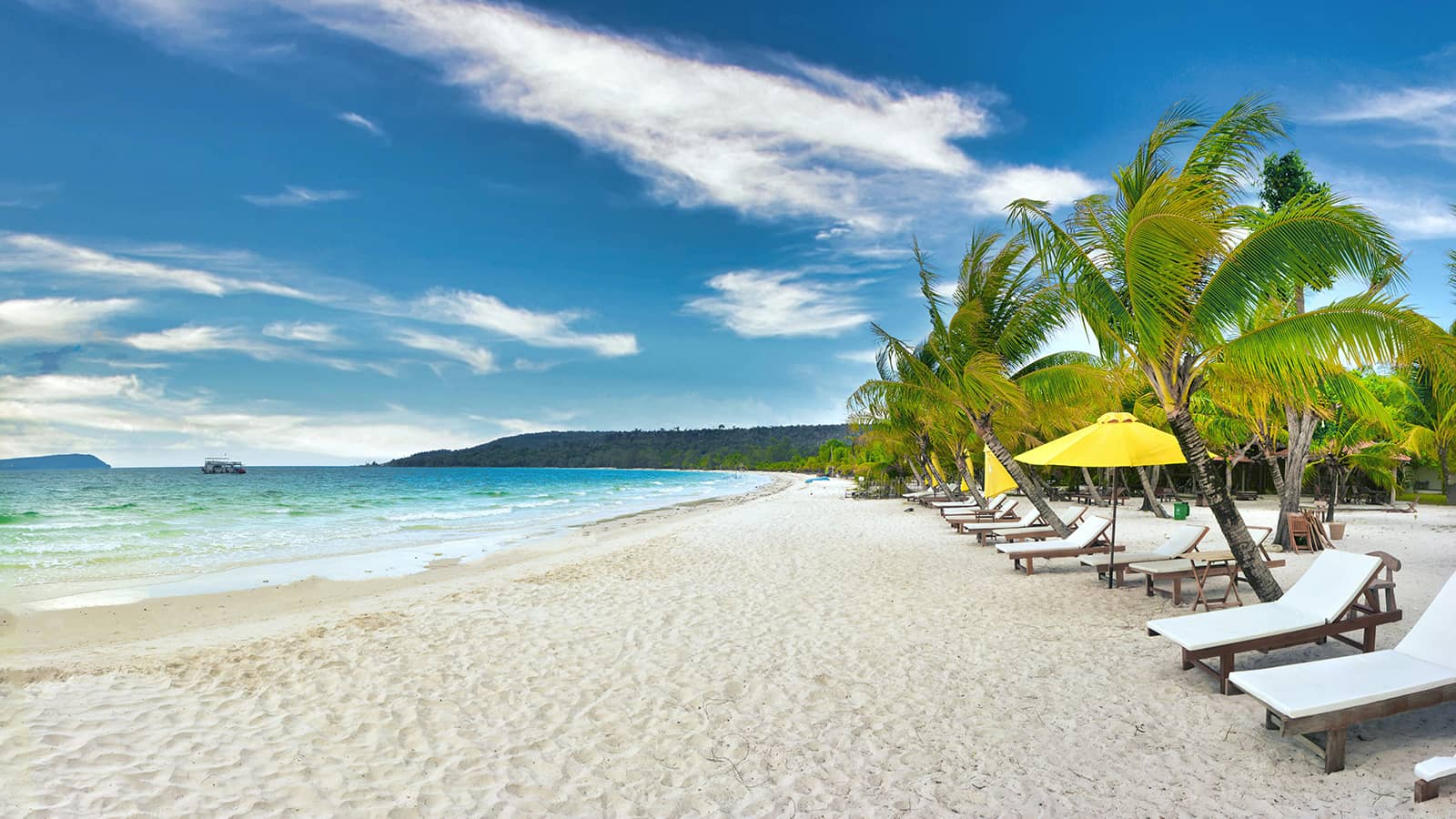
Southern Thailand adds its own flavor, particularly in tourist areas like Phuket and Koh Samui. Beach towns combine beach parties with traditional elements, creating unique celebrations where you might find yourself doused with seawater while enjoying fresh seafood grilled over coconut husks.
Surviving Thailand’s Hottest Month: Heat Management Strategies
April temperatures regularly exceed 40°C in Bangkok, Ayutthaya, and central Thailand, with humidity levels that make the heat index feel even higher. The scorching concrete and asphalt intensify the sensation, particularly between 11:00 AM and 4:00 PM when the sun reaches peak intensity.
Start your days early. Most temples open for morning ceremonies around 6:00 AM when temperatures hover around 28-30°C. This timing allows you to participate in traditional merit-making activities before the heat becomes unbearable and the water fights begin in earnest.
Seek air-conditioned refuges strategically. Shopping malls become essential survival tools, not just for shopping but for cooling breaks. Central World, MBK Center, and Terminal 21 in Bangkok all feature extensive food courts and rest areas where you can recharge between outdoor activities.
Hydration requires constant attention. Drink water every 20-30 minutes, even if you don’t feel thirsty. Coconut water vendors appear throughout festival areas, offering natural electrolyte replacement. The slightly sweet, refreshing taste provides immediate relief from the oppressive heat while supporting local vendors.
Choose accommodation with excellent air conditioning and backup power systems. April’s extreme heat strains electrical grids, and power outages become more common. Hotels and guesthouses with generators ensure you have a cool retreat when needed most.
Plan indoor alternatives for the hottest hours. Museums, temples with covered areas, and cultural centers provide cultural engagement without heat exposure. The National Museum in Bangkok, for example, offers comprehensive Thai history in climate-controlled comfort.

What to Pack for April’s Extreme Weather and Water Fights
Your clothing strategy must balance extreme heat protection with inevitable soaking. Quick-dry synthetic fabrics work best, as cotton takes hours to dry in April’s humidity. Lightweight, long-sleeved shirts provide sun protection while drying rapidly after water encounters.
Footwear presents unique challenges. Waterproof sandals with good grip become essential, as streets remain wet throughout festival days. Avoid leather shoes entirely – they’ll never fully dry and may develop mold in the humidity. Flip-flops work for casual walking but provide poor grip on wet surfaces during active celebrations.
Waterproof protection for electronics requires serious consideration. Quality waterproof phone cases cost 300-500 THB in most electronics markets but save expensive devices from water damage. Portable chargers should also have waterproof protection, as you’ll need extra power for photography and navigation.
Sun protection becomes critical. SPF 50+ sunscreen requires reapplication every hour, even when you’re being splashed with water. Wide-brimmed hats provide essential shade but should be secured with straps to survive water battles. Polarized sunglasses reduce glare from wet surfaces that intensify already harsh sunlight.
Pack cooling accessories. Cooling towels, available at most 7-Eleven stores for 150-200 THB, provide instant relief when soaked in cold water. Small battery-powered fans help during transportation between air-conditioned spaces.
Bring festival-appropriate water weapons if you want to participate actively. Super soakers range from 200-800 THB in markets throughout Bangkok and tourist areas. Many vendors appear during festival week selling everything from small water pistols to elaborate pump-action rifles.
Budget Breakdown: April Costs and Festival Expenses
April represents peak season pricing across Thailand, with Songkran adding additional premium costs. Understanding these expenses helps avoid budget shock during the kingdom’s most expensive travel period.

Budget Level (1,800-2,500 THB per day):
Hostels in shared dorms: 600-800 THB
Street food and local restaurants: 400-600 THB
Local transportation (BTS/MRT): 200-300 THB
Water and cooling drinks: 200-300 THB
Basic water gun and festival supplies: 200-400 THB
Mid-Range Level (3,500-5,500 THB per day):
Private hotel rooms with AC: 1,500-2,200 THB
Mix of restaurant meals and street food: 800-1,200 THB
Grab/taxi transportation: 500-800 THB
Drinks, snacks, cooling items: 400-600 THB
Festival gear and tourist activities: 600-1,000 THB
Comfortable Level (6,000-12,000 THB per day):
Premium hotels with spa facilities: 3,000-6,000 THB
Restaurant dining with air conditioning: 1,500-2,500 THB
Private transportation/tours: 1,000-2,000 THB
Premium cooling gear and drinks: 500-800 THB
Cultural activities and shopping: 1,000-2,000 THB
Festival-specific costs add 20-40% to normal travel budgets. Hotel rates spike 50-100% during April 13-16, particularly in popular areas like Silom, Khao San Road, and Chiang Mai’s old city. Book accommodations by February for best rates, as availability disappears rapidly for prime locations.
Food costs increase due to higher demand and festival surcharges. Street vendors often raise prices 10-20% during peak celebration days. Air-conditioned restaurants become premium refuges, justifying higher prices for cooling comfort alongside meals.
Smart Timing: When to Avoid Crowds During Peak Season
Songkran crowds follow predictable patterns that allow strategic planning for both participation and avoidance. Understanding these rhythms maximizes your experience while minimizing overwhelming situations.
Morning hours (6:00-10:00 AM) offer the best temple experiences with minimal crowds and manageable temperatures. Most tourists remain in air-conditioned accommodations during these cooler hours, leaving traditional ceremonies primarily to locals and dedicated cultural travelers.
Peak chaos occurs from 11:00 AM to 4:00 PM, when heat drives everyone to seek water-based relief. Silom Road, Khao San Road, and Chiang Mai’s Tha Phae Gate become nearly impassable during these hours. Plan indoor activities or retreat to air-conditioned spaces if you prefer avoiding intense crowds.

Evening celebrations (5:00-9:00 PM) provide middle ground between cultural authenticity and manageable crowds. Temperatures drop slightly, making outdoor participation more comfortable while maintaining festival energy without peak afternoon intensity.
April 13 draws the largest crowds as both Thai families and international tourists begin celebrations simultaneously. April 14 often provides the best balance of authentic participation without overwhelming numbers. April 15 sees gradual wind-down in most areas, though some locations extend festivities.
Weekday celebrations in the days surrounding the official festival offer authentic experiences with significantly smaller crowds. Many locals participate throughout the extended period, but tourist numbers drop substantially on non-weekend days.
Transportation timing becomes crucial. Avoid major route changes between 11:00 AM and 5:00 PM, as wet roads and massive crowds create significant delays. BTS and MRT systems handle crowds well but stations near celebration areas experience heavy congestion during peak hours.
Frequently Asked Questions
Can I avoid getting wet during Songkran if I don’t want to participate?
Yes, but it requires careful planning. Stay in air-conditioned areas like malls, avoid major streets, and use covered walkways. Some taxis and tuk-tuks offer “no water” services for higher fees, though this isn’t guaranteed.
Is it safe to drink tap water during the festival, or should I stick to bottled water?
Stick to bottled water exclusively. Festival water comes from various sources and may not be potable. Bring your own drinking water and avoid opening your mouth during water fights to prevent accidental ingestion.
What’s the best way to protect valuables during Songkran celebrations?
Use waterproof pouches for electronics and documents. Leave unnecessary valuables in hotel safes. Carry minimal cash in waterproof containers. Many hotels offer secure storage services specifically during Songkran.
Are there age restrictions or areas where children should avoid during the festival?
No official restrictions exist, but major party areas like Silom Road can be overwhelming for young children. Family-friendly celebrations occur at temples and designated areas in parks. Beach destinations often provide calmer alternatives.
How far in advance should I book accommodation for Songkran 2026?
Book by January for best selection and rates. Popular areas like Bangkok’s Silom district and Chiang Mai’s old city fill completely by February. Prices increase 50-100% during festival dates, making early booking essential for budget management.
Explore more
Thailand Travel Update 2026: New Rules, New Rails, and New Destinations
Your Essential Guide to Songkran 2026: Celebrating Thailand’s New Year in April
April in Thailand: Navigating the Heat and Making the Most of Your Trip
📷 Featured image by Jakob Owens on Unsplash.