On this page
- Krabi’s Geographic Personality
- Navigating Krabi’s Essential Neighborhoods
- Limestone Giants and Climbing Culture
- Island Hopping Adventures
- Hidden Lagoons and Emerald Pools
- Local Food Havens
- Transportation Hub
- Adventure Activities Beyond Climbing
- Sunset & Nightlife Scenes
- Shopping & Local Markets
- Where to Sleep
- Weather Windows & Timing
- Practical Tips
- Budget Breakdown
- Frequently Asked Questions
💰 Click here to see Thailand Budget Breakdown
💰 Prices updated: October, 2026. Budget figures are estimates — always verify before travel.
Exchange Rate: $1 USD = ฿33.60
Daily Budget (per person)
Shoestring: ฿900.00 – ฿1,800.00 ($26.79 – $53.57)
Mid-range: ฿2,150.00 – ฿4,000.00 ($63.99 – $119.05)
Comfortable: ฿6,000.00 – ฿12,000.00 ($178.57 – $357.14)
Accommodation (per night)
Hostel/guesthouse: ฿90.00 – ฿750.00 ($2.68 – $22.32)
Mid-range hotel: ฿1,400.00 – ฿3,500.00 ($41.67 – $104.17)
Food (per meal)
Budget meal: ฿70.00 ($2.08)
Mid-range meal: ฿250.00 ($7.44)
Upscale meal: ฿1,000.00 ($29.76)
Transport
Single metro/bus trip: ฿30.00 ($0.89)
Monthly transport pass: ฿1,155.00 ($34.38)
Krabi’s postcard-perfect limestone towers rising from turquoise waters have made it Thailand’s most photographed province, but in 2026, overtourism at iconic spots like Maya Bay has pushed savvy travelers toward Krabi’s lesser-known gems. The challenge isn’t finding beauty here — it’s choosing between hundreds of hidden lagoons, secret beaches, and climbing routes that most visitors never discover.
Krabi’s Geographic Personality
Krabi spreads across 4,708 square kilometers of Andaman coastline, where ancient limestone karst formations create a maze of islands, hidden lagoons, and towering cliffs that have been 250 million years in the making. Unlike Phuket’s developed beaches or Koh Samui’s party scene, Krabi maintains an adventure-first atmosphere where rock climbers share longtail boats with families seeking secluded swimming holes.
The province divides into distinct personalities: Ao Nang buzzes with tour operators and international restaurants, while Railay Beach feels like a climber’s paradise accessible only by boat. Krabi Town keeps local life authentic along the Krabi River, and Klong Muang offers upscale resorts without the crowds. Each area serves different travel styles, from backpacker-friendly guesthouses to luxury resorts carved into cliffsides.
What sets Krabi apart from Thailand’s other coastal destinations is its vertical landscape. Those limestone towers aren’t just scenery — they create natural barriers that have preserved hundreds of small beaches and lagoons that remain largely undeveloped. The geography forces you to slow down, travel by longtail boat, and discover places that can’t be reached by car or motorbike.
Navigating Krabi’s Essential Neighborhoods
Ao Nang serves as Krabi’s tourism nerve center, with a 2-kilometer beach lined with tour shops, restaurants serving everything from Thai curry to German sausages, and accommodations from 400 THB hostels to 4,000 THB resorts. The beach itself isn’t spectacular — muddy at low tide and crowded during peak season — but Ao Nang’s real value lies in its logistics. Every island tour, climbing trip, and airport transfer starts here.

The main strip, Ao Nang Beach Road, pulses with energy from dawn until late night. Massage shops occupy every corner, tour operators compete with colorful signs advertising “4 Islands + Lunch 1,200 THB,” and the famous Ao Nang Walking Street comes alive every Friday evening with local vendors selling everything from handmade jewelry to grilled seafood.
Railay Peninsula exists in a different world entirely, reachable only by longtail boat from Ao Nang (150 THB, 15 minutes). Four connected beaches — Railay West, Railay East, Phra Nang, and Tonsai — create a compact paradise where rock climbers from around the world gather to tackle some of Asia’s most scenic routes. Railay West offers the most comfortable accommodations and sunset views, while Tonsai attracts budget-conscious climbers willing to sleep in basic bungalows steps from world-class limestone walls.
Krabi Town, 20 kilometers inland along the Krabi River, represents authentic Thai life away from beach tourism. Here, locals shop at the weekend night market, families dine at riverside seafood restaurants, and the pace slows considerably. Staying in Krabi Town costs 30-50% less than beach areas, with quality guesthouses from 800 THB and excellent local food. The trade-off: you’ll need to travel 45 minutes to reach the famous beaches.
Klong Muang and Tubkaek Beach offer upscale alternatives 30 minutes north of Ao Nang. These areas cater to travelers seeking luxury without crowds, featuring resorts like Dusit Thani and Anantara set against dramatic limestone backdrops. The beaches here are cleaner and less developed, though you’ll pay premium prices for the isolation.

Limestone Giants and Climbing Culture
Krabi’s limestone cliffs have earned international recognition among rock climbers, with over 700 documented routes ranging from beginner-friendly 5.6 grades to world-class 8c+ challenges that test elite climbers. The limestone here is particularly unique — formed from ancient coral reefs, it offers excellent grip and features like stalactite-shaped holds that create technical, engaging climbs.
Railay serves as the climbing epicenter, where the sound of chalk bags being slapped and quickdraws clinking echoes from dawn until dusk. The most famous walls include Phra Nang Wall, where routes like “Humanality” (7a+) offer spectacular ocean views mid-climb, and Diamond Cave Wall, featuring classic routes like “Tidal Wave” (6b+) that beginners can tackle with proper instruction.
For first-time climbers, numerous shops along Railay West Beach offer half-day climbing courses (1,800-2,200 THB) that include equipment, instruction, and guide services. These typically focus on top-rope climbing at beginner-friendly crags like Muay Thai Wall, where routes are well-protected and instructors can easily demonstrate techniques.
Experienced climbers gravitate toward Tonsai Beach, where harder routes and a more hardcore climbing culture prevail. The famous “King Climbers” route (8a+) attracts international talent, while the overhanging limestone at Fire Wall provides technical challenges that require advanced technique and strength. Equipment rental here runs 300-400 THB per day for a complete rack, with climbing guidebooks available at Hot Rock Climbing Shop.
Beyond Railay, climbing areas like Crazy Horse Buttress (accessible by motorbike from Ao Nang) and Shell Fossil Wall offer alternatives when Railay feels crowded. These areas receive fewer visitors but feature equally stunning limestone formations and challenging routes. Local climbing guides charge 2,500-3,000 THB for full-day sessions at these more remote locations.
The climbing season runs year-round, though April-May brings intense heat that makes afternoon climbing uncomfortable. November-February offers perfect conditions with cool mornings and comfortable temperatures throughout the day. Many climbers visit during shoulder seasons (March-April, September-October) when accommodations cost less and routes feel less crowded.

Island Hopping Adventures
Krabi’s surrounding waters contain over 150 islands, from massive limestone mountains rising directly from the sea to tiny coral atolls perfect for snorkeling. The famous “Four Islands Tour” remains the most popular day trip, visiting Koh Poda, Koh Gai (Chicken Island), Koh Tup, and the Separated Sea sandbar that emerges at low tide.
These tours typically depart Ao Nang at 9:00 AM via longtail boat (8-10 passengers) or speedboat (15-20 passengers). Longtail boats cost 1,200-1,500 THB per person and offer a more traditional experience with opportunities to interact with local boat captains. Speedboat tours run 1,800-2,200 THB but cover more ground and spend less time in transit between islands.
Hong Island offers a more spectacular alternative, featuring a hidden lagoon accessible only by small boats or kayaks during high tide. The island’s name means “room” in Thai, referring to the enclosed lagoon surrounded by towering limestone walls. Tours here cost 1,600-2,000 THB and typically include kayaking through mangrove tunnels and snorkeling at pristine coral reefs.
Phi Phi Islands, made famous by “The Beach,” require a full day and cost 2,500-3,500 THB depending on boat type and inclusions. The trip includes stops at Maya Bay (now limited to 300 visitors per day), Viking Cave with its bird’s nest collectors, and Pileh Lagoon’s emerald waters. While beautiful, Phi Phi attracts massive crowds, and many travelers prefer Hong Island’s similar scenery with fewer tourists.
For independent exploration, longtail boat rentals run 3,500-4,500 THB per day including driver and fuel. This allows custom itineraries to lesser-known islands like Koh Lanta Noi’s hidden beaches or the snorkeling spots around Koh Yawasam that tour groups rarely visit. Negotiating directly with boat captains at Ao Nang Beach often yields better prices than booking through tour agencies.

Hidden Lagoons and Emerald Pools
Beyond the marine islands, Krabi’s interior rainforest conceals natural swimming holes and crystal-clear pools that feel like secret paradises. The famous Emerald Pool (Sa Morakot) lies 70 kilometers southeast of Krabi Town, accessible via a 1.2-kilometer nature walk through pristine rainforest where the sounds of tropical birds and flowing water create a meditative atmosphere.
The pool itself maintains a year-round temperature of 30-35°C thanks to natural hot springs feeding the system. The emerald color comes from algae and minerals in the limestone substrate, creating an otherworldly swimming experience surrounded by towering trees and the calls of hornbills. Entry costs 200 THB for foreigners, and the park opens 8:00 AM-5:00 PM daily.
The Blue Pool (Sa Nam Phut) lies deeper in the same forest complex, requiring a 2-kilometer hike through more challenging terrain. This pool showcases even more vivid colors — deep sapphire blues that shift to turquoise depending on light conditions. Swimming isn’t permitted here due to the pool’s sacred status among local communities, but the visual impact makes the hike worthwhile.
Klong Thom Hot Springs offer a different thermal experience, featuring natural pools at various temperatures (35-42°C) where locals and tourists soak in mineral-rich waters believed to have healing properties. The setting feels less pristine than Emerald Pool but more authentic, with Thai families using the springs for weekend relaxation. A small restaurant nearby serves simple Thai dishes and cold drinks.
For the more adventurous, kayaking through Ao Thalane’s mangrove forests reveals hidden lagoons accessible only during high tide. Guided kayak tours (1,800-2,200 THB) paddle through narrow channels between limestone karsts, emerging into circular lagoons where the only sounds are birds and dripping water. The experience feels primordial, like discovering untouched corners of the world.

Local operators like Paddle Asia offer self-guided kayak rentals (800 THB per day) for experienced paddlers who want to explore independently. The best routes follow marked channels through Krabi River’s tributaries, where massive limestone formations create cathedral-like spaces and hidden caves contain ancient stalactites and prehistoric paintings.
Timing matters significantly for pool visits. Emerald Pool receives tour buses 10:00 AM-2:00 PM daily, making early morning (8:00-9:00 AM) or late afternoon (3:00-4:00 PM) visits much more peaceful. The pools also look most spectacular during sunny weather, when light penetrates the forest canopy and illuminates the water’s natural colors.
Local Food Havens
Krabi’s food scene splits between tourist-focused restaurants in beach areas and authentic Thai kitchens where locals actually eat. The real treasures hide in Krabi Town’s riverside area, where family-run restaurants have been serving the same recipes for decades without English menus or tourist prices.
Krabi Town Night Market erupts every weekend along Maharaj Road, transforming quiet streets into a feast of grilled seafood, som tam (papaya salad), and regional specialties like gaeng som pla (southern curry with fish). The market operates Friday-Sunday 6:00 PM-midnight, with most stalls charging 40-80 THB for substantial portions. Try the grilled fish wrapped in banana leaves (pla pao) or the intense som tam with salted crab that locals prefer.
The riverside restaurants along Krabi River offer some of Thailand’s best seafood at prices that shock tourists accustomed to beach area markups. Ruen Mai Restaurant specializes in whole fish grilled over charcoal and served with nam jim jeaw (spicy dipping sauce), while Krua Thara focuses on crab curry that arrives still bubbling in clay pots. Meals here cost 150-300 THB per person compared to 400-600 THB for similar dishes in Ao Nang.

Ao Nang’s food scene caters heavily to international tastes, but several spots maintain authenticity. The small food court behind McDonald’s serves excellent boat noodles (kuay teow reua) and khao soi that attract local workers looking for affordable lunch. Stalls here operate 11:00 AM-3:00 PM and charge local prices (50-80 THB per dish) despite the tourist location.
For seafood with atmosphere, the beachfront restaurants at Ao Nang set up tables directly on the sand during sunset hours. While prices run higher (300-500 THB for grilled fish), the combination of fresh catch, ocean breezes, and dramatic limestone backdrop creates memorable dining experiences. Gecko Restaurant and Lae Lay Grill consistently receive recommendations from locals for quality seafood preparation.
Street food in Krabi revolves around mobile vendors who appear at specific times and locations. The som tam lady sets up outside 7-Eleven on Ao Nang Beach Road every afternoon 2:00-6:00 PM, preparing fresh papaya salad with mortar and pestle while customers watch. Her version includes dried shrimp and fermented fish sauce that creates the authentic sour-salty-spicy balance that makes this dish addictive.
Transportation Hub
Getting around Krabi requires understanding its water-land geography, where boats often provide faster transport than roads around limestone barriers. Krabi International Airport sits 15 kilometers from Ao Nang, with airport buses (150 THB) running every 30 minutes 6:00 AM-10:00 PM. Taxi services charge fixed rates: 600 THB to Ao Nang, 800 THB to Railay (including longtail boat transfer).

The new airport express service launched in 2024 connects directly to major hotels in Ao Nang and Klong Muang areas, reducing transfer times from 45 minutes to 25 minutes during peak traffic periods. This premium service costs 300 THB but includes air conditioning, WiFi, and guaranteed seating — valuable during Krabi’s hot season when regular buses become uncomfortable.
Between Krabi Town and beach areas, songthaew trucks (blue pickup trucks with bench seating) provide the most affordable transport at 60 THB per person. These follow fixed routes every 20-30 minutes during daylight hours but stop running around 6:00 PM. For evening transport, motorbike taxis charge 150-200 THB for the 45-minute journey, while private cars cost 800-1,000 THB.
Longtail boats serve as Krabi’s marine buses, connecting mainland beaches with Railay Peninsula and nearby islands. Regular service from Ao Nang to Railay runs 8:00 AM-6:00 PM (150 THB, 15 minutes), with additional evening boats until 10:00 PM during high season. Private longtail charters cost 1,500-2,000 THB per boat (6-8 passengers) for custom timing or destinations.
Motorbike rentals provide the most flexibility for exploring Krabi’s mainland attractions. Automatic scooters cost 200-250 THB per day, while semi-automatic bikes suitable for longer distances run 300-400 THB. International driving permits are required, though enforcement varies. Most rental shops offer delivery service to accommodations for an additional 100 THB.
For multiple island visits, purchasing a longtail boat day pass (2,500 THB) allows unlimited travel between Ao Nang, Railay, Phra Nang, and Tonsai beaches. This works well for climbers staying in Ao Nang who want to climb at Railay during the day, or families who want to explore different beaches without booking separate tours.
The expanded BTS boat service introduced in 2025 now connects Krabi Town pier directly to Ao Nang via Krabi River and coastal waters. This scenic 45-minute journey costs 120 THB and offers stunning views of limestone formations while avoiding road traffic entirely. Boats run every hour 8:00 AM-5:00 PM, with additional evening services during peak season.

Ride-sharing apps like Grab operate throughout Krabi, though availability varies by location and time. Coverage is excellent in Ao Nang and Krabi Town but limited in remote areas like Klong Muang. Prices typically match or slightly undercut traditional taxi fares, with the advantage of transparent pricing and GPS tracking.
Adventure Activities Beyond Climbing
While rock climbing dominates Krabi’s adventure reputation, the province offers diverse activities that showcase its varied landscapes from mangrove forests to coral reefs. Sea kayaking through hidden lagoons provides access to areas impossible to reach by longtail boat, revealing secret beaches and caves that most visitors never discover.
John Gray’s Sea Canoe pioneered guided kayaking tours in Krabi, offering half-day trips (2,200 THB) through Ao Thalane’s mangrove channels and full-day adventures (3,800 THB) that combine kayaking with snorkeling and hiking. Their guides possess extensive local knowledge, pointing out wildlife like proboscis monkeys, monitor lizards, and over 100 bird species that inhabit the mangrove ecosystem.
For independent paddlers, several operators rent sit-on-top kayaks (400 THB per day) suitable for exploring calmer waters around Ao Nang and Railay. The route from Railay West to Phra Nang Beach via kayak takes 20 minutes and offers unique perspectives of the limestone cliffs that tower directly from the sea. Advanced paddlers can attempt the crossing to Chicken Island during calm conditions, though this requires solid sea kayaking experience.
Jungle trekking reveals Krabi’s inland forests, where waterfalls, caves, and wildlife viewing opportunities await hikers willing to leave the beaches behind. The trek to Huay Toh Waterfall (8 levels) requires moderate fitness and takes 3-4 hours roundtrip, passing through dense jungle where hornbills, langurs, and occasionally wild elephants can be spotted.
Tiger Cave Temple (Wat Tham Sua) combines spiritual experience with serious physical challenge — climbing 1,237 steps to the summit requires 45-60 minutes but rewards climbers with panoramic views across Krabi’s entire limestone landscape. The temple itself features meditation caves where monks retreat for extended periods, and visitors can observe daily alms rounds and evening chanting sessions.

Snorkeling and diving opportunities extend beyond day trip destinations to world-class sites like Koh Rok, where visibility reaches 25-30 meters and marine life includes whale sharks (seasonal), manta rays, and pristine coral gardens. Liveaboard trips (8,500-12,000 THB for 2 days/1 night) visit remote sites impossible to reach on day trips, offering encounters with pelagic species and virgin coral reefs.
Stand-up paddleboarding (SUP) works particularly well around Railay’s protected waters, where limestone walls provide windbreaks and calm conditions for beginners. Equipment rental costs 300 THB for 2 hours, with instruction available for first-time paddlers. Advanced practitioners can paddle to hidden beaches accessible only at high tide, discovering secret coves for swimming and relaxation.
Caving adventures explore Krabi’s extensive underground network, where guided trips through Phra Nang Cave reveal ancient formations and archaeological sites with prehistoric paintings. The cave system connects to Diamond Cave (closed to tourists for protection), but accessible sections showcase massive stalactites and crystal formations illuminated by guide flashlights.
Sunset & Nightlife Scenes
Krabi’s nightlife revolves around natural beauty rather than party crowds, with beach bars perfectly positioned for spectacular sunsets against limestone backdrops. The scene feels more relaxed than Phuket or Koh Samui, focusing on cocktails with views rather than dance floors and late-night revelry.
Railay offers the most romantic evening atmosphere, where beachfront bars like Railay Bay Resort & Spa’s sunset terrace provide front-row seats for daily sunset spectacles. Fire shows begin around 7:30 PM on Railay West Beach, where skilled performers twirl blazing poi against the darkening sky while waves lap at their feet. The intimate scale keeps crowds manageable, and most visitors end up chatting with fellow travelers from around the world.

Ao Nang’s nightlife centers on the main beach road, where rooftop bars like Hilltop Bar provide elevated views of the Andaman Sea and surrounding islands. The bar scene here caters to international tastes with craft cocktails (180-250 THB) and live music most nights. Chill-out lounges like Bamboo Bar feature cushioned seating directly on the sand, perfect for groups sharing towers of Chang beer while watching longtail boats return from evening fishing trips.
For authentic Thai nightlife, Krabi Town’s riverside bars attract locals and expats who prefer conversation over loud music. The Bar offers craft cocktails using local ingredients like Thai basil and lemongrass, while riverside restaurants transform into drinking spots after dinner service ends. The atmosphere feels genuine rather than tourist-focused, with prices 40-50% lower than beach area establishments.
Live music venues showcase both international and Thai acts, with Gecko Restaurant in Ao Nang hosting acoustic sets most evenings and Carlito’s Bar featuring full bands on weekends. The quality varies, but the intimate settings create opportunities to discover talented local musicians alongside visiting backpackers showing off guitar skills.
Night markets provide entertainment beyond shopping, with food vendors staying open late and occasional live performances on small stages. Krabi Town’s weekend night market includes traditional Thai music and dance demonstrations, while Ao Nang Walking Street (Fridays only) features more tourist-oriented entertainment but maintains cultural authenticity.
Beach parties occur sporadically, often organized by hostels or climbing groups rather than commercial promoters. These typically involve bonfires on Tonsai Beach with acoustic guitars and shared drinks, creating organic social gatherings that feel more like summer camp than organized nightlife. The relaxed vibe attracts travelers seeking authentic connections over commercial entertainment.
Klong Muang’s nightlife targets upscale travelers with sophisticated hotel bars and beachfront lounges that serve premium cocktails in elegant settings. The Dusit Thani’s pool bar exemplifies this scene, where perfectly crafted mai tais (320 THB) complement infinity pool views and limestone mountain backdrops. The clientele skews older and quieter, perfect for romantic evenings or sophisticated conversations.
Shopping & Local Markets
Shopping in Krabi focuses on local handicrafts, beachwear, and authentic Thai products rather than luxury goods or international brands. The province’s markets showcase southern Thai culture through traditional textiles, wood carvings, and food products that reflect the region’s unique Malay and Buddhist influences.
Krabi Town’s weekend night market along Maharaj Road transforms into the province’s premier shopping destination Friday-Sunday evenings. Local artisans sell hand-woven textiles from southern Thailand’s Muslim communities, featuring intricate patterns in silk and cotton that differ significantly from northern Thai designs. Prices range 400-800 THB for scarves and 1,200-2,500 THB for larger pieces like wall hangings or table runners.
The market also features authentic Thai musical instruments, including traditional drums and stringed instruments handcrafted by local makers. While these items require careful packing for international travel, prices (800-3,000 THB) represent significant savings compared to Bangkok or tourist shops, and the quality often exceeds mass-produced versions.
Ao Nang Walking Street operates Friday evenings only, offering a more tourist-focused selection of souvenirs, t-shirts, and beach accessories. However, several stalls maintain authenticity with locally-made items like coconut shell bowls, hand-carved wooden elephants, and traditional Thai spa products using local ingredients like coconut oil and lemongrass.
For daily essentials and practical items, Krabi Town’s Vogue Department Store provides air-conditioned shopping with fixed prices clearly marked in Thai and English. The store stocks everything from sunscreen and snorkeling gear to clothing and electronics, serving as a one-stop destination for forgotten travel items or last-minute purchases before departing.
Beachwear shopping centers around small boutiques in Ao Nang that specialize in swimwear, cover-ups, and casual clothing designed for tropical climates. Many shops offer custom tailoring services with 24-48 hour turnaround times, allowing travelers to create perfectly-fitted clothing using local fabrics and designs.
Art galleries scattered throughout Ao Nang and Railay showcase works by local artists inspired by Krabi’s dramatic landscapes. Original paintings of limestone formations and seascapes range 2,000-15,000 THB depending on size and artist reputation. Several galleries also offer art classes where visitors can learn to paint Krabi’s scenery while creating personal souvenirs of their visit.
Local food products make excellent gifts that capture Krabi’s flavors for friends back home. Specialty shops sell dried seafood, southern Thai curry pastes, and unique condiments like nam prik kung siab (shrimp paste with chilies) that define regional cuisine. Vacuum-sealed packages ensure these items travel well, and prices remain very reasonable compared to similar products in international Thai grocery stores.
Where to Sleep
Accommodation choices in Krabi depend heavily on location priorities — beach access versus budget savings, social atmosphere versus privacy, and transportation convenience versus scenic isolation. Each area offers distinct advantages that appeal to different travel styles and spending levels.
Budget travelers (800-1,500 THB per night) find the best value in Krabi Town, where guesthouses like Pak-Up Hostel and Ban Khowan offer air-conditioned rooms, free WiFi, and sometimes breakfast for prices 50% lower than comparable accommodations near beaches. The trade-off involves 45-minute commutes to popular beaches, but the savings allow budget extensions or upgrades to activities and food.
Ao Nang’s budget options (1,000-2,000 THB) include hostels like Slumber Party and Mad Monkey that cater specifically to backpackers with social common areas, tour booking services, and locations within walking distance of restaurants and boat departures. Dorm beds start around 400 THB, while private rooms with air conditioning and private bathrooms cost 1,200-1,800 THB depending on season.
Mid-range accommodations (2,500-5,000 THB) offer the best balance of comfort and location across all areas. Ao Nang’s Krabi Resort provides pool access, room service, and beachfront location for 3,200-4,200 THB, while Railay Village Resort offers similar amenities in the more scenic Railay setting for 3,800-4,800 THB. These properties typically include breakfast, airport transfers, and tour booking assistance.
Luxury options (6,000-15,000 THB) concentrate in Railay and Klong Muang areas, where properties like Rayavadee Resort create private paradise experiences with individual pavilions, dedicated beach access, and world-class spa services. Railay Beach Club targets luxury travelers who want Railay’s scenery with resort amenities, while Tubkaek Boutique Resort offers similar luxury in a more secluded setting.
Unique accommodations include treehouse-style bungalows at Tonsai that appeal to climbing enthusiasts willing to sacrifice amenities for authentic jungle atmosphere and rock climbing access. These rustic options (600-1,200 THB) feature basic amenities but unbeatable locations for climbers who want to wake up steps from world-class routes.
Family-friendly resorts cluster around Ao Nang and Klong Muang, offering connecting rooms, kids’ clubs, and swimming pools with shallow areas for children. Centara Grand Beach Resort & Villas provides comprehensive family amenities including babysitting services, children’s activities, and restaurants with international cuisine that appeals to young palates.
Booking timing significantly affects prices and availability, especially during high season (December-February) when quality accommodations fill months in advance. Shoulder season (March-May, September-November) offers 30-40% savings on most properties, though April-May brings intense heat that makes non-air-conditioned rooms uncomfortable.
Location factors beyond immediate beach access include proximity to climbing areas (important for Railay), walking distance to restaurants and nightlife (crucial in Ao Nang), and transportation connectivity for day trips. Properties offering complimentary longtail boat transfers provide valuable savings for guests planning multiple beach visits.
Weather Windows & Timing
Krabi’s location on the Andaman Coast creates distinct wet and dry seasons that dramatically affect outdoor activities, accommodation prices, and overall travel experiences. Understanding these patterns helps visitors time activities appropriately and set realistic expectations for weather conditions.
The dry season (November-April) brings consistently sunny skies, calm seas, and ideal conditions for all outdoor activities. December-February represents peak season with temperatures 24-32°C, minimal rainfall, and perfect conditions for rock climbing, island hopping, and beach activities. This period also brings highest accommodation prices and largest crowds at popular attractions.
March-April extends good weather but introduces intense heat (28-36°C) that makes midday activities uncomfortable. Rock climbing becomes challenging during afternoon hours, while hiking to places like Tiger Cave Temple requires early morning starts to avoid dangerous heat exposure. However, this period offers excellent snorkeling and diving conditions with calm seas and excellent visibility.
The southwest monsoon (May-October) creates Krabi’s wet season, characterized by daily afternoon thunderstorms, rough seas, and suspended boat services to outer islands. May-June typically brings moderate rainfall with clear mornings, allowing partial activity schedules, while July-September delivers the heaviest precipitation with some days experiencing continuous rain.
Contrary to popular belief, the wet season offers advantages for certain travelers. Accommodation prices drop 40-60% from peak season rates, crowds disappear from popular attractions, and the landscape becomes incredibly lush and green. Indoor climbing at covered areas remains possible, while spa treatments and cultural activities provide excellent alternatives to beach days.
October-November represents shoulder season as rainfall decreases and tourist numbers begin increasing. This period often provides the best value combination of decent weather, reasonable prices, and manageable crowds. However, weather patterns can be unpredictable with occasional late-season storms affecting travel plans.
Seasonal variations affect specific activities differently. Rock climbing works year-round with proper planning — wet season climbers focus on overhanging routes that stay dry during rain, while dry season allows access to all areas. Island hopping becomes impossible during rough weather periods (typically July-September) when longtail boat services suspend operations for safety.
Festival timing adds cultural richness to visits but affects accommodation availability and prices. Songkran (Thai New Year) in April brings water fights and celebrations throughout Krabi, while Loy Krathong (November full moon) creates beautiful evening ceremonies with floating lanterns on rivers and beaches.
Diving and snorkeling conditions peak November-April when underwater visibility reaches 20-30 meters and seas remain calm. Wet season diving is possible but challenging, with reduced visibility and rough surface conditions that can cause seasickness on boat trips to dive sites.
Practical Tips
Safety in Krabi centers around water activities and limestone terrain rather than urban crime concerns. Strong currents around islands can surprise even experienced swimmers, making life jackets essential during boat trips and snorkeling excursions. Always follow guide instructions about safe swimming areas and timing — some beaches experience dangerous rip currents during certain tide conditions.
Rock climbing safety requires proper equipment and instruction regardless of experience level. Limestone can be sharp and occasionally unstable, while tropical conditions create slippery holds. Hire certified guides for unfamiliar areas and never climb alone, especially on remote walls without established rescue access.
Tipping culture in Krabi follows general Thai customs — small tips (20-40 THB) for good service at local restaurants, 10% at upscale establishments, and 100-200 THB per day for tour guides depending on group size and service quality. Boat captains appreciate 100-150 THB for day trips, while spa treatments typically warrant 100-200 THB tips for therapists.
Language barriers rarely create problems in tourist areas where basic English is widespread, but learning simple Thai phrases enhances interactions and often leads to better prices and service. “Kob khun ka/krap” (thank you), “Arroy mak” (delicious), and “Tao rai?” (how much?) prove particularly useful during market visits and local restaurant experiences.
SIM cards and mobile connectivity work excellently throughout Krabi’s developed areas, with 4G coverage extending to most beaches and islands. AIS, True, and dtac offer tourist SIM packages (300-500 THB for 7-15 days) that include substantial data allowances perfect for navigation, translation apps, and social media sharing. Purchase at the airport or 7-Eleven stores with passport required.
Water safety extends beyond drinking — tap water isn’t potable, but bottled water costs 10-15 THB at convenience stores throughout the province. Ice in tourist restaurants and bars is generally safe, produced from filtered water, though some travelers prefer avoiding ice in remote areas or street food stalls.
Pharmacy access is excellent in Ao Nang and Krabi Town, with Boots and independent pharmacies stocking international medications, sunscreen, and first aid supplies. Prescription medications may require prescriptions from Thai doctors, so bring sufficient supplies of essential medications plus copies of prescriptions.
ATM availability is widespread in tourist areas but limited on remote beaches like Railay. Withdraw sufficient cash before boat trips to islands or isolated accommodations. Most ATMs charge 220 THB foreign card fees, making larger withdrawals more economical.
Monsoon preparedness requires waterproof bags for electronics, quick-dry clothing, and flexible itineraries during wet season visits. Many activities continue during light rain, but heavy downpours can strand travelers on islands or cancel boat services entirely.
Budget Breakdown
Daily costs in Krabi vary significantly based on accommodation choices, dining preferences, and activity levels. The 2026 price structure reflects Thailand’s post-pandemic tourism recovery with moderate increases from 2024 levels but still excellent value compared to Western destinations.
Budget travelers can experience Krabi comfortably on 1,200-1,800 THB daily by staying in hostels or budget guesthouses (400-800 THB), eating primarily at local restaurants and street food stalls (200-400 THB for three meals), using public transportation (100-200 THB), and choosing free activities like beach time and hiking (0-200 THB for entrance fees).
This budget tier includes mixed dorm accommodation in places like Mad Monkey Hostel Ao Nang, meals at local restaurants like the food court behind McDonald’s, songthaew transport between areas, and activities like hiking Tiger Cave Temple or swimming at free beaches. Adding one budget island tour per week (1,200 THB) keeps weekly costs around 10,000-12,000 THB.
Mid-range travelers spending 2,800-4,500 THB daily enjoy significantly enhanced experiences through better accommodations (1,500-2,500 THB), restaurant meals with variety (500-800 THB daily), private transportation options (300-500 THB), and regular activity participation (500-1,000 THB for tours and attractions).
This category includes air-conditioned rooms at places like Krabi Resort, meals at beachfront restaurants and local specialties, motorbike rentals or taxi services, and activities like guided climbing instruction, island hopping tours, and spa treatments. Weekly costs range 20,000-32,000 THB including varied activities and dining experiences.
Luxury travelers (6,000-12,000+ THB daily) access premium accommodations (3,500-8,000+ THB), fine dining (1,000-2,500 THB daily), private transportation and boats (800-2,000 THB), and exclusive activities (1,000-3,000+ THB for private guides and premium experiences).
Luxury experiences include resorts like Rayavadee with private beach access, meals at hotel restaurants and upscale establishments, private longtail boat charters for island hopping, premium spa treatments, and private climbing or diving instruction. Weekly luxury stays typically cost 45,000-80,000+ THB depending on resort choice and activity frequency.
Specific activity costs include rock climbing instruction (1,800-2,200 THB half-day), island hopping tours (1,200-3,500 THB depending on destination and boat type), spa treatments (800-2,500 THB), motorbike rentals (200-400 THB daily), and airport transfers (150-800 THB depending on method and destination).
Seasonal price variations can affect budgets significantly — high season (December-February) brings 40-60% higher accommodation costs and increased activity prices, while wet season (May-October) offers substantial savings but limits some activities. Shoulder seasons provide optimal value for money with moderate prices and decent weather conditions.
Frequently Asked Questions
What’s the best way to get from Krabi Airport to Railay Beach?
Take an airport taxi to Ao Nang pier (600 THB, 25 minutes) then catch a longtail boat to Railay (150 THB, 15 minutes). Some hotels offer direct transfers including boat transport for 800-1,000 THB. The airport bus to Ao Nang (150 THB) saves money but requires walking to the pier with luggage.
Can beginners try rock climbing in Railay without experience?
Yes, numerous operators offer half-day beginner courses (1,800-2,200 THB) including equipment, instruction, and guide services. These typically focus on easy top-rope routes at beginner-friendly walls like Muay Thai Wall. Most climbers complete 4-6 routes during their first session with proper instruction.
Which islands can be visited from Krabi in a day trip?
Popular day trips include the Four Islands Tour (Koh Poda, Chicken Island, Koh Tup), Hong Island with its hidden lagoon, and Phi Phi Islands including Maya Bay. Hong Island offers the best combination of scenery and smaller crowds, while Phi Phi provides the most famous locations but attracts massive tourist numbers.
Is Krabi worth visiting during rainy season?
May-June offers good value with morning sunshine and afternoon storms, allowing partial activity schedules. July-September brings heavy rain that cancels boat trips but dramatically reduces prices and crowds. October-November provides excellent shoulder season conditions with decreasing rainfall and reasonable prices.
How many days are needed to see Krabi properly?
Five days allows coverage of major highlights including climbing or beach time in Railay, one island hopping tour, visits to Emerald Pool and Tiger Cave Temple, plus exploration of Krabi Town. Seven days enables multiple island visits and adventure activities without feeling rushed through the diverse attractions.
Explore more
The Perfect Krabi Itinerary: How to Spend 3, 5, or 7 Days in Paradise
Top Things to Do in Krabi for an Unforgettable Trip
Unforgettable Things to Do in Krabi, Thailand
Krabi Itinerary: How to Spend 5 Days Exploring Islands, Beaches & Ao Nang
Best Neighborhoods in Krabi, Thailand — Area-by-Area Guide
Unmissable Things to Do in Krabi, Thailand
Ultimate Krabi Travel Guide: Plan Your Perfect Thailand Adventure
The Ultimate Guide to Shopping in Krabi: Markets, Malls & More
Where to Stay in Ao Nang: Best Hotels & Resorts for Every Budget
Your Ultimate Guide to Local Transport in Krabi: Boats, Bikes & Baht Buses
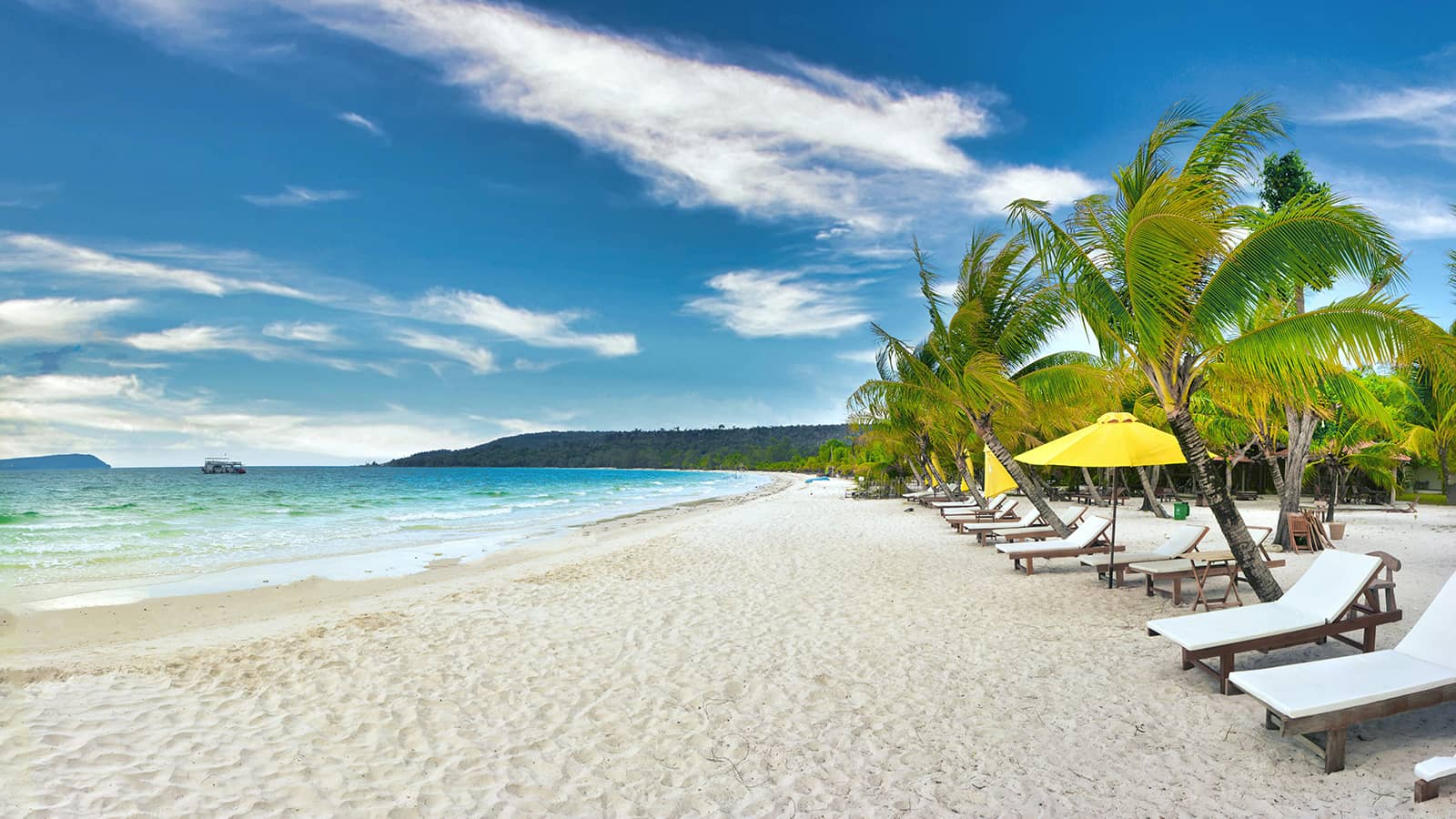
📷 Featured image by Daniela Chintoiu on Unsplash.