On this page
- Why Families Keep Choosing Krabi
- Best Areas to Base Your Family
- Activities That Actually Work with Kids
- Tiger Cave Temple: The Cultural Stop Worth Making
- Where to Eat with Children in Krabi
- Getting Around Krabi with Children
- Best Day Trips for Families
- Keeping Kids Safe in Krabi
- 2026 Family Budget Breakdown
- Best Time to Visit Krabi with Kids
- Practical Tips for Families in Krabi
- Frequently Asked Questions
💰 Click here to see Thailand Budget Breakdown
💰 Prices updated: October, 2026. Budget figures are estimates — always verify before travel.
Exchange Rate: $1 USD = ฿33.60
Daily Budget (per person)
Shoestring: ฿900.00 – ฿1,800.00 ($26.79 – $53.57)
Mid-range: ฿2,150.00 – ฿4,000.00 ($63.99 – $119.05)
Comfortable: ฿6,000.00 – ฿12,000.00 ($178.57 – $357.14)
Accommodation (per night)
Hostel/guesthouse: ฿90.00 – ฿750.00 ($2.68 – $22.32)
Mid-range hotel: ฿1,400.00 – ฿3,500.00 ($41.67 – $104.17)
Food (per meal)
Budget meal: ฿70.00 ($2.08)
Mid-range meal: ฿250.00 ($7.44)
Upscale meal: ฿1,000.00 ($29.76)
Transport
Single metro/bus trip: ฿30.00 ($0.89)
Monthly transport pass: ฿1,155.00 ($34.38)
Why Families Keep Choosing Krabi
Krabi has a problem in 2026 — too many families discovered it at once. The post-pandemic travel surge that accelerated through 2024 and 2025 has made Ao Nang busier than ever during peak season, and ferry queues to the islands can test the patience of even the most even-tempered child. But here’s the thing: Krabi still delivers in a way that very few Thai destinations can match for families. The limestone karsts rising straight out of the Andaman Sea, the calm shallow bays, the mix of genuine Adventure and genuine relaxation — it’s a combination that works for a five-year-old and a fifteen-year-old equally well. You just need to know which parts of it to use, and when.
Best Areas to Base Your Family
Where you stay in Krabi shapes your entire trip. The province covers a huge area, and the three main bases each suit different family styles.
Ao Nang
Ao Nang is the most developed and the most convenient. The beach itself is average — the water can be murky near the pier — but the strip behind it has everything: pharmacies, 7-Elevens, restaurants with English menus, money changers, and direct longtail boat access to Railay and the Four Islands. Families who want to step out of the hotel and immediately find food, tours, and entertainment will be happiest here. It’s also the easiest place to catch a songthaew into Krabi Town.
Klong Muang
About 20 kilometres north of Ao Nang, Klong Muang Beach is longer, quieter, and almost completely free of the backpacker crowd. The water is cleaner, the beach is less congested, and the resorts here — several of which are genuinely family-oriented with kids’ clubs and pools — are set against a backdrop of mangroves and karst hills. The trade-off is that you need a car or Grab to get anywhere. For families with toddlers or those who want a resort-base holiday with occasional day trips, it’s the better choice.
Krabi Town
The actual provincial capital sits on the Krabi River, 45 minutes from the beaches. Most families skip it as a base, but it’s worth a visit. Accommodation costs significantly less here, the night market on the riverfront is one of the best in southern Thailand, and the atmosphere is authentically local. Families who are comfortable with Thai transport and want to stretch their budget will find it works well, especially with older kids who enjoy exploring.
Activities That Actually Work with Kids

Krabi has no shortage of activities advertised at every tour desk, but not all of them suit children. These are the ones that genuinely deliver.
Kayaking Through the Sea Caves
The mangrove kayaking trips around Ao Thalane and Bor Thor are among Krabi’s best-kept family secrets. You paddle through cathedral-like limestone tunnels where the only sounds are dripping water and the occasional splash of a kingfisher dropping into the green water beside you. Children as young as four can sit in the front of a double kayak with a parent paddling. Half-day tours run around 800–1,200 THB per adult and 400–600 THB for children. The guides are patient, the water is calm, and the experience is genuinely magical — not just marketed as such.
Snorkelling at the Four Islands
The Four Islands day trip from Ao Nang remains one of Krabi’s signature experiences and one of the most child-friendly things you can do. The boats stop at multiple spots including Tup Island’s famous sandbar that appears at low tide, allowing kids to wade across turquoise water between two islands. Snorkelling equipment is included in most packages. Fish are abundant and visible even for non-swimmers peering over the side of the boat. Book through your hotel or any licensed operator; prices in 2026 run about 600–900 THB per person, with children under four often free.
Elephant Sanctuary Visits
Several ethical elephant sanctuaries operate within an hour of Ao Nang, and this is almost always the highlight of the trip for children under twelve. These are not riding camps — the elephants roam freely in a large forested area and visitors feed, bathe, and observe them at close range. The Krabi Elephant Sanctuary near the town is one of the better-regarded options. Full-day visits run 2,500–3,500 THB per person. Children under three are usually free. Book at least three days in advance in high season — they limit group sizes deliberately.
Climbing for Older Kids
Railay Beach is one of the world’s premier rock climbing destinations. Several operators offer beginner half-day sessions specifically designed for first-timers and older children (typically 10 and above). The instructors are professional, the routes are graded carefully, and the visual reward — looking out over the Andaman from a limestone cliff face — is one Krabi doesn’t replicate anywhere else. Half-day sessions start at around 1,200 THB per person including gear and instruction.
Tiger Cave Temple: The Cultural Stop Worth Making
Wat Tham Suea — Tiger Cave Temple — sits about 8 kilometres from Krabi Town and presents one of those rare experiences that works as genuine culture, physical challenge, and visual spectacle all at once. The main staircase climbs 1,237 steps to the summit, where golden Buddha statues sit against a 360-degree panorama of the Krabi plains, mangroves, and distant sea. The climb takes 45–60 minutes at a steady pace. It’s manageable for children aged seven and up who are reasonably fit, and the sense of achievement at the top is real.
At the base level, the cave temple itself — with its enormous reclining Buddha and resident macaques — keeps younger children entertained without the climb. The monkeys are bold and will grab food, so keep snacks zipped away and bags closed. Entry is free; wear clothing that covers shoulders and knees, or sarongs can be borrowed at the entrance. Visit before 9:00 AM to beat both the heat and the tour groups.
Where to Eat with Children in Krabi
Thai food is generally not difficult for children — noodle dishes, fried rice, and mild curries are easy wins — but Krabi also has enough Western and international options that no child will go hungry even through a fussy patch.
Ao Nang
The main strip in Ao Nang has dozens of restaurants catering to international families. Carnivore Steak & Grill does solid burgers and ribs that older kids enjoy. For Thai food with a relaxed family setting, the open-air restaurants along the beach road — particularly those just north of the main pier — serve pad thai, green curry, and fresh seafood at prices between 80–200 THB per dish. Portions are large and most places are happy to reduce the chilli on request.
Krabi Town Night Market
The Chao Fah Night Market on the Krabi River waterfront runs Thursday through Sunday and is one of the best street food experiences in the south. The smell of grilled pork skewers and fresh coconut pancakes drifts across the riverside tables from 5:00 PM onward. Children love the roasted corn, mango sticky rice, and the theatrical flair of the wok stations. Prices are genuinely local — most dishes run 40–80 THB. It’s a 45-minute songthaew ride from Ao Nang but absolutely worth the effort at least once.
Family Meal Budget
A family of four eating Thai food at local restaurants or food courts will spend 600–1,000 THB per meal. At mid-range restaurants on the Ao Nang strip, expect 1,200–2,000 THB for a full family dinner including drinks. Resort restaurants cost considerably more — 2,500–4,000 THB for the same group — but offer air-conditioning and children’s menus that justify the premium when everyone is hot and tired.
Getting Around Krabi with Children
Krabi’s geography — spread across beaches, rivers, and islands — means transport is something you need to think about before you arrive.
Longtail Boats
The main way to reach Railay Beach and many of the islands. Longtail boats are loud — genuinely very loud, the engine sound at full throttle is something between a truck and a helicopter — so small children who startle easily should have some warning. Life jackets are provided but are adult-sized at most operators; bring a child-sized one if you have an infant. The ride to Railay takes 10–15 minutes from Ao Nang and costs 120 THB per person one-way during the day.
Songthaews
The shared pickup trucks (songthaews) run fixed routes between Ao Nang, Krabi Town, and the Airport. Fares are 50–80 THB per person. They don’t have car seats, which is a practical consideration for families with infants. For short hops around Ao Nang, they’re efficient and very cheap. Children generally find them fun — the open back gives a good view.
Grab
Grab operates throughout Krabi in 2026 and is significantly more reliable than it was two years ago. Private cars can be booked from the app with prices typically 200–400 THB for trips between Ao Nang and Krabi Town. For families with car seats, Grab is the most practical option for longer land transfers. The app accepts international cards and shows the fare upfront.
Best Day Trips for Families
Railay Beach
Accessible only by boat, Railay is surrounded by sheer limestone cliffs on every side and has no vehicles whatsoever. That alone makes it an extraordinary place for children — they can genuinely run free in a way that’s impossible at road-connected beaches. The east and west beaches are connected by a 10-minute walk. West Railay has the better swimming beach; East Railay has a mangrove lagoon reached via a short jungle path. A full day here — swimming, exploring, lunch at one of the beach shacks — is a complete and excellent family day. Allow 6–8 hours minimum.
Phi Phi Islands
The ferry from Ao Nang to Phi Phi Don takes about 90 minutes and runs multiple times daily. For families, Phi Phi is best done as a daytrip rather than an overnight — the nightlife on Phi Phi Don is intense and the accommodation costs high. The snorkelling around Ko Phi Phi Leh (the uninhabited sister island, famous as “The Beach” filming location) is genuinely spectacular — shallow, clear water and enormous fish. Join an organised tour from Ao Nang (around 900–1,500 THB per person) that covers multiple snorkel stops.
Koh Lanta
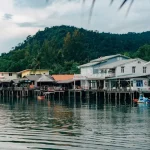
A two-hour ferry journey south from Ao Nang, Koh Lanta is slower, quieter, and has some of Krabi province’s best beaches. It suits families who want a calm day away from the Ao Nang crowds. The Old Town (Ban Ko Lanta) on the east coast is a beautifully preserved Chinese-Malay shophouse village above stilts on the water — unusual and photogenic. The ferry runs twice daily in high season; confirm schedules the day before as services reduce in shoulder season.
Keeping Kids Safe in Krabi
The Andaman Sea is beautiful but has a few hazards that every family should understand before arriving.
Jellyfish
Box jellyfish and the smaller Irukandji jellyfish are present in Andaman waters, with higher concentrations during certain months (see the Best Time to Visit section below). In 2026, Ao Nang and Railay beaches have lifeguard stations with vinegar on hand for stings — the correct first treatment. Full-length lycra rash vests significantly reduce sting exposure and are a sensible investment for daily swimming. Children are more vulnerable to stings than adults due to thinner skin and smaller body mass. If stung, apply vinegar, remove tentacles without touching them directly, and seek medical help if the sting is extensive.
Sun
The equatorial sun in Krabi is intense year-round. Children burn faster than they expect, especially on boat trips where sea glare doubles the exposure. SPF 50 reef-safe sunscreen, a hat, and a rash vest are non-negotiable. Apply sunscreen 30 minutes before beach time and reapply every 90 minutes. Local pharmacies stock good sunscreen, but prices are lower at Tops Market or Big C in Krabi Town compared to beach shops.
Water & Food Safety
Don’t drink tap water anywhere in Krabi. Bottled water is inexpensive (8–15 THB for 1.5 litres). Ice in reputable restaurants is machine-made and safe. Street ice — particularly at small roadside stalls — is less reliable. Children’s stomachs adjust to Thai food gradually; introduce spice slowly in the first few days and keep oral rehydration sachets in your bag. The international hospital nearest to Ao Nang is in Krabi Town and is well-equipped for tourist medical needs.
2026 Family Budget Breakdown
These figures reflect 2026 pricing and assume a family of two adults and two children (ages 5–12).
- Budget (guesthouse, local food, public transport): 3,000–4,500 THB per day for the family. Staying in a family room at a guesthouse near Ao Nang, eating at local restaurants and markets, using songthaews, and doing one paid activity every second day.
- Mid-range (3-star resort, mix of local and restaurant dining, Grab for transfers): 6,000–10,000 THB per day. A comfortable family room with a pool, meals split between local food courts and sit-down restaurants, one organised tour per day, and Grab for land transfers.
- Comfortable (4-5 star beach resort, resort dining, private tours): 15,000–30,000+ THB per day. Resorts at Klong Muang or Tubkaek, private longtail boat charters, private tour guides, and resort restaurant dining for most meals.
Day trip costs to factor in separately: Four Islands tour (600–900 THB/adult, 400–600 THB/child), elephant sanctuary (2,500–3,500 THB/person), Phi Phi day tour (900–1,500 THB/person). Accommodation remains the biggest variable — a resort family room at Klong Muang in peak season runs 4,000–12,000 THB per night depending on the property.
Best Time to Visit Krabi with Kids
Krabi divides into two very distinct seasons, and timing matters more here than at most Thai destinations because the monsoon genuinely makes some activities impossible.
November to March is peak season — clear skies, calm seas, excellent snorkelling visibility, and all boat services running normally. December and January are the busiest months, with school holidays from Europe and Australia overlapping Thai high season. Book accommodation and elephant sanctuary visits well in advance. Temperatures sit at a comfortable 28–32°C.
April to May is shoulder season — still dry but getting hotter (34–37°C) and more humid. Jellyfish presence increases in April. April is Songkran (Thai New Year, usually April 13–15), which brings water fights and festivities that older children love but can be chaotic with very young kids.
June to October is monsoon season. Rainfall is heavy, seas are rough, and longtail boats to Railay sometimes don’t run. Phi Phi and Four Islands tours are frequently cancelled. Some resorts close entirely. Families with flexibility should avoid these months. If you must visit, Krabi Town and the elephant sanctuary remain accessible and prices drop significantly — resorts that cost 6,000 THB in December can drop to 2,000–3,000 THB in September.
Practical Tips for Families in Krabi
- SIM cards: Buy at the airport in Phuket or Krabi. AIS and DTAC both offer tourist SIMs with good data packages for around 299–399 THB for 30 days. Coverage on the islands is patchy — download offline maps before island hopping.
- Cash: ATMs are available throughout Ao Nang and Krabi Town. Withdrawal fees from foreign cards are typically 220 THB per transaction in 2026 — withdraw larger amounts less frequently. Many beach tour operators and small restaurants are cash-only.
- Baby and toddler supplies: Nappies, formula, and basic baby supplies are available at Tops Market in Krabi Town and at 7-Eleven in Ao Nang, but choice is limited compared to Bangkok. Bring specialised formula brands from home.
- Language: English is widely spoken in Ao Nang’s tourist areas. Away from the main strip, basic Thai phrases and a translation app (Google Translate works well offline) are useful. Thai people respond warmly to families and are generally very patient with children.
- Temples and cultural sites: Cover shoulders and knees. Children are welcome at most temples and Thai locals will often engage warmly with foreign children — this is a genuine cultural exchange, not a transaction.
- Tipping: Not mandatory but appreciated. 20–50 THB at local restaurants, 100 THB for a full tour guide day, 10% at mid-range restaurants if service charge isn’t already included.
Frequently Asked Questions
Is Krabi safe for young children?
Yes, Krabi is one of Thailand’s more family-friendly coastal destinations. The main risks are sun exposure, jellyfish during certain months, and ocean currents at exposed beaches. Ao Nang and Railay have calm swimming conditions in high season (November–March). Stick to beaches with lifeguards and reef-safe sunscreen on children at all times.
What age is appropriate for the Four Islands snorkelling tour?
Most operators take children of any age on the boat, but snorkelling is generally manageable for children aged six and above with basic swimming ability. Younger children enjoy the sandbar wading and boat ride itself. Life jackets are provided. Alert your tour operator in advance if you have non-swimmers — they will accommodate without issue.
How far is Krabi Airport from Ao Nang?
Krabi International Airport is approximately 40 kilometres from Ao Nang — about 45–60 minutes by road. In 2026, the most practical options are a pre-booked private transfer (1,200–1,800 THB for a minivan) or Grab. Songthaews connect the airport to Krabi Town, where you transfer again — practical for budget travelers but awkward with children and heavy luggage.
Can we visit Phi Phi Island as a day trip from Ao Nang?
Yes, and it’s the recommended approach for families. Ferries and speedboat tours run daily from Ao Nang pier from October through April. The journey takes 60–90 minutes depending on boat type. Day tours typically include snorkelling stops, lunch, and return by late afternoon. Staying overnight on Phi Phi is possible but the island’s active nightlife makes it less suitable for families with young children.
What has changed in Krabi for 2026 that families should know?
The Thai government’s new national park entry fee system introduced in 2025 now applies to Ko Phi Phi Leh and several other marine parks near Krabi — foreigners pay 500 THB per adult, 300 THB per child. This is usually included in organised tour prices, but confirm before booking. Ferry capacity limits to some islands are now enforced more strictly, so advance booking during peak season is essential.