On this page
- Day 1-2: Patong and West Coast Beach Towns
- Day 3: Old Phuket Town Cultural Immersion
- Day 4-5: Island Hopping and Marine Adventures
- Day 6: Northern Phuket Hidden Gems
- Day 7: Spiritual Sites and Sunset Views
- Where to Eat: Phuket’s Food Scene by Area
- Shopping Districts and Local Markets
- Getting Around Phuket in 2026
- Budget Breakdown for Your Phuket Week
- Frequently Asked Questions
💰 Click here to see Thailand Budget Breakdown
💰 Prices updated: October, 2026. Budget figures are estimates — always verify before travel.
Exchange Rate: $1 USD = ฿33.60
Daily Budget (per person)
Shoestring: ฿900.00 – ฿1,800.00 ($26.79 – $53.57)
Mid-range: ฿2,150.00 – ฿4,000.00 ($63.99 – $119.05)
Comfortable: ฿6,000.00 – ฿12,000.00 ($178.57 – $357.14)
Accommodation (per night)
Hostel/guesthouse: ฿90.00 – ฿750.00 ($2.68 – $22.32)
Mid-range hotel: ฿1,400.00 – ฿3,500.00 ($41.67 – $104.17)
Food (per meal)
Budget meal: ฿70.00 ($2.08)
Mid-range meal: ฿250.00 ($7.44)
Upscale meal: ฿1,000.00 ($29.76)
Transport
Single metro/bus trip: ฿30.00 ($0.89)
Monthly transport pass: ฿1,155.00 ($34.38)
Phuket‘s tourism landscape has transformed dramatically since Thailand’s post-2024 infrastructure boom, with new expressways connecting previously remote beaches and upgraded airports handling increased international traffic. Yet many visitors still struggle to balance the island’s commercial hotspots with its authentic cultural experiences, often missing hidden gems while getting trapped in tourist bubbles.
Day 1-2: Patong and West Coast Beach Towns
Start your Phuket adventure in Patong, the island’s most developed beach town, but approach it strategically. Arrive mid-morning to secure accommodation before the afternoon check-in rush, then spend your first day understanding the geography.
Patong Beach stretches 3 kilometres of golden sand backed by an endless row of beach clubs, massage pavilions, and jet ski operators. The northern end near Graceland Resort offers calmer waters and fewer vendors, while the central stretch pulses with activity. Rent a beach chair for 100 THB daily, but negotiate—many operators will include an umbrella and cold towel service.
Walk the length of Bangla Road during daylight to orient yourself before the evening chaos begins. This pedestrian street transforms completely after sunset, when neon lights illuminate go-go bars, live music venues, and street food carts selling everything from pad thai to fresh mango sticky rice.
On your second day, explore Kata and Karon beaches south of Patong. Take a tuk-tuk (150 THB) or rent a motorbike (300 THB daily) for the 20-minute journey. Kata Noi Beach offers the most pristine sand and clearest water, perfect for swimming and snorkelling. The beach clubs here cater to a more upscale crowd, with day beds starting at 300 THB including food and drink credits.
End your second day at Promthep Cape for sunset. This southern peninsula viewpoint requires a 30-minute drive from Kata but rewards visitors with panoramic views across the Andaman Sea. Arrive 90 minutes before sunset to secure parking and explore the lighthouse museum.

Day 3: Old Phuket Town Cultural Immersion
Dedicate your third day entirely to Phuket Town, the island’s historical heart that most beach-focused tourists overlook. The Sino-Portuguese architecture along Thalang Road and Dibuk Road tells the story of 19th-century tin mining wealth, when Chinese immigrants built elaborate shophouses that now house boutique hotels, art galleries, and cafés.
Start early at the Thai Hua Museum on Krabi Road to understand Phuket’s multicultural heritage. The building itself, a former Chinese school from 1934, showcases the architectural fusion that defines the old town. Entry costs 30 THB, and the air conditioning provides welcome relief for exploring the permanent exhibition on tin mining and Peranakan culture.
Walk through the weekend market if visiting Saturday or Sunday, where locals sell fresh produce, traditional sweets, and handmade crafts. The aroma of kanom krok (coconut pancakes) cooking on cast iron pans fills the narrow alleys between vendor stalls, while elderly women demonstrate traditional weaving techniques passed down through generations.
Visit Wat Chalong in the afternoon, Phuket’s most important Buddhist temple complex. The golden chedi contains bone fragments of the Buddha, and the main hall features intricate murals depicting Buddhist teachings. Dress modestly (covered shoulders and knees) and remove shoes before entering any buildings. Monks often conduct afternoon chanting sessions around 4 PM, creating an atmospheric soundtrack to your visit.
For lunch, seek out a traditional Hokkien noodle shop in the old town. Look for places where elderly Chinese-Thai men gather to play mahjong—these family-run establishments serve authentic dishes like char kuay teow and Hokkien mee exactly as they did decades ago.

Day 4-5: Island Hopping and Marine Adventures
Your fourth and fifth days should focus on Phuket’s surrounding islands and marine activities. The Phi Phi Islands remain the most popular destination, but crowds have increased significantly since 2024’s tourism recovery. Book either a smaller longtail boat tour (1,500 THB per person) or a premium speedboat with fewer passengers (3,500 THB per person).
Maya Bay on Phi Phi Leh reopened with strict visitor limits after environmental restoration. Tours now operate on a rotation system, allowing 375 visitors per hour during designated windows. The crystal-clear turquoise water and towering limestone cliffs create a natural amphitheatre that feels otherworldly, but expect to share the experience with exactly 374 other people.
Alternative island destinations offer more authentic experiences. The Similan Islands, accessible via day trips from Khao Lak (2 hours north of Phuket), provide world-class diving and snorkelling. The granite boulder formations and pristine coral reefs support abundant marine life, including whale sharks during the right season (February to April).
For day five, consider a James Bond Island tour in Phang Nga Bay. The limestone karsts jutting from emerald water create a surreal landscape that appeared in “The Man with the Golden Gun.” Most tours include kayaking through hidden lagoons and sea caves accessible only at low tide. The sensation of paddling through a narrow opening into a secret lagoon surrounded by 200-metre-tall cliffs feels like discovering a lost world.
Alternatively, book a sunset sailing trip aboard a traditional Thai junk boat. These 3-hour excursions (2,000 THB) include dinner and drinks while cruising past uninhabited islands. The silence of sailing, broken only by water lapping against the hull and the occasional splash of dolphins, provides a peaceful contrast to Phuket’s busier attractions.
Day 6: Northern Phuket Hidden Gems
Northern Phuket remains largely undeveloped compared to the west coast, offering glimpses of the island’s pre-tourism character. Rent a car or motorbike for the day to explore at your own pace, as public transport to this area remains limited.

Start at Bang Pae Waterfall, located within Khao Phra Thaeo National Park. The 18-metre cascade flows year-round, fed by monsoon rains that collect in the park’s primary rainforest. The 45-minute hike to the main pool passes through dense jungle where hornbills call from the canopy and monitor lizards sun themselves on fallen logs. Bring insect repellent and water—the humidity can be overwhelming, but the cool freshwater pool at the base provides perfect relief.
Visit the Gibbon Rehabilitation Project near the waterfall entrance. This conservation centre rescues gibbons from the illegal pet trade and attempts to reintroduce them to the wild. The guided tours (200 THB) explain the rehabilitation process while allowing visitors to observe these agile primates swinging through purpose-built enclosures.
Drive to Nai Yang Beach for lunch at one of the seafood restaurants operating under the casuarina trees. This local beach sees far fewer tourists than Phuket’s western shores, and the restaurant owners often catch their own fish daily. Order som tam (papaya salad) made table-side—the rhythmic pounding of the wooden pestle against the clay mortar creates a meditative soundtrack while the server balances sweet, sour, salty, and spicy flavours.
End your day at the Phuket Elephant Sanctuary, an ethical facility that houses rescued elephants from the logging and tourism industries. Unlike traditional elephant camps, this sanctuary prohibits riding and focuses on observation and feeding activities. Watching a 3-tonne elephant delicately pluck fruit from your palm while her trunk explores your pockets for hidden treats creates an unforgettable connection with these intelligent giants.
Day 7: Spiritual Sites and Sunset Views
Your final day should begin with early morning meditation or yoga, taking advantage of Phuket’s spiritual side before afternoon crowds arrive. Many beaches offer sunrise yoga sessions starting at 6 AM, when the temperature remains comfortable and the light creates perfect conditions for reflection.

Visit the Big Buddha statue on Nakkerd Hills, visible from most parts of southern Phuket. The 45-metre-tall white marble statue sits 400 metres above sea level, providing 360-degree views across the island. Construction continues on surrounding buildings, but the main statue and observation areas remain fully accessible. Climb the stairs slowly—the elevation gain affects most visitors, but reaching the top rewards you with views stretching from Patong to Kata and across to Phi Phi Islands on clear days.
Explore Wat Sri Sunthon near Thalang, where a golden reclining Buddha stretches 29 metres in length. This lesser-known temple complex receives few foreign visitors, allowing for peaceful contemplation among the ornate decorations and incense-scented air. Local families often bring offerings of lotus flowers and fresh fruit, creating a authentic glimpse into daily Buddhist practice.
For your final sunset, skip the crowded viewpoints and head to Laem Singh Beach, a small cove between Kamala and Surin beaches. Access requires a 10-minute walk down a steep path through tropical vegetation, but this natural barrier keeps crowds away. The beach faces directly west, creating perfect sunset conditions, while the surrounding rocks provide tide pools for exploration during low tide.
Where to Eat: Phuket’s Food Scene by Area
Phuket’s culinary landscape reflects its position as a cultural crossroads, blending Thai, Chinese, Malay, and Indian influences into distinctive local dishes. Each area of the island offers different dining experiences and specialities.
In Patong, avoid the beach-facing restaurants with plastic menus featuring photos—these cater exclusively to tourists with mediocre food at inflated prices. Instead, walk inland to Soi Kebsab or Nanai Road, where local workers eat. Look for som tam vendors who pound fresh papaya salad to order, adjusting spice levels based on your tolerance. A proper som tam includes fermented fish sauce, dried shrimp, and palm sugar, creating complex flavours that balance perfectly with sticky rice (40-60 THB total).

Old Phuket Town excels at traditional Peranakan cuisine, a fusion style developed by Chinese immigrants who intermarried with local Thai families. Try mee hokkien at one of the family-run noodle shops along Ranong Road—thick yellow noodles stir-fried with pork, squid, and bean sprouts in a rich, dark sauce that requires hours of preparation. The best versions include crispy pork fat and a perfectly poached egg on top (80-120 THB).
For authentic southern Thai curries, visit local markets rather than hotel restaurants. Gaeng tai pla (fish kidney curry) represents southern cooking at its most intense—fishy, salty, and searingly spicy. Most tourists cannot handle the heat level, but asking for “pet noi” (little spicy) usually results in a manageable introduction to this regional specialty.
Night markets throughout the island offer the best variety and value. Indy Night Market near Phuket Town features over 100 food stalls selling everything from traditional Thai desserts to experimental fusion dishes. The energy peaks around 9 PM when university students and local families gather for dinner, creating an authentic social atmosphere.
Shopping Districts and Local Markets
Phuket’s shopping scene has evolved significantly since 2024, with new mega-malls complementing traditional markets and small boutiques. Understanding where to shop for different items saves both time and money while ensuring authentic purchases.
Central Phuket, the island’s largest shopping complex, opened expanded sections in 2025 featuring international brands alongside local designers. The top floor houses a massive food court serving regional specialities from across Thailand, while the basement supermarket stocks international products for long-term visitors. Air conditioning and clean restrooms make this essential for escaping midday heat.

For authentic local products, Chatuchak Weekend Market in Phuket Town operates Saturday and Sunday mornings until early afternoon. Vendors sell handwoven textiles, traditional wood carvings, and ceramic pottery made in nearby provinces. Negotiate prices politely—starting at roughly half the initial asking price usually leads to fair deals for both parties.
Walking Street in Old Phuket Town transforms Sunday evenings into a pedestrian-only market stretching several blocks. Local artisans display handmade jewellery, paintings, and crafts while street food vendors prepare fresh meals. The atmosphere encourages leisurely browsing rather than aggressive selling, creating pleasant shopping experiences.
Avoid gem shops and tailor shops that approach you on the street or operate from your hotel lobby. Legitimate businesses don’t need aggressive marketing tactics. For quality tailored clothing, research established shops with physical addresses and customer reviews spanning multiple years.
Getting Around Phuket in 2026
Transportation in Phuket improved dramatically with the 2025 completion of the island’s light rail system connecting major beaches to the airport and Phuket Town. However, understanding all available options helps optimise your travel time and budget.
The Phuket Light Rail operates from 6 AM to midnight daily, with stations at the airport, Phuket Town, Patong, Kata, and Karon beaches. Single journey tickets cost 15-45 THB depending on distance, while unlimited day passes cost 150 THB. Trains run every 15 minutes during peak hours and every 30 minutes during off-peak periods.
Songthaews (shared pickup trucks) still provide the cheapest transport between beaches, typically charging 30-50 THB per person for standard routes. However, they operate on flexible schedules and may wait for full loads before departing. The new mobile app shows approximate arrival times and allows advance payment to secure seats.

Motorcycle rentals remain popular for exploring remote areas, but accident rates increased 23% in 2025 according to local police statistics. Ensure you possess a valid international driving permit and wear helmets—police checkpoints now fine riders 2,000 THB for violations. Rental costs range from 300-500 THB daily for automatic scooters.
Grab operates throughout Phuket with fixed pricing that eliminates haggling with taxi drivers. Peak hour surcharges apply during high-demand periods, but the service provides air-conditioned comfort and reliable arrival times. Airport to Patong typically costs 200-300 THB depending on traffic and time of day.
Budget Breakdown for Your Phuket Week
Planning your Phuket budget requires understanding the three-tier pricing structure that applies to most goods and services. Local prices, tourist area prices, and luxury resort prices can vary by 300-500% for identical items.
Budget Travel (1,500-2,500 THB daily): Accommodation in guesthouses or hostels costs 500-800 THB nightly in Patong, less in quieter areas. Street food meals cost 40-80 THB, while local restaurant dishes range from 60-150 THB. Transportation via songthaew or motorbike taxi keeps daily transport under 200 THB. Activities focus on free beaches, temples, and hiking trails.
Mid-Range Travel (2,500-5,000 THB daily): Three-star hotels or boutique guesthouses cost 1,200-2,500 THB nightly. Restaurant meals average 150-400 THB per person, including some seafood and international cuisine. Private transport via Grab or rental motorbike provides flexibility. Budget allows for paid activities like island tours (1,500-3,000 THB) and cultural attractions.
Comfortable Travel (5,000+ THB daily): Four and five-star resorts start at 3,500 THB nightly and exceed 15,000 THB for luxury properties. Fine dining restaurants charge 800-2,000 THB per person for multi-course meals. Private car rentals or premium boat tours provide maximum comfort and convenience. Spa treatments, golf, and exclusive experiences become accessible.
Additional costs include travel insurance (mandatory for all visitors), visa fees for eligible nationalities, and departure taxes at the airport. Budget an extra 20% beyond daily expenses for unexpected purchases, tips, and spontaneous activities that enhance your experience.

Frequently Asked Questions
What’s the best time to visit Phuket in 2026? November through March offers the driest weather and calmest seas, but also brings peak prices and crowds. April to October features afternoon thunderstorms and rougher waves, but lower accommodation rates and fewer tourists. Avoid September-October for outdoor activities due to heavy monsoon rains.
How many days do you need for Phuket? Five to seven days allows time for beaches, cultural sites, and island excursions without feeling rushed. Extended stays of 10-14 days enable deeper exploration of northern areas and multiple day trips to surrounding provinces. Weekend trips focus on one beach area and basic sightseeing.
Is Phuket safe for solo female travellers? Phuket maintains good safety standards for solo female visitors, with well-lit tourist areas and reliable emergency services. Exercise standard precautions around nightlife districts, avoid isolated beaches after dark, and use registered accommodations. The new tourist police hotline (1155) operates 24/7 in multiple languages.
What should I pack for Phuket? Pack lightweight, quick-dry clothing for beach activities and modest attire for temple visits. Reef-safe sunscreen protects both skin and marine environments. Waterproof phone cases enable underwater photography, while comfortable walking shoes suit temple and market exploration. Rain jackets prove essential during monsoon season.
Can you drink tap water in Phuket? Avoid drinking tap water directly—even hotels recommend bottled water for consumption. Brushing teeth with tap water generally causes no problems for most visitors. Ice in restaurants and bars typically uses filtered water, but stick to bottled water for drinking. Water refill stations throughout the island reduce plastic waste.
Explore more
Phuket Itinerary: Your Guide to 3, 5, or 7 Days in Paradise
15 Best Things to Do in Phuket for an Unforgettable Trip
Your Ultimate 3-Day Phuket Itinerary: Beaches, Culture & Island Adventures
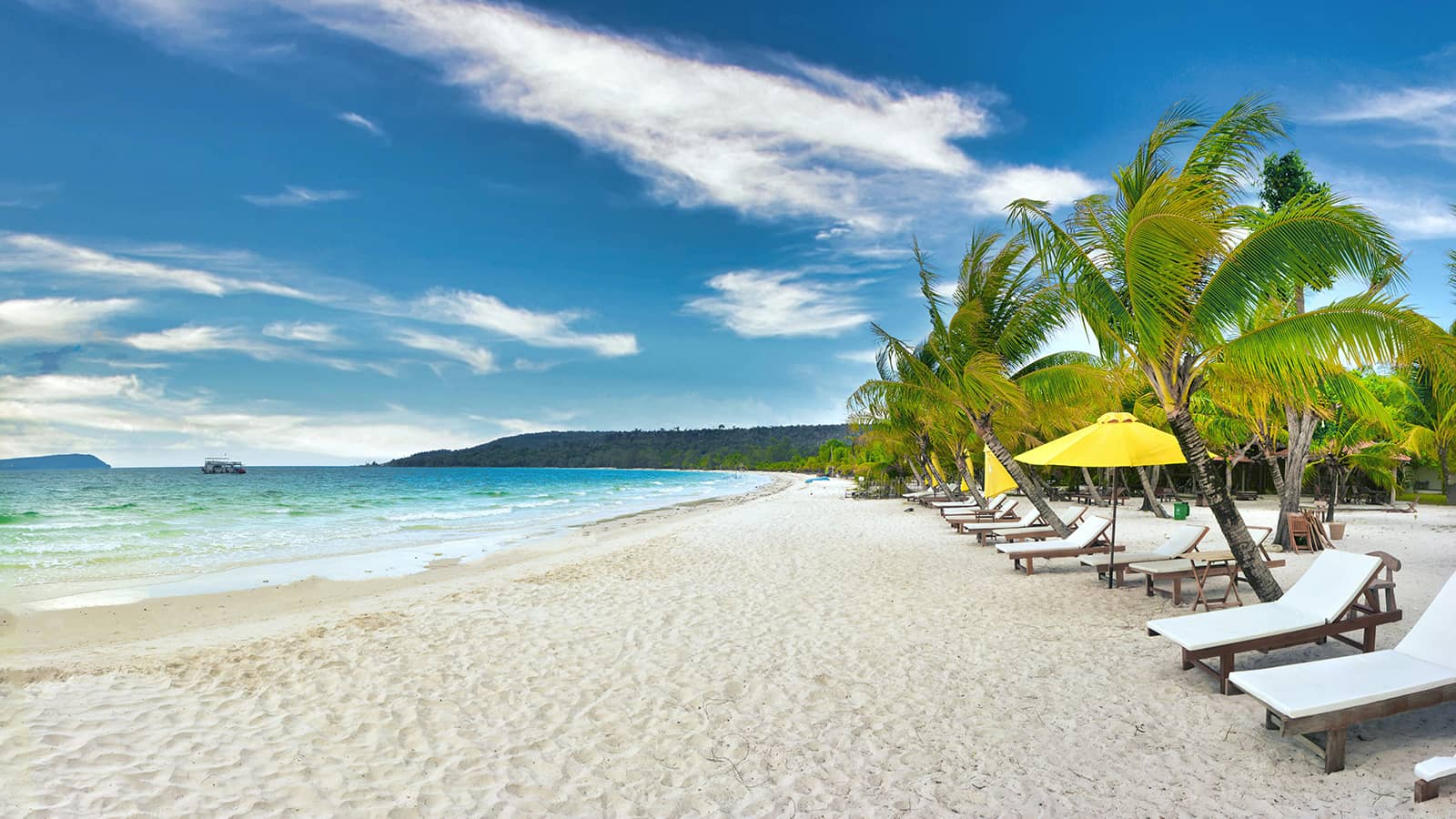
📷 Featured image by Catherine Zaidova on Unsplash.