On this page
- The Northeastern Soul: Isaan’s Cultural Heart and Authentic Thai Life
- Northern Mountains and Ancient Kingdoms: Chiang Mai, Chiang Rai, and Hill Tribes
- Central Thailand’s Historical Treasures: Ayutthaya, Sukhothai, and Royal Connections
- Eastern Seaboard Adventures: Koh Chang, Trat Province, and Untouched Islands
- Deep South Discoveries: Krabi’s Hidden Corners and Authentic Muslim Culture
- Budget Planning for Regional Exploration in 2026
- Frequently Asked Questions
💰 Click here to see Thailand Budget Breakdown
💰 Prices updated: October, 2026. Budget figures are estimates — always verify before travel.
Exchange Rate: $1 USD = ฿33.60
Daily Budget (per person)
Shoestring: ฿900.00 – ฿1,800.00 ($26.79 – $53.57)
Mid-range: ฿2,150.00 – ฿4,000.00 ($63.99 – $119.05)
Comfortable: ฿6,000.00 – ฿12,000.00 ($178.57 – $357.14)
Accommodation (per night)
Hostel/guesthouse: ฿90.00 – ฿750.00 ($2.68 – $22.32)
Mid-range hotel: ฿1,400.00 – ฿3,500.00 ($41.67 – $104.17)
Food (per meal)
Budget meal: ฿70.00 ($2.08)
Mid-range meal: ฿250.00 ($7.44)
Upscale meal: ฿1,000.00 ($29.76)
Transport
Single metro/bus trip: ฿30.00 ($0.89)
Monthly transport pass: ฿1,155.00 ($34.38)
While most visitors to Thailand stick to the well-worn Bangkok-Phuket circuit, the kingdom’s true character reveals itself in its diverse regions. With Thailand’s improved domestic flight network and new train routes operational in 2026, exploring beyond the tourist magnets has never been easier. Each region offers distinct cultures, cuisines, and landscapes that showcase why Thailand earned its reputation as the “Land of Smiles” long before mass tourism arrived.
The Northeastern Soul: Isaan’s Cultural Heart and Authentic Thai Life
Isaan covers one-third of Thailand’s landmass but receives barely 5% of international visitors. This sprawling northeastern plateau, bordered by Laos and Cambodia, preserves traditional Thai culture in ways that Bangkok’s skyscrapers and Phuket’s resort beaches simply cannot match.
Khon Kaen serves as Isaan’s modern hub, where university students mix with silk weavers in bustling night markets. The city’s morning market explodes with regional specialties: som tam (papaya salad) prepared with fermented fish sauce that locals claim tastes nothing like the tourist versions, sticky rice steamed in bamboo tubes, and grilled fish caught from the Mekong tributaries.
Nong Khai, perched along the Mekong River, offers front-row seats to Lao culture just across the water. The Friendship Bridge connects Thailand and Laos, making day trips to Vientiane possible. But Nong Khai’s real treasure lies in Sala Keoku sculpture park, where massive concrete Buddhist and Hindu statues create an otherworldly landscape that rivals any temple complex.
Surin Province showcases Thailand’s elephant heritage authentically. Unlike tourist elephant camps elsewhere, Surin’s annual Elephant Round-up in November features genuine mahout demonstrations and traditional elephant training techniques passed down through Suay ethnic communities.
The region’s prehistoric significance emerges at Ban Chiang archaeological site, where 5,000-year-old bronze artifacts prove Thailand’s ancient sophistication. UNESCO protection ensures this site remains uncommercialized, offering genuine archaeological discovery rather than polished tourist experiences.

Northern Mountains and Ancient Kingdoms: Chiang Mai, Chiang Rai, and Hill Tribes
Northern Thailand’s mountainous terrain harbors distinct ethnic communities, ancient Lanna architecture, and cooler climates that feel worlds apart from tropical southern beaches. The region’s cultural depth extends far beyond Chiang Mai’s tourist-friendly temples.
Chiang Rai Province offers authentic hill tribe encounters through community-based tourism programs. The Akha, Hmong, and Karen villages around Mae Salong grow premium tea on mountainsides where opium poppies once flourished. These communities welcome overnight stays in traditional bamboo houses, sharing meals of locally foraged vegetables and teaching traditional weaving techniques.
Pai, once a backpacker haven, has evolved into a creative retreat where Bangkok artists escape urban pressure. The town’s walking street comes alive after sunset with acoustic music sessions and art installations that feel genuinely bohemian rather than commercialized. Hot springs dot the surrounding valleys, offering natural relaxation amid rice paddies and bamboo forests.
Lampang preserves northern Thailand’s horse-drawn carriage tradition and operates Thailand’s last steam locomotive. The city’s temples showcase Burmese architectural influences, particularly Wat Phra That Lampang Luang, where ancient teak structures display intricate woodcarvings untouched by modern restoration.
Mae Hong Son’s remote location near the Myanmar border creates a frontier atmosphere where Shan culture dominates. The morning mist that gives the region its “Switzerland of Thailand” nickname rolls across valleys filled with sunflower fields (November-December) and cherry blossoms (January-February).
Central Thailand’s Historical Treasures: Ayutthaya, Sukhothai, and Royal Connections
Central Thailand served as the heartland of ancient Siamese kingdoms, leaving behind ruins and cultural traditions that define Thai identity. These historical parks offer immersive experiences in Thailand’s golden ages, when Ayutthaya rivaled European capitals in wealth and sophistication.

Ayutthaya Historical Park preserves the remains of Siam’s former capital, destroyed by Burmese armies in 1767. Unlike crowded Angkor Wat, Ayutthaya allows intimate exploration of temple ruins where Buddha statues emerge from tree roots and ancient prangs rise from misty rice fields at dawn. Cycling tours navigate between temple complexes, stopping at local markets where vendors sell roti and Thai coffee from recipes unchanged for generations.
Sukhothai Historical Park showcases Thailand’s artistic golden age through perfectly preserved Buddha statues and lotus-filled moats surrounding ancient city walls. The park’s evening light shows illuminate temple silhouettes against star-filled skies, creating magical moments impossible in bustling modern cities.
Lopburi combines Khmer temple ruins with one of Thailand’s most unusual attractions: thousands of macaque monkeys that have claimed the city center as their territory. These primates swing between ancient prangs and modern shopfronts, creating surreal scenes where wildlife and history intersect.
Bang Pa-In Palace, Ayutthaya’s summer retreat, demonstrates Thai royal architectural evolution through centuries. The palace complex mixes traditional Thai pavilions with European-influenced buildings that reflect King Chulalongkorn’s modernization efforts. Peacocks roam manicured gardens where royal barges once docked for summer escapes from Bangkok’s heat.
Eastern Seaboard Adventures: Koh Chang, Trat Province, and Untouched Islands
Thailand’s eastern provinces offer island adventures without Phuket’s crowds or prices. The region’s proximity to Cambodia adds cultural depth to beach relaxation, while improved infrastructure makes previously remote islands accessible to independent travelers.
Koh Chang, Thailand’s second-largest island, maintains jungle interior alongside developed beaches. White Sand Beach caters to families and couples seeking resort amenities, while Lonely Beach attracts backpackers with reggae bars and budget bungalows. The island’s interior rewards hikers with waterfalls cascading through primary rainforest where hornbills and gibbons announce dawn from towering trees.

Trat town serves as the gateway to Cambodia but deserves exploration in its own right. The old quarter’s wooden shophouses showcase Chinese-Thai architecture, while the weekend market offers regional delicacies like pla ra (fermented fish sauce) and seasonal tropical fruits unavailable in tourist areas.
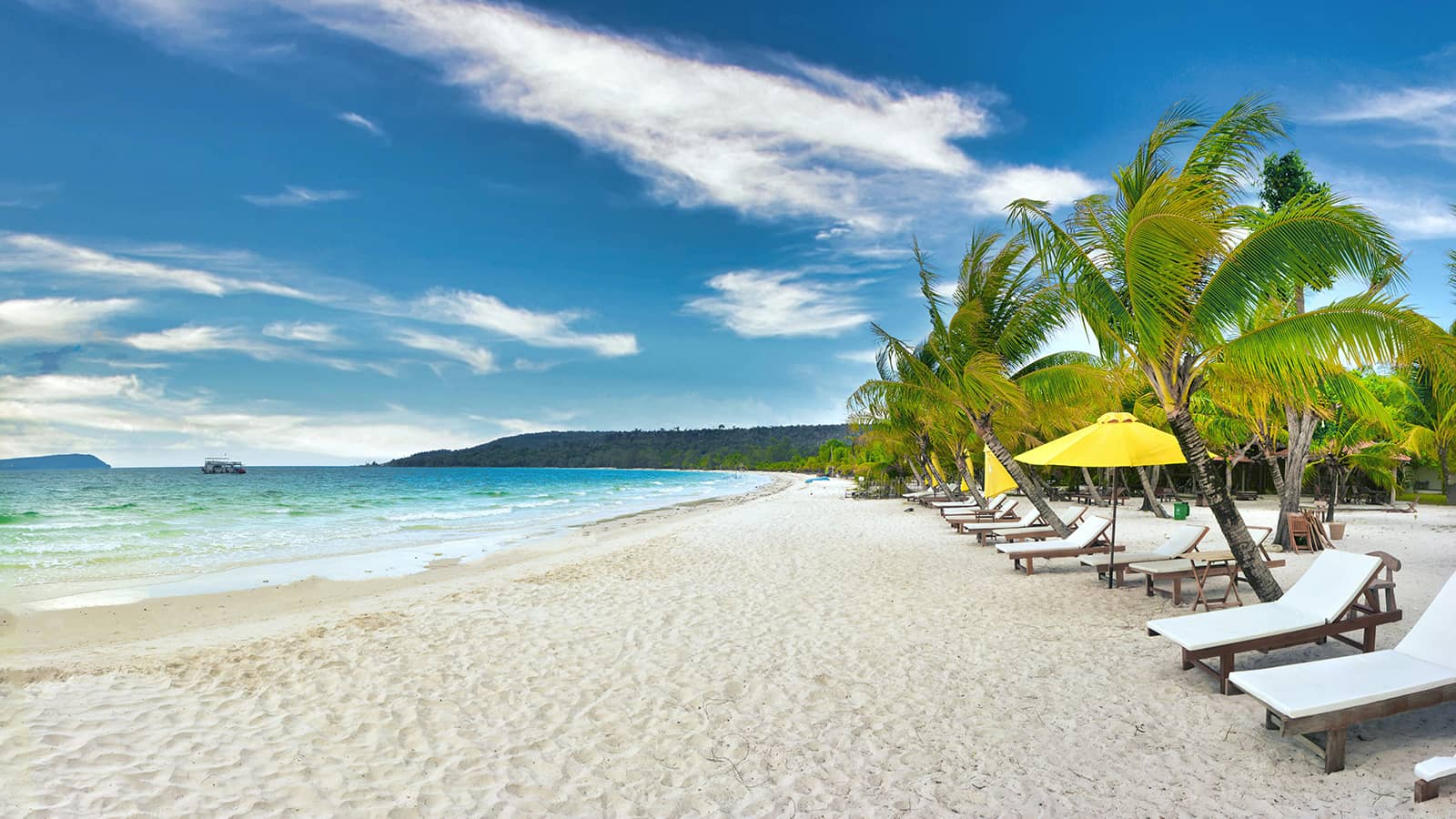
Koh Mak delivers postcard-perfect beaches with crystal-clear water and swaying coconut palms, but its small size ensures intimate rather than overwhelming experiences. The island prohibits cars, making bicycle exploration the primary transport method through rubber plantations and fishing villages.
Koh Wai, accessible only by longtail boat, epitomizes tropical paradise fantasies with pristine coral reefs and beaches completely undeveloped except for basic bungalows. The eastern seaboard’s cultural richness extends beyond beaches through ancient Khmer ruins at Muang Sing Historical Park, where temple complexes predate Angkor Wat.
Deep South Discoveries: Krabi’s Hidden Corners and Authentic Muslim Culture
Southern Thailand’s Muslim-majority provinces offer cultural experiences vastly different from Buddhist central and northern regions. This area combines stunning natural beauty with rich Malay heritage, creating unique travel experiences for culturally curious visitors.
Krabi Province extends far beyond the famous limestone karsts of Railay Beach. Ao Luk district hides mangrove forests navigable by kayak, where ancient cave paintings decorate limestone cliffs above emerald lagoons. Local guides share traditional fishing techniques and point out wildlife like kingfishers and monitor lizards that thrive in these protected ecosystems.
Satun Province, bordering Malaysia, preserves Malay culture through traditional wooden houses built on stilts and mosques featuring distinctive southern Thai architecture. The province’s relative isolation from mass tourism means genuine cultural exchanges happen naturally rather than through organized tours.
Songkhla city blends Thai-Chinese architecture with Malay influences in its old quarter, where century-old shophouses display Portuguese and British colonial elements. The city’s night market serves regional specialties like khao yam (rice salad with herbs) and southern-style curries that pack serious heat compared to milder northern dishes.

Phatthalung Province offers rural southern Thai experiences through traditional puppet shows and bird watching at Thale Noi Waterfowl Reserve. Pink lotus flowers bloom across vast wetlands (December-February), creating photogenic landscapes where water buffalo graze alongside migrating birds.
Koh Lipe, near the Malaysian border, delivers Maldives-quality beaches at Southeast Asian prices. The island’s small size makes beach hopping possible on foot, while surrounding waters offer some of Thailand’s healthiest coral reefs for snorkeling and diving.
Budget Planning for Regional Exploration in 2026
Exploring Thailand’s regions costs significantly less than sticking to main tourist routes, though transport and accommodation standards vary considerably between provinces.
Transportation Costs
Budget travelers can reach most regional destinations for ₿300-800 by bus from Bangkok’s Mo Chit or Ekkamai stations. VIP buses with air conditioning and reclining seats cost ₿500-1,200 for overnight journeys to distant provinces like Nong Khai or Songkhla.
Domestic flights to regional airports like Khon Kaen, Ubon Ratchathani, or Hat Yai range from ₿2,500-4,500 when booked in advance. Thai Airways and Bangkok Airways serve most provincial capitals, while budget airlines like Nok Air and Thai Lion Air offer competitive fares.
Local transport within provinces relies heavily on songthaews (shared pickups) costing ₿20-50 per journey, though services become infrequent in remote areas. Motorbike taxis charge ₿30-100 for short distances in provincial towns.
Accommodation Ranges
Budget (₿400-800/night): Guesthouses and basic hotels with air conditioning, private bathrooms, and WiFi. Family-run establishments often include breakfast and local area advice.
Mid-range (₿800-2,000/night): Modern hotels with swimming pools, international breakfast, and tour booking services. Most include airport transfers and English-speaking staff.
Comfortable (₿2,000-4,500/night): Resort-style accommodations with spa services, multiple restaurants, and organized activities. Eco-lodges in national parks command premium prices for unique locations.

Food and Activities
Regional street food costs ₿30-80 per dish, with full meals at local restaurants rarely exceeding ₿150-250. Market meals including rice, curry, and vegetables typically cost ₿60-120.
Temple visits remain free, while national park entrance fees range from ₿100-400 for foreigners. Guided activities like hill tribe visits or historical tours cost ₿800-2,500 per person depending on group size and duration.
Frequently Asked Questions
What’s the best time to visit different regions of Thailand?
Northern regions are ideal November-February for cool weather and clear mountain views. Northeastern Thailand is best November-March when rice fields are golden and festivals frequent. Southern regions have year-round tropical weather, with fewer crowds during rainy season May-October.
How reliable is public transport in rural provinces?
Government buses connect all provincial capitals reliably, though schedules become limited in remote areas. Songthaews and local buses operate on flexible schedules rather than fixed timetables. Download offline maps and allow extra travel time in rural regions.
Is English widely spoken outside tourist areas?
English proficiency decreases significantly outside main tourist zones. Download translation apps and learn basic Thai phrases for essential needs. Younger locals and guesthouse staff usually speak some English, while older generations communicate primarily through gestures and patience.
Are credit cards accepted in rural Thailand?
Cash remains king in rural provinces, with ATMs available in provincial capitals but scarce in remote areas. Carry sufficient cash for 2-3 days when venturing into rural regions. 7-Eleven stores in larger towns accept cards and offer ATM services.
What safety considerations apply to regional travel?
Thailand’s provinces are generally safe for independent travelers, with petty crime rates lower than in Bangkok or Phuket. Exercise normal precautions with valuables and inform accommodations of your travel plans. Border regions near Myanmar and southern provinces near Malaysia require updated security awareness due to occasional political tensions.
Explore more
Thailand Off The Beaten Path: Your Guide to Authentic Regions
Best Places to Visit in Thailand Beyond Bangkok and Phuket
Beyond Bangkok & Beaches: Discover Thailand’s Best Regional Gems
📷 Featured image by Kaden Taylor on Unsplash.