On this page
- Why 3 Days on Koh Samui Actually Works
- Day 1: The North Coast Loop — Chaweng, Fisherman’s Village, and First Impressions
- Day 2: The Interior and South — Waterfalls, Temples, and Na Thon
- Day 3: Island Hopping or Pure Beach — Angthong Marine Park vs. Lazy Final Day
- Where to Eat and Drink — Night Markets, Street Stalls, and Beachside Spots
- Getting Around the Island Without Losing Half Your Day
- Where to Stay for a Short Trip — Location Matters More Than Usual
- 2026 Budget Breakdown — What 3 Days on Koh Samui Actually Costs
- Practical Tips — What Catches First-Timers Off Guard
- Frequently Asked Questions
💰 Click here to see Thailand Budget Breakdown
💰 Prices updated: October, 2026. Budget figures are estimates — always verify before travel.
Exchange Rate: $1 USD = ฿33.60
Daily Budget (per person)
Shoestring: ฿900.00 – ฿1,800.00 ($26.79 – $53.57)
Mid-range: ฿2,150.00 – ฿4,000.00 ($63.99 – $119.05)
Comfortable: ฿6,000.00 – ฿12,000.00 ($178.57 – $357.14)
Accommodation (per night)
Hostel/guesthouse: ฿90.00 – ฿750.00 ($2.68 – $22.32)
Mid-range hotel: ฿1,400.00 – ฿3,500.00 ($41.67 – $104.17)
Food (per meal)
Budget meal: ฿70.00 ($2.08)
Mid-range meal: ฿250.00 ($7.44)
Upscale meal: ฿1,000.00 ($29.76)
Transport
Single metro/bus trip: ฿30.00 ($0.89)
Monthly transport pass: ฿1,155.00 ($34.38)
Why 3 Days on Koh Samui Actually Works
Koh Samui has a reputation for needing a week. That reputation mostly comes from people who spent day one recovering from a red-eye flight, day two figuring out where to rent a scooter, and day three stuck in traffic on the ring road. In 2026, with Bangkok Airways running more frequent connections from Suvarnabhumi and the island’s songthaew network now mapped on Google Maps, three focused days here is genuinely enough to eat well, see the highlights, hit at least one waterfall, and leave without that hollow “I missed everything” feeling. The key is sequencing. Most visitors make the mistake of staying in Chaweng and treating it as a base for random excursions. This itinerary routes you geographically so you’re never doubling back.
Day 1: The North Coast Loop — Chaweng, Fisherman’s Village, and First Impressions
Arrive early if you can. Flights from Bangkok take about 75 minutes, and if you catch the 7am or 8am departure, you’ll land before 10am with a full day ahead. Get your bearings by dropping your bags and heading straight north.
Morning: Big Buddha and Wat Plai Laem
Start at the Big Buddha Temple (Wat Phra Yai) on the northeastern cape. The 12-metre gold statue is genuinely striking in morning light — the sun catches the gilded surface and the reflection shimmers off the causeway water below as longtail boats idle in the shallows. It takes about 30 minutes to walk around properly. Directly next door, Wat Plai Laem is the more interesting of the two: an 18-armed statue of Guanyin ringed by a pond of enormous carp. Arrive before 10am and you’ll mostly have it to yourself.
Midday: Bophut and Fisherman’s Village
Drive or grab a songthaew 10 minutes west to Bophut. This is Koh Samui’s most photogenic village — a short strip of Chinese shophouses converted into boutique cafes, independent restaurants, and small galleries. The streets are narrow and shaded. Have lunch here. The Shack on the beachfront does solid Thai and Western food with actual sea breeze rather than air conditioning, which matters when you’ve just arrived from Bangkok’s concrete heat.
Afternoon: Chaweng Beach
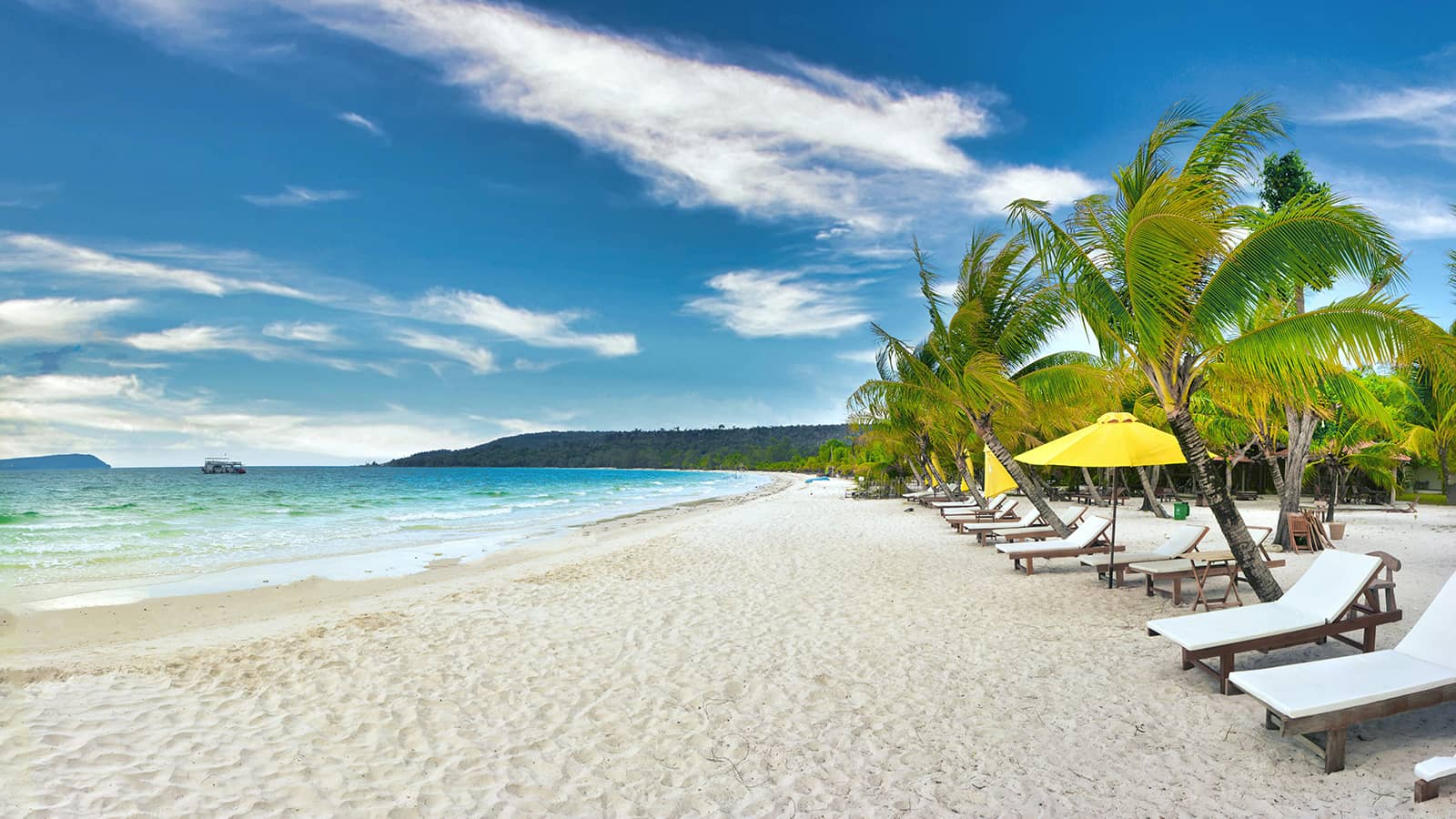
Spend the afternoon at Chaweng — not because it’s the island’s best beach (it isn’t), but because you need to know what it is. It’s busy, brash, and full of jet ski touts. The water is genuinely clear though, and the 7-kilometre stretch of sand is wide enough that you can walk north past the main resort cluster to find quieter patches. Grab a sun lounger (usually 100–200 THB with a drink purchase) and use this as a decompression hour after travel.

Evening: Chaweng Night Bazaar
The Chaweng Night Bazaar runs along the soi behind the main beach road most nights. It’s tourist-facing but the food stalls are real — grilled prawns on skewers, pad kra pao with a fried egg, fresh coconut ice cream packed into the shell. Eat here rather than at a sit-down restaurant on night one; it’s cheaper (dishes from 80–150 THB) and you’ll get a fast read on what’s around you.
Day 2: The Interior and South — Waterfalls, Temples, and Na Thon
Day 2 is the island’s interior and its quieter southern personality. Rent a scooter for this day specifically — it costs around 200–300 THB for 24 hours and is the only sensible way to reach the waterfalls without paying 1,500 THB for a taxi that will try to bundle you into a group tour.
Morning: Na Muang Waterfalls
Head inland from the main ring road near Nathon and follow the signs for Na Muang. There are two falls. Na Muang 1 is the popular one — a wide purple-hued cascade (the rock is volcanic) dropping about 20 metres into a swimming pool. Na Muang 2 requires a 1.4-kilometre uphill walk through jungle and is worth every minute: the pool at the top is cooler, greener, and by mid-morning you might share it with only a handful of people. The walk smells of wet earth and overripe fruit, and the sound of the falls building as you climb is one of those sensory rewards that doesn’t show up in anyone’s Instagram grid.
Midday: Nathon Town
The island’s administrative capital on the west coast is where actual Thais live and shop. It’s not a tourist destination — which is exactly why you should eat lunch here. The fresh market on Nathon’s main street has cheap, excellent food: boat noodles, fried rice, grilled pork skewers. Expect to pay 60–100 THB per dish. The west coast also has the island’s calmest sea views and almost no beach crowds. Walk the pier at low tide and watch the ferry traffic coming in from Surat Thani.

Afternoon: Hin Ta and Hin Yai, Then Lamai Beach
The famous “grandmother and grandfather rocks” on the southeastern tip are juvenile in concept but genuinely bizarre in person — weather-eroded formations that look unmistakably anatomical. They take 15 minutes to see. Don’t let anyone charge you entry; it’s free, despite the touts hovering near the car park. From there, Lamai Beach is 5 minutes north and is measurably less crowded than Chaweng with the same quality of water. Spend the late afternoon here.
Evening: Lamai Walking Street
Lamai’s weekend walking street runs on Saturday and Sunday evenings. If your day 2 lands on a weekend, time it here: local crafts, decent food stalls, cold beer at 60–80 THB a can, and a much more laid-back vibe than Chaweng. Weekday evenings, the restaurant strip along Lamai Beach Road has good options — Lamai Night Plaza opens nightly with live music and affordable Thai food from around 6pm.
Day 3: Island Hopping or Pure Beach — Angthong Marine Park vs. Lazy Final Day
Day 3 depends on one question: do you have energy or do you need to decompress? Both options are valid, and both are worth planning properly rather than defaulting to just lying on Chaweng again.
Option A: Mu Ko Angthong National Marine Park
This is the single best day trip from Koh Samui, full stop. The marine park is an archipelago of 42 limestone islands about 30 kilometres northwest of the island. Most tour operators run full-day boats leaving between 8am and 8:30am from Nathon or Maenam pier, returning around 5pm. Entry to the park costs 300 THB (the national park fee, separate from your boat tour). Kayaking through the emerald lagoon on Ko Mae Ko is one of those experiences that earns the early morning — the walls of the lagoon rise vertically, the water is brackish and utterly still, and you can hear nothing except paddles cutting water.
In 2026, several operators now run smaller group tours (maximum 10 people) that cost more — around 2,500–3,500 THB per person — but skip the 40-person boat chaos. These are worth the premium on a 3-day trip where you can’t afford a wasted day.
Option B: Maenam and Choeng Mon
If you chose Angthong on a previous visit or just want a slower final day, Maenam on the north coast is Koh Samui’s best beach for calm swimming. The water is shallow and usually flat, the beach is lined with old casuarina trees rather than resort concrete, and the food vendors along the shore are Thai-priced. Choeng Mon, in the far northeast, is similarly quiet and has a small bay that catches a consistent breeze in the afternoon.

Departure Planning
Bangkok Airways runs departures from USM (Koh Samui Airport) throughout the day. The airport is small and relaxed, but check-in queues can be surprisingly slow during high season. Budget 90 minutes before your flight. The airport is 5 minutes from Chaweng and 20 minutes from Bophut or Maenam.
Where to Eat and Drink — Night Markets, Street Stalls, and Beachside Spots
Three days means roughly nine meals, and you can eat extremely well on this island if you know where to look beyond the beach resort menus.
- Chaweng Night Bazaar — grilled seafood, pad thai, mango sticky rice. Open nightly from around 6pm. Budget 150–300 THB for a full meal.
- Fisherman’s Village Walking Street, Bophut — runs every Friday evening. One of the island’s best street food and craft markets. Gets busy after 7pm; arrive at 6pm to eat without the crowds.
- Nathon Fresh Market — weekday mornings only. For cheap, authentic Thai breakfast and lunch. Tom kha, boat noodles, fried dough with coffee. 50–100 THB per dish.
- Lamai Night Plaza — casual evening dining with live music, open nightly. Good for groups; food quality is consistent rather than exceptional.
- Maenam’s beachside stalls — several family-run stalls along the north beach road sell excellent grilled fish and somtam. No English menus but pointing works fine.
For drinks, the beach bars on Chaweng serve buckets and Chang beer at standard tourist prices (100–150 THB for a beer). Bophut and Lamai both have wine bars and craft cocktail places for a slightly more grown-up evening — expect 250–400 THB per cocktail. If you want rooftop sunset views, Ark Bar on Chaweng beach is reliable for atmosphere despite being large and busy.
Getting Around the Island Without Losing Half Your Day
Transport is where 3-day Koh Samui trips most commonly go wrong. The ring road is only about 50 kilometres, but traffic, stops, and negotiation time can eat your morning before you’ve done anything.
- Scooter rental — 200–300 THB per day from most guesthouses and independent shops. Fastest and most flexible option. The ring road is paved and well-signed. Don’t rent if you’ve never ridden one; Koh Samui’s traffic is not the place to learn.
- Songthaews (shared trucks) — colour-coded by route and now partially mapped in Google Maps as of 2025. Cheap at 30–60 THB per leg but run on loose schedules. Good for the ring road main stops.
- Grab — fully operational on Koh Samui in 2026. More reliable than negotiating with local taxis, which are expensive and largely unmetered. Expect 150–400 THB for cross-island trips.
- Tuk-tuks — fun for short distances in Chaweng or Lamai but prices are negotiated and often inflated for tourists. Agree on a price before you get in.

The most efficient strategy for a 3-day trip: use Grab on arrival to get to your hotel, rent a scooter for days 1 and 2, use a Grab or tour boat on day 3.
Where to Stay for a Short Trip — Location Matters More Than Usual
On a 3-day itinerary, your hotel location directly affects how much you see. Staying in Chaweng gives you the most central position but the most noise. Staying in Bophut adds charm and easy access to the north coast. Lamai suits day 2’s south coast focus but adds time to day 1 and 3.
Budget (under 1,000 THB/night)
Several guesthouses in Chaweng’s back sois and Lamai offer clean, air-conditioned rooms in the 600–900 THB range. Quality varies — read recent reviews. Maenam has the best budget-to-beach-quality ratio on the island; you sacrifice nightlife proximity but gain a quieter beach and lower prices.
Mid-Range (1,000–3,500 THB/night)
Bophut has the strongest mid-range options — boutique hotels in restored shophouses, small pools, and a walking street on Fridays. The north coast between Bophut and Maenam has several independent resorts with private beach access in this price range that wouldn’t exist for the same money in Chaweng.
Comfortable/Luxury (3,500 THB+ per night)
The Chaweng Noi headland between Chaweng and Lamai has the island’s best luxury concentration — clifftop villas and infinity pools overlooking the Gulf. Choeng Mon in the northeast also has high-end boutique properties with calm bay frontage. If your budget reaches this tier, the pool villa category (private plunge pool) starts around 5,000–8,000 THB per night at mid-tier luxury properties.
2026 Budget Breakdown — What 3 Days on Koh Samui Actually Costs
Prices below are per person based on 2026 rates, assuming double occupancy accommodation.
Budget Traveller
- Accommodation: 500–800 THB/night
- Food: 300–500 THB/day (street stalls, markets, local restaurants)
- Transport: 200–300 THB/day (scooter rental + occasional songthaew)
- Angthong tour (if chosen): 1,500–2,000 THB for a shared group boat
- Estimated 3-day total: 5,000–7,000 THB

Mid-Range Traveller
- Accommodation: 1,500–3,000 THB/night
- Food: 700–1,200 THB/day (mix of local and beachside restaurants, a few drinks)
- Transport: 400–600 THB/day (Grab + scooter)
- Angthong tour: 2,500–3,000 THB (small group)
- Estimated 3-day total: 12,000–18,000 THB
Comfortable Traveller
- Accommodation: 4,000–8,000 THB/night
- Food: 1,500–2,500 THB/day (resort dining, wine, cocktail bars)
- Transport: 600–1,000 THB/day (Grab, private transfers)
- Angthong private charter or premium tour: 4,000–6,000 THB
- Estimated 3-day total: 28,000–45,000 THB
Flights from Bangkok vary between 1,800 THB and 6,000 THB each way depending on advance booking and season. Budget these separately.
Practical Tips — What Catches First-Timers Off Guard
- Taxis at the airport are expensive. There’s an official airport taxi service but prices are fixed and high — 500–800 THB to most beach areas. Grab now operates from the airport pickup zone; this is usually 30–40% cheaper.
- Water. Don’t drink tap water. 500ml bottles cost 10–15 THB at convenience stores (7-Eleven and Family Mart are everywhere). Most hotels provide filtered water in reusable bottles in 2026.
- Temple dress. Big Buddha and Wat Plai Laem require covered shoulders and knees. There are sarong rentals at the entrance (20–50 THB) but a light scarf in your bag saves time.
- Scooter safety. Koh Samui has a high rate of scooter accidents, mostly involving tourists who overestimate their riding ability. The roads are well-paved but narrow, and local drivers move fast. Wear a helmet — it’s legally required and the fine is 500 THB.
- Sun intensity. The island sits at 9 degrees north. UV index in the afternoon is brutal year-round. Sunscreen SPF 50, reapplied every two hours, isn’t excessive — it’s necessary.
- Sim cards. Buy an AIS or DTAC tourist SIM at the airport arrivals hall. 7-day unlimited data runs about 299 THB. Mobile signal is good across the island except in the deep interior waterfalls trails.
- Tipping. Not mandatory but appreciated. Round up at local restaurants. In sit-down places with service charges, a 20–50 THB tip directly to your server is enough.
Frequently Asked Questions
Is 3 days enough for Koh Samui?
Three days is enough to see the island’s main highlights — the north coast temples, a waterfall, at least one great beach, and a day trip to Angthong Marine Park. You won’t see everything, but a well-sequenced itinerary means you’ll leave satisfied rather than rushed. Avoid splitting your time randomly and plan each day by geography.
What is the best time of year to visit Koh Samui for a short trip?
February through April is the most reliable weather window — dry, sunny, and calm seas. December and January are also popular but bring larger crowds and higher prices. Avoid October and November when the Gulf Coast monsoon hits Koh Samui directly with heavy rain. Unlike the Andaman coast, Koh Samui’s wet season falls later in the year.
How do I get from Bangkok to Koh Samui in 2026?
Bangkok Airways operates multiple daily flights from Bangkok Suvarnabhumi (BKK) to Koh Samui Airport (USM), taking around 75 minutes. An alternative budget route is to fly to Surat Thani (cheaper on Thai AirAsia or Nok Air), then take a bus-ferry combo — total journey time around 4–5 hours but significantly cheaper at 600–900 THB versus 3,000–6,000 THB for a direct flight.
Can I do Angthong Marine Park as a day trip from Koh Samui in 3 days?
Yes — it’s specifically designed as a day trip and most boats return to Koh Samui by 5pm. Book through your hotel or a licensed operator at least one day in advance, especially in high season (December–March) when spots sell out. The park charges a 300 THB national park entry fee separate from any boat tour cost.
Is Koh Samui safe for solo travellers?
Koh Samui is generally safe for solo travellers including solo women. The main risks are scooter accidents, petty theft in very crowded beach areas, and overcharging by unlicensed transport. Use Grab for taxis, keep valuables in your room safe, and exercise normal caution after midnight in Chaweng’s bar areas. The island has a visible tourist police presence, especially along Chaweng Beach Road.
📷 Featured image by Marius Kriz on Unsplash.