On this page
- Why These Cities Actually Work for Remote Work
- Hua Hin — The Quiet Achiever on the Gulf Coast
- Khon Kaen — The Northeast’s Underestimated Urban Hub
- Chiang Rai — Slower Pace, Serious Connectivity
- Pattaya Beyond the Reputation — Surprising Practicality for Long Stays
- Hat Yai — The Southern City Most Nomads Skip
- 2026 Budget Reality — Monthly Cost Breakdowns by City
- Visa and Legal Logistics for Staying Long-Term
- Frequently Asked Questions
Bangkok and Chiang Mai still dominate every “best cities for digital nomads in Thailand” list, and in 2026, that popularity has real consequences. Bangkok’s long-term apartment rental prices in popular Nomad districts have risen sharply since 2024, and Chiang Mai’s coworking scene now operates at near-capacity during peak season from November to February. If you are planning a stay of one to twelve months and want a functional, affordable base that does not feel like a revolving door of backpackers, Thailand’s second-tier cities deserve a serious look.
Why These Cities Actually Work for Remote Work
The instinct to dismiss smaller Thai cities usually comes from assumptions about internet reliability and infrastructure. Those assumptions are outdated. Thailand’s national broadband rollout, accelerated under the 2024–2026 Digital Economy Plan, has pushed fibre coverage into every provincial capital and most mid-sized towns. True Fiber, AIS, and NPESK now offer 1 Gbps home plans in all six cities covered in this article, with monthly contracts starting around THB 600–900. SIM-only 5G coverage from AIS and DTAC-True (now merged) is stable across all of them.
Power outages, once a genuine concern outside Bangkok, have dropped significantly in cities that sit within the upgraded national grid zones. The Eastern Economic Corridor’s infrastructure investment has had ripple effects further north and south than most people realise. For the cities below, budget for a UPS (uninterruptible power supply) unit — THB 1,500–3,000 — as a precaution, not a necessity.
What these cities share is something harder to quantify: a functioning daily-life infrastructure built for actual residents. Fresh markets, hospitals with English-speaking staff, decent road networks, and a cost base that has not yet been warped by nomad demand.
Hua Hin — The Quiet Achiever on the Gulf Coast
Hua Hin sits 200 kilometres south of Bangkok on the Gulf of Thailand, and it runs at a completely different frequency from the capital. The town has a long history as a royal retreat, which gives it an unusual combination of calm and quality. The streets near the night market smell of charcoal and dried squid grilling over open flames, and the air at six in the morning carries a salt-and-seaweed coolness that makes early starts feel earned rather than forced.
For remote workers, Hua Hin’s practical case is strong. The town has a stable expat population — heavily weighted toward European retirees — which has driven the development of supermarkets, international clinics, and reliable postal services. The high-speed rail link connecting Hua Hin to Bangkok’s Bang Sue Grand Station, operational since late 2025, now puts you within two hours of the capital when visa runs or meetings require it.
Long-term rentals here skew heavily toward houses and townhouses rather than condos, which means more space for the same budget. A one-bedroom apartment with air conditioning and fast internet runs THB 8,000–14,000 per month depending on distance from the beach. The lack of a large university population keeps noise levels manageable, and the town’s size — large enough to have everything you need, small enough to feel familiar within two weeks — suits solo workers particularly well.
Khon Kaen — The Northeast’s Underestimated Urban Hub
Most nomads looking at Thailand mentally draw a triangle around Bangkok, Chiang Mai, and Phuket and never look east. Khon Kaen sits at the centre of Isan, Thailand’s northeastern region, and it functions as the administrative, medical, and educational capital of an area home to roughly 20 million people. That scale matters: a city that services a population that large has proper hospitals, reliable utilities, and a commercial infrastructure that does not depend on tourism to function.
Khon Kaen University brings around 40,000 students into the city, which keeps food prices low and creates a lively café culture without the self-consciousness that comes with places that exist primarily for foreigners. A bowl of khanom jeen — rice noodles in a fermented fish broth with fresh herbs laid out in small dishes beside it — costs around THB 40–60 at a local shop and represents the kind of daily eating that makes Isan one of Thailand’s most affordable regions.
The city’s airport serves daily flights to Bangkok’s Suvarnabhumi (around 1 hour 10 minutes) and has expanded routes to Chiang Mai and Phuket since 2025. For people who travel regularly for work, this connectivity matters. Long-stay accommodation options include modern condominiums near the university and city centre, where a one-bedroom unit typically rents for THB 6,000–10,000 per month.
Chiang Rai — Slower Pace, Serious Connectivity
Chiang Rai often gets treated as a day-trip destination from Chiang Mai — somewhere you go to see Wat Rong Khun (the White Temple) and come back from the same afternoon. That framing undersells the city badly. Chiang Rai is a fully functional provincial capital with its own airport, hospital network, university, and a small but growing international community that has chosen it deliberately over its more famous neighbour 180 kilometres to the south.
The practical advantage of Chiang Rai over Chiang Mai in 2026 is simply this: it has not been discovered at scale yet. Rental prices are meaningfully lower, traffic is negligible by Thai city standards, and the general noise level that comes with a thriving tourism economy — the rooftop bars, the pub crawls, the hostel common rooms — is minimal. The city wakes up early and quietly, and the morning mist over the Kok River valley in the cool season has a quality of stillness that people who work from home tend to find productive rather than isolating.
Internet infrastructure here is solid. AIS 5G covers the city centre and main residential areas, and fibre connections are available in most newer apartment blocks. A one-bedroom apartment with reasonable amenities rents for THB 5,500–9,000 per month. The airport runs daily direct flights to Bangkok (about 1 hour 30 minutes) and has recently added a Chiang Mai route that takes under 45 minutes, solving the main connectivity concern.
Pattaya Beyond the Reputation — Surprising Practicality for Long Stays
Pattaya’s reputation precedes it, and for many remote workers that reputation is enough to keep them away permanently. That is their loss. Strip away the Walking Street narrative and what remains is a city of around 400,000 people with an infrastructure built to service a large, demanding expat population. That infrastructure translates directly into practical advantages: large international supermarkets, a well-developed private hospital sector, fast and stable internet, and a rental market with genuine choice across every price point.
The motorway connection makes the 150-kilometre journey to Bangkok manageable, and Pattaya benefits from its proximity to U-Tapao Airport, which handles international routes and provides an alternative to Bangkok’s two main airports for regional travel.
Jomtien Beach, south of the main tourist strip, operates as an almost entirely separate environment. Long-term condo rentals in Jomtien run THB 8,000–16,000 per month for a one-bedroom unit, often with sea views and building gyms included. The area is quiet during the day, the beach is usable in the mornings, and the practical amenities — pharmacies, supermarkets, clinics — are within easy reach. For people who want coastal living without Phuket’s prices, this is the honest alternative.
Hat Yai — The Southern City Most Nomads Skip
Hat Yai in Songkhla Province is Thailand’s third-largest city by population and one of its busiest commercial centres, driven largely by cross-border trade with Malaysia and a large domestic Thai-Chinese business community. It is almost entirely absent from nomad conversations, which is genuinely puzzling once you spend time there. The city is modern, efficient, and cheap in a way that reflects its commercial rather than tourist identity.
The food scene is outstanding by any measure. Hat Yai is known for its dim sum and southern Thai cuisine, and the covered wet markets near the city centre run from early morning with a density of fresh produce and cooked food options that costs almost nothing. A full breakfast at a local kopitiam — the Malaysian-influenced coffee shop style that dominates this part of Thailand — runs THB 60–100 and comes with proper espresso-style drip coffee, not instant.
Hat Yai International Airport serves direct flights to Bangkok, Kuala Lumpur, and Singapore, which matters enormously for nomads who need to make visa border runs or travel for client meetings without routing through Bangkok. One-bedroom apartments in the city centre rent for THB 5,000–8,500 per month. The one genuine consideration here is the political situation in the deep south — Hat Yai is in Songkhla Province, which is considered safe, but the three southernmost provinces (Pattani, Yala, Narathiwat) are a different situation entirely and are not part of this conversation.
2026 Budget Reality — Monthly Cost Breakdowns by City
The figures below represent realistic monthly costs for a solo remote worker living comfortably — not camping, not splashing — in each city in 2026. All prices are in THB.
Budget Tier (THB 25,000–35,000/month)
- Khon Kaen: Rent THB 7,000 + food THB 6,000 + transport THB 2,000 + utilities THB 2,500 + misc THB 3,000 = approx THB 20,500–25,000. The most affordable city on this list for everyday costs.
- Chiang Rai: Comparable to Khon Kaen, slightly higher food costs due to smaller market competition. Expect THB 22,000–27,000 total.
- Hat Yai: Similar to Khon Kaen. Local food is extremely affordable. Total around THB 21,000–26,000.
Mid-Range Tier (THB 35,000–55,000/month)
- Hua Hin: Rental costs push the baseline higher. Expect THB 38,000–48,000 for a comfortable setup with beach access.
- Pattaya (Jomtien): Condo quality and amenities are good value. THB 35,000–50,000 covers a well-equipped lifestyle.
Comfortable Tier (THB 55,000–80,000/month)
- Any of these cities at this budget gives you a large apartment, private vehicle or regular Grab use, private health insurance, gym membership, regular restaurant meals, and no meaningful financial stress. This is the sweet spot for people earning foreign-currency remote salaries.
Health insurance is a separate line item regardless of city. A comprehensive plan for a healthy adult under 40 from a reputable Thai or international insurer (Pacific Cross, Cigna, BUPA Thailand) runs approximately THB 15,000–35,000 per year in 2026, depending on coverage limits and deductible structure.
Visa and Legal Logistics for Staying Long-Term
The legal framework for remote workers in Thailand has not dramatically changed since 2024, but a few updates are worth understanding clearly.
Tourist Visa and Visa Exemption
In 2026, most Western passport holders receive a 60-day visa exemption on arrival, extendable by 30 days at an immigration office for THB 1,900. Border runs remain technically valid but immigration officers have become more attentive to frequent back-to-back exemptions without an explanation of purpose. If you are staying more than three to four months, using back-to-back tourist visa exemptions is an increasing risk rather than a reliable strategy.
Thailand LTR Visa (Long-Term Resident)
The LTR Visa, introduced in 2022 and updated in 2024, remains the most substantive long-stay option for remote workers with foreign-source income. The “Work from Thailand” category requires proof of employment or freelance income of at least USD 40,000 per year (approximately THB 1,440,000 at 2026 rates) and health insurance with minimum USD 50,000 coverage. Processing time through the BOI runs four to eight weeks. The visa grants a ten-year renewable stay, a work permit for Thailand-based work, and flat 17% personal income tax on Thailand-sourced income. Foreign-sourced income remitted to Thailand remains tax-free under LTR rules, unlike standard residents.
Thailand Elite Visa
The Thailand Elite Visa (now formally branded Thailand Privilege Card) offers five-year and twenty-year membership tiers. The five-year option costs THB 600,000 in 2026 (prices increased from the 2022 rate). It grants multiple-entry stays and comes with concierge airport services, but it does not include a work permit. For people who work entirely for foreign companies and are paid offshore, this distinction may be irrelevant in practice.
Tax Residency
Thailand’s 180-day rule — spend more than 180 days in Thailand in a calendar year and you are considered a tax resident — has not changed. What changed in 2024 is how foreign income remitted to Thailand is treated: as of 1 January 2024, all foreign-sourced income remitted to Thailand in the same year it is earned is now assessable for Thai personal income tax, regardless of when it enters the country. This reversed the previous same-year/different-year distinction. If you are a tax resident and remitting income, consult a licensed Thai tax adviser. The LTR Visa’s exemption from this rule is one of its genuinely significant benefits.
Frequently Asked Questions
Is fast internet actually reliable in Thai cities outside Bangkok and Chiang Mai?
Yes, as of 2026. Thailand’s fibre and 5G rollout has reached all provincial capitals and most mid-sized cities. The cities covered in this article — Hua Hin, Khon Kaen, Chiang Rai, Pattaya, and Hat Yai — all have 1 Gbps fibre available in residential buildings and stable 5G mobile coverage. Always test speeds before signing a long-term lease.
Do I need a work permit to work remotely from Thailand?
If you work exclusively for foreign companies and receive payment into a foreign bank account, you are in a legal grey area that the Thai government has not aggressively enforced. However, the LTR Visa’s Work from Thailand category is the only option that provides formal legal clarity, including an actual work permit. Anyone earning Thailand-sourced income absolutely requires a work permit.
Which of these cities is best for someone who needs to travel frequently for work?
Hat Yai and Pattaya offer the strongest travel connectivity. Hat Yai’s airport has direct international routes to Kuala Lumpur and Singapore. Pattaya is close to U-Tapao International Airport and well-connected by road to Bangkok’s airports. Khon Kaen has solid domestic connections. Chiang Rai’s options improved in 2025 but remain more limited for international routes.
How does the 2024 Thai foreign income tax change affect digital nomads?
If you are a Thai tax resident (180+ days in Thailand) and you remit foreign-earned income into Thailand in the same year you earn it, that income is now assessable for Thai personal income tax. Rates are progressive up to 35%. The LTR Visa exempts holders from this rule. Non-residents spending fewer than 180 days per calendar year are not affected. Always verify your situation with a qualified Thai tax professional.
Is Hat Yai safe given its location near the southern provinces?
Hat Yai itself, in Songkhla Province, has a strong safety record and is considered safe for long-term residents and visitors. The security concerns associated with Thailand’s deep south are concentrated in Pattani, Yala, and Narathiwat provinces, which are distinct from Hat Yai. Standard urban safety precautions apply, as they would in any large Thai city.
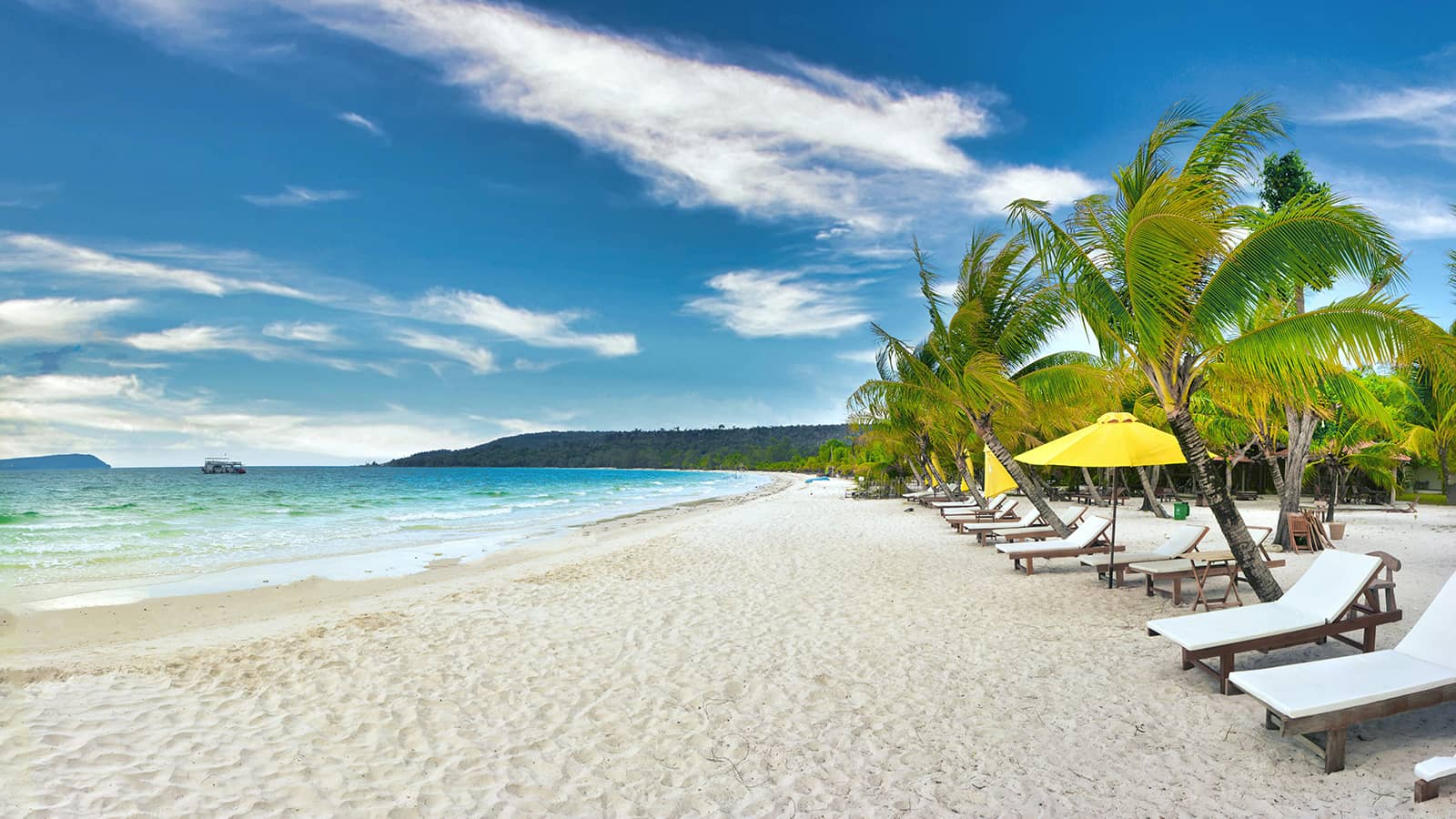
📷 Featured image by John Mukiibi Elijah on Unsplash.