On this page
- Why Koh Lanta Still Gets It Right in 2026
- The Island’s Distinct Villages and Where You’ll Feel Most at Home
- Beaches and Natural Highlights Worth Planning Around
- Where and What to Eat on Koh Lanta
- Getting Around the Island Without Losing Your Mind
- Ethical Tourism, the Urak Lawoi, and Responsible Choices on Lanta
- Day Trips Worth the Boat Ride
- Evenings on Koh Lanta: What the Nightlife Actually Looks Like
- Shopping on Koh Lanta: What’s Worth Buying
- Where to Stay: Accommodation Areas by Budget
- Best Time to Visit Koh Lanta
- Practical Tips for 2026
- Budget Breakdown: What Koh Lanta Costs in 2026
- Frequently Asked Questions
💰 Click here to see Thailand Budget Breakdown
💰 Prices updated: October, 2026. Budget figures are estimates — always verify before travel.
Exchange Rate: $1 USD = ฿33.60
Daily Budget (per person)
Shoestring: ฿900.00 – ฿1,800.00 ($26.79 – $53.57)
Mid-range: ฿2,150.00 – ฿4,000.00 ($63.99 – $119.05)
Comfortable: ฿6,000.00 – ฿12,000.00 ($178.57 – $357.14)
Accommodation (per night)
Hostel/guesthouse: ฿90.00 – ฿750.00 ($2.68 – $22.32)
Mid-range hotel: ฿1,400.00 – ฿3,500.00 ($41.67 – $104.17)
Food (per meal)
Budget meal: ฿70.00 ($2.08)
Mid-range meal: ฿250.00 ($7.44)
Upscale meal: ฿1,000.00 ($29.76)
Transport
Single metro/bus trip: ฿30.00 ($0.89)
Monthly transport pass: ฿1,155.00 ($34.38)
Why Koh Lanta Still Gets It Right in 2026
Thailand‘s island scene has a crowding problem. Koh Samui now feels like a mid-size city with sand, Phi Phi is wall-to-wall selfie sticks from November through April, and even Koh Tao has lost some of its quiet charm. Koh Lanta is the rare exception. In 2026, it remains one of the few islands in the Andaman Sea where you can find a genuinely unhurried pace, a strong local identity, and beaches that don’t require you to arrive at 7am to claim a lounger. The challenge now is that Koh Lanta’s reputation has grown — visitor numbers are climbing — and making smart choices about where you stay, how you move around, and how you spend your money has never mattered more if you want the experience the island actually promises.
The Island’s Distinct Villages and Where You’ll Feel Most at Home
Koh Lanta isn’t one place. It’s a 27-kilometre-long island made up of genuinely different communities, and picking the right base changes your entire trip.
Ban Sala Dan
This is the main entry point — a small pier town in the north where the ferries from Krabi dock. It’s practical rather than pretty. You’ll find 7-Elevens, dive shops, motorcycle rental outfits, and restaurants aimed at new arrivals. Don’t stay here unless you’re catching an early boat, but do stop for breakfast before heading south.
Klong Dao Beach
The first long beach south of Sala Dan is calm, flat, and well-suited to families and first-time visitors. The water is shallow enough for children, the restaurants along the road are reliable, and there’s enough infrastructure to be comfortable without feeling like a resort strip. In 2026, this stretch has seen new mid-range hotels open that fill up fast between December and February.
Long Beach (Phra Ae)
This is the social heart of the island. A long, gently curved stretch of sand with beach bars, independent guesthouses, and the kind of sunset views that make people extend their stay by three days without meaning to. The atmosphere skews slightly younger than Klong Dao and draws a mix of digital nomads, couples, and long-stay travellers. The soft sand here turns warm amber in the late afternoon light, and the sound of waves pulling over the flat shore carries all the way to the road.
Klong Khong and Klong Nin
Further south, the beaches get quieter and more local in character. Klong Khong has a small hippie-ish stretch with hammock bars and colourful bungalows. Klong Nin is where the more design-conscious boutique hotels have settled — great food, calmer crowds, and a slightly older demographic. If you want to read a book in peace, this is your zone.
Koh Lanta Old Town (Ban Ko Lanta)
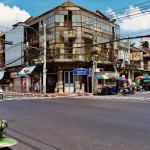
On the east coast, the Old Town is something different entirely. Built on stilts over the water, this Chinese-Malay trading village dates back over 200 years and has a quiet, almost melancholy beauty to it. The wooden shophouses lean with age, cats sleep on the boardwalks, and the few restaurants here serve some of the best food on the island. It’s a 30-minute drive from the west coast beaches, which keeps the day-tripper crowds manageable.
Beaches and Natural Highlights Worth Planning Around
Koh Lanta has around 12 named beaches running down its west coast. Not all of them deserve your time equally.
Klong Dao
Good for: families, calm swimming, sunsets. The sand is wide and maintained. Avoid the very northern end where speedboat traffic can be distracting.
Long Beach (Phra Ae)
Good for: atmosphere, walking, people-watching. At low tide you can walk hundreds of metres out on the flat sand. The views of the Andaman at dusk here are hard to beat.
Kantiang Bay
One of the most photogenic spots on the island — a deep, sheltered bay framed by forested hills. The beach itself is less manicured than those in the north, which is part of the appeal. Snorkelling off the rocks at the southern end turns up good coral even without a boat.
Klong Jaak and Bamboo Beach
These two beaches near the southern tip are accessed via a dirt track that requires either a 4WD, a confident scooter rider, or a short hike. Bamboo Beach, in particular, feels genuinely remote — a thin crescent of white sand with no commercial development. Take water.
Mu Ko Lanta National Park
The southern tip of the island falls within the national park boundaries. Entry costs 200 THB per person in 2026. The park protects mangroves, the Urak Lawoi sea gypsy village, and a lighthouse trail that gives panoramic views over the island chain. The snorkelling around Koh Rok — accessible as a day trip from the park’s piers — is among the best in southern Thailand, with visibility often exceeding 15 metres in the dry season.
Where and What to Eat on Koh Lanta
Koh Lanta’s food scene rewards people who move around. Eating in one spot every night means missing most of what’s good.
Ban Sala Dan Pier Market
The evening market at the main pier runs Thursday to Sunday and is where you’ll find the best mix of fresh seafood, grilled satay, and Muslim-Thai dishes like massaman and roti. Come between 6pm and 8pm when it’s busiest and everything is freshest. The smoke from the charcoal grills drifts across the pier in the evening breeze and you can smell the garlic and lemongrass from the far end of the dock.
Old Town Restaurants
The handful of restaurants in the Old Town serve food that reflects the Chinese-Malay heritage of the community — dishes you won’t find on the beach strip. Look for Mango House and Same Same But Different for reliable Thai and fusion cooking in a genuinely atmospheric setting. Prices here are also noticeably lower than the beach-facing restaurants on the west coast.
Klong Nin Food Stalls
A cluster of local Thai food stalls along the road parallel to Klong Nin Beach serves lunch to construction workers, fishermen, and in-the-know travellers. You’ll pay 60–80 THB for a rice dish here, compared to 180–250 THB at the beach restaurants fifty metres away.
Long Beach Bars and Beach Restaurants
Several open-air restaurants along Long Beach serve fresh catch bought directly from boats that morning. Red Snapper grilled whole over charcoal, barracuda in tamarind sauce, and plates of tiger prawns are all common. Prices are fair by tourist standards — expect 250–450 THB for a main seafood dish.
Getting Around the Island Without Losing Your Mind
Koh Lanta has no public bus system. Movement between the north and south requires either your own transport or negotiating with songthaews.
Songthaews
The shared pickup trucks that serve as taxis run a loose north-south route along the main road. Flagging one down costs 50–150 THB depending on distance, but they don’t run on a schedule and become scarce after 7pm. Good for daytime movement between beaches; unreliable for anything time-sensitive.
Scooter Rental
This is the practical choice for most travellers. Rental shops in Sala Dan and along Long Beach charge 250–350 THB per day for a 125cc automatic scooter in 2026. The main road running the length of the island was resurfaced in late 2025 and is in decent condition. The southern track toward Bamboo Beach and the national park still requires care — loose gravel and steep inclines mean you should only attempt it if you’re a confident rider.
Grab and Local Taxis
Grab operates on Koh Lanta with limited but growing coverage in 2026. You’ll find more drivers available during peak season (November–April). Agreed-price taxis are available from most hotels — expect 300–600 THB for a cross-island journey. Negotiate before you get in.
Ferry Connections
The main ferry from Krabi Town takes approximately 2 hours and costs 350 THB. High-speed boats from Ao Nang take around 1.5 hours at 600 THB. As of the 2026 high season, a new direct catamaran service connects Koh Lanta to Koh Ngai and Koh Mook in the Trang archipelago, cutting journey times significantly for island-hoppers heading south.
Ethical Tourism, the Urak Lawoi, and Responsible Choices on Lanta
This section matters more on Koh Lanta than on most Thai islands, because the island has a living indigenous community whose situation is directly affected by how tourism money moves.
The Urak Lawoi Sea Gypsies
The Urak Lawoi are one of Thailand’s indigenous Moken sea nomad groups, and two communities live on Koh Lanta — one near the national park in the south, and one in the Old Town area. Their land rights remain legally contested in 2026, and development pressure from the tourism industry has displaced community members in recent years. Visiting their village is possible but should be done through community-organised tours rather than with outside operators who pocket the majority of fees. Ask at the Old Town’s community centre about guided visits that direct money to the village directly.
Diving and Marine Ethics
The reefs around Koh Lanta and the nearby Koh Haa and Koh Rok sites are in genuinely good health compared to many Andaman sites. Keeping them that way depends on diver behaviour. Choose PADI or SSI-certified dive operators that enforce strict no-touch and no-feeding policies. In 2026, several Koh Lanta dive shops have signed the Green Fins initiative — look for the certification sticker before booking. Avoid any operator offering shark feeding or that allows fins to touch coral without consequence.
Elephants — Not an Issue Here, Keep It That Way
Unlike Koh Samui or Phuket, Koh Lanta has no elephant camps. Tours advertising “jungle elephant experiences” that appear online are either off-island trips or unverified. Keep it that way by not creating demand for it.
Plastic and Leave-No-Trace
The island’s southern beaches, particularly Bamboo Beach and Klong Jaak, collect plastic debris carried in by currents. Carry a bag on beach walks. Several guesthouses on the island participate in organised monthly beach cleanups — check with your accommodation about joining.
Day Trips Worth the Boat Ride
Koh Rok (Rok Nai and Rok Nok)
Two hours by speedboat from Koh Lanta, Koh Rok offers white sand beaches, turquoise shallows, and some of the clearest water in the Andaman. Snorkelling here is exceptional — the coral gardens between the two islands are shallow enough for beginners and rich enough for experienced divers. Day trips from Koh Lanta cost 1,200–1,800 THB including snorkelling gear and lunch. The site closes from May through October when the national park shuts for reef regeneration.
Koh Haa (Five Islands)
Closer to the Trang coast, Koh Haa is primarily a dive site with several limestone pinnacles, caverns, and drift channels. Day dive trips from Lanta cost 2,800–3,500 THB for two dives. The site suits intermediate and advanced divers most — currents can be strong and the cavern systems require buoyancy control. Snorkellers can still access the shallower sites around the northernmost island.
Tham Morakot (Emerald Cave) — Koh Mook
This is the most dramatic single attraction within day-trip range. Tham Morakot is a sea cave that requires swimming through 80 metres of darkness before opening into a hidden lagoon lit from above by a hole in the cliff. Tours depart from Koh Lanta’s north pier; the journey takes around 1.5 hours each way with the 2026 catamaran service. Go in the morning — afternoon groups are larger and the light inside the lagoon is better before 11am.
Koh Ngai
A quieter alternative to the snorkelling crowds, Koh Ngai is easily reached from Lanta in around 45 minutes. The island has no through-road and only a handful of resorts. Beach-hopping by longtail between Koh Ngai, Koh Chuak, and Koh Waen makes for a full day that feels genuinely exploratory.
Evenings on Koh Lanta: What the Nightlife Actually Looks Like
Koh Lanta is not a party island. If you’re looking for Koh Phangan’s Full Moon energy, you’re in the wrong place and will be disappointed. What the island does well is the slow evening — cold beer, fire on the beach, live acoustic music, and the kind of sunset that makes conversation stop for five minutes.
Long Beach Bar Strip
The cluster of beach bars along Phra Ae runs fires and occasionally live music from around 8pm. The Reggae Bar and Same Same Bar are the most consistent for atmosphere. Buckets are available but nobody’s pressuring you into them. Most places wind down by midnight.
Klong Nin Low-Key Evenings
The bar-restaurants along Klong Nin Beach attract a quieter crowd — mostly couples and over-30 travellers. Wine lists are short but not embarrassing. Cocktails run 220–320 THB. The sound of the waves here at night, with the silhouettes of limestone karsts visible offshore, is as good as Koh Lanta gets atmospherically.
Old Town After Dark
On weekends, the Old Town’s boardwalk comes alive in a modest way — a few bars play Thai indie music, and the night market near the pier sells grilled seafood and cold drinks. It’s low-key but genuinely local and more interesting culturally than watching fire shows on the beach for the third night running.
Shopping on Koh Lanta: What’s Worth Buying
Koh Lanta is not a shopping destination. Accept this and you’ll spend smarter.
Old Town Crafts and Textiles
The Old Town has a handful of small shops selling handmade batik, locally woven fabrics, and silver jewellery influenced by the island’s Chinese-Malay heritage. Prices are fair, quality is genuinely artisanal, and buying here supports the Old Town community directly. Look for the cluster of craft shops along the main waterfront road — several are run by women from the Urak Lawoi community.
Ban Sala Dan Market
The Saturday morning market at Sala Dan pier sells fresh produce, dried spices, fresh cashews, and local snacks. Good for stocking up on dried chilli, lemongrass paste, and vacuum-packed coconut sweets if you want edible souvenirs. Avoid the mass-produced “Thai handicraft” items — they’re shipped in from Chiang Mai and not local.
What to Skip
The beach-road souvenir shops between Klong Dao and Long Beach sell the same goods you’ll find on every Thai tourist strip — elephant print trousers, keyrings, Leo Beer singlets. Not local, not worth your money.
Where to Stay: Accommodation Areas by Budget
Koh Lanta’s accommodation geography is simple once you understand the island’s layout. The west coast beaches are where most visitors base themselves. The east coast is quieter and better for budget travellers or those prioritising the Old Town experience.
Budget (Under 800 THB per night)
The best budget options in 2026 are bungalow guesthouses along Klong Khong and Klong Nin beaches. Basic fan rooms with shared bathrooms run 400–600 THB. Klong Dao also has several family-run guesthouses at this price point. Air conditioning adds around 150–200 THB to the nightly rate. The Old Town has a few guesthouses that are among the cheapest on the island at 350–500 THB per night for a clean, simple room above a shophouse.
Mid-Range (800–2,500 THB per night)
This bracket covers the majority of Koh Lanta’s independent hotels and boutique guesthouses. Air-con bungalows with pool access and breakfast included are standard at this price. Long Beach and Klong Nin have the best concentration of mid-range options. Look for places that are set slightly back from the road — you’ll get quieter nights and often better garden or sea views. In 2026, expect to pay 1,200–1,800 THB for a solid mid-range beachfront bungalow in peak season.
Comfortable/Luxury (2,500 THB+ per night)
Kantiang Bay is where the island’s best high-end resorts have settled. The Pimalai Resort remains the flagship property — private villas with plunge pools, direct beach access, and a restaurant sourcing from local fishermen. Prices in 2026 peak season run 7,000–18,000 THB per night for villas. Klong Nin also has several design-forward boutique hotels in the 3,000–6,000 THB range that offer real value for the quality.
Best Time to Visit Koh Lanta
The honest answer is: high season or nothing, unless you know what you’re accepting.
High Season: November to April
This is the Andaman coast’s dry season. Seas are calm, skies are reliably clear, and all ferry services run fully. December through February is the peak — prices are highest, accommodation books out weeks in advance, and the beaches are noticeably busier. March and April are slightly quieter with better value, and the weather holds until late April.
Shoulder Season: October and May
October sees the tail end of the monsoon — some rain, some sunshine, and prices 20–30% lower than peak. Ferries from Krabi still run but check schedules as some routes reduce frequency. May is the reverse — the monsoon is arriving, dive sites begin closing, and the island starts to quiet down dramatically.
Low Season: June to September
Most of the west coast beaches are closed or semi-operational. The main road gets flooded in heavy rain. A handful of guesthouses and restaurants stay open year-round, mainly serving the small community of long-stay expats and the island’s residents. Koh Rok and Koh Haa are closed by national park order. If you’re a budget traveller who wants the island essentially to yourself and doesn’t mind overcast skies and occasional storms, prices drop to their absolute floor — 300 THB rooms, empty beaches, and a very different atmosphere. It’s genuinely interesting if that’s your thing, but it’s not the Koh Lanta most people come for.
Festivals Worth Timing Around
The Urak Lawoi celebrate Loi Ruea (Boat Floating Festival) twice a year — once in April and once in October — at the village near the national park. The ceremony involves floating small boats out to sea carrying offerings, and it’s one of the most authentic cultural events on the island. Check dates with the Old Town community centre as they shift with the lunar calendar.
Practical Tips for 2026
- SIM cards: Buy at Sala Dan pier on arrival. AIS and DTAC both have good coverage along the west coast; signal drops in the south near the national park and on the east coast. A 30-day data SIM costs 299–399 THB in 2026.
- Water: Don’t drink tap water anywhere on the island. Refill stations are dotted along the main road charging 1–2 THB per litre — bring a reusable bottle and use these rather than buying plastic every day.
- Dress code: The northern part of the island is majority Muslim. Wear a sarong or cover shoulders when visiting villages, the Old Town’s mosque, or the Saturday market. Beach-to-town cover-ups are expected as a courtesy.
- Safety: The main road’s blind corners and lack of street lighting make nighttime scooter riding genuinely dangerous. Walk or take a taxi after dark. Road accidents involving tourists account for the majority of serious incidents on the island.
- Tipping: Not mandatory but appreciated. Leave 20–50 THB at local restaurants and small stalls. Guided tours: 100–200 THB per person is the norm.
- Jellyfish: Box jellyfish have been sighted along Klong Dao and Long Beach during late May and October. Check with your guesthouse before swimming during shoulder season.
Budget Breakdown: What Koh Lanta Costs in 2026
Budget Traveller (under 1,500 THB/day)
- Accommodation: 400–700 THB (fan bungalow or guesthouse)
- Food: 300–400 THB (street stalls, local restaurants, pier market)
- Transport: 100–150 THB (scooter shared, songthaew)
- Activities: 200–400 THB (national park entry, snorkelling off beach)
- Total: approximately 1,000–1,650 THB per day
Mid-Range Traveller (1,500–4,000 THB/day)
- Accommodation: 1,200–2,000 THB (air-con bungalow with pool)
- Food: 500–800 THB (mix of beach restaurants and local stalls)
- Transport: 300 THB (own scooter rental)
- Activities: 500–1,200 THB (day trip snorkelling, diving intro)
- Total: approximately 2,500–4,300 THB per day
Comfortable Traveller (4,000 THB+ /day)
- Accommodation: 3,500–10,000 THB (boutique hotel or villa)
- Food: 1,000–2,000 THB (resort dining, good-quality beach restaurants)
- Transport: 500–800 THB (private car, Grab)
- Activities: 2,800–4,000 THB (multi-dive day, private longtail charter)
- Total: approximately 7,800–16,800 THB per day
Day trip costs (Koh Rok, Koh Haa) are significant additions. Budget an extra 1,200–3,500 THB per person for any full-day boat excursion.
Frequently Asked Questions
How do I get to Koh Lanta from Krabi Airport?
From Krabi Airport, take a minivan to Krabi Town pier (around 150 THB), then catch the ferry to Koh Lanta (350 THB, 2 hours). The full journey takes 3–3.5 hours including waiting time. Direct minivan-and-ferry packages are sold at the airport for around 600–700 THB all-in and save considerable logistical hassle.
Is Koh Lanta good for families with young children?
Yes — Klong Dao Beach is particularly well-suited to families. The sea is shallow and calm for most of the high season, the beach is wide and safe, and the nearby road has restaurants and medical facilities. The island has a relaxed pace that suits families better than livelier islands like Koh Phangan or Koh Samui’s Chaweng area.
Is Koh Lanta safe for solo female travellers?
Generally very safe. The island has a conservative Muslim community in the north that creates a respectful social atmosphere. Standard precautions apply: don’t ride a scooter alone at night, keep valuables secured at your guesthouse, and stick to lit areas after dark. The beach bar areas on Long Beach have a friendly, community-feel that is welcoming to solo travellers.
What is Koh Lanta Old Town and is it worth visiting?
Koh Lanta Old Town (Ban Ko Lanta) is a 200-year-old Chinese-Malay trading village on the island’s east coast, built on stilts over the water. It’s genuinely worth the drive across the island — the architecture, atmosphere, and food are unlike anything on the west coast beaches. Allow 2–3 hours to walk the boardwalk, eat at one of the waterfront restaurants, and browse the craft shops.
Can I visit Koh Lanta during the rainy season?
You can, but the experience is significantly different from high season. Most dive sites and day-trip destinations close from May through October. Beach swimming can be rough and jellyfish presence increases. If you visit June through September, focus on the Old Town, the national park trails, and local village experiences rather than water activities. Prices are lowest and the island is at its most authentically local during this period.
Explore more
Where to Eat Authentic Thai Food in Phuket: A Local’s Guide
Chiang Mai Nightlife Guide: Best Bars, Clubs, and Live Music Venues
Krabi Food Guide: Best Restaurants & Beachside Eateries