On this page
- What Patong Actually Feels Like in 2026
- Where to Stay: Zones That Match Your Style
- Getting to Patong and Getting Around Once You’re There
- Where to Eat: From Street Food Alleys to Beachfront Tables
- The Beach Itself: What to Know Before You Unroll Your Towel
- Nightlife and Entertainment: Beyond Bangla Road
- 2026 Budget Reality: What Everything Actually Costs
- Day Activities Away from the Sand
- Frequently Asked Questions
💰 Click here to see Thailand Budget Breakdown
💰 Prices updated: October, 2026. Budget figures are estimates — always verify before travel.
Exchange Rate: $1 USD = ฿33.60
Daily Budget (per person)
Shoestring: ฿900.00 – ฿1,800.00 ($26.79 – $53.57)
Mid-range: ฿2,150.00 – ฿4,000.00 ($63.99 – $119.05)
Comfortable: ฿6,000.00 – ฿12,000.00 ($178.57 – $357.14)
Accommodation (per night)
Hostel/guesthouse: ฿90.00 – ฿750.00 ($2.68 – $22.32)
Mid-range hotel: ฿1,400.00 – ฿3,500.00 ($41.67 – $104.17)
Food (per meal)
Budget meal: ฿70.00 ($2.08)
Mid-range meal: ฿250.00 ($7.44)
Upscale meal: ฿1,000.00 ($29.76)
Transport
Single metro/bus trip: ฿30.00 ($0.89)
Monthly transport pass: ฿1,155.00 ($34.38)
Patong has a reputation — loud, touristy, relentless — and in 2026, that reputation is both fair and incomplete. The post-pandemic tourism surge has matured here. The crowds are back in full force, budget flights from Kuala Lumpur and Bangkok keep the hotels full year-round, and Phuket’s new light rail (currently Phase 1, connecting Phuket Town to the airport, with a Patong extension still in Planning) hasn’t changed how most visitors arrive. If you’re coming to Patong for the first time, or returning after a few years away, you’ll find it louder and more polished simultaneously. This guide cuts through the noise.
What Patong Actually Feels Like in 2026
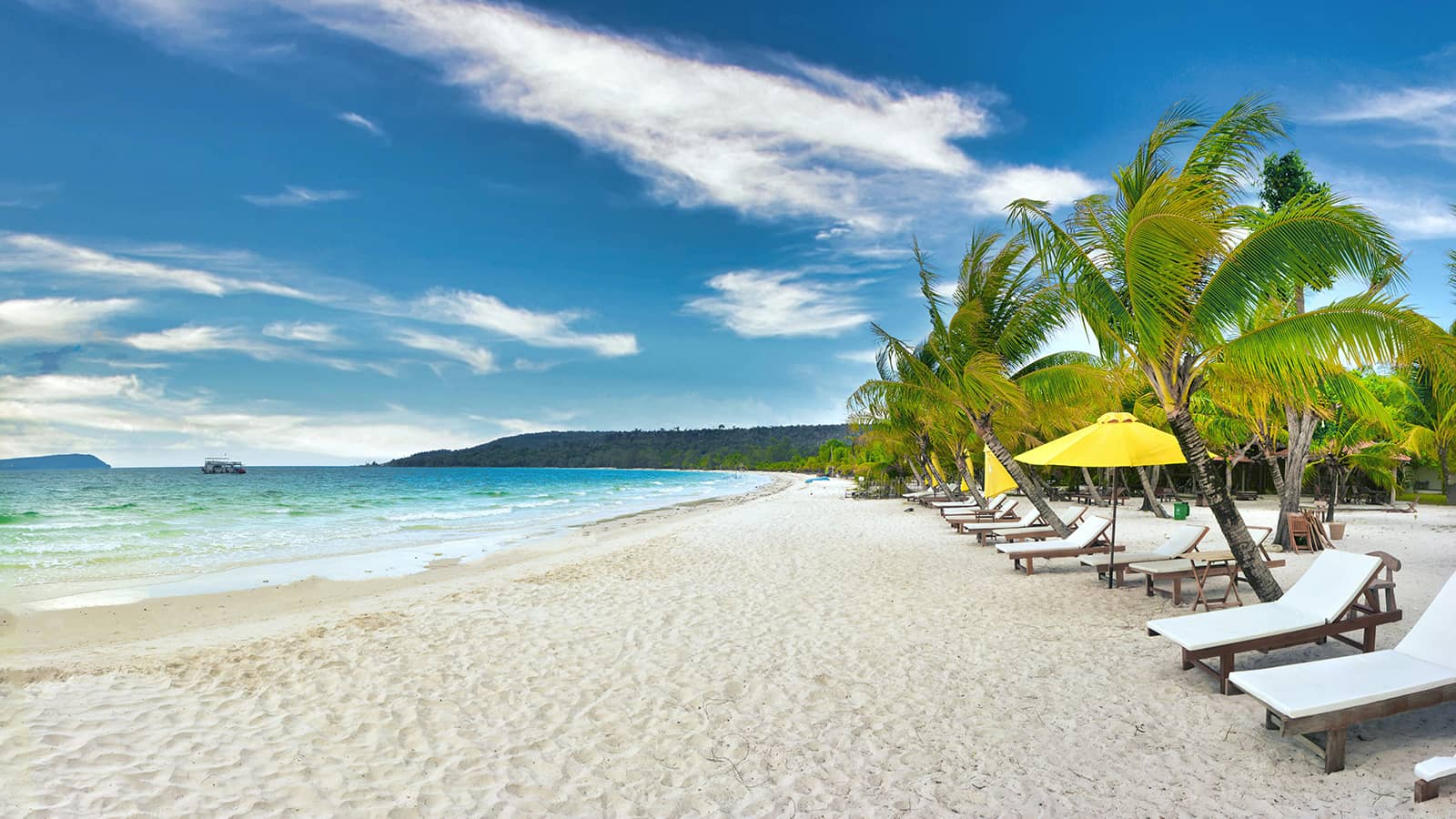
Patong is Thailand’s most commercially developed beach town, and it doesn’t apologize for that. The 3-kilometre crescent of sand faces the Andaman Sea to the west, which means sunsets here are genuinely spectacular — the kind where the sky turns amber and deep violet above the horizon while longtail boats idle in the shallows and vendors pack up their mats for the night. That moment, around 6:15 PM in November, is the most beautiful thing about Patong.
Then Bangla Road comes to life and the whole tone shifts. Neon signs, bass-heavy music spilling from open-air bars, tuk-tuks honking through pedestrian crowds — Patong after dark is its own ecosystem. But walk three streets back from the beach and you’ll find neighbourhoods that are genuinely local: fresh market stalls, 7-Elevens frequented by motorbike taxi drivers, family-run noodle shops that haven’t changed their menu in a decade.
The character split is real. Patong rewards visitors who understand what it is and plan around that honestly.
Where to Stay: Zones That Match Your Style
Patong is small enough to walk across in 25 minutes, but location still matters because the noise level changes dramatically by zone.
North Patong (Kalim Area)
The quietest end of the bay. Kalim sits just above the northern headland and technically borders Patong. The water here is rockier but the restaurants are excellent and you’re a 10-minute walk from the beach without being inside the chaos. Boutique hotels and private pool villas cluster in this area. Good choice for couples who want access to Patong’s energy without sleeping inside it.

Central Beachfront
The strip of hotels along Thaweewong Road faces the beach directly. Convenience is maximum — you can walk from your room to the sand in under two minutes. The trade-off is price and noise. These hotels command the highest room rates in Patong, and the road itself is busy with traffic and vendors until midnight. If being on the beach is your top priority and you can tune out ambient sound, this works well.
Bangla Road and South Patong
Stay here only if you’re planning to use Bangla Road heavily. Hotels in this zone are mid-range to budget, often above bars or beside karaoke venues. Sleep before 2 AM is optimistic. For backpackers or groups focused on nightlife, it makes sense. For everyone else, the value isn’t there.
Inland Patong (Rat-U-Thit Road Area)
One street back from the beachfront, Rat-U-Thit Road (locals call it “Rat-U-Thit 200 Pi Road”) is the practical middle ground. Most mid-range hotels sit here. Quieter than the beachfront at night, close enough to walk everywhere, and where you’ll find the best street food concentration. Strong choice for most visitors.
Getting to Patong and Getting Around Once You’re There

From Phuket International Airport
The airport sits about 42 kilometres north of Patong. Your real options in 2026 are: a metered taxi (airport taxi desk, fixed rate of approximately 650–800 THB depending on vehicle size), a private transfer booked in advance through your hotel or a platform like Grab (similar price, more predictable), or the Smart Bus — Phuket’s public Smart Bus network runs a route that passes Patong for around 100 THB, but journey time with stops runs 60–90 minutes and it requires a connection at the Phuket Bus Terminal.
Avoid unmarked taxis outside the arrival hall. The 2026 crackdown on unlicensed transport at Phuket Airport has reduced these operators, but they haven’t disappeared. Metered taxis from the official desk or Grab are the safest call.
Getting Around Patong
Patong is walkable for its core area. For trips south to Karon and Kata, or north toward Kamala, you have three options: rent a scooter (approximately 200–300 THB per day, international driving permit required by law and increasingly checked at checkpoints in 2026), hire a tuk-tuk for individual journeys (negotiate before you get in, expect 100–200 THB for short hops), or use Grab, which operates in Phuket and is consistently cheaper than negotiated tuk-tuks for longer distances.
Where to Eat: From Street Food Alleys to Beachfront Tables
Patong’s food scene has more range than its party-town image suggests, though you do need to know where to look.
Malin Plaza and the Night Market Strip
Malin Plaza, on the northern end of the beachfront road, is Patong’s most reliable street food concentration. Open from late afternoon until around midnight, the stalls here cover pad thai, grilled seafood, papaya salad, satay, and fresh fruit. The smoke from the charcoal grills drifts across the whole plaza on a still night — the smell of it alone is worth the walk. Expect to spend 60–120 THB per dish. It’s genuinely good food, not a tourist trap version of it.

Bangla Road Food Court (Jungceylon Mall)
Jungceylon is Patong’s large shopping mall and its basement food court is one of the underrated lunch spots in the area. Air-conditioned, reasonably priced (80–150 THB per dish), and covering both Thai and international options. Useful when the midday heat makes outdoor eating unpleasant.
Kalim Seafood Restaurants
The restaurants perched on the rocks at Kalim Bay, just north of Patong, specialise in fresh seafood with Andaman Sea views. These are sit-down meals rather than quick bites — budget 400–900 THB per person for a proper seafood dinner. The grouper steamed with lime and chilli is consistently excellent across several of the establishments here. Arrive before sunset to claim a window table.
Rat-U-Thit Road Local Spots
This inland road has a string of Thai restaurants that serve neighbourhood food rather than tourist menus. Khao mun gai (poached chicken on rice), boat noodles, and kuay teow (rice noodle soup) are all available at local prices — 50–80 THB a bowl — if you’re willing to point at what you want when there’s no English menu.
The Beach Itself: What to Know Before You Unroll Your Towel
Patong Beach is 3 kilometres of pale sand divided into sections, each managed slightly differently. The central section in front of the main hotels is the most crowded. Sun lounger rental runs 100–150 THB per chair, sometimes with a minimum drink spend from the adjacent beach bar.
The northern end of the beach near Kalim is noticeably less crowded and the water is slightly calmer. The southern end near the beach road junction has more jet ski and water sports operators.
Water conditions vary dramatically by season. November through April, the Andaman side is calm and clear — visibility is good for snorkelling off the rocks at the northern end. May through October is monsoon season. Patong stays open year-round but the red flag system is serious: red flags mean no swimming, and the sea can shift from swimmable to dangerous within hours. The beach safety volunteer presence increased in 2025 and has continued into 2026 — take flag warnings at face value.

Jet ski rental along Patong is an ongoing source of scams. Operators claim pre-existing damage after you return the vehicle. In 2026, the official advice remains consistent: photograph every scratch on the jet ski before you get on, with a timestamp, and do not hand over your passport as a deposit (your hotel key card or a photocopy is acceptable).
Nightlife and Entertainment: Beyond Bangla Road
Bangla Road is the obvious centrepiece of Patong nightlife — a pedestrianised strip of open-air bars, go-go clubs, live music venues, and street performers that runs from the beachfront road inland for about 400 metres. It is busy every night of the week, peaks between 10 PM and 2 AM, and is worth walking through at least once for the sheer spectacle of it, regardless of whether it’s your scene.
But Patong’s nightlife has layers beyond Bangla.
Tiger Entertainment Complex
The Tiger complex off Bangla Road is one of Southeast Asia’s most commercially produced nightlife venues — multiple bars, a nightclub, and entertainment across several floors. Entry is free, drinks are what you’d expect at a venue of this scale (180–300 THB for a beer). It’s loud, efficient, and designed for maximum throughput. Some people love it, some find it exhausting. Worth understanding before you walk in.
Rooftop Bars
Several of Patong’s mid-range hotels opened rooftop bar areas between 2023 and 2025. These offer a completely different pace — cocktails around 280–380 THB, Andaman Sea views, and music at conversation-friendly volumes. A useful alternative if you want the evening atmosphere without the Bangla Road intensity.

Live Music Venues
A cluster of live music bars sits on the streets running parallel to Bangla Road. Thai cover bands play everything from rock to pop — the standard is surprisingly high. No cover charge at most, with a drink minimum. These spots attract a mix of expats, long-stay tourists, and locals, and tend to feel far more relaxed than the main strip.
2026 Budget Reality: What Everything Actually Costs
Prices in Patong have increased meaningfully since 2023. Inflation, the strong tourist demand, and the shift toward higher-spending visitors have all pushed costs up. Here’s an honest breakdown.
Accommodation (per night)
- Budget: 600–1,200 THB — guesthouses and hostels on Rat-U-Thit Road, fan or basic AC rooms, shared or private bathroom. Clean but minimal.
- Mid-range: 1,500–3,500 THB — hotel rooms with pool access, AC, decent breakfast included. Most of the reliable 3-star options fall here.
- Comfortable: 4,000–9,000 THB — beachfront hotels, pool villas, or boutique properties in Kalim. Includes options with direct beach access and full facilities.
Food and Drink
- Budget: 50–120 THB per dish at street stalls and market vendors. A full meal with water costs under 200 THB.
- Mid-range: 200–450 THB per main course at sit-down restaurants with service.
- Comfortable: 500–1,200 THB per person for seafood restaurants or hotel dining, excluding alcohol.
- Beer at a convenience store: 50–65 THB. Beer at a beach bar: 100–160 THB. Cocktail at a bar: 180–350 THB.
Activities
- Sun lounger rental: 100–150 THB per chair per day
- Jet ski rental: 800–1,200 THB per 30 minutes
- Half-day snorkelling trip: 800–1,500 THB per person
- Muay Thai match ticket (Patong Boxing Stadium): 1,500–2,000 THB ringside
- Thai massage (reputable shop, 1 hour): 300–500 THB
Transport
- Airport transfer (taxi/Grab): 650–900 THB
- Tuk-tuk within Patong: 100–200 THB per trip
- Scooter rental per day: 200–300 THB (plus petrol)

Day Activities Away from the Sand
When you’ve had enough of the beach, Patong’s location makes a strong base for broader exploration.
Muay Thai at Patong Boxing Stadium
Real competitive Muay Thai fights run several nights a week at Patong Boxing Stadium. This is not a tourist performance — the fighters are professional and the atmosphere is genuine. Matches typically start at 9 PM. Ringside seats are more expensive but the viewing difference is significant. Check the current fight schedule on arrival as it changes week to week.
Old Phuket Town
About 15 kilometres east of Patong, Phuket Town’s Sino-Portuguese old quarter is the cultural counterpart to Patong’s commercial energy. The painted shophouses, independent coffee spots, and weekend market make it a logical half-day trip. Grab takes roughly 25–30 minutes from central Patong and costs around 150–200 THB each way.
Island Day Trips
Phi Phi Island and the Similan Islands are both reachable as day trips from Patong, departing from the nearby Rassada Pier or the dedicated speedboat pier at the southern end of Patong Beach. Phi Phi trips run daily year-round (with weather-dependent cancellations in monsoon season); Similan Islands have a defined open season from approximately October to May due to national park regulations. Prices for organised day tours start around 1,200–1,800 THB per person.
Cooking Classes
Several operators in and around Patong run half-day Thai cooking classes, typically including a market visit, instruction on three to four dishes, and a sit-down meal of what you’ve cooked. Prices range from 1,200–2,000 THB per person. A more grounded activity if you’re traveling with people who want something beyond beach and bar days.
Frequently Asked Questions
Is Patong Beach safe for swimming in 2026?
Yes, during dry season (November to April) conditions are generally calm and safe. During monsoon season (May to October), follow flag warnings strictly — red flags mean no swimming without exception. The beach safety volunteer system has been strengthened since 2025 and flags are actively monitored. Never swim after heavy drinking regardless of season.

How far is Patong from Phuket Town?
Approximately 15 kilometres, or about 25–30 minutes by car or Grab depending on traffic. The road crosses a hilly section between the two areas. The journey is scenic on a clear day. Public Smart Bus also connects them for around 50–80 THB, though journey time is longer with stops.
What is the best area of Patong to stay in?
For most visitors, Rat-U-Thit Road and the streets parallel to the beachfront offer the best balance of price, noise level, and access. Families or couples preferring quiet should consider the northern Kalim end of the bay. Budget travelers focused on nightlife will find the most affordable options near and south of Bangla Road.
Is Patong suitable for families with children in 2026?
Yes, with the right zone and timing. The northern beach area and Kalim are well away from the nightlife concentration. Families staying in central or north Patong can use the beach comfortably during the day. The main caution is that Bangla Road is very adult-oriented at night — daytime it’s relatively normal. Most mid-range and above hotels in Patong have family room configurations and pools.
Do I need to rent a scooter to get around Patong?
Not if you’re staying within Patong itself — the core area is walkable. For trips to nearby beaches like Karon or Kata, or day trips to Phuket Town, Grab is a practical and affordable alternative if you’re not confident riding in Thai traffic. Scooters offer flexibility but Phuket road conditions and traffic require genuine riding experience, not just the willingness to try it.
Explore more
15 Best Things to Do in Phuket for an Unforgettable Trip
The 15 Best Restaurants in Phuket You Can’t Miss
Phuket First-Timers Guide: Everything You Need to Know Before You Go