On this page
- Where to Stay: Phuket’s Beaches and Neighbourhoods Explained
- Getting Around the Island Without Getting Ripped Off
- What the 2026 Tourist Entry Fee Means for Your Budget
- Phuket’s Beach Reality Check: Which Sand Actually Suits You
- Eating Well in Phuket: Where Locals Eat vs. Tourist Traps
- Safety, Scams, and Things That Catch First-Timers Off Guard
- 2026 Budget Reality: What Things Actually Cost in Phuket
- Day Trips Worth the Effort from Phuket
- Frequently Asked Questions
Phuket has changed significantly in the past two years. The island welcomed over 14 million visitors in 2025, and 2026 has brought new entry fees, a restructured taxi system, and whole new development zones that have shifted where smart travellers choose to stay. If you’re planning your first trip using old guides or outdated YouTube videos, you’ll land at Phuket International Airport with the wrong expectations and probably pay double what you should for a tuk-tuk. This guide is built for 2026 — specific, honest, and based on how the island actually operates today.
Where to Stay: Phuket’s Beaches and Neighbourhoods Explained
Phuket is not one place — it’s closer to a small country. The island is roughly 50 kilometres from north to south, and choosing the wrong base can mean spending half your holiday in a vehicle. Each area has a distinct personality, and matching that to your travel style matters more here than almost anywhere else in Thailand.
Patong Beach
This is Phuket’s most famous strip, and it delivers exactly what you expect: neon lights, loud bars, a busy beach, and restaurants open until 3am. If you want energy, nightlife, and maximum convenience for eating and shopping, Patong is functional. If you want peace, avoid it entirely. Accommodation ranges from budget guesthouses to mid-range hotels, but expect to pay a premium for anything within 300 metres of the beach.
Kata and Karon
Just 15 to 20 kilometres south of Patong, these two beaches attract couples and families who want a proper beach without the chaos. Kata is smaller and prettier. Karon has a longer stretch of sand with fewer crowds. Both have decent restaurant scenes and are calm enough by 11pm. These are the right choice for most first-timers who aren’t specifically chasing the party scene.
Kamala and Surin
On the mid-west coast, Kamala feels almost village-like, with a proper local community behind the beach road. Surin sits just above it and is known for upscale resorts and a beach that draws a quieter, older crowd. Both areas have improved their food scene considerably since 2024, with several well-regarded Thai restaurants opening along the back streets.

Phuket Town
The island’s capital is underrated as a base. Accommodation here is cheaper than any beach area, the food is excellent, and the Sino-Portuguese old town architecture gives the neighbourhood a character the beach zones completely lack. The trade-off is a 20 to 30 minute drive to the nearest good beach. For travellers who plan to explore broadly and aren’t anchored to one stretch of sand, Phuket Town makes strong financial sense.
Bang Tao and Laguna
On the north-west coast, this long beach is home to the Laguna resort complex and a growing number of villa rentals. It’s calmer, slightly remote, and better suited to travellers who want a self-contained resort experience or are renting a private pool villa with a group.
Getting Around the Island Without Getting Ripped Off
Transport in Phuket has historically been the island’s biggest frustration, and while some things improved in 2025, the fundamentals haven’t changed enough to relax your guard.
Ride-hailing apps: Grab and Bolt both operate in Phuket in 2026, and these are your best friends. The metered fare from Phuket Airport to Patong via app runs around 600–700 THB. The same ride in a taxi tout’s car at the arrivals hall will cost 1,200–1,500 THB. Always walk past the taxi desk and book via app from the kerb outside.
Songthaews (shared trucks): Fixed-route shared trucks run between major beaches for 30–50 THB per person. They’re slow but they work if you’re not in a hurry and you know the routes. The Phuket Town to Rawai songthaew is a reliable option used daily by local workers.

Scooter rental: Widely available at 200–350 THB per day. Traffic on the main roads between beaches is fast and driving standards are unpredictable. If you have experience riding and a valid licence, it’s the most flexible option. If not, the roads between Patong and Kata are genuinely dangerous for beginners.
Private drivers: For day trips or airport runs booked through your hotel, a full-day private driver costs around 2,000–2,500 THB. For groups of three or four, this splits well and beats the stress of navigating independently.
What the 2026 Tourist Entry Fee Means for Your Budget
From January 2026, Thailand’s national tourist fee — officially called the Thailand Tourism Fee — of 300 THB per international arrival is collected at immigration for air arrivals. For Phuket specifically, this fee is used partly to fund marine conservation and beach maintenance programmes. It’s straightforward: you pay it, you get a receipt, and it’s done. There’s no separate Phuket surcharge on top of this.
What has changed more meaningfully for Phuket is the marine park entry structure. Visiting Similan Islands, Phi Phi Marine National Park, and Phang Nga Bay as part of organised tours now includes a conservation fee built into the operator’s price. In 2024 this was sometimes collected separately and inconsistently. In 2026, legitimate operators include it in the ticket price, usually 200–400 THB depending on the park. If a tour operator quotes you a price suspiciously lower than competitors, it often means they’re skipping the park fee — which causes problems at the entry gates.

Visa rules themselves haven’t changed for most Western nationalities: citizens from 93 countries still receive a 60-day visa exemption, extendable once for another 30 days at the Phuket Immigration Office on Phuket Town’s Phuket Road.
Phuket’s Beach Reality Check: Which Sand Actually Suits You
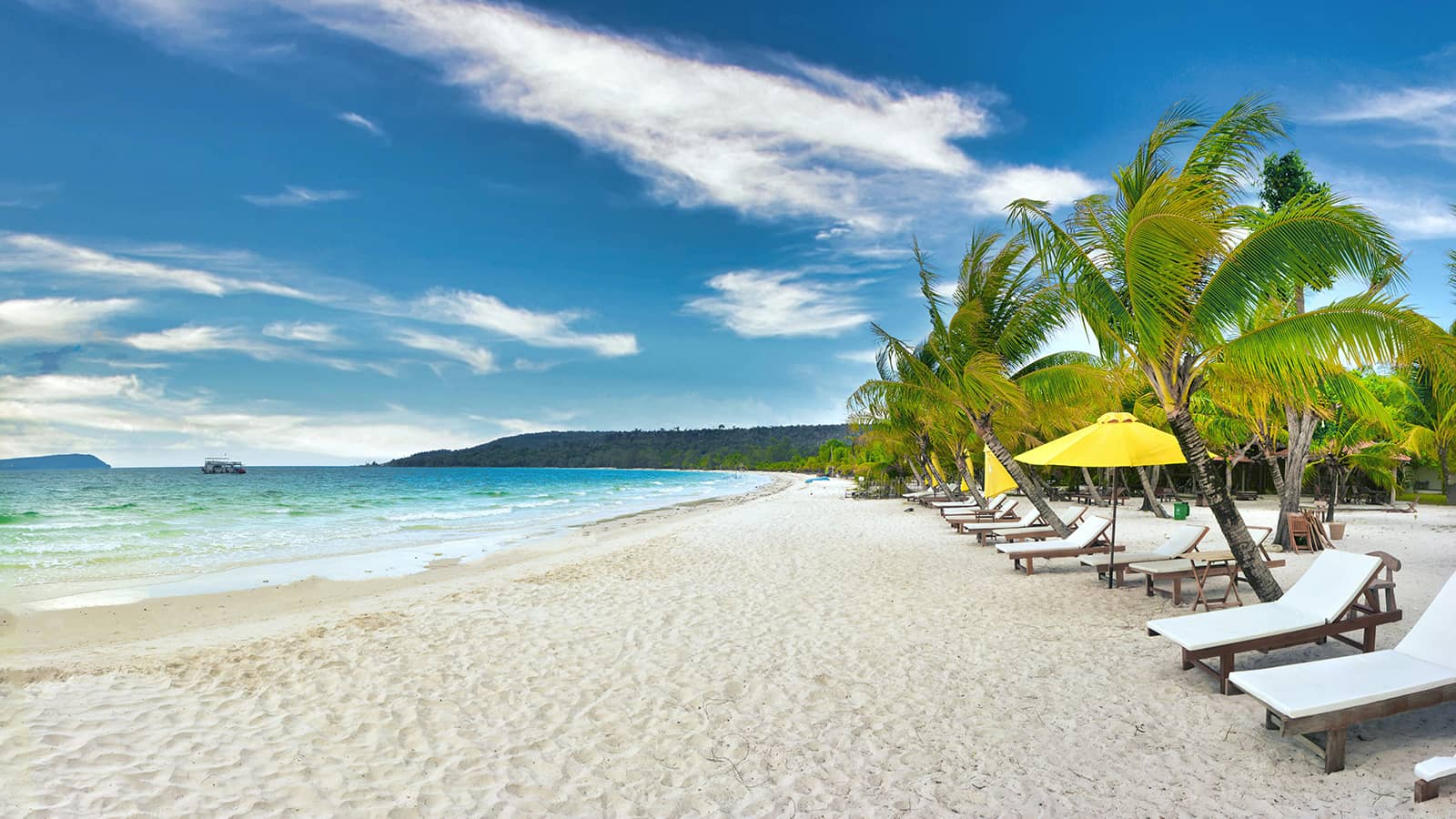
The marketing images of Phuket beaches are real — but they don’t all look that way at the same time of year, and some beaches that photograph beautifully are actually impractical to swim at. First-timers often pick accommodation based on the wrong beach for their interests.
Swimming conditions by season: The dry season runs roughly November through April. May to October is monsoon season. The west coast beaches — Patong, Kata, Karon, Kamala, Bang Tao — face the Andaman Sea and take the full force of monsoon swells. Red flags are not suggestions in Phuket; they’re enforced, and drownings still occur every year when visitors ignore them. During monsoon, the east coast and Phang Nga Bay area see calmer water, which is why Phuket Town stays relevant as a base year-round.
Crowds: Patong Beach between December and February looks nothing like June. In peak season, the sand genuinely fills up by 10am and sun loungers (100–200 THB to rent) are mandatory unless you arrive early. Kata Noi, the smaller beach just south of Kata, tends to be quieter even in peak months because it’s less accessible to tour buses.
Water clarity: Phuket’s main beaches have ordinary visibility — fine for swimming, not ideal for snorkelling. Anyone who wants clear water and coral needs to take a boat trip to the surrounding islands. The beach itself is not the snorkelling destination; the islands nearby are.
Standing at the southern end of Kata Noi in the late afternoon, when the light drops low and turns the water a deep turquoise green, the beach genuinely earns its postcard reputation. The problem is most people only see it through a crowded midday haze from Patong.

Eating Well in Phuket: Where Locals Eat vs. Tourist Traps
Phuket has a distinct local cuisine that most first-timers never encounter because they eat along the beach road and wonder why Thai food tastes bland. The actual food scene is excellent — you just need to know where to look.
Phuket Town markets: The Sunday Walking Street on Thalang Road and the Weekend Night Market near the bus terminal are not tourist fabrications — they’re genuine community events where you can eat Phuket-style dishes like mee hokkien (thick yellow noodles fried with shrimp and pork), oh tao (oyster cake), and kanom jeen nam ya (rice noodles in fish curry sauce) for 60–120 THB a plate. The smell of charcoal and fish sauce hangs in the warm evening air between the old shophouses — it’s the closest thing to authentic street food culture on the island.
Rawai seafood market: In the south of the island, this is where locals and long-term expats buy fresh seafood by weight, then take it to adjacent restaurants to cook it. You pick your crab, fish, or prawns, negotiate a price (roughly 300–600 THB per kilogram depending on species), and the restaurant charges a small cooking fee of 50–100 THB per dish. The result is better than anything served in Patong at a fraction of the cost.
What to avoid: Any restaurant in Patong with a laminated 30-page menu featuring photos, free cocktail offers, or a tout standing outside. The food is almost always reheated, overpriced, and has nothing to do with Thai cooking. A bowl of tom yum that costs 80 THB in Phuket Town will cost 280 THB in the same form on Bangla Road.

Safety, Scams, and Things That Catch First-Timers Off Guard
Phuket is safe by most international standards, but it has a concentrated set of tourist-specific risks that are worth knowing before you arrive, not after something goes wrong.
The gemstone scam: Still running in 2026, usually starting with a friendly local who steers you toward a jewellery shop with a “one-day government discount.” There is no government discount. The stones are worth a fraction of what you pay. If a stranger mentions gems or jewellery unprompted, walk away immediately.
Tiger, photo, and attraction scams: “Ethical” elephant sanctuaries vary wildly in quality. The ones advertising elephant riding are not sanctuaries. Reputable operations in 2026 include Phuket Elephant Sanctuary in Paklok and Elephant Jungle Sanctuary near Bang Tao. Both allow observation and bathing but no riding, and both have genuine welfare standards.
Jet ski damage scams: One of Phuket’s longest-running tourist problems. You rent a jet ski, return it, and the operator claims you’ve caused damage that was already there before you took it. Always photograph and video the jet ski thoroughly from every angle before you start, in the presence of the operator. If they resist this, don’t rent from them.
Sun and heat: The UV index in Phuket regularly hits 11 or 12 between 10am and 2pm. First-timers from temperate climates consistently underestimate this and spend day two of their holiday sunburned and unable to enjoy the beach. Sunscreen SPF 50 is sold everywhere for 150–300 THB but buying it before you go is cheaper.
Road safety: Phuket has one of Thailand’s higher rates of tourist road accidents. The hilly, winding roads between beaches are not beginner scooter territory. Helmets are legally required and increasingly enforced at police checkpoints on main routes.

2026 Budget Reality: What Things Actually Cost in Phuket
Phuket is Thailand’s most expensive destination, and costs have risen meaningfully since 2023. Here’s what genuine 2026 prices look like across budget tiers.
Accommodation (per night)
- Budget: Guesthouses and basic hostels in Phuket Town or inland areas — 400–900 THB per night
- Mid-range: Three-star hotels or boutique guesthouses near the beach — 1,500–3,500 THB per night
- Comfortable: Four-star beachfront or pool villa — 4,500–12,000+ THB per night
Food and drink
- Budget: Local market meals, songthaew food stalls, Phuket Town shophouses — 60–150 THB per dish
- Mid-range: Sit-down Thai restaurants away from beach fronts — 200–450 THB per person for a full meal
- Comfortable: Beachfront dining, international restaurants, Surin/Kamala area — 600–1,500 THB per person
Activities
- Phi Phi Islands day trip (boat + lunch + park fee): 1,200–1,800 THB per person
- Phang Nga Bay tour (standard): 1,000–1,500 THB per person
- Half-day cooking class in Phuket Town: 1,200–1,800 THB
- Scooter rental per day: 200–350 THB
- Patong beach sun lounger rental: 100–200 THB
Daily totals by travel style
- Budget traveller (guesthouse, local food, shared transport): 1,200–1,800 THB per day
- Mid-range traveller (hotel, mix of restaurants, Grab taxis): 3,000–5,500 THB per day
- Comfortable traveller (resort, dining out twice daily, private transport): 8,000–18,000+ THB per day
Day Trips Worth the Effort from Phuket
Phuket’s position in the Andaman Sea makes it a strong hub for surrounding destinations. The day trips that actually deliver are worth booking over spending an extra day on the main island beaches.
Phi Phi Islands: The most popular day trip from Phuket, departing from Rassada Pier or Chalong Pier. Speedboat trips take about 45 minutes. The islands are genuinely beautiful — Maya Bay reopened to visitors under a strict quota system in 2022 and that system is still in place in 2026, which means the beach looks far better than it did before the closure. Book morning departures to reach Maya Bay before the afternoon crowds arrive.

Phang Nga Bay: The limestone karsts rising from flat, mirror-calm water make this one of the most photographed landscapes in Southeast Asia. James Bond Island is the famous stop, but the real experience is kayaking through sea caves and mangrove tunnels at low tide. Half-day and full-day tours depart from Phuket with pick-up from most hotels.
Similan Islands: Further north (roughly two hours by speedboat), the Similans require an early start — typically departing by 7am from Tab Lamu Pier in Phang Nga Province. These islands have the clearest water and best snorkelling in the region. The national park is closed from mid-May to mid-October, so this trip is only possible in the dry season. Worth the early alarm for any first-timer who cares about marine life.
Khao Sok National Park: About 150 kilometres north-east of Phuket and reachable by minivan in around two hours, Khao Sok offers limestone jungle, a vast lake (Cheow Lan), and genuine wildlife. Overnight trips are the best format, but a long day trip is possible. This is completely different terrain from anything you’ll find on or around Phuket itself — ancient rainforest rather than beach — and it makes the trip feel far more varied.
Frequently Asked Questions
When is the best time to visit Phuket for the first time?
November through February is the sweet spot — dry skies, manageable heat around 28–30°C, and calm seas for swimming and island trips. December and January are peak season with higher prices and crowds. March and April are quieter but still dry. Avoid arriving on the west coast beaches during the May–October monsoon unless you’re happy with a rain-heavy trip.
Is Phuket safe for solo female travellers?
Generally yes. The main beach areas are busy and well-lit at night, and petty crime targeting tourists is low. The areas to be more careful are late-night Patong, particularly around Bangla Road after midnight, where the atmosphere shifts. Standard precautions apply: share your location with someone, don’t accept drinks from strangers, and use ride-hailing apps rather than walking alone to hail a taxi late at night.

Do I need to hire a car or scooter to get around Phuket?
No, but it significantly expands what’s accessible. First-timers without riding experience can manage comfortably using Grab, Bolt, and songthaews between major beaches. If you’re based in one area and plan day trips through operators, you can go the entire trip without renting anything. A scooter is helpful for exploring Phuket Town and the south of the island, but only if you’re already a confident rider.
How many days should I spend in Phuket?
Five to seven days gives you enough time to settle into a beach base, do two or three day trips, explore Phuket Town, and not feel rushed. Fewer than four days and the time-cost of long flights and acclimatisation makes it feel truncated. Phuket also works well as part of a wider southern Thailand itinerary — combine it with Koh Lanta, Krabi, or the Trang Islands for two to three weeks total.
Can I drink tap water in Phuket?
No. Tap water across Phuket is not safe to drink directly. Bottled water is available everywhere for 10–20 THB per 1.5-litre bottle. Most mid-range and upmarket hotels provide filtered water dispensers or complimentary bottles. Travellers staying longer than a week should consider a refillable bottle and use hotel or café refill points — several areas in Phuket Town have introduced public refill stations since 2024 as part of a wider plastic reduction effort.
Explore more
The Ultimate Guide to Things to Do in Phuket
15 Best Things to Do in Phuket for an Unforgettable Trip
The Ultimate Guide to Phuket Nightlife: Bars, Clubs & Beyond
📷 Featured image by Ratul Ghosh on Unsplash.