On this page
- Koh Samui in 2026: Still Worth It — If You Plan Right
- Koh Samui’s Beaches: Matching the Right Beach to the Right Traveler
- Temples and Sacred Sites: More to See Than Big Buddha
- Adventure Activities: What’s Actually Worth Doing
- Where to Eat and Drink on Koh Samui
- Getting Around Koh Samui in 2026
- Day Trips from Koh Samui
- Nightlife and Evening Entertainment
- Shopping on Koh Samui
- Best Areas to Stay on Koh Samui
- Best Time to Visit Koh Samui
- Practical Tips for 2026
- 2026 Daily Budget Breakdown
- Frequently Asked Questions
💰 Click here to see Thailand Budget Breakdown
💰 Prices updated: October, 2026. Budget figures are estimates — always verify before travel.
Exchange Rate: $1 USD = ฿33.60
Daily Budget (per person)
Shoestring: ฿900.00 – ฿1,800.00 ($26.79 – $53.57)
Mid-range: ฿2,150.00 – ฿4,000.00 ($63.99 – $119.05)
Comfortable: ฿6,000.00 – ฿12,000.00 ($178.57 – $357.14)
Accommodation (per night)
Hostel/guesthouse: ฿90.00 – ฿750.00 ($2.68 – $22.32)
Mid-range hotel: ฿1,400.00 – ฿3,500.00 ($41.67 – $104.17)
Food (per meal)
Budget meal: ฿70.00 ($2.08)
Mid-range meal: ฿250.00 ($7.44)
Upscale meal: ฿1,000.00 ($29.76)
Transport
Single metro/bus trip: ฿30.00 ($0.89)
Monthly transport pass: ฿1,155.00 ($34.38)
Koh Samui in 2026: Still Worth It — If You Plan Right
The question most travelers are asking in 2026 is whether Koh Samui has been loved to death. International arrivals rebounded hard after 2023, and by 2025 the island was dealing with real growing pains — packed beaches on the northeast coast, uneven road conditions after the 2024 storm season, and a wave of new resort construction that temporarily disrupted the south and west sides. The honest answer: Koh Samui is still one of the best islands in Southeast Asia, but the experience you get depends almost entirely on where you go and when. This guide cuts through the noise and tells you what actually works in 2026.
Koh Samui’s Beaches: Matching the Right Beach to the Right Traveler
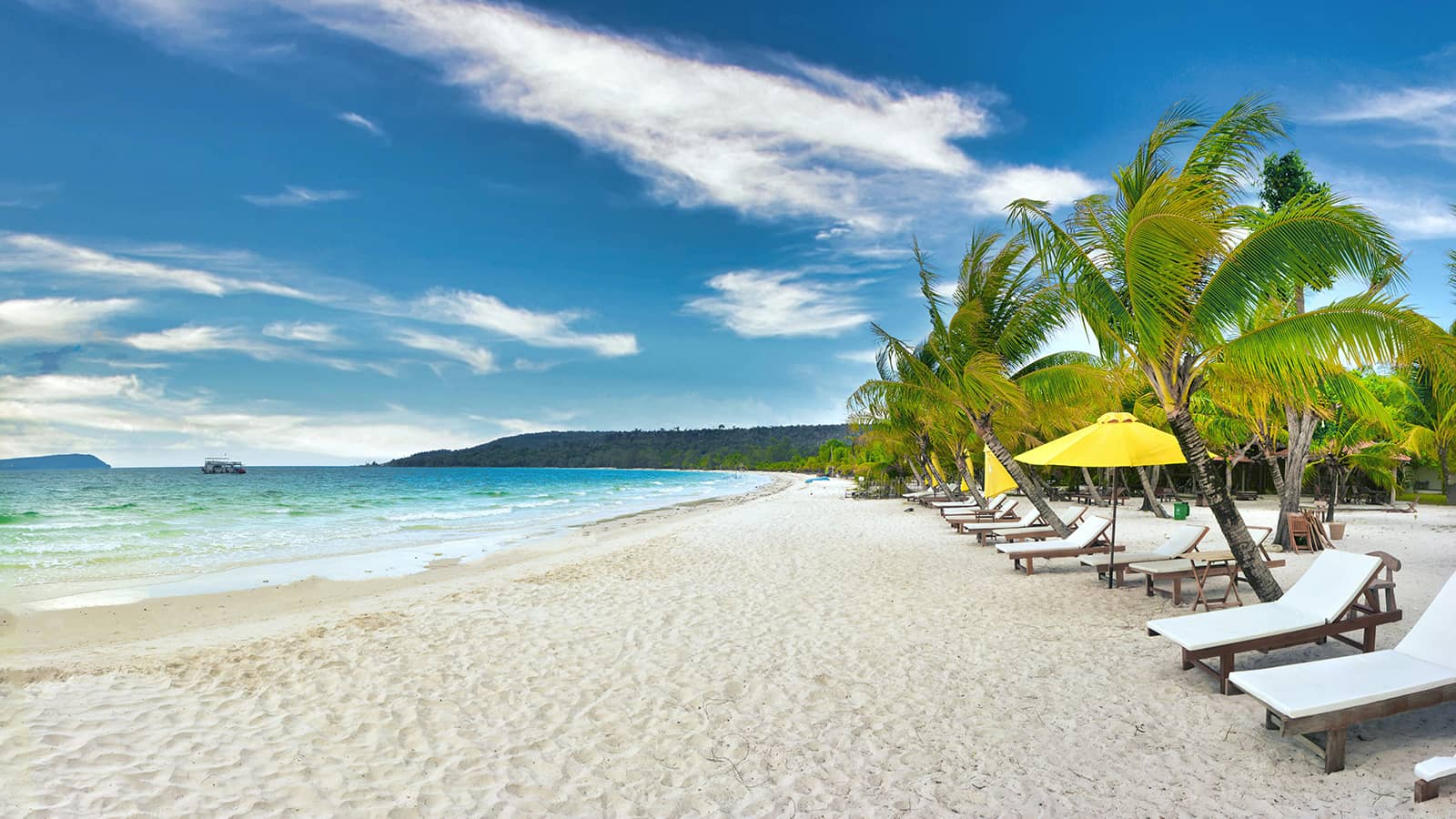
Koh Samui has roughly 50 kilometres of coastline, and not all of it deserves your towel. The beaches vary wildly in character, crowd level, and water clarity — and picking the wrong one can set a sour tone for the whole trip.
Chaweng Beach
This is the island’s busiest stretch, running about 7 kilometres on the northeast coast. The sand is genuinely white and fine, and the water is clear in the dry season. But between November and April, Chaweng gets crowded before 10am. Sun loungers now rent for 150–200 THB per set — a price hike from pre-2024 rates. If you want easy access to restaurants, beach bars, and watersports operators, Chaweng delivers. Come early or stay past 5pm when the crowds thin and the light turns golden over the water.
Lamai Beach
Lamai is Chaweng’s quieter sibling, about 10 kilometres south. The water is slightly rockier at the northern end but the central stretch is clean and swimmable. The beach road behind it has a genuine local eating scene — less polished than Chaweng’s strip, more honest in its prices. Good for families and solo travelers who want activity nearby without the full-on party atmosphere.

Maenam Beach
On the north coast, Maenam stretches almost 4 kilometres and remains one of the least developed long beaches on the island. The water can be cloudy after rain but the sunsets here — watching the sky turn deep orange behind Koh Phangan just across the water — are the kind of thing that makes you extend your stay. Maenam suits anyone who values peace over convenience.
Lipa Noi & Bang Po (West Coast)
The west coast is where you come for flat-calm water and serious sunset views. Lipa Noi is shallow and warm, better for wading than swimming, but the seafood restaurants perched along its edge are some of the best value on the island. Bang Po, further north, has an almost local-village feel with longtail boats bobbing offshore and cats sleeping on restaurant tables.
Silver Beach (Ao Thong Takian)
Tucked between Chaweng and Lamai, Silver Beach is small — maybe 200 metres — but the water is stunning and the cove is sheltered. A couple of simple beach bars operate here. It fills up by midday in high season, so arrive before 9am to claim a spot.
Temples and Sacred Sites: More to See Than Big Buddha
Most visitors tick off Wat Phra Yai (Big Buddha) and call it done. The golden statue sitting on a small island at the northeast tip of Samui is genuinely impressive, especially when the morning light catches the gilded surface and the smell of incense from the offerings below drifts across the causeway. But the temple circuit on Samui has more depth than that one Instagram stop.

Wat Plai Laem
A few hundred metres from Big Buddha, Wat Plai Laem sits on a lake and features an 18-armed pink statue of Guanyin, the Chinese goddess of mercy, surrounded by fish you can feed for 20 THB. The temple complex is colorful, active, and photographically richer than Big Buddha. Respectful dress is required — shoulders and knees covered.
Wat Khunaram
On the main ring road inland, this temple is home to a mummified monk — Luang Pho Daeng — preserved in a glass case and still dressed in his robes. It sounds macabre, but the atmosphere is genuinely reverential. Locals come here to pray, not to perform for tourists. Arrive during weekday mornings when it’s quieter and the monks are active in the grounds.
Hin Ta and Hin Yai (Grandmother and Grandfather Rocks)
Technically a natural formation rather than a temple, these famous rocks at the southern end of Lamai have mythological significance in local folklore and draw a steady crowd. The rocks themselves are worth 20 minutes. The real bonus is the cliff path above — walk past the vendors and up to the small viewpoint for a clean view of the Lamai coastline.
Wat Samret
This quieter inland temple houses one of the oldest Burmese-style marble Buddhas on the island. Few tour groups come here. The surrounding grounds are shaded by old trees and the atmosphere is cool and calm — a genuine contrast to the coast.
Adventure Activities: What’s Actually Worth Doing
Koh Samui’s adventure scene has expanded significantly since 2024. New operators have set up, safety standards have improved under stricter Tourism Authority of Thailand (TAT) licensing, and some of the best activities now book out weeks in advance during high season.

Snorkeling and Diving
The reefs directly around Samui are not the island’s selling point — visibility varies and the best dive sites require a boat journey. For day-trip diving, most serious divers go to Koh Tao (about 1.5 hours by speedboat) where visibility regularly hits 20–30 metres and whale shark sightings have been more frequent since the marine protection zone expansion in 2025. Closer to Samui, Ang Thong Marine National Park offers excellent snorkeling, particularly around the island cluster’s inner lagoon.
Kayaking
Sea kayaking tours around the island’s smaller offshore rocks and mangrove edges have grown into one of the most popular half-day activities. Several operators run guided morning tours from Chaweng and Lamai — expect 800–1,500 THB per person for a 3-hour guided paddle. The mangrove route near Nathon on the west coast is quieter than the tourist-heavy tours and genuinely beautiful at low tide when the roots arc above still water.
Zip-lining
Canopy Adventures Samui, operating in the forested interior near Chaweng, remains the most established zip-line operator on the island. The course runs through rubber tree forest with views out toward the coast on clear days. Prices in 2026 sit around 1,500–2,000 THB for the full course. Book at least a day ahead in high season.
ATV and Off-Road Tours
Several operators near Lamai and the interior offer ATV tours through coconut plantations and hillside tracks. A 1-hour guided ATV ride runs about 900–1,200 THB. The routes through the central highlands offer a genuinely different view of Samui — away from the coast, you see rubber and coconut plantations, stilted houses, and the kind of working island life that the beach zones hide.
Muay Thai Classes
A few dedicated gyms around Chaweng and Lamai offer tourist-friendly Muay Thai sessions — typically 90 minutes including warmup, pad work, and basic technique. Prices range from 400–700 THB per session. For serious training, Lamai Muay Thai has a solid reputation with visiting fighters as well as beginners.

Where to Eat and Drink on Koh Samui
The island’s food scene has two speeds. The tourist drag along Chaweng Beach Road is convenient and diverse but marked up considerably. Step one street back or head to the local markets and the quality often goes up while the price drops sharply.
Fisherman’s Village Walking Street (Bophut)
Every Friday night, the old Sino-Portuguese street of Bophut village transforms into one of the best night markets on the island. Vendors line the narrow street with fresh seafood, grilled satay, mango sticky rice, and handmade goods. The smell of charcoal smoke mingles with salt air from the beach just meters away. Arrive by 7pm to get a spot before the main crowds arrive. A full meal and a drink here runs 150–300 THB.
Nathon Market
Nathon is the island’s administrative capital and the ferry pier town on the west coast. Its morning market, running from around 6–10am, is predominantly local. Bowls of boat noodles, grilled pork on skewers, fresh roti with condensed milk — the kind of breakfast that costs 40–80 THB and tastes the way Thailand is supposed to taste.
Chaweng Beach Road Food Strip
For convenience, the stretch of restaurants, rooftop bars, and food stalls running parallel to Chaweng Beach is hard to beat for choice. Prices are higher — a pad thai here runs 120–180 THB versus 60–80 THB at a market stall — but opening hours run late, portions are tourist-adapted, and the density of options means you’re rarely stuck.
Lamai Night Market
Lamai’s nightly street food area near the roundabout is smaller and less curated than Bophut, but it’s authentic and cheap. Locals eat here. The grilled seafood stalls at the back of the market — fresh squid, whole fish, and tiger prawns sold by weight and cooked to order — are consistently excellent.

Getting Around Koh Samui in 2026
Getting around the island without a plan costs both time and money. Samui has no metered taxi system, and the official rates for registered taxis are steep. Understanding your options before you arrive saves frustration.
Songthaews
Shared songthaews (covered pickup trucks with bench seating) run the main ring road and can be flagged down on the roadside. They run set routes and the fare is typically 30–60 THB for a shared ride. They’re slow but cheap, and the experience of riding with locals in the open air with the jungle-covered hills rushing past is distinctly Samui.
Grab
Grab operates on Koh Samui and is the most transparent pricing option for private rides. In 2026, Grab is the recommended option for airport transfers, late-night returns, and any trip where you’re carrying luggage or unsure of the local rate. A Grab from Samui Airport to Chaweng runs 250–350 THB.
Scooter Rental
Renting a scooter gives you the most freedom on the island — Samui’s ring road is 51 kilometres and worth doing as a full loop in a day. Rental rates run 200–350 THB per day for a basic automatic scooter. You need either a Thai or international motorcycle license. Police checkpoints have increased since 2024 and fines for unlicensed riding are now 1,000 THB on the spot. Samui’s roads include steep hillside sections — if you haven’t ridden a scooter before, start on flat terrain.
Tuk-tuks and Private Taxis
Fixed-rate private taxis (not metered) operate from stands at the airport and major hotels. Agree on the price before you get in. A trip from Chaweng to Lamai should be around 200–250 THB; from Chaweng to Bophut, 150–200 THB. Tuk-tuks operate mainly in tourist zones and charge similar rates — they’re fine for short hops.

Day Trips from Koh Samui
Samui works as an excellent base for exploring the wider Gulf of Thailand. The day trip options range from full marine national park tours to quieter island hopping with a longtail.
Ang Thong Marine National Park
This archipelago of 42 islands about 30 kilometres northwest of Samui is the most popular day trip from the island — and for good reason. Kayaking through the ring-shaped inner lake of Koh Mae Ko, snorkeling over coral gardens around Koh Sam Sao, and climbing the viewpoint on Koh Wua Talap for a view of the whole archipelago laid out in turquoise water. Day tours depart from Nathon and Bo Phut piers and run 1,200–1,800 THB including park entry (200 THB) and meals. Boats leave around 8am and return by 5pm.
Koh Tao
For diving and snorkeling enthusiasts, Koh Tao is the main draw. The speedboat from Na Thon or Mae Nam pier takes about 1.5 hours and the island’s dive sites — Sail Rock, Chumphon Pinnacle, Hin Wong — rank among the best in the Gulf. Speedboat day trips run 1,500–2,500 THB depending on the operator and whether diving is included.
Koh Phangan
The half-moon island is just 20 kilometres north of Samui by ferry (30 minutes, 200–350 THB). Beyond the Full Moon Party reputation lies a genuinely beautiful island with excellent snorkeling at Haad Yuan, waterfalls in the interior, and quieter beaches on the east and south coasts. It makes a solid day trip or overnight extension.
Nakhon Si Thammarat (Mainland)
For travelers interested in authentic southern Thai culture with zero tourist infrastructure, the mainland city of Nakhon Si Thammarat is reachable by high-speed ferry to Donsak pier followed by a bus or car (total around 2.5–3 hours). Wat Phra Mahathat, one of the most important Buddhist temples in southern Thailand, is here — a towering 77-metre chedi that makes Big Buddha look modest.

Nightlife and Evening Entertainment
Koh Samui’s evening scene is concentrated but varied — loud party strips exist alongside rooftop bars and live music spots that operate at a very different volume.
Chaweng Beach Road
The main strip running behind Chaweng Beach is the island’s nightlife center. Open-air bars, live music venues, fire shows, and clubs run from around 9pm until 2–3am. The walking section between Soi Reggae and the central beach road intersection is the densest stretch. It’s loud, bright, and relentless — exactly what some travelers want and what others should avoid.
Rooftop Bars
Samui’s growing luxury hotel scene has brought rooftop bars that work for a more civilized evening. Several properties in the Chaweng Noi hillside area offer panoramic views over the northeast coast. Cocktails run 280–450 THB. The views at dusk, with the whole sweep of Chaweng Bay spread below and the sky fading from pink to purple, are worth the premium.
Bophut Fisherman’s Village
Outside of Friday night market, Bophut’s strip of small boutique bars and casual restaurants along the beachfront functions as one of the island’s most pleasant evening areas. Low-key, slightly older crowd, good cocktails, and the sound of waves just meters away. It’s the Samui that people who came in the 1990s still recognize.
Ark Bar and Beach Club Culture
Ark Bar on Chaweng Beach, operating for over two decades, remains a benchmark for Samui’s beach club scene. Daybeds, a pool, a DJ setup, and an all-day-into-night vibe. Several newer beach clubs have opened since 2024 on the quieter stretches of Chaweng Noi and along the south coast. Entry is free at most; the cost is in the drink minimums (typically 300–500 THB).

Shopping on Koh Samui
Samui isn’t a shopping destination in the Bangkok sense, but there are good places to spend money on things you’ll actually use or want to take home.
Central Festival Samui
The island’s main shopping mall, located in the middle of Chaweng, covers all the convenience bases — supermarket, pharmacy, clothing chains, electronics, and a food court. It’s air-conditioned relief on a hot afternoon and the prices at chain stores are consistent with mainland Thailand.
Bophut Walking Street (Friday Night Market)
The Friday night market is also the best place to shop for handmade jewelry, sarongs, beach cover-ups, and small handicrafts. Quality is higher here than the Chaweng tourist strip because the vendor selection is curated. Prices are negotiable but don’t expect massive discounts — many sellers here are small artisans working on thin margins.
Nathon Town
The old shop-houses in Nathon stock local provisions, fishing equipment, Thai household goods, and cheap fabric. If you want locally made coconut products — coconut oil, coconut soap, dried coconut chips — the small shops along Nathon’s main street sell them at local prices rather than tourist-shop markups.
The Wharf Samui (Fisherman’s Village Area)
A smaller boutique complex near Bophut with independent fashion stores, gallery spaces, and a few good coffee shops. Prices reflect the upscale positioning, but the range of locally designed clothing and resort wear is genuinely good.
Best Areas to Stay on Koh Samui
Where you base yourself on Samui determines your whole experience. The right choice depends on your budget and what you’re there for.
Chaweng (Best for: first-timers, nightlife, convenience)
Maximum choice, maximum noise. Budget guesthouses sit 200 metres from 5-star resorts. Everything from 400 THB fan rooms to 15,000 THB beachfront villas is available within a short walk. The trade-off is noise from the strip — even mid-range hotels on the beach road hear the bars until 2am.

Lamai (Best for: mid-range travelers, couples, beach-and-quiet balance)
A notch quieter than Chaweng with a genuinely good beach and a real local community behind the tourist zone. Mid-range resorts here offer better value than equivalent properties in Chaweng. Good restaurant choice, accessible nightlife when you want it.
Bophut and Maenam (Best for: families, long-stay travelers, repeat visitors)
The north coast has a slower rhythm. Hotels here tend toward boutique properties and small resorts rather than the mega-resort model. The Fisherman’s Village proximity adds a distinct character. Maenam has some of the best value beachfront accommodation on the island — long stretches of relatively quiet sand with mid-range resorts priced well below Chaweng equivalents.
Choeng Mon (Best for: luxury travelers, families with children)
The small bay in the northeast corner is home to several of Samui’s top-end resorts. The beach itself is beautiful — soft sand, calm water, shallow gradient suitable for young children. Quieter than Chaweng but close enough to reach easily. Budget options are limited here; it’s genuinely a mid-range-to-luxury zone.
West Coast (Lipa Noi, Nathon) (Best for: budget travelers, sunset seekers, longer stays)
The cheapest accommodation on the island is on the west coast. Simple bungalows and small guesthouses rent for 500–900 THB per night with aircon. The trade-off is distance from the main action and the Gulf Coast monsoon hitting this side first in the wet season.
Best Time to Visit Koh Samui
Koh Samui sits on the Gulf of Thailand’s eastern side, which means its weather pattern is the opposite of Phuket and the Andaman islands. This catches many travelers off guard.

The dry season on Samui runs from December through April — northeast monsoon season actually brings calm, clear days and good seas on the east coast. This is peak tourist season; prices are highest and Chaweng fills up. February and March are the sweet spot for weather without the full Christmas-New Year crowd.
From May through October, Samui transitions through its quieter period. May–June can still be good with occasional rain but plenty of clear days. July and August see more visitors again (European summer holidays) and the weather is generally manageable. October and November are Samui’s rainy season — the northeast monsoon arrives here before hitting the rest of the Gulf, bringing heavy rain and rough seas. November can be particularly severe. Travel insurance covering weather disruptions is genuinely advisable for this window.
Key festivals to plan around: Samui’s Loy Krathong festival (November full moon, tide dependent) is beautiful along the Bophut beach when the weather holds. The Full Moon Party on neighboring Koh Phangan runs monthly — if you want to attend, coordinate your Samui dates accordingly.
Practical Tips for 2026
- Visa: Thailand’s visa-on-arrival and 60-day tourist visa exemption rules were updated in 2025. As of 2026, most Western passport holders receive 60 days on arrival automatically, with a possible 30-day extension at the Samui immigration office for 1,900 THB. Check the Thai Immigration Bureau website for the current list of eligible nationalities before you travel.
- SIM Cards: AIS, DTAC (now True Move H after the 2023 merger), and DTAC SIMs are available at the airport and convenience stores. A 30-day tourist SIM with unlimited data runs 299–499 THB. Coverage is good across the island including inland areas.
- Water: Tap water is not drinkable on Samui. Buy bottled water (7–12 THB for 1.5 litres at 7-Eleven) or use refill stations (1–2 THB per litre at some resorts and markets) to reduce plastic waste.
- Safety: Samui’s main risks are scooter accidents, sunburn, and beach theft. The scooter roads in the hilly interior sections and the steep drop into Chaweng from the viewpoint road require experience. Don’t leave valuables unattended on the beach.
- Tipping: Not mandatory but appreciated. 20–50 THB for a restaurant meal, 100 THB for a massage, rounding up on taxi fares. High-end restaurants sometimes add a 10% service charge automatically.
- ATMs: Widely available but all charge a 220 THB foreign card fee per transaction as of 2026. Withdraw larger amounts less frequently to minimize fees. Some hotels accept credit cards without surcharge.
- Dress code at temples: Shoulders and knees covered. Sarongs are often available to borrow at major temple entrances. Shoes must be removed before entering any temple building.
2026 Daily Budget Breakdown
Costs have risen on Koh Samui since 2023, particularly for beachfront accommodation and transport. Here’s what realistic daily spending looks like across three tiers in 2026:
Budget Tier (1,200–1,800 THB per day)
- Fan or budget aircon room in guesthouse: 400–700 THB
- Meals at market stalls and local shops: 300–400 THB for three meals
- Shared songthaew transport: 100–150 THB
- One activity (snorkeling trip, temple visit): 200–400 THB
- Water and incidentals: 100–150 THB
Mid-Range Tier (3,500–5,500 THB per day)
- Mid-range resort or hotel with pool: 1,800–2,800 THB
- Mix of restaurant meals and market food: 700–1,000 THB
- Grab rides or scooter rental: 350–500 THB
- Daily activity (kayak tour, ATV, temple circuit): 800–1,500 THB
- Drinks and incidentals: 500–800 THB
Comfortable/Luxury Tier (9,000–25,000+ THB per day)
- Beachfront villa or 5-star resort: 6,000–18,000 THB
- Restaurant dining with quality seafood and cocktails: 1,500–2,500 THB
- Private driver or car hire for the day: 1,500–2,500 THB
- Private boat charter or premium dive day trip: 3,000–6,000 THB
- Spa treatment and incidentals: 1,500–3,000 THB
Frequently Asked Questions
How many days do you need in Koh Samui?
Five to seven days is ideal for most travelers. Three days covers the main beaches and a temple circuit but leaves little time for day trips. With a week, you can do Ang Thong Marine National Park, a day on Koh Tao, explore both the east and west coasts, and still have rest days built in.
Is Koh Samui safe for solo female travelers?
Generally yes. The main tourist zones are well-lit, busy, and have a visible tourism police presence. The standard precautions apply — avoid walking alone on empty beach roads after midnight, use Grab rather than hailing unknown vehicles at night, and keep valuables secured at your accommodation. The island’s tourist infrastructure is well-established.
What is the best beach in Koh Samui for swimming?
Chaweng and Lamai are the best for swimming conditions during dry season (December to April). Silver Beach (Ao Thong Takian) is excellent but small. For calm, clear water outside peak season, the north coast beaches like Choeng Mon and Maenam often outperform the more famous east coast strips.
Can you visit Koh Samui without diving or snorkeling?
Absolutely. The island offers temple circuits, inland waterfall hikes, the full ring road loop by scooter, cooking classes, Muay Thai sessions, night markets, and an active food scene that have nothing to do with the water. Samui’s beauty is not limited to its beaches — the forested interior hills and the local culture of Nathon and Bophut are genuinely worth exploring.
Is it worth visiting Koh Samui in October or November?
These are Samui’s most unpredictable months. October can have long sunny spells interrupted by heavy rain; November is historically the wettest month, with some years seeing sustained storms. If your dates fall here, consider a backup plan or travel insurance that covers weather disruption. Prices are lowest during this window, and the island is significantly less crowded — some travelers specifically enjoy it for that reason.
Explore more
Ang Thong Marine Park: The Ultimate Koh Samui Day Trip Guide
Koh Samui Street Food: Your Guide to Delicious & Cheap Eats
📷 Featured image by Vitalijs Barilo on Unsplash.