On this page
- What Kind of Place Is Sukhumvit, Really?
- Getting Around Sukhumvit Without Losing Your Mind
- Lower Sukhumvit: Nana to Asok
- Upper Sukhumvit: Thong Lo to On Nut
- Where to Eat on Sukhumvit
- 2026 Budget Reality: What Things Actually Cost on Sukhumvit
- Sukhumvit After Dark
- Day Escapes From Sukhumvit
- Frequently Asked Questions
💰 Click here to see Thailand Budget Breakdown
💰 Prices updated: October, 2026. Budget figures are estimates — always verify before travel.
Exchange Rate: $1 USD = ฿33.60
Daily Budget (per person)
Shoestring: ฿900.00 – ฿1,800.00 ($26.79 – $53.57)
Mid-range: ฿2,150.00 – ฿4,000.00 ($63.99 – $119.05)
Comfortable: ฿6,000.00 – ฿12,000.00 ($178.57 – $357.14)
Accommodation (per night)
Hostel/guesthouse: ฿90.00 – ฿750.00 ($2.68 – $22.32)
Mid-range hotel: ฿1,400.00 – ฿3,500.00 ($41.67 – $104.17)
Food (per meal)
Budget meal: ฿70.00 ($2.08)
Mid-range meal: ฿250.00 ($7.44)
Upscale meal: ฿1,000.00 ($29.76)
Transport
Single metro/bus trip: ฿30.00 ($0.89)
Monthly transport pass: ฿1,155.00 ($34.38)
What Kind of Place Is Sukhumvit, Really?
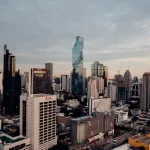
Bangkok‘s most searched neighborhood has a reputation problem. People arrive expecting one thing — either a gritty red-light strip or a polished expat bubble — and find something far messier and more interesting than either. In 2026, Sukhumvit is still the road that refuses to be summed up. It runs roughly 30 kilometres east from the city center, lined by numbered sois (side streets) on both sides, and the personality shifts dramatically depending on which soi you’re standing on.
The unofficial dividing line sits around Asok (Soi 21) and Sukhumvit 24. Below that line — toward Nana and Phrom Phong — you get international restaurants packed beside cheap beer bars, Korean supermarkets shoulder-to-shoulder with Indian tailors, and the electric, slightly chaotic energy that Bangkok is famous for. Above that line — Thong Lo, Ekkamai, Phra Khanong, On Nut — things calm down into leafy residential sois, specialty coffee roasters, Japanese izakayas, and the day-to-day rhythm of people who actually live here. Most visitors make the mistake of staying only in lower Sukhumvit. Doing that is like seeing half a film and walking out.
Getting Around Sukhumvit Without Losing Your Mind
The BTS Skytrain Sukhumvit Line is the spine of this entire area. It runs from Mo Chit in the north down through the heart of Sukhumvit — Nana, Asok, Phrom Phong, Thong Lo, Ekkamai, Phra Khanong, On Nut — and continues further east toward Bearing and Samrong. Trains run every 3–5 minutes during peak hours and every 6–8 minutes off-peak. A single journey anywhere on the line costs between THB 17 and THB 59 depending on distance. If you’re spending more than two days in Bangkok, a Rabbit Card (the BTS stored-value card) saves you small amounts per trip and eliminates the queue at ticket machines.

The soi system is what confuses first-timers. Odd-numbered sois run off the north side of Sukhumvit Road, even-numbered sois off the south side. They don’t always run parallel — Soi 3 and Soi 5 might be a two-minute walk apart while Soi 71 and Soi 77 are separated by nearly a kilometre. When someone gives you a Sukhumvit address, confirm the nearest BTS station and the soi number before you go. The distance between stations is walkable in good weather — Nana to Asok is about 900 metres — but Bangkok’s April heat or a sudden September downpour changes that calculation fast.
Grab (the dominant ride-hailing app in Thailand in 2026) is useful for navigating the deeper sois where tuk-tuks won’t bother going. Motorcycle taxis — identified by their orange vests — wait at the entrance to most major sois and are cheap (THB 15–30 for short runs) and fast. They are, however, not ideal if you have luggage or a strong preference for arriving with your heart rate below 140.
Lower Sukhumvit: Nana to Asok
Step off at Nana BTS and you’re immediately in the loudest, most compressed stretch of Sukhumvit. Soi 3 (also called Soi Nana Neua, or Arab Street) is lined with Middle Eastern restaurants, shisha cafés, and halal butcher shops. The smell of fresh-baked flatbread and grilling meat drifts out of open storefronts by late afternoon. Walk south to Soi 11 and the crowd shifts — this is Bangkok’s most concentrated strip of rooftop bars, boutique hotels, and international nightlife venues. During a weekday evening, it hums. On a Friday night, it roars.
The Terminal 21 shopping mall at Asok is one of those places that earns its reputation. Each floor is themed around a world city — Tokyo, Istanbul, San Francisco — executed with the kind of enthusiasm that is simultaneously ridiculous and genuinely fun. The basement food court (Pier 21) is serious business: well-maintained, air-conditioned, and serving some of the most affordable food you’ll find this close to the BTS. A bowl of boat noodles or a plate of pad see ew here runs THB 50–80. In a neighborhood where restaurant prices creep up year on year, that still matters.

Soi Cowboy — the short neon-lit lane between Soi 21 and Soi 23 — is one of Bangkok’s three remaining go-go bar strips. It’s smaller than many visitors expect, brighter than they imagine, and open to anyone who wants to walk through and look. It starts filling up around 8:00 PM. Whether it’s on your itinerary or not, understanding that it exists alongside Japanese breakfast cafés and French bakeries on the same street is part of understanding lower Sukhumvit’s particular honesty about itself.
Upper Sukhumvit: Thong Lo to On Nut
Get off at Thong Lo (Soi 55) and the temperature of the whole place drops a degree or two, metaphorically speaking. The soi runs about 5 kilometres south and is lined with some of Bangkok’s best Japanese restaurants, independent clothing boutiques, specialty coffee shops, and the kind of small art galleries that come and go with the seasons. The Japanese expat community here is significant, and the food that community has supported is excellent — small ramen shops where the broth has been simmering since before you woke up, izakayas where the yakitori smoke curls lazily into the warm evening air.
Ekkamai (Soi 63) is Thong Lo’s slightly quieter sibling. It has a strong cluster of independent cafés and wine bars around the Gateway Ekkamai mall area and the sois branching off the main road. On weekends, the Ekkamai Market area (near the Eastern Bus Terminal) hosts small artisan markets and secondhand clothing stalls. These aren’t tourist markets — they’re where Bangkok’s younger creative class shops and eats.

Phra Khanong and On Nut, at the far end of the practical Sukhumvit range for most visitors, are where you see what middle-class Bangkok actually looks like. Rents are lower, the crowds are local, and the food on the street is often better value than anywhere west of Thong Lo. The J Avenue community mall area in On Nut has a small weekend market that gets busy by late Saturday morning and is worth the extra two BTS stops if you’re curious about how Bangkokians actually spend a weekend.
Where to Eat on Sukhumvit
Lower Sukhumvit’s food situation is more interesting than the tourist-trap reputation suggests, provided you know where not to eat. Avoid any restaurant with photographs of every menu item, a host standing on the street waving a laminated menu, and prices listed in US dollars alongside baht. Those places exist to feed people who aren’t paying attention.
Instead: Soi 38 Night Market, near Thong Lo BTS, has been serving late-night food to Bangkok’s party crowd and night shift workers for decades. The pad thai here — smoky, slightly sweet, finished with a squeeze of lime at the cart — is the version that explains why the dish has the following it does. Open from around 5:00 PM until 2:00 AM.
For a sit-down meal with serious ambition, the restaurant cluster on and around Thong Lo Soi 13 delivers. There are outstanding Thai restaurants here that cater primarily to Thai diners — always a reliable signal — serving regional dishes from the north and south alongside Bangkok staples. Pricing at these places sits firmly in the mid-range: THB 150–350 per dish.

The Emporium and EmQuartier malls on Sukhumvit Soi 22–24 contain floors of dining options ranging from fast-casual Thai chains to serious fine dining. The food hall at EmQuartier’s Helix section has a curated selection of independent vendors rather than chains, which makes it more interesting than most mall food floors in Bangkok. It gets crowded between noon and 2:00 PM on weekdays — arrive before 11:30 if you’re not in the mood to queue.
Street food on upper Sukhumvit tends to cluster near the mouths of the larger sois — the stretch of vendors near Phra Khanong BTS is particularly good, with boat noodle carts, grilled pork skewer stalls, and fresh fruit vendors creating a dense, fragrant strip that’s best navigated on an empty stomach around 7:00 PM.
2026 Budget Reality: What Things Actually Cost on Sukhumvit
Sukhumvit is Bangkok’s most expensive neighborhood to visit, but the range is enormous. Here’s what to expect:
Food and Drink
- Budget (street stalls, food courts): THB 50–120 per meal. Pier 21 at Terminal 21, Soi 38 Night Market, street vendors near Phra Khanong.
- Mid-range (independent restaurants, sit-down Thai): THB 200–600 per person including a drink.
- Comfortable (chef-driven restaurants, rooftop dining, Japanese omakase): THB 900–3,500+ per person. Some Thong Lo omakase counters run THB 2,500–4,500 per head and book out 2–3 weeks in advance.
Accommodation
- Budget (guesthouses, hostels, basic hotels near Nana/Asok): THB 600–1,200 per night.
- Mid-range (3–4 star hotels, serviced apartments near Phrom Phong/Thong Lo): THB 2,000–4,500 per night.
- Comfortable (design hotels, 5-star properties, luxury serviced apartments): THB 5,500–18,000+ per night. Properties near EmQuartier have seen rate increases of approximately 12–15% since 2024 due to demand from the EEC business corridor.
Getting Around
- BTS single journey: THB 17–59.
- Grab car (Asok to Thong Lo): THB 80–130 depending on surge pricing.
- Motorcycle taxi (one soi): THB 15–30.

Entertainment and Extras
- Beer at a street bar: THB 80–120.
- Cocktail at a rooftop bar on Soi 11: THB 380–650.
- Thai massage (1 hour, shophouse spa): THB 250–400.
- Foot massage (1 hour): THB 200–350.
Sukhumvit After Dark
The nightlife on Sukhumvit in 2026 is more stratified than it was five years ago. Three distinct scenes exist side by side and rarely overlap.
The first is Soi 11 and its surroundings — rooftop bars, international DJ venues, and hotel bars catering to a mix of tourists, expats, and well-traveled Thais. Hyde & Seek at Athenee Residence is one of the neighborhood’s most consistent jazz and cocktail bars, the kind of place where the drinks list is taken seriously and the music doesn’t require earplugs. Rooftop venues here charge THB 300–500 minimum consumption on weekends.
The second scene is Thong Lo — quieter, more local in feel, revolving around wine bars, craft beer spots, and the outdoor bar clusters near the top of the soi. Several small live music venues here focus on Thai indie and acoustic acts. Tables fill by 9:00 PM on weekends without reservations.
The third scene barely announces itself: late-night izakayas and Korean barbecue restaurants across upper Sukhumvit that close at 1:00 or 2:00 AM, where the after-work crowd from Bangkok’s business districts finishes long dinners over beer and soju. These are not nightclubs — they’re long, slow meals with no cover charge and no velvet rope.
Since 2024, Bangkok’s entertainment regulations have continued to evolve. The 2:00 AM closing time for most venues remains enforced, though certain areas with special entertainment zone licenses (including parts of the Sukhumvit corridor) have maintained 4:00 AM permissions. Check current licensing status before planning a late night — the situation changes with each election cycle and the 2026 regulatory review has added some nuance to which venues hold extended licenses.
Day Escapes From Sukhumvit

One of Sukhumvit’s practical advantages is how well it connects to the rest of Bangkok. You can reach most major attractions within 30–45 minutes without a taxi.
Chatuchak Weekend Market
Take the BTS to Mo Chit (end of the Sukhumvit Line). Chatuchak is Asia’s largest weekend market — roughly 15,000 stalls covering everything from vintage clothing to live plants to handmade ceramics. Go before 11:00 AM. By noon, the combination of crowd density and heat makes the experience significantly less enjoyable. The market runs Saturday and Sunday only.
Lumphini Park
Take the BTS to Sala Daeng (one interchange at Asok onto the Silom Line) or walk 1.5 kilometres from Asok. Bangkok’s central park is 570 rai of lakes, jogging paths, and green space in the middle of the city. Early mornings bring out groups doing tai chi beside the lake, monitor lizards sunning themselves on the banks, and runners who have been circling the perimeter since before sunrise. It costs nothing to enter and is one of the few places in Bangkok where you can genuinely exhale.
Asiatique The Riverfront
Take the BTS to Saphan Taksin, then the free Asiatique shuttle boat. This riverside night market and entertainment complex is better for an evening than an afternoon — the Ferris wheel lights up the river bend from about 6:00 PM, the riverside restaurants catch any breeze coming off the Chao Phraya, and the shopping is significantly more curated than Chatuchak. Open daily from 4:00 PM.
Khlong Toei Market
A 10-minute Grab ride from Asok or Phrom Phong. This is Bangkok’s largest fresh market and one of the most visceral sensory experiences in the city — towers of tropical fruit, buckets of live shellfish, whole pigs on hooks, and vendors who have been here since 4:00 AM shouting prices at restaurant buyers. Not a tourist attraction; an actual market. Go between 6:00 and 9:00 AM. Wear shoes you don’t mind getting wet.

Frequently Asked Questions
Is Sukhumvit safe to walk around at night?
Yes, for the most part. The well-lit main road and BTS areas are busy until late and generally safe. Stick to populated sois at night, stay aware in quieter residential lanes after midnight, and use Grab rather than unlicensed taxis. Standard city-awareness applies — Sukhumvit is not unusually dangerous by international standards.
Which BTS station is the best base for first-time visitors?
Asok or Phrom Phong give you the best balance of location and convenience. Asok connects to both the BTS and MRT (Sukhumvit station), making the whole city accessible. Phrom Phong puts you near the Emporium malls and is slightly quieter than Asok. First-timers who want nightlife nearby should consider Nana.
How many days do you need to explore Sukhumvit properly?
Two full days covers the highlights without rushing. Day one: lower Sukhumvit (Nana to Asok), Terminal 21, Soi 11 in the evening. Day two: upper Sukhumvit (Thong Lo to Ekkamai), a relaxed afternoon in the sois, dinner on Thong Lo. A third day allows for day escapes to Chatuchak or Asiatique.
Is Sukhumvit expensive compared to other Bangkok neighborhoods?
Relative to Bangkok overall, yes — especially for accommodation and sit-down restaurants. But street food and BTS travel cost the same anywhere in the city. A visitor who eats at street stalls and markets rather than international restaurants can keep daily food costs under THB 400 easily, even in lower Sukhumvit.
What has changed on Sukhumvit since 2024?
BTS service frequency improvements have reduced wait times. Several legacy expat bars on Soi 11 have been replaced by boutique cocktail venues. The upper Sukhumvit café scene around Ekkamai and On Nut has expanded significantly. Accommodation rates near EmQuartier have risen around 12–15% due to increased corporate demand tied to the Eastern Economic Corridor.
Explore more
Your Ultimate Bangkok Itinerary: What to Do in 3, 5, or 7 Days
Bangkok Itinerary: The Perfect 3-Day Guide for First-Time Visitors
The Ultimate Bangkok Bucket List: Top Things to Do & See
📷 Featured image by Evan Krause on Unsplash.