💰 Click here to see Thailand Budget Breakdown
💰 Prices updated: October, 2026. Budget figures are estimates — always verify before travel.
Exchange Rate: $1 USD = ฿33.60
Daily Budget (per person)
Shoestring: ฿900.00 – ฿1,800.00 ($26.79 – $53.57)
Mid-range: ฿2,150.00 – ฿4,000.00 ($63.99 – $119.05)
Comfortable: ฿6,000.00 – ฿12,000.00 ($178.57 – $357.14)
Accommodation (per night)
Hostel/guesthouse: ฿90.00 – ฿750.00 ($2.68 – $22.32)
Mid-range hotel: ฿1,400.00 – ฿3,500.00 ($41.67 – $104.17)
Food (per meal)
Budget meal: ฿70.00 ($2.08)
Mid-range meal: ฿250.00 ($7.44)
Upscale meal: ฿1,000.00 ($29.76)
Transport
Single metro/bus trip: ฿30.00 ($0.89)
Monthly transport pass: ฿1,155.00 ($34.38)
Bangkok‘s explosive growth continues into 2026, with new BTS Green Line extensions reaching Bang Sue and the Orange Line finally opening from Thailand Cultural Centre to Min Buri. This connectivity boom means your Bangkok itinerary can now include previously hard-to-reach neighborhoods without the traffic headaches that plagued visitors just two years ago.
Day 1-3: Essential Bangkok Foundation
Your first three days establish Bangkok’s rhythm. Start with Wat Pho before 8 AM when the morning light filters through the temple’s golden spires and the tour groups haven’t arrived. The reclining Buddha’s serene expression feels most powerful in these quiet moments, with only the soft chanting of monks echoing through the halls.
The Grand Palace requires a full morning. New 2026 regulations limit daily visitors to 8,000, so book tickets online 48 hours ahead. Dress conservatively – long pants, covered shoulders, closed shoes. The palace complex closes unexpectedly for royal ceremonies, particularly during Buddhist holidays.
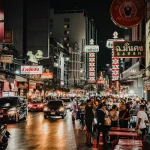
Dedicate your first afternoon to Yaowarat (Chinatown). Walk Yaowarat Road from Wat Traimit to the Chao Phraya River. Stop at Nai Ek Roll Noodles for their legendary boat noodles – the broth simmers for 12 hours, creating layers of pork and beef flavors that coat your mouth with each spoonful.
Day two targets Wat Arun across the Chao Phraya River. Take the 6 THB ferry from Tha Tien pier – the most authentic way to cross. Climb the central prang early morning when the Khmer-style tower catches golden light and offers panoramic city views without afternoon haze.
Spend day two afternoon in Lumpini Park, Bangkok’s green lung. Rent a paddle boat (80 THB/hour) or join the free evening aerobics classes at 6 PM. The park’s improved air quality in 2026, thanks to new electric bus routes around the perimeter, makes this a genuine respite from Bangkok’s intensity.

Day three belongs to markets. Chatuchak Weekend Market operates Saturday-Sunday with over 15,000 stalls. Navigate by sections: Section 1 for vintage clothing, Section 26-27 for ceramics and handicrafts, Section 2-6 for food. Beat the crowds by arriving at 9 AM when vendors finish setup and prices remain flexible.
Days 4-5: Cultural Deep Dive and Local Neighborhoods
Extended stays allow deeper neighborhood exploration. Thonburi, across the Chao Phraya River, maintains traditional Bangkok character often overshadowed by modern Sukhumvit and Silom districts.
Start day four at Amphawa Floating Market, 90 minutes southwest of central Bangkok. Unlike touristy Damnoen Saduak, Amphawa operates Friday-Sunday evenings when locals shop for weekend meals. Watch vendors paddle wooden boats loaded with som tam (papaya salad) and grilled seafood. The market’s coconut ice cream, served in actual coconut shells with sticky rice and corn kernels, provides sweet relief from Thailand’s persistent heat.
Return via the new Purple Line extension to Bang Yai, connecting to the Blue Line at Tao Poon. This 2026 infrastructure addition cuts travel time from Amphawa to central Bangkok by 45 minutes compared to previous bus-only routes.
Day four afternoon explores Talad Rot Fai Ratchada Night Market. Open Thursday-Sunday from 5 PM, this market balances tourist appeal with local authenticity. Food court stalls serve regional specialties: Isaan larb from northeastern Thailand, southern-style gaeng som (sour curry), and northern khao soi with crispy noodles.
Day five ventures into Bang Pho and Khlong San districts via longtail boat tours. These residential areas showcase Bangkok’s canal life – wooden houses on stilts, elderly women selling fruit from floating gardens, children swimming in murky water despite their parents’ protests.
Book longtail tours through Lhong 1919, a restored Chinese mansion turned cultural center. Tours cost 800 THB per person for 3-hour canal exploration, including stops at local temples where foreign visitors are genuine curiosities rather than expected interruptions.

Days 6-7: Modern Bangkok and Hidden Experiences
Week-long visitors can pursue Bangkok’s contemporary culture and lesser-known experiences. The city’s art scene exploded post-pandemic, with new galleries and creative spaces opening monthly throughout 2025-2026.
Start day six at Bangkok University Gallery and Tang Contemporary Art in the Silom area. Both feature rotating exhibitions of Southeast Asian contemporary artists. Tang Contemporary’s current 2026 program focuses on climate change artwork by Thai and Indonesian artists – powerful pieces addressing flooding, air pollution, and coastal erosion affecting the region.
Afternoon visits to rooftop bars require strategy. Sky Bar at Lebua State Tower remains iconic but overpriced and overcrowded. Instead, try Three Sixty Lounge at Millennium Hilton for Chao Phraya River views, or Octave Rooftop Lounge at Marriott Sukhumvit for 360-degree city panoramas. Both offer happy hour pricing (5-7 PM) cutting cocktail costs from 450 THB to 280 THB.
Day six evening explores Saphan Phut Night Market for local shopping without tourist markup. Open Tuesday-Sunday 6 PM-midnight, this wholesale market sells clothing, accessories, and home goods at prices 60-70% below similar items in tourist markets. Bring cash – most vendors don’t accept cards.
Day seven pursues unique Bangkok experiences. Train Market at Maeklong operates alongside an active railway line. Vendors literally pull merchandise from tracks when trains approach four times daily. The 11:10 AM train provides the most dramatic setup as vendors rapidly dismantle and rebuild stalls in 90 seconds.
Combine the train market with nearby Hua Hin beaches (30 minutes further south) for a countryside day trip. Return trains to Bangkok run hourly until 7:30 PM, allowing beach relaxation after market excitement.
Food-Focused Itinerary Adjustments
Bangkok’s food scene demands specific planning regardless of trip length. Each neighborhood offers distinct culinary experiences requiring intentional scheduling rather than random wandering.

Three-day food focus: Day one covers street food fundamentals in Chinatown and Banglamphu. Day two explores market food at Chatuchak and upscale dining in Sukhumvit. Day three combines cooking classes (morning) with night market eating (evening).
Five-day food itineraries add regional Thai cuisine exploration. Visit Krua Apsorn near Democracy Monument for royal Thai cuisine – recipes developed in palace kitchens and adapted for public restaurants. Their pineapple fried rice, served in carved pineapple shells with raisins, cashews, and curry powder, represents Thai culinary sophistication beyond simple street food.
Seven-day food journeys allow specialized restaurant hunting. Som Tam Der specializes in Isaan (northeastern) cuisine with multiple Bangkok locations. Try their som tam with salted crab – the fermented crab adds umami depth that balances lime juice acidity and chilies’ heat.
Book cooking classes through Bangkok’s established schools: Baipai Cooking School (1,800 THB half-day), Blue Elephant (2,400 THB), or Sompong Thai Cooking School (1,500 THB). All include market visits and recipe cards for home recreation.
Transportation Strategy for Each Timeline
Bangkok’s 2026 transport network requires different strategies based on stay duration. The BTS/MRT system now covers 80% of tourist destinations, dramatically reducing taxi dependency and associated traffic delays.
Three-day visitors should buy a 3-day BTS SkyTrain pass (440 THB) covering unlimited travel on Green and Gold lines plus airport connections. Add stored value Rabbit cards (100 THB deposit + credit) for Blue and Purple MRT lines serving specific destinations like Chatuchak Market and Grand Palace area.
Five-day stays benefit from weekly transport passes (790 THB) including all BTS, MRT, and Airport Rail Link travel. These passes now integrate with Chao Phraya Express boats through smartphone apps – scan QR codes for seamless connections between rail and water transport.
Seven-day visitors should consider transport variety. Beyond rail systems, explore songthaews (shared pickup trucks) in older neighborhoods, motorcycle taxis for short distances, and bicycle rentals in parks and residential areas. Bike sharing systems expanded citywide in 2026 with 500 stations and electric-assist bicycles handling Bangkok’s heat more comfortably.

Download Grab for ride-hailing backup. Standard Grab cars cost 8-12 THB per kilometer with surge pricing during rush hours (7-9 AM, 5-8 PM). Grab’s 2026 electric vehicle options (GrabCar Electric) cost 15% more but offer air-conditioned comfort and environmental benefits.
Budget Breakdown by Days
Bangkok costs vary dramatically by choices rather than duration. Smart spending strategies stretch budgets across all timeline options while maintaining comfort and authentic experiences.
3-Day Budget Ranges (per person)
Budget Traveler (8,500-11,000 THB total):
Accommodation: Hostels 300-500 THB/night
Food: Street food 150-200 THB/day
Transport: 150 THB/day
Activities: Free temples, markets 200-300 THB/day
Mid-Range (15,000-20,000 THB total):
Accommodation: 3-star hotels 1,200-1,800 THB/night
Food: Mix of street and restaurants 400-600 THB/day
Transport: 300 THB/day including boats, BTS
Activities: Paid attractions, tours 800-1,200 THB/day
Comfortable (25,000-35,000 THB total):
Accommodation: 4-5 star hotels 3,000-5,000 THB/night
Food: Restaurants, room service 800-1,200 THB/day
Transport: Private cars, Grab Premium 500-800 THB/day
Activities: Premium tours, spas 1,500-2,500 THB/day
5-Day and 7-Day Adjustments
Longer stays reduce daily accommodation costs through weekly rates. Many hotels offer 15-20% discounts for 5+ night bookings. Food costs decrease as you discover local spots beyond tourist areas – neighborhood restaurants average 40% less than equivalent Sukhumvit or Silom establishments.
Extended stays allow day trip exploration requiring additional transport budgets. Amphawa Floating Market trips cost 400-600 THB roundtrip per person including van transport and boat tours. Ayutthaya day trips via train cost 200-300 THB including transport, entrance fees, and local guides.
Activity costs spread across longer periods become more manageable. Cooking classes, spa treatments, and cultural performances average 1,500-2,500 THB each but feel less financially impactful across week-long budgets versus compressed 3-day spending.

Frequently Asked Questions
What’s the best time of year to visit Bangkok for each itinerary length?
November through February offers the most comfortable weather for any duration. March-May heat makes shorter 3-day trips more manageable, while monsoon season (June-October) suits 5-7 day visits allowing flexibility for rainy day indoor activities.
How much should I budget for shopping across different trip lengths?
Budget 1,000-2,000 THB for 3-day souvenir shopping, 3,000-5,000 THB for 5-day market exploration, and 5,000-10,000 THB for 7-day trips including custom tailoring and specialty purchases from Chatuchak Weekend Market and MBK Center.
Are 3 days enough to experience authentic Bangkok culture?
Three days provide solid temple touring, street food sampling, and basic neighborhood exploration. However, authentic cultural experiences like local festivals, traditional performances, and community interactions require 5-7 days for meaningful engagement beyond surface-level tourism.
Which neighborhoods should I prioritize based on trip length?
3 days: Rattanakosin (Old City), Chinatown, Sukhumvit. 5 days: Add Thonburi, Silom, Chatuchak areas. 7 days: Include Bang Pho, Khlong San, Phraram 4, and day trips to Amphawa or Ayutthaya for complete Bangkok understanding.
How has Bangkok tourism changed in 2026 compared to pre-pandemic years?
Visitor numbers remain 20% below 2019 levels, creating less crowded attractions and better restaurant availability. New BTS/MRT extensions improved accessibility while digital payment adoption simplified transactions for international visitors throughout the city.
Explore more
Bangkok Itinerary: The Perfect 3-Day Guide for First-Time Visitors
What to Do in Bangkok? Your Perfect 3-Day Itinerary
The Ultimate Bangkok Bucket List: Top Things to Do & See
📷 Featured image by pcrm Dorego on Unsplash.