On this page
- Phuket’s Personality: What Kind of Island Is This, Really?
- Best Neighborhoods: Where You Stay Changes Your Whole Trip
- Top Attractions and Experiences Worth Your Time
- Food and Drink: Where to Actually Eat in Phuket
- Getting Around Phuket: The Honest Version
- Day Trips from Phuket Worth the Early Alarm
- Nightlife and Evening Entertainment
- Shopping in Phuket: Markets, Boutiques, and the Good Stuff
- Where to Stay: Accommodation Areas by Budget
- Best Time to Visit Phuket
- Practical Tips for First-Time Visitors in 2026
- Budget Breakdown: What a Day in Phuket Actually Costs in 2026
- Frequently Asked Questions
💰 Click here to see Thailand Budget Breakdown
💰 Prices updated: October, 2026. Budget figures are estimates — always verify before travel.
Exchange Rate: $1 USD = ฿33.60
Daily Budget (per person)
Shoestring: ฿900.00 – ฿1,800.00 ($26.79 – $53.57)
Mid-range: ฿2,150.00 – ฿4,000.00 ($63.99 – $119.05)
Comfortable: ฿6,000.00 – ฿12,000.00 ($178.57 – $357.14)
Accommodation (per night)
Hostel/guesthouse: ฿90.00 – ฿750.00 ($2.68 – $22.32)
Mid-range hotel: ฿1,400.00 – ฿3,500.00 ($41.67 – $104.17)
Food (per meal)
Budget meal: ฿70.00 ($2.08)
Mid-range meal: ฿250.00 ($7.44)
Upscale meal: ฿1,000.00 ($29.76)
Transport
Single metro/bus trip: ฿30.00 ($0.89)
Monthly transport pass: ฿1,155.00 ($34.38)
Phuket in 2026 is both easier and harder to navigate than ever. Easier, because the infrastructure is genuinely good — Grab works island-wide, the airport is efficient, and English is spoken almost everywhere. Harder, because the sheer volume of options — hundreds of beaches, neighborhoods with wildly different personalities, and a tourism industry that ranges from world-class to outright predatory — can make first-timers freeze up. This guide cuts through all of that. No vague advice, no outdated tips from 2019. Just a clear, honest picture of what Phuket actually looks like right now and how to make the most of your first visit.
Phuket’s Personality: What Kind of Island Is This, Really?
Phuket is Thailand’s largest island, and that size changes everything. At roughly 50 kilometres long and 21 kilometres wide, it doesn’t feel like a small tropical escape — it feels like a province. There are highways, shopping malls, hospitals, international schools, and suburbs. The island has a permanent expat population in the tens of thousands, a functioning Old Town with Sino-Portuguese architecture, and beaches that range from raucous party strips to quiet coves where you might be the only person there.
What sets Phuket apart from Koh Samui, Koh Lanta, or the Koh Tao crowd is scale and variety. You can stay in a five-star resort in Surin and spend your days at a beach club, then drive 20 minutes to Phuket Old Town for a bowl of noodles at a century-old shophouse. That range is the island’s greatest strength. First-timers often try to see all of it at once. The smarter move is to pick one base, understand the geography, and let the rest unfold from there.
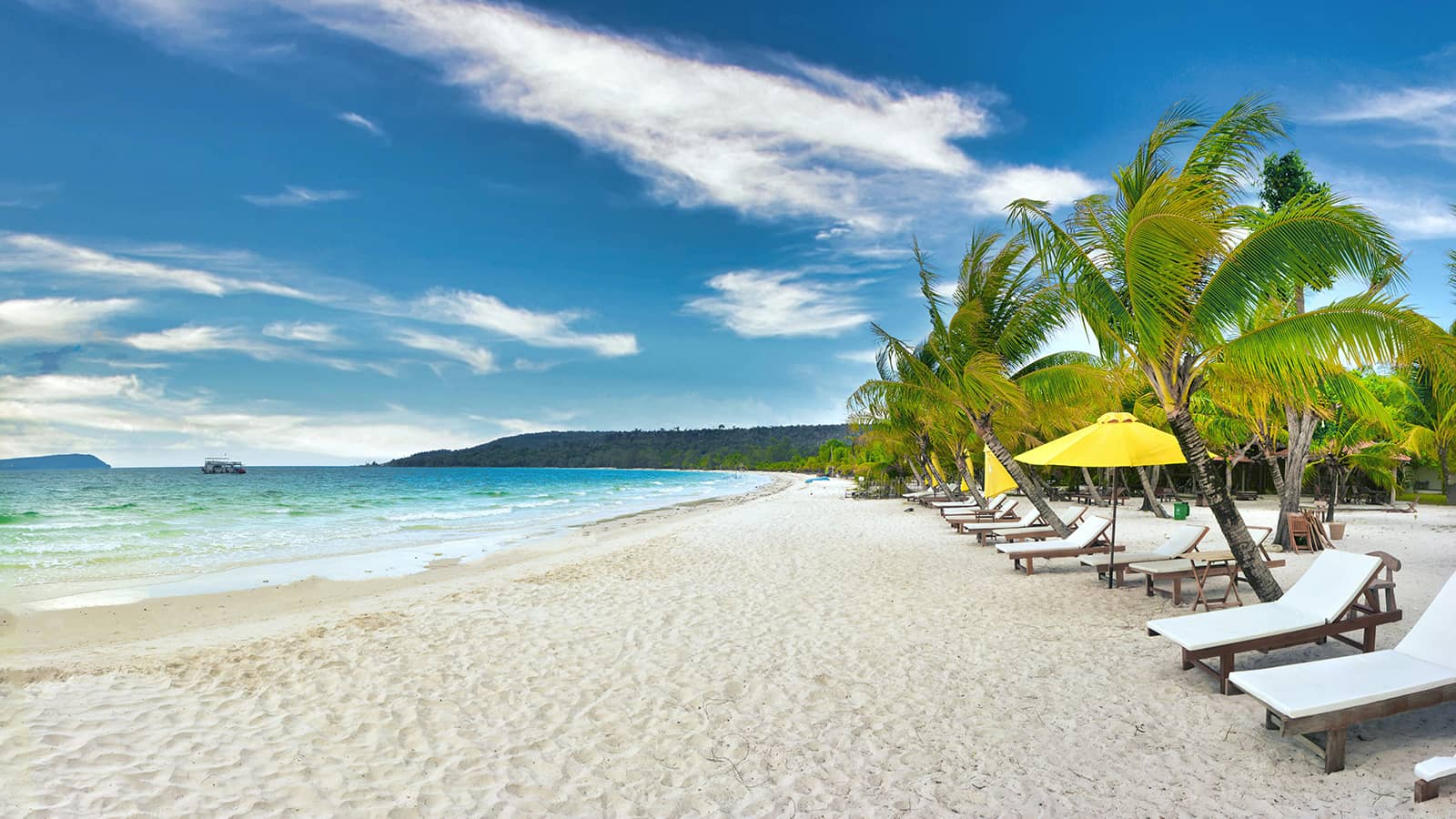
The Andaman Sea side of Phuket — where all the famous beaches sit — faces west, which means spectacular sunsets every single evening. That golden hour, with the sun dropping into flat Andaman water and the sky turning shades of burnt orange and deep pink, is one of those things that doesn’t look real until you’re standing in it.

Best Neighborhoods: Where You Stay Changes Your Whole Trip
Patong
Patong is Phuket’s most famous area and its most misunderstood. Yes, Bangla Road is loud, neon-lit, and unapologetically commercial. But the beach itself is genuinely beautiful — long, wide, and lined with sun loungers. Patong suits first-timers who want maximum convenience: every restaurant type, every price point, Grab pickups in under five minutes, and easy access to tour operators. It’s also the loudest place to sleep if you’re anywhere near the main drag. Book accommodation at least a few streets back from Bangla Road if noise matters to you.
Kata and Karon
These two adjacent beaches sit just south of Patong and have a noticeably different atmosphere. Kata is a favorite with families and couples who want a proper beach without the chaos. Karon is slightly quieter still, with a long beach that rarely feels crowded. Both have a good mix of restaurants, tour agencies, and accommodation without the overwhelming density of Patong. If this is your first time and you want a balanced experience, Kata-Karon is the sweet spot.
Phuket Old Town
The Old Town — centered around Thalang Road and the surrounding streets — is a completely different world. Pastel Sino-Portuguese shophouses, independent coffee shops, art galleries, and the best local food on the island. It’s about 12 kilometres from any beach, so it suits travelers who want culture and day-trip the beaches rather than walk to them. In 2026, the Old Town has seen a wave of boutique hotel openings and is increasingly popular with long-stay visitors.
Rawai and Nai Harn
The southern tip of the island attracts a quieter crowd: long-stay expats, divers, and travelers who’ve been to Phuket before and want to avoid the tourist bubble. Nai Harn beach is genuinely beautiful and much less commercial than the central west coast beaches. Rawai has a working fishing pier, cheap seafood restaurants, and a local market. Songthaews into town are infrequent, so you’ll want a scooter or be comfortable using Grab for most movement.

Bang Tao and Laguna
The northwest coast has transformed in recent years. Bang Tao beach is long and relatively uncrowded outside the Laguna resort complex. The nearby Boat Avenue and Porto de Phuket areas have good restaurants and supermarkets. This area suits travelers who want upscale comfort and calm. The beach itself has a wilder, more windswept feel than Kata or Patong.
Top Attractions and Experiences Worth Your Time
Phuket’s most famous landmark — the Big Buddha — sits on Nakkerd Hill in the island’s south-central region. The 45-metre white marble statue is visible from much of the island, and the hilltop views across the Andaman Sea and southern Phuket are exceptional at any time of day, though sunrise visits are particularly rewarding. Entrance is free, but dress codes are enforced: shoulders and knees must be covered.
Wat Chalong is the island’s most important Buddhist temple — a working temple complex with layered spires and an interior that smells of incense and teak. Come early in the morning when monks are present and the atmosphere is genuinely devotional rather than purely touristic.
The Phuket Old Town walking streets on Sundays are a highlight that many first-timers miss. The area around Thalang Road fills with food stalls, local handicrafts, and live music every Sunday evening. It’s one of the most authentic, enjoyable evenings you can have on the island without spending much money.

Promthep Cape at the island’s southern tip is the classic sunset viewpoint. It gets crowded, and understandably so — the panorama across jagged coastline and open ocean with the sun disappearing is legitimately beautiful. Arrive 30–40 minutes before sunset to get a decent spot.
For water activities, snorkelling and diving off the nearby islands (Koh Racha Yai is a 45-minute speedboat ride south) offers clear water and good coral. Surf season at Kata Beach runs roughly May to October, when the southwest monsoon produces consistent, rideable waves — board rentals are about 200–300 THB per hour.
Food and Drink: Where to Actually Eat in Phuket
The best eating on the island isn’t in the hotel restaurants or the tourist-facing strips. It’s at the markets, the food courts, and the shophouse eateries that cater to locals.
The Phuket Weekend Night Market (Naka Market) near Central Festival Phuket runs Friday to Sunday evenings and is one of the island’s best food destinations. The air fills with the smoky char of grilled pork skewers and the sweet, sharp smell of papaya salad being pounded in clay mortars just metres away — grab a plastic stool, order a bag of iced tea, and work your way through the stalls. Prices are low: most dishes are 50–80 THB.
Malin Plaza in Patong is the go-to night market for visitors staying on the central west coast — open nightly, with a solid range of Thai dishes, grilled seafood, and fruit smoothies. The Banzaan Fresh Market on the northern edge of Patong has a food court upstairs that serves excellent, fresh seafood at market prices.
In the Old Town, the street stalls along Thalang Road and the food court inside the Phuket Indy Market serve some of the island’s most authentic southern Thai food. Look for stalls selling mee hokkien (Hokkien noodles), oh tao (oyster cake), and khanom jeen (rice noodles with curry). Lunch at any of these spots should cost 60–120 THB.
For seafood by the water, the restaurants along Rawai Seafood Market let you choose your fish, crab, or prawns from the vendors and take them to a nearby restaurant to be cooked. It’s an efficient, affordable system and the freshness is unmatched anywhere on the island.
Getting Around Phuket: The Honest Version
Phuket does not have a functioning public transport network in the traditional sense. There is no BTS or MRT here — that infrastructure belongs to Bangkok. What exists is a patchwork of songthaews (shared pickup trucks), tuk-tuks, and Grab.
Grab is by far the most practical option for most visitors in 2026. It works island-wide, prices are fixed before you confirm, and drivers are generally punctual. A Grab from Patong to the Old Town costs roughly 200–280 THB. Phuket International Airport to Patong runs about 400–550 THB by Grab, which is significantly cheaper than the official airport taxis that charge 700–900 THB for the same route.
Songthaews run fixed routes between Phuket Town bus terminal and the main beach areas. The fare is 30–50 THB per person and they leave when full. They’re useful for getting from the Old Town to places like Rawai or Kata, but you need to know the routes and they stop running by early evening.
Scooter rental costs around 250–400 THB per day and gives you total freedom. The roads in Phuket are generally well-maintained, but the traffic around Patong and central Phuket Town is heavy and fast-moving. If you’ve never ridden a scooter in Southeast Asia, Phuket’s roads are not the best place to learn. The mountain road between Patong and Kata (known locally as the “Kata Hill”) has a steep, winding descent that catches out novice riders.

Tuk-tuks in tourist areas are negotiation-based and will almost always quote inflated prices. They’re fine for short hops if you agree the fare before you get in, but for anything over a few kilometres, Grab is cheaper and less stressful.
Getting from the airport: the official AOT airport limousine desk is inside arrivals — metered pricing, air-conditioned, reliable. Grab also picks up from the designated ride-share area outside arrivals, and the price difference versus an official taxi is worth the five-minute walk.
Day Trips from Phuket Worth the Early Alarm
Phang Nga Bay and James Bond Island
The limestone karst formations rising from Phang Nga Bay are genuinely extraordinary — towering green-grey pillars emerging from flat, still water. James Bond Island (Khao Phing Kan) gets crowded midday, but the surrounding bay — paddled by kayak through sea caves and lagoons — is spectacular regardless. Full-day tours depart daily from Phuket and cost 1,200–1,800 THB per person including transport and guide.
Koh Phi Phi
The Phi Phi Islands are about 90 minutes by speedboat from Rassada Pier on Phuket’s east coast. Ko Phi Phi Don has beach bars, accommodation, and a famous viewpoint hike. Phi Phi Leh (the smaller, uninhabited island) has Maya Bay — which was closed for coral restoration for years but is now open with controlled daily visitor limits. Arrive early. Tours run 1,400–2,200 THB.
Similan Islands
The Similans are widely considered among the best dive sites in Southeast Asia. They’re only accessible during the dry season (roughly November to April) and require a national park permit. Day trips from Phuket by speedboat take about two hours each way but are worth it for the water clarity and marine life. Budget 2,500–3,500 THB for a day trip including the park fee.

Koh Yao Noi
If you want to see what southern Thai island life looked like before the resort developers arrived, take the ferry from Bang Rong Pier (northeast Phuket) to Koh Yao Noi. The crossing takes about 30 minutes and costs 100 THB. The island has rubber plantations, fishing villages, and quiet beaches. Rent a bicycle (100 THB/day) and you can cover most of the island in a day. It’s as different from Patong as possible while being less than an hour away.
Khao Lak
About 80 kilometres north of Phuket, Khao Lak is a quieter beach resort area that also serves as the jumping-off point for Similan and Surin Islands liveaboard trips. By car or Grab it’s roughly 90 minutes. The main beach is wide and uncrowded, and the town has a relaxed, unpretentious character that feels different from Phuket’s tourist infrastructure.
Nightlife and Evening Entertainment
Bangla Road in Patong is famous worldwide, and the reality matches the reputation. By 10 PM, it’s a wall of sound, neon light, and bodies — go-go bars, open-air clubs, street performers, and every type of tourist. It’s worth walking through once just to witness the spectacle, but it’s not the only option, and it’s not for everyone.
For a completely different atmosphere, the rooftop bars along the Patong beachfront and in Kata offer sunset cocktails with sea views. Baba Nest at Sri Panwa Resort in Cape Panwa is one of Phuket’s most photographed sunset spots — a circular rooftop pool bar on a headland with 360-degree water views. Reservations for sunset slots book out days in advance in high season.

Phuket Old Town has a low-key craft beer and cocktail bar scene centered on Thalang Road and the side streets around it. Spots here cater to a quieter crowd — longer-stay travelers, expats, and visitors who want conversation over volume. Most bars here close by midnight.
The monthly Full Moon Party scene is based on Koh Phangan (accessible by overnight ferry), but Phuket has its own beach club circuit. Catch Beach Club at Bang Tao and Dream Beach Club at Layan are the current top options in 2026 for daytime-into-evening beach club experiences with international DJs on weekends.
Shopping in Phuket: Markets, Boutiques, and the Good Stuff
Central Phuket Festival and Central Floresta (the adjacent lifestyle mall) form the island’s main shopping complex, with international brands, a cinema, and a large food court. It’s near Phuket Town and easily reached by songthaew or Grab. Standard mall experience, but the air conditioning is a welcome refuge on hot afternoons.
For markets, the Sunday Walking Street in the Old Town (Thalang Road, evenings) is the best combination of local food, handmade goods, and atmosphere. The Phuket Weekend Night Market near the Saphan Hin area is larger and more focused on clothes, accessories, and tourist goods at local prices.
Phuket Town’s Dibuk Road and surrounding streets have a growing cluster of independent boutiques selling locally designed clothing, ceramics, and Phuket-specific souvenirs — the kind of things that aren’t available in every airport across Thailand. This is where to shop if you want something that isn’t a miniature tuk-tuk fridge magnet.
Chatuchak-style local markets (chatuchak yok lor) run in several locations around the island on different days — ask at your accommodation for the current schedule, as these rotate.
Where to Stay: Accommodation Areas by Budget

Budget (under 1,000 THB/night)
Patong has the highest density of budget guesthouses and hostels, particularly on the streets behind the beach and around Nanai Road. Old Town Phuket also has several well-reviewed guesthouses in converted shophouses — quieter, more characterful, and further from the beach. Expect fan rooms at the low end and basic air-conditioned rooms at 700–900 THB.
Mid-Range (1,000–3,500 THB/night)
This tier opens up across the island significantly. Kata and Karon have numerous mid-range hotels within walking distance of the beach. Old Town boutique hotels — often in restored Sino-Portuguese buildings with four to twelve rooms — offer exceptional value and atmosphere in this range. Nai Harn also has good mid-range options within a short walk of the beach.
Comfortable/Luxury (3,500 THB and above)
Phuket’s luxury market is world-class. The Laguna resort area in Bang Tao has several five-star properties including Banyan Tree Phuket and Angsana Laguna. Surin Beach has boutique luxury options including The Surin Phuket. Cape Panwa on the southeastern headland suits travelers wanting privacy and views over smaller, less-visited beaches.
Best Time to Visit Phuket
Phuket sits on the Andaman Sea, which means it follows the southwest monsoon pattern — different from the Gulf of Thailand (Koh Samui, Koh Phangan) which has its own separate season.
November to April is dry season on the Andaman coast — clear skies, calm seas, and ideal beach conditions. This is peak tourist season, particularly December through February. Accommodation prices are at their highest during this window, and popular spots fill up fast. The Similan and Surin Islands are only accessible during this period.
May to October is the wet season, with the most intense rainfall in May-June and September-October. The sea gets rough, and red flags fly on beaches regularly. However, the island is greener, prices are lower (sometimes 30–50% cheaper for accommodation), and the crowds thin out. July and August see some rain but also European summer visitors, so it doesn’t go completely quiet. Surfing at Kata Beach is genuinely good in this period.

Festivals to note in 2026: The Phuket Vegetarian Festival (October, dates shift with the lunar calendar) is one of Thailand’s most intense and visually dramatic cultural events — nine days of street processions, firewalking, and face-piercing rituals centered on Chinese shrines in Phuket Town. The Old Town fills with vendors selling vegan food and the atmosphere is unlike anything else in Thailand. Plan around it if the dates align with your trip.
Practical Tips for First-Time Visitors in 2026
Scams to know about: The “temple is closed today” tuk-tuk scam is decades old but still operates in Phuket Town. A driver approaches, tells you your intended destination is closed for a Buddhist holiday, and offers to take you on a tour to gem shops or tailor shops instead. Ignore it. Check opening hours directly. The Big Buddha and Wat Chalong are rarely if ever closed to tourists.
Sun: Phuket sits at around 8°N latitude and the sun is intense year-round. SPF 50+ sunscreen is essential. The UV index frequently hits 11–12 (extreme) between 10 AM and 3 PM. Many visitors underestimate this and get seriously burned on day one.
Water: Tap water in Phuket is not safe to drink. Bottled water is widely available at 7-Eleven and Family Mart (around 7–10 THB for 1.5 litres). Most restaurants serve filtered or bottled water. Refillable water stations are available near many accommodation areas for 1–2 THB per litre.
SIM cards: In 2026, all three major Thai carriers (AIS, DTAC-True [merged in 2024], and NT) have pickup counters at Phuket International Airport arrivals. A 30-day tourist SIM with 30GB of data costs around 299–399 THB. AIS has the best Andaman coast coverage for most of Phuket.

Safety: Phuket is generally safe for tourists, but petty theft from bags on beaches does occur. Don’t leave valuables unattended on the sand. The Patong nightlife area requires normal urban caution after midnight. Motorbike accidents are the most common cause of tourist injury — this is not hyperbole. If you rent a scooter, wear a helmet every single time.
Temple dress code: Cover shoulders and knees at all temples. Lightweight scarves or a sarong are easy to carry and often available for hire or loan at the temple entrance.
Tipping: Not mandatory at local restaurants and markets. At sit-down restaurants aimed at tourists (especially those with service charges), check the bill first. Hotel staff, massage therapists, and tour guides appreciate 50–100 THB tips for good service.
Language: English is widely spoken in tourist areas. In local markets and on songthaews, having Google Translate on your phone and a few basic Thai words (kop khun kha/krap for thank you, sabai dee mai for “how are you”) goes a long way.
Budget Breakdown: What a Day in Phuket Actually Costs in 2026
Budget Traveler — approximately 1,200–1,800 THB/day
- Guesthouse or hostel dorm: 400–700 THB
- Meals: 3 meals at markets and street stalls: 200–350 THB
- Getting around by songthaew and occasional Grab: 150–200 THB
- One activity or beach day (entrance fees, sun lounger): 200–400 THB
- Water, snacks, incidentals: 100–150 THB
Mid-Range Traveler — approximately 3,000–5,500 THB/day
- Mid-range hotel with air-con and pool: 1,500–2,500 THB
- Mix of restaurant meals and market food: 600–900 THB
- Grab transport and occasional tour: 400–800 THB
- One guided activity (snorkelling tour, kayaking): 800–1,200 THB
- Cocktails or beer in the evening: 300–500 THB
Comfortable/Luxury Traveler — approximately 8,000–20,000+ THB/day
- Resort or boutique hotel with ocean view: 4,000–12,000 THB
- Restaurant dining, beach club: 1,500–3,000 THB
- Private speedboat charter or private tour: 3,500–8,000 THB
- Spa treatments, transfers, premium activities: 2,000–5,000 THB
Frequently Asked Questions
How many days do you need in Phuket for a first visit?
Five to seven days is ideal for a first visit. Three days gives you a taste but leaves you feeling rushed. With a week, you can cover a beach base, explore the Old Town, do one or two day trips to nearby islands, and still have unscheduled afternoons to do nothing but sit in the water. More than ten days in Phuket alone tends to lead to restlessness unless you have a specific reason to stay.
Is Phuket safe for solo female travelers?
Yes, Phuket is generally safe for solo female travelers. The main precautions are standard: don’t leave drinks unattended in bars, use Grab rather than hailing random tuk-tuks at night, and stick to well-lit areas in Patong after midnight. The Old Town and Kata-Karon areas feel noticeably safer and more relaxed than the Bangla Road strip.
What is the best beach in Phuket for first-timers?
Kata Beach is the most well-rounded choice for first-timers — wide, clean, good facilities, calm enough for swimming in dry season, and without the overwhelming noise of Patong. Nai Harn is the best-looking beach on the island but requires more effort to reach. Patong is the most convenient but also the most commercial and crowded.
Do you need a visa to visit Phuket in 2026?
Thailand’s visa-on-arrival and visa-exemption policies expanded in 2024 and remain in effect in 2026. Travelers from over 60 countries — including the UK, USA, Australia, most of Europe, and several Asian nations — currently receive a 60-day visa exemption on arrival. Always verify current rules with the Thai Ministry of Foreign Affairs before travel, as policies can change with short notice.
Is it worth staying in Patong or should first-timers avoid it?
Patong is worth considering for first-timers who want maximum convenience and don’t mind noise. It has the most transport connections, tour operators, restaurants, and nightlife options within walking distance. Book accommodation on the quieter streets away from Bangla Road and you can enjoy the area without the worst of the noise. If you want atmosphere over convenience, Kata or Old Town Phuket will suit you better.
Explore more
The 15 Best Restaurants in Phuket You Can’t Miss
25 Unmissable Things To Do in Phuket For Every Traveler
Where To Stay In Phuket: A Neighborhood Guide For Every Budget
The Ultimate Guide to Phuket Nightlife: Bars, Clubs & Beyond
Discover The Best Beaches in Phuket: From Party Vibes To Secluded Coves
Phuket In 3 Days: Your Perfect Short Break Itinerary
Planning A Week In Phuket? The Ultimate 7-Day Itinerary
How Much Does A Trip To Phuket Cost? Your Detailed Budget Breakdown
Phuket Nightlife Guide: The Best Bars, Clubs, and Shows
Bangla Road After Dark: Your Essential Guide to Patong’s Wildest Street