May 2026 presents a compelling paradox for Thailand visitors: while the rainy season officially begins, creating lush green landscapes and fewer crowds, the sacred Buddhist holiday of Visakha Bucha transforms the kingdom into a spiritual celebration. Smart travellers can experience Thailand at its most authentic while enjoying cooler temperatures and dramatically lower accommodation costs.
Visakha Bucha: Thailand’s Most Sacred Buddhist Holiday
Visakha Bucha Day commemorates three pivotal moments in Buddha’s life occurring on the same lunar calendar date: his birth, enlightenment, and death. In 2026, this falls on May 12th, making it one of the most significant religious observances in the Buddhist calendar. Unlike commercial holidays, Visakha Bucha reveals Thailand’s spiritual core through genuine devotion rather than tourist pageantry.
The day begins before dawn as thousands of orange-robed monks collect alms through temple grounds and city streets. The soft chanting of morning prayers echoes from temple speakers across Bangkok’s Old City as devotees prepare offerings of lotus flowers, incense, and candles. The air fills with the sweet, smoky scent of sandalwood and jasmine as families gather at neighbourhood temples carrying elaborate fruit arrangements and garlands.
Evening ceremonies centre around the ritual of “wian tian” – walking clockwise around the main temple building three times while holding lotus flowers, lit candles, and incense sticks. This creates mesmerising processions of flickering lights moving slowly through temple courtyards as hundreds of participants walk in meditative silence. The warm glow of candlelight against ancient Buddha statues and golden stupas creates an atmosphere of profound reverence.
Temple Etiquette and Participation
Visitors can respectfully participate in Visakha Bucha ceremonies by following basic temple protocols. Dress conservatively with covered shoulders and knees – white clothing is especially appropriate for this holy day. Remove shoes before entering any building containing Buddha images. Women must not touch monks or hand items directly to them.

Purchase simple offerings at temple entrances – typically lotus buds, incense, and small candles for 20-40 THB. Join the evening circumambulation by following the crowd’s pace and direction. Photography is generally acceptable in courtyard areas but avoid flash and maintain respectful distance during prayers.
May Weather Patterns and the Green Season Advantage
May marks Thailand’s transition from the hot season to the rainy season, bringing relief from April’s intense heat. Average temperatures drop to 28-32°C (82-90°F) with humidity levels around 75%. While afternoon thunderstorms become common by mid-month, they typically last 1-2 hours and often provide spectacular lightning displays over temple spires and rice fields.
The “Green Season” nickname reflects how quickly Thailand’s landscape transforms. Rice paddies fill with water and young green shoots, waterfalls reach full flow from early rains, and temple gardens burst with flowering plants. The changing light creates dramatic photography opportunities as storm clouds build over ancient ruins and golden Buddha statues.
Morning hours remain sunny and pleasant for outdoor activities, with rain usually arriving after 2 PM. This pattern actually enhances temple visits – morning alms rounds and afternoon ceremonies occur during the most comfortable weather windows. Evening temple lighting during Visakha Bucha takes on extra magic when reflected in rain-washed courtyards.
Regional Weather Variations
Northern Thailand experiences the gentlest May weather, with Chiang Mai and Chiang Rai seeing minimal rainfall until late month. The cool mornings and warm afternoons create ideal conditions for temple hopping and mountain monastery visits. Central Thailand including Bangkok sees moderate rainfall beginning mid-month, while southern regions experience heavier precipitation as monsoons approach from the southwest.

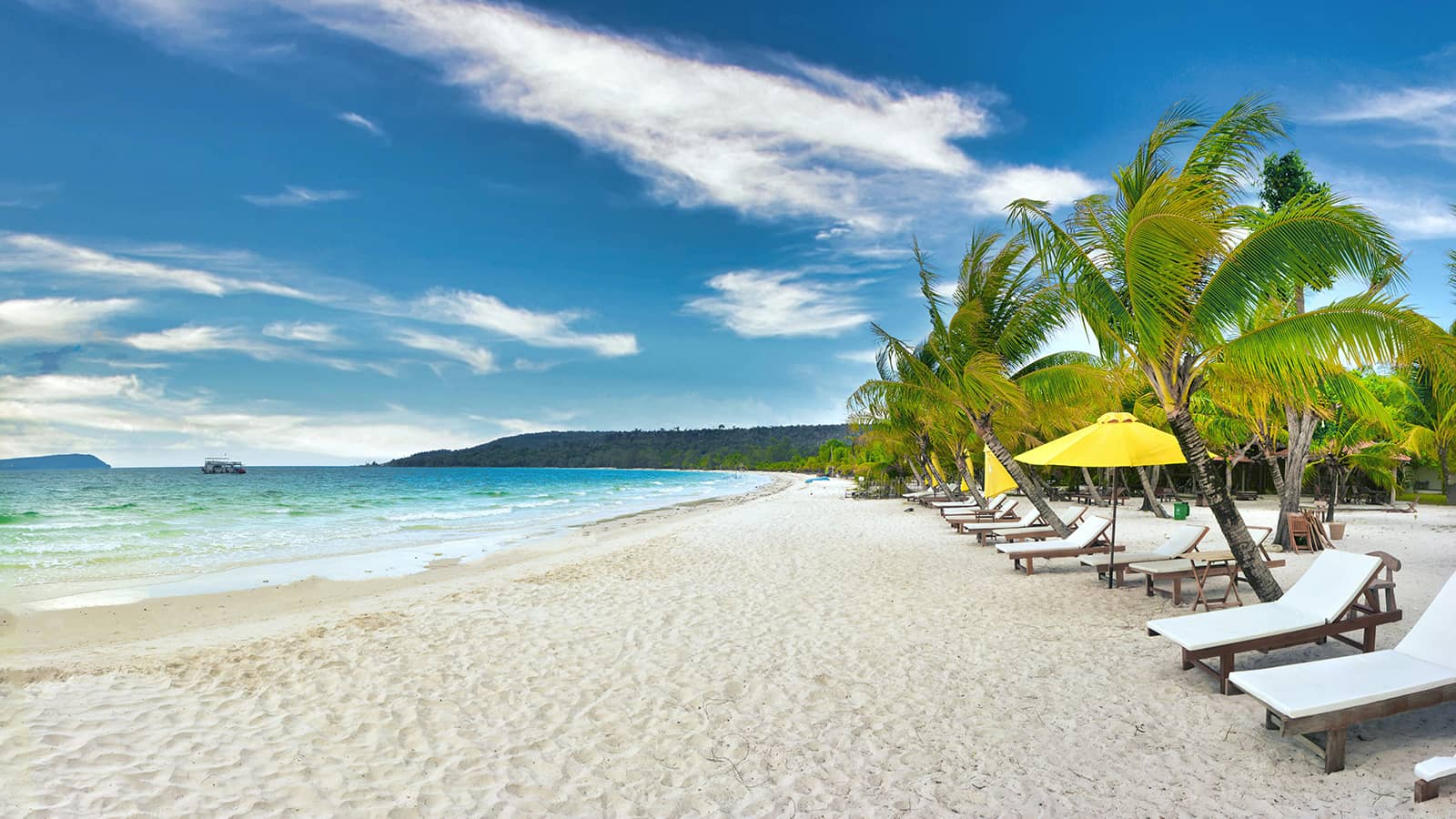
Island destinations split along geographic lines – eastern islands like Koh Samui remain relatively dry through May, while western Andaman coast locations see increasing rainfall. This makes May an excellent time for temple-focused cultural tours rather than beach holidays.
Where to Experience the Best Celebrations
While Visakha Bucha celebrations occur nationwide, certain locations offer particularly authentic or spectacular experiences. Bangkok’s Wat Phra Kaew (Temple of the Emerald Buddha) hosts the kingdom’s most formal ceremonies, attended by senior monks and government officials. The precision of ritual movements and elaborate golden decorations create an especially majestic atmosphere.
Chiang Mai’s old city temples provide intimate celebrations within ancient Lanna-style architecture. Wat Chedi Luang’s evening ceremonies take place among 14th-century ruins, while Wat Phra Singh features exquisite Lanna-style Buddha images illuminated by hundreds of candles. The northern dialect chanting and traditional Lanna musical accompaniment add regional flavour to the observances.
Ayutthaya offers a unique historical perspective, with Visakha Bucha ceremonies held among UNESCO World Heritage temple ruins. The juxtaposition of modern devotion and ancient stone creates powerful visual contrasts, especially during evening candlelight processions through partially collapsed temple complexes.
Lesser-Known Celebration Sites
Nakhon Pathom’s Phra Pathom Chedi, Thailand’s tallest Buddhist monument, hosts elaborate celebrations featuring traditional dance performances and special food offerings prepared by local temple committees. The massive orange-coloured stupa provides a dramatic backdrop for evening ceremonies.
Lopburi combines Visakha Bucha observances with its famous monkey population – creating amusing scenes as macaques observe solemn religious processions from temple rooftops. Despite the quirky setting, the ceremonies maintain their sacred character while providing memorable photo opportunities.
Practical Planning: Costs and Logistics for May 2026
May 2026 represents excellent value for cultural-focused Thailand travel, with accommodation costs dropping 30-50% from peak season rates. The combination of early rainy season and post-peak tourism creates ideal conditions for budget-conscious travellers seeking authentic experiences.

Accommodation Costs (per night, THB)
- Budget: Hostels 400-800, guesthouses 600-1,200
- Mid-range: Boutique hotels 1,500-3,500, business hotels 2,000-4,000
- Comfortable: Luxury hotels 5,000-12,000, resort properties 8,000-18,000
Temple-adjacent accommodations in Bangkok’s Rattanakosin area and Chiang Mai’s old city offer the best access to Visakha Bucha ceremonies while maintaining reasonable rates during May’s shoulder season.
Transportation and Logistics
Domestic flights remain competitively priced in May, with Bangkok-Chiang Mai routes around 2,500-4,500 THB depending on booking timing. The BTS and MRT systems in Bangkok operate extended hours during Visakha Bucha celebrations, with additional trains serving popular temple destinations.
Private temple tours through licensed operators cost 2,500-4,500 THB per day including transportation and guide services. These prove worthwhile during Visakha Bucha as guides can explain ceremony significance and help visitors participate appropriately.
Car rental with driver averages 2,000-3,000 THB per day, ideal for visiting multiple temples across regions or reaching mountain monasteries not accessible by public transport.
Temple Visit Costs
Most Thai temples remain free to enter, though some charge modest fees (20-100 THB) for specific buildings or museum areas. Ceremony participation costs include offerings (20-50 THB), appropriate clothing if needed (300-800 THB for temple-suitable garments), and transportation to evening events.
Guided meditation sessions at temples typically cost 500-1,500 THB for day programs, with overnight retreat packages ranging from 1,500-3,500 THB including basic accommodation and vegetarian meals.
Frequently Asked Questions
Can non-Buddhists participate in Visakha Bucha ceremonies?
Yes, visitors of all faiths can respectfully observe and participate in temple ceremonies by following dress codes, removing shoes when required, and maintaining quiet, respectful behaviour during prayers and rituals.
How much rain should I expect in May 2026?
Early May sees minimal rainfall, with afternoon thunderstorms becoming common by mid-month. Northern regions remain drier than central and southern areas, with most rain occurring between 2-5 PM daily.

Are shops and restaurants closed during Visakha Bucha?
Most shops and restaurants remain open, but alcohol sales are prohibited nationwide. Bars, clubs, and entertainment venues close for the day. Temple food stalls often extend hours during celebrations.
What should I wear to temple ceremonies?
Conservative clothing covering shoulders and knees is required. White or light-coloured clothing is especially appropriate for Visakha Bucha. Comfortable walking shoes that slip off easily are recommended for multiple temple visits.
Is May a good time for first-time Thailand visitors?
May offers excellent value and fewer crowds while providing authentic cultural experiences. However, increasing rainfall may limit some outdoor activities, making it ideal for culture-focused rather than beach-centred itineraries.
Explore more
Embracing the Green Season: Traveling Thailand in May 2026
Staying Cool and Comfortable: A Guide to Thailand in April 2026
Beyond the Water Fights: Understanding Songkran Traditions in Thailand
📷 Featured image by Ignazio Di Gangi on Unsplash.