On this page
- Day 1: Beach Bliss and Sunset Magic at Patong and Kata
- Day 2: Cultural Immersion in Phuket Town and Sacred Sites
- Day 3: Island Hopping Adventure to Phi Phi Islands
- Practical Tips: Accommodation, Transport & Budget
- Essential Packing for Phuket’s Triple Threat: Beach, Culture, Islands
- Frequently Asked Questions
Planning three perfect days in Phuket feels overwhelming when you’re staring at dozens of beaches, temples, and island tour operators all promising the “authentic” experience. The reality in 2026 is that Phuket has evolved far beyond its party destination reputation, offering sophisticated cultural experiences alongside world-class beaches and improved infrastructure that makes island hopping smoother than ever.
Day 1: Beach Bliss and Sunset Magic at Patong and Kata
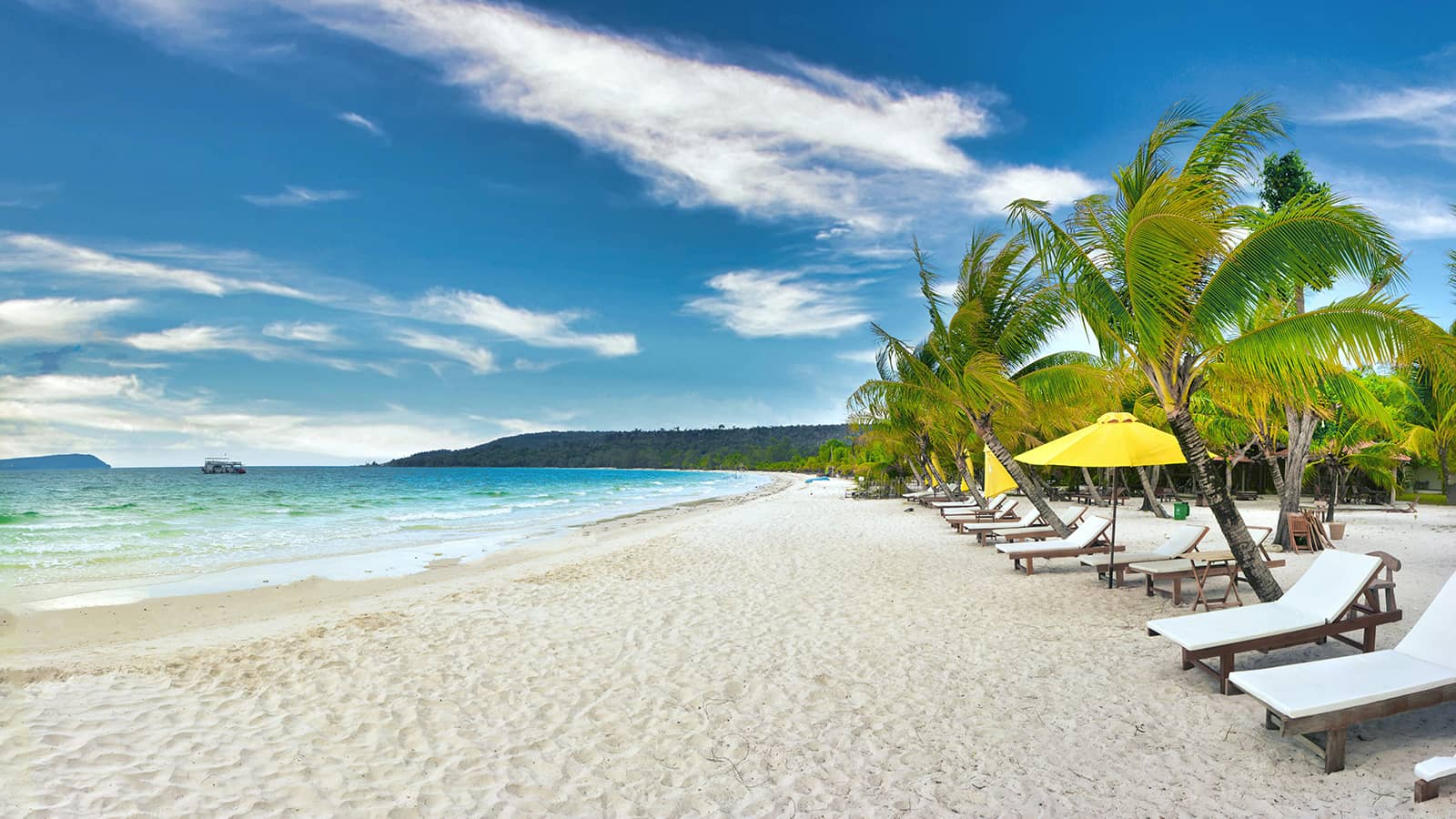
Start your Phuket adventure at Patong Beach, arriving by 9 AM to claim prime real estate before the crowds descend. The morning light transforms the Andaman Sea into liquid turquoise, and the beach vendors haven’t yet reached their afternoon persistence levels. Rent a lounger for 100 THB and settle in with a fresh coconut (60 THB) while watching long-tail boats navigate the gentle morning swells.
The secret to Patong isn’t avoiding the crowds—it’s timing them. Spend two hours here soaking up the energy, then escape south to Kata Beach around 11:30 AM. The 15-minute drive reveals why Kata consistently ranks among Asia’s best beaches: a perfect crescent of white sand backed by casuarina trees, with waves suitable for both swimming and surfing.
Afternoon activities at Kata depend on your energy level. The adventurous should try surfing lessons at Kata Surf House (1,200 THB for 2 hours), where patient instructors work with beginners on Phuket’s most forgiving waves. Those preferring land-based activities can hike the short trail to Kata Viewpoint, where panoramic views stretch across three beaches and countless offshore islands.
As afternoon transitions to evening, position yourself at Kata Noi Beach for sunset. This smaller, quieter cousin to Kata Beach offers unobstructed western views without the dinner crowds. The golden hour here feels almost spiritual—waves gently lapping the shore as fishing boats return home silhouetted against the burning sky.

End Day 1 with dinner in Kata’s restaurant scene. Capannina serves authentic Italian with ocean views (800-1,200 THB per person), while Kata Rocks offers contemporary cuisine with infinity pool access for non-guests (2,000-3,000 THB per person). Budget travelers should hit the Kata Night Market, where som tam and grilled seafood cost under 200 THB per person.
Day 2: Cultural Immersion in Phuket Town and Sacred Sites
Dedicate your second day to discovering Phuket’s soul beyond the beaches. Start early in Phuket Old Town, where Sino-Portuguese architecture tells the island’s multicultural story through ornate shophouses painted in Instagram-worthy pastels. The narrow streets come alive around 8 AM as local coffee shops open and vendors set up their morning markets.
Begin at Thalang Road, the cultural heart of the old quarter. Duck into Kopitiam by Wilai for traditional Phuket coffee and roti (150 THB total), served in a restored shophouse where ceiling fans lazily stir the morning air scented with cardamom and condensed milk. The elderly owner, Wilai, still grinds her own coffee beans and loves sharing stories about pre-tourism Phuket with curious visitors.
Spend the morning exploring the old town’s heritage buildings. The Thai Hua Museum provides excellent context for Phuket’s tin mining history and Chinese immigration waves, while the quirky collection at Phuket Philatelic Museum appeals to anyone fascinated by the island’s colonial postal system. Both charge minimal entry fees (100-150 THB) and offer air-conditioned respite from the climbing temperatures.
Cultural exploration continues at Wat Chalong, Phuket’s most revered Buddhist temple located 20 minutes south of town. The temple complex buzzes with genuine spiritual energy as locals light incense sticks and leave lotus flower offerings at shrines dedicated to two respected monks. The ornate architecture featuring golden Buddhas and intricate murals provides stunning photo opportunities, but remember this remains an active place of worship requiring respectful behavior and modest dress.

The afternoon brings you to Big Buddha, Phuket’s most visible landmark perched atop Nakkerd Hill. The 45-meter white marble statue commands panoramic views across the island’s southern coast, with Chalong Bay sparkling below and Kata Beach visible in the distance. The winding road up takes 30 minutes from Chalong, but the sunset views from this elevated vantage point justify the journey.
Conclude your cultural day with dinner in Phuket Town’s emerging food scene. Raya Restaurant serves authentic Phuket cuisine in a restored Sino-Portuguese mansion (400-600 THB per person), while Suay Restaurant offers modern Thai interpretations (800-1,200 THB per person). Street food enthusiasts should explore the weekend Naka Market, where Hokkien noodles and mango sticky rice cost under 100 THB per dish.
Day 3: Island Hopping Adventure to Phi Phi Islands
Your final day ventures beyond Phuket to the legendary Phi Phi Islands, where limestone karsts rise dramatically from emerald waters. Book your speedboat tour through a reputable operator like Phi Phi Island Village Resort’s day trips (2,800 THB per person) rather than budget alternatives that pack 40 people onto old longtail boats.
Departure happens early—6:30 AM pickup from your hotel leads to a 7:30 AM boat departure from Royal Phuket Marina. The 90-minute speedboat journey passes numerous smaller islands as anticipation builds for your first glimpse of Maya Bay’s famous limestone cliffs rising from turquoise waters.
Maya Bay remains the headline attraction, though visitor numbers are now strictly controlled following environmental rehabilitation efforts. Your allocated 45 minutes allows time for swimming in the crystal-clear lagoon and capturing photos of the dramatic scenery that made “The Beach” famous. The water here feels like stepping into a natural swimming pool, with visibility extending 20 meters down to coral formations and tropical fish.
The tour continues to Phi Phi Leh’s hidden lagoons, accessible only by kayak or swimming through narrow openings in the limestone. Pileh Lagoon offers the day’s most magical moment—floating in an enclosed emerald pool surrounded by towering cliffs draped in tropical vegetation. The silence here feels profound, broken only by gentle water lapping against ancient rock formations.
Lunch happens on Phi Phi Don at Tonsai Bay, where your tour stops at a beachfront restaurant serving fresh seafood buffets (included in tour price). The bustling village atmosphere contrasts sharply with the morning’s pristine natural settings, offering insight into how local communities adapt to tourism pressures while maintaining their fishing traditions.
Afternoon activities include snorkeling at Bamboo Island, where shallow coral gardens teem with tropical fish just meters from the beach. The white sand here feels powder-soft between your toes, and the protected waters provide perfect conditions for swimming and underwater exploration. Eagle rays occasionally glide past deeper sections, while clownfish dart between anemone gardens in the shallows.
The return journey to Phuket around 4 PM offers time to process the day’s experiences while enjoying complimentary fruit and drinks aboard your speedboat. Arrival back at Royal Phuket Marina happens by 6 PM, leaving energy for a farewell dinner at one of the marina’s upscale restaurants overlooking the yacht harbor.
Practical Tips: Accommodation, Transport & Budget
Location determines your Phuket experience more than luxury level. For beach lovers prioritizing sunset views and swimming, Kata Beach offers the perfect balance of beautiful sand, good restaurants, and manageable crowds. The Boathouse Phuket (8,000-12,000 THB per night) provides beachfront luxury, while Kata Beach Studio (2,500-3,500 THB per night) offers excellent value just steps from the sand.

Cultural enthusiasts should base themselves in Phuket Town for walking access to heritage sites, local markets, and authentic restaurants. The Memory at On On Hotel (3,000-4,500 THB per night) occupies a restored Sino-Portuguese building with period character, while budget travelers appreciate the clean rooms and central location of Lub d Phuket Hostel (800-1,200 THB per night).
Phuket’s size makes transportation planning crucial for maximizing your three days. Renting a scooter (250-350 THB per day) provides maximum flexibility for beach hopping and cultural site visits, though Thailand’s left-hand traffic and aggressive local driving require confidence and experience. Most rental shops now require valid motorcycle licenses following increased enforcement in 2026.
Grab taxi service covers most of Phuket with fixed pricing that eliminates haggling stress. Airport to Patong costs approximately 200-300 THB, while intercity trips like Kata to Phuket Town run 150-250 THB. The app shows exact fares upfront and accepts credit cards, making it perfect for visitors avoiding cash complications.
Budget travelers can experience Phuket’s highlights for 1,500-2,200 THB per person per day. This includes hostel accommodation (800-1,200 THB), street food meals (300-500 THB daily), local transportation via Grab and songthaew (200-400 THB), and budget island tours (1,800-2,500 THB). Free activities like temple visits, sunset viewing, and beach swimming keep costs minimal while maximizing experiences.
Mid-range visitors spending 3,500-5,500 THB daily enjoy comfortable guesthouses or 3-star hotels (2,500-3,500 THB), restaurant meals combining local and international cuisine (800-1,200 THB daily), scooter rental or regular Grab use (300-500 THB), and quality tour operators for island excursions (2,800-3,500 THB). This budget allows spontaneous activities and better accommodation without breaking the bank.

Essential Packing for Phuket’s Triple Threat: Beach, Culture, Islands
Your three-day itinerary demands versatile packing for tropical beaches, cultural sites, and boat excursions. Start with lightweight, quick-dry clothing including 2-3 swimsuits (essential for consecutive beach days), cover-ups respecting temple dress codes, and comfortable walking shoes for old town exploration. Flip-flops work for beaches but lack support for temple visits and uneven surfaces.
Sun protection becomes critical with 12 hours of equatorial sunshine daily. Pack SPF 50+ reef-safe sunscreen (mandatory for marine parks), wide-brimmed hats, quality sunglasses, and lightweight long-sleeved shirts for boat trips where shade is limited. Reusable water bottles combat dehydration while reducing plastic waste—most hotels and restaurants offer free refills.
Cultural site visits require modest clothing covering shoulders and knees. Lightweight pants, long skirts, and shirts with sleeves prevent temple entry denials and show respect for local customs. A small daypack carries these items when transitioning from beach to cultural activities, along with plastic bags protecting electronics from sand and boat spray.
Island hopping gear includes underwater shoes for rocky beach entries, personal snorkeling masks for hygiene and better fit, and waterproof phone cases for underwater photos. Motion sickness medication helps sensitive travelers during speedboat transfers, while basic first aid supplies handle minor cuts from coral or rocks encountered during water activities.
Frequently Asked Questions
What’s the best time to visit Phuket in 2026?
November through April offers the driest weather and calmest seas for island hopping. May through October brings afternoon rains but fewer crowds and lower prices. The shoulder months of November and April provide optimal conditions with moderate pricing.
How much should I budget for a Phi Phi Islands day tour?
Quality speedboat tours cost 2,800-3,500 THB per person including lunch, snorkeling gear, and hotel transfers. Budget longtail boat options run 1,800-2,500 THB but involve longer travel times and larger groups. Premium small-group tours reach 4,000-6,000 THB.

Do I need to rent a car or scooter in Phuket?
Not essential but highly convenient for beach hopping and cultural sites. Grab taxis work well for specific destinations but cost more for multiple daily trips. Scooters offer maximum flexibility at 250-350 THB daily, while cars provide safety and luggage space at 1,200-2,000 THB daily.
Which beaches should I prioritize during three days in Phuket?
Kata Beach offers the best overall experience with beautiful sand, good swimming, and dining options. Patong provides energy and nightlife but gets crowded. Kata Noi delivers stunning sunsets with fewer people. Freedom Beach requires effort to reach but rewards with pristine conditions.
Are temples and cultural sites worth visiting in beach-focused Phuket?
Absolutely. Wat Chalong and Big Buddha provide spiritual experiences contrasting with beach activities. Phuket Old Town’s Sino-Portuguese architecture and local markets offer authentic cultural immersion impossible to find at beach resorts. These sites help understand Phuket beyond tourism.
Explore more
The Ultimate List: 25 Best Things to Do in Phuket, Thailand
Phuket Itinerary: Your Guide to 3, 5, or 7 Days in Paradise
15 Best Things to Do in Phuket for an Unforgettable Trip
📷 Featured image by Margo Evardson on Unsplash.