On this page
- Understanding Phuket’s Distinct Neighborhoods
- Old Town Phuket: Living Heritage
- Beach Guide: Matching Shores to Your Style
- Food Scene: From Street Stalls to Michelin Recognition
- Getting Around: Mastering Island Transport
- Day Trips and Island Adventures
- Nightlife Districts: Beyond the Obvious
- Shopping: From Night Markets to Designer Boutiques
- Where to Stay: Accommodation by Budget and Style
- Timing Your Visit: Weather, Crowds, and Costs in 2026
- Essential Phuket Tips for First-Time Visitors
- Budget Planning: Daily Costs Breakdown for 2026
- Frequently Asked Questions
💰 Click here to see Thailand Budget Breakdown
💰 Prices updated: October, 2026. Budget figures are estimates — always verify before travel.
Exchange Rate: $1 USD = ฿33.60
Daily Budget (per person)
Shoestring: ฿900.00 – ฿1,800.00 ($26.79 – $53.57)
Mid-range: ฿2,150.00 – ฿4,000.00 ($63.99 – $119.05)
Comfortable: ฿6,000.00 – ฿12,000.00 ($178.57 – $357.14)
Accommodation (per night)
Hostel/guesthouse: ฿90.00 – ฿750.00 ($2.68 – $22.32)
Mid-range hotel: ฿1,400.00 – ฿3,500.00 ($41.67 – $104.17)
Food (per meal)
Budget meal: ฿70.00 ($2.08)
Mid-range meal: ฿250.00 ($7.44)
Upscale meal: ฿1,000.00 ($29.76)
Transport
Single metro/bus trip: ฿30.00 ($0.89)
Monthly transport pass: ฿1,155.00 ($34.38)
Phuket in 2026 faces an identity crisis that actually works in travelers’ favor. Thailand’s largest island has successfully maintained its authentic Sino-Portuguese heritage in Old Town while developing some of Asia’s most luxurious beach resorts. The challenge isn’t finding things to do—it’s choosing between a morning exploring 200-year-old shophouses and an afternoon at a infinity pool overlooking the Andaman Sea.
Understanding Phuket’s Distinct Neighborhoods
Phuket’s geography determines your entire experience. The island stretches 50 kilometers north to south, with each coast offering dramatically different vibes and price points.
Patong: The Tourism Epicenter
Patong remains Phuket’s most developed beach town, perfect for first-time visitors who want everything within walking distance. The 3-kilometer beach fronts a dense grid of hotels, restaurants, and bars that never truly sleep. Bangla Road transforms into a pedestrian party zone each evening, while massage parlors and tailors line every side street.
Patong suits travelers who prioritize convenience over authenticity. You’ll pay premium prices—expect 150-200 THB for basic pad thai that costs 60 THB elsewhere—but everything is in English and designed for international visitors.
Kata and Kata Noi: The Goldilocks Zones
Kata offers Phuket’s best balance of development and charm. The main beach curves for 1.5 kilometers between rocky headlands, with enough restaurants and bars to keep you entertained without overwhelming the natural setting. Kata Noi, separated by a small headland, provides a more intimate atmosphere with several luxury resorts claiming prime beachfront.
Both beaches attract surfers during southwest monsoon season (May to October) when consistent waves break along the southern end. The northern sections remain swimmable year-round.
Karon: Space to Breathe
Karon’s 4-kilometer beach provides Phuket’s longest stretch of sand, perfect for morning jogs or sunset walks without dodging beach chairs every few meters. The town center clusters around a single main road, creating a more relaxed atmosphere than Patong while maintaining good restaurant variety.

Karon works well for families and couples seeking a quieter base with easy access to other beaches via motorcycle taxi or rental scooter.
Rawai and Nai Harn: The Southern Escape
Rawai functions as Phuket’s seafood capital, with a fishing pier lined by restaurants serving the day’s catch. The rocky shoreline isn’t ideal for swimming, but longtail boats depart regularly for nearby islands.
Nai Harn, just north of Rawai, features one of Phuket’s most beautiful beaches—a perfect crescent of white sand backed by hills rather than hotels. The limited development keeps crowds manageable even during peak season.
Bang Tao and Laguna: Luxury Resort Territory
Bang Tao’s 8-kilometer beach hosts several of Phuket’s most exclusive resorts, including properties from Banyan Tree, Angsana, and Laguna resort complex. The northern end around Boat Avenue offers excellent dining and shopping in a more sophisticated setting than the typical beach town chaos.
Surin and Kamala: Upscale Alternatives
Surin earned the nickname “Millionaire’s Beach” for attracting wealthy Thai families and international celebrities. The beach itself remains free and public, but beachfront real estate commands premium prices.
Kamala provides a middle ground between Surin’s exclusivity and Patong’s intensity. The curved beach faces west for spectacular sunsets, while the town maintains a village atmosphere with several excellent local restaurants.
Old Town Phuket: Living Heritage
Phuket Town’s historic quarter represents one of Southeast Asia’s best-preserved examples of Sino-Portuguese architecture. The renovation efforts that began in the early 2000s have transformed previously neglected shophouses into boutique hotels, art galleries, and themed cafes while maintaining authentic residential neighborhoods.
Architectural Walking Tour
Start your exploration on Thalang Road, where morning light illuminates pastel-colored facades and intricate wooden shutters. The Sino-Portuguese style emerged when Chinese tin miners married local Thai women in the late 19th century, blending architectural traditions from both cultures.
Key stops include the restored shophouses around Soi Romanee, a narrow lane that Hollywood chose to represent 1960s Saigon in the film “The Quiet American.” The Thai Hua Museum on Krabi Road occupies a beautiful century-old school building, offering context for the immigrant stories behind these architectural gems.
Cultural Immersion Beyond Architecture
The Peranakan Phuket Museum on Phang Nga Road tells the story of the Baba-Nyonya culture that emerged from Chinese-Malay intermarriage. Interactive exhibits explain how this unique community influenced local cuisine, language, and customs that persist today.
Several Chinese shrines scattered throughout Old Town remain active places of worship. Jui Tui Shrine on Ranong Road becomes particularly atmospheric during morning prayers when incense smoke drifts through the courtyard and elderly Chinese-Thai residents burn paper offerings.
Authentic Dining in Historic Settings
Old Town’s restaurant scene balances heritage preservation with culinary innovation. Raya Restaurant occupies a century-old mansion on Dibuk Road, serving traditional Phuketian dishes like mee hokkien (thick rice noodles in rich pork broth) in dining rooms filled with antique furniture and family photographs.
For something more contemporary, Suay Restaurant transforms a restored shophouse into an elegant setting for modern Thai cuisine using local ingredients and traditional techniques.
Beach Guide: Matching Shores to Your Style
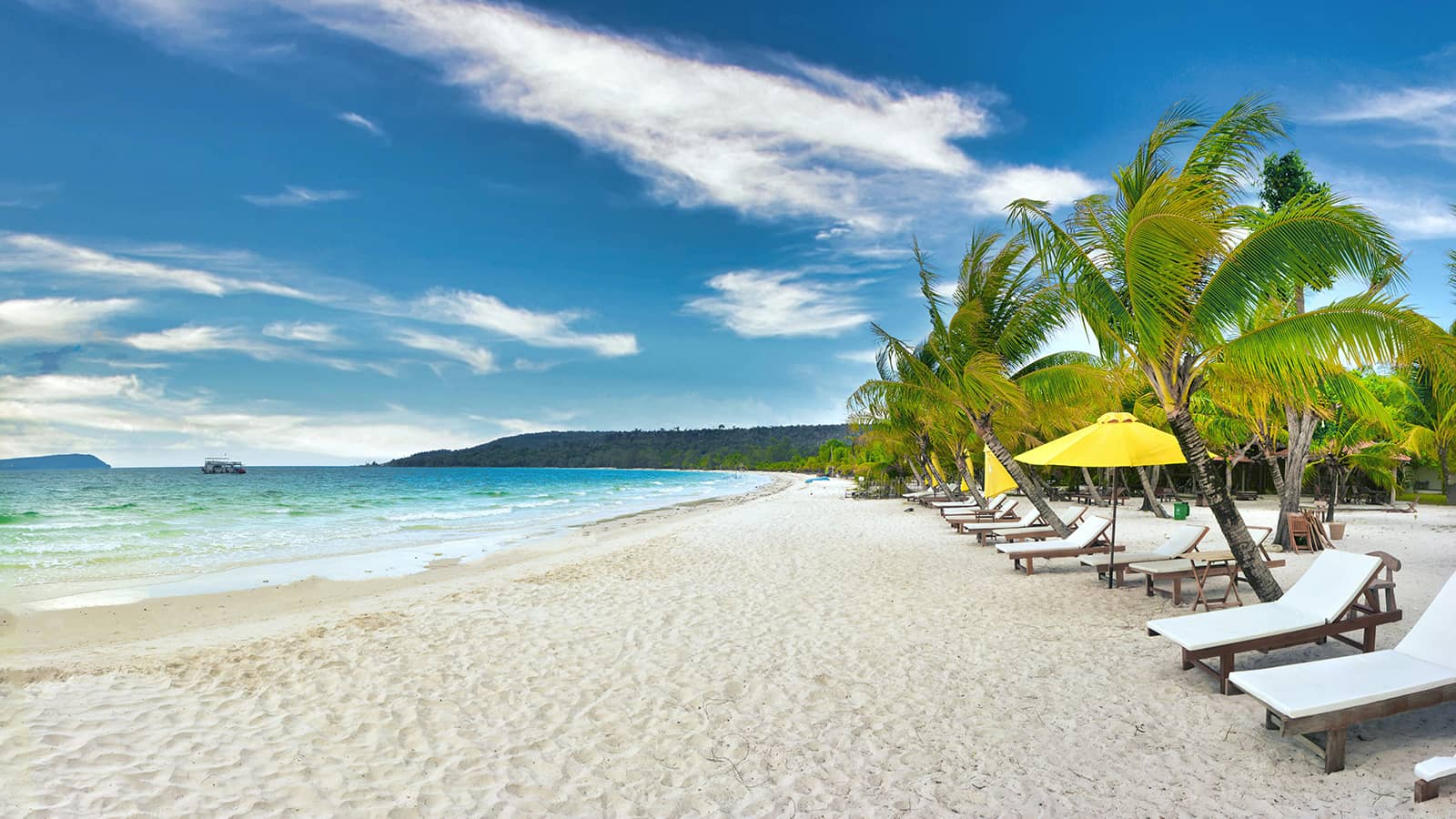
Phuket’s 32 beaches each offer distinct personalities shaped by geography, development levels, and the types of travelers they attract. Understanding these differences helps you choose wisely rather than defaulting to the most famous names.
Swimming and Water Conditions
Phuket’s west coast beaches face the Andaman Sea, creating excellent swimming conditions from November through April when seas remain calm and visibility reaches 20+ meters for snorkeling. The southwest monsoon (May to October) brings larger waves that excite surfers but require more caution for casual swimmers.

East coast beaches like Ao Po and Cape Panwa stay calmer year-round but lack the dramatic sunsets and white sand that draw most visitors to the western shores.
Patong Beach: The Complete Package
Patong’s 3-kilometer crescent offers something for everyone, which explains both its popularity and its chaotic energy. The northern section near Graceland Resort provides the calmest swimming, while the central area pulses with jet ski rentals, parasailing operators, and beach massage vendors competing for attention.
Sunset dining at beachfront restaurants like Catch Beach Club elevates the Patong experience beyond pure hedonism, though you’ll pay accordingly—expect 800-1,200 THB per person for dinner with sea views.
Freedom Beach: Hidden Paradise
Accessible only by longtail boat from Patong (300 THB round trip) or a steep 20-minute hike through jungle, Freedom Beach rewards effort with pristine white sand and turquoise water. The small beach rarely hosts more than 50 people even during peak season.
Pack water and snacks since no facilities exist—just pure tropical beach perfection without the commercial trappings.
Surin Beach: Sophisticated Seaside
Surin attracts Phuket’s most discerning beachgoers, with several upscale beach clubs offering daybeds, craft cocktails, and Mediterranean-influenced cuisine. Catch Beach Club and HQ Beach Lounge set the standard for luxury beach experiences, though day passes start around 2,000 THB per person.
The beach itself remains public and free, with excellent swimming conditions and enough space to find quiet spots away from the commercial activity.
Nai Harn: Natural Perfection
Nai Harn’s horseshoe-shaped bay creates some of Phuket’s most photogenic scenery. Hills covered in tropical vegetation frame the white sand beach, while a freshwater lagoon behind the beach adds an extra layer of natural beauty.

Limited development keeps the atmosphere peaceful—just a few local restaurants and the luxury Nai Harn resort occupy the beachfront. Strong currents during monsoon season require caution, but calm season swimming conditions rival anywhere in Thailand.
Food Scene: From Street Stalls to Michelin Recognition
Phuket’s culinary landscape reflects its position as both a working Thai island and an international resort destination. The best eating experiences often happen away from the main tourist strips, where local markets and neighborhood restaurants serve authentic southern Thai cuisine alongside Peranakan specialties unique to the region.
Street Food Headquarters
Phuket Town’s morning markets offer the island’s most authentic food experiences. Chillva Market on Thepkrasattri Road operates daily from 4 AM to 2 PM, with vendors selling everything from fresh coconut pancakes (khanom krok) to fiery southern Thai curries that’ll challenge even experienced spice lovers.
The stalls around Clock Tower serve excellent khao tom (rice porridge) throughout the night, perfect for late dinner after exploring Old Town bars. Prices remain remarkably reasonable—30-50 THB for most dishes compared to 150-200 THB at beach restaurants.
Peranakan Specialties
Phuket’s unique Baba-Nyonya heritage creates dishes found nowhere else in Thailand. Oh aew, a dessert of shaved ice topped with pink gelatin noodles, red beans, and coconut milk, originated here and remains a local obsession. The best versions come from small stalls in Old Town rather than fancy restaurants.
Hokkien mee—thick rice noodles in rich pork and seafood broth—represents another Phuket specialty. Natural Restaurant on Phang Nga Road has served the same recipe for over 50 years, creating a deeply satisfying bowl that locals consider the island’s finest.
Night Market Adventures
Phuket Weekend Market (Talad Sod) operates Friday through Sunday evenings near Central Festival mall. This sprawling complex offers everything from grilled seafood to exotic fruits, with most vendors speaking enough English to help confused tourists navigate the options.

The seafood section deserves special attention—vendors grill fresh fish, prawns, and squid over charcoal while you wait. Prices hover around 200-400 THB per dish, substantially less than beachfront restaurants charging 800+ THB for similar preparations.
Upscale Dining Revolution
Phuket’s fine dining scene has evolved dramatically since 2020, with several restaurants earning international recognition. PRU at Trisara Resort holds a Michelin Green Star for sustainability practices while serving innovative tasting menus featuring local ingredients.
Mom Tri’s Kitchen at Villa Royale offers Thai cuisine elevated to fine dining standards, with ocean views that justify the 2,500-3,500 THB per person price point. The sunset timing makes dinner feel like dinner theater with the Andaman Sea as backdrop.
Hidden Local Gems
Some of Phuket’s best meals happen at family-run restaurants that tourist guides rarely mention. Kopi de Phuket on Yaowarat Road serves exceptional southern Thai breakfast dishes in a setting that hasn’t changed in decades. The roti with curry dipping sauce costs just 40 THB and exceeds anything you’ll find in hotel restaurants.
For seafood, head to the fishing pier in Rawai where several no-name restaurants prepare the day’s catch however you prefer. Point to what looks good in the ice display, specify your preferred cooking method, and expect to pay 300-500 THB for a feast that would cost triple at Patong beachfront establishments.
Getting Around: Mastering Island Transport
Phuket’s size and geography create transportation challenges that many first-time visitors underestimate. The island stretches 50 kilometers from north to south, with mountains creating winding roads that take longer to navigate than maps suggest. Understanding your options helps avoid frustration and overpriced tourist transport.

Rental Scooters: Freedom with Risks
Scooter rental offers the most flexible way to explore Phuket, with daily rates ranging from 150-300 THB depending on bike condition and rental duration. Most rental shops cluster around Patong, Kata, and Phuket Town, though hotels can usually arrange delivery for an additional 100-200 THB fee.
Phuket’s roads demand respect—steep hills, sudden curves, and occasional rain create hazardous conditions even for experienced riders. International driving permits are officially required, though enforcement varies. More importantly, comprehensive insurance coverage through your travel insurance becomes essential since most rental agreements offer minimal protection.
Grab and Local Taxis
Grab operates throughout Phuket with generally reliable service and transparent pricing. Typical fares include Phuket Airport to Patong (400-500 THB), Patong to Kata (200-250 THB), and Patong to Phuket Town (250-300 THB). Surge pricing during peak hours can increase these rates by 50-100%.
Traditional taxi meters remain rare outside the airport. Most drivers quote fixed prices that start high—expect initial quotes 50-100% above reasonable rates, then negotiate firmly but politely. Alternatively, ask your hotel to arrange transport at agreed-upon rates.
Songthaews: Local Bus System
Blue songthaews (converted pickup trucks with bench seating) provide the cheapest transport between major beaches and Phuket Town. Routes operate roughly every 20-30 minutes during daylight hours, charging 25-50 THB per person depending on distance.
The system requires patience since vehicles often wait until reasonably full before departing, and routes can be confusing for newcomers. However, songthaews offer authentic local transport experience and significant savings for budget-conscious travelers.
Airport Connections
Phuket International Airport sits in the island’s north, roughly 45 minutes from most beach areas. Airport taxis operate on fixed-rate basis—expect 600-800 THB to Patong, Kata, or Karon. Shared minivans cost 150-200 THB per person but include stops at multiple hotels, extending journey time.
Airport Bus service launched in 2023 connects the terminal with major beach areas and Phuket Town for 100 THB per person. Buses depart every 30 minutes from 6 AM to midnight, offering the most economical airport transfer option.
Day Trips and Island Adventures
Phuket’s strategic location in the Andaman Sea provides access to some of Thailand’s most spectacular islands and national parks. Day trip options range from crowded tourist favorites to virtually untouched islands accessible only by chartered longtail boat.
Phi Phi Islands: Managing the Crowds
Maya Bay’s closure and subsequent limited reopening has redistributed crowds across the Phi Phi archipelago, creating opportunities for better experiences with proper planning. Speed boat tours (1,500-2,000 THB per person) reach the islands in 45 minutes, while slower ferry services (400-600 THB) take 90 minutes but offer more comfortable seating.
Phi Phi Don’s main village remains intensely touristic, but hiking to the viewpoint reveals spectacular panoramas of the twin bays below. Early morning departures (7 AM boats) provide the best chance for enjoying Phi Phi Leh’s stunning scenery before afternoon crowds arrive.
Phang Nga Bay: James Bond and Beyond
The limestone karst towers of Phang Nga Bay create Thailand’s most recognizable seascape, featured in countless films since James Bond Island appeared in “The Man with the Golden Gun.” Most tours combine James Bond Island with canoeing through sea caves and visits to Koh Panyee, a Muslim fishing village built on stilts.
Full-day tours cost 1,800-2,500 THB per person including lunch and transfers from your hotel. Private longtail boat charters (3,000-4,000 THB for up to 6 people) offer more flexibility and access to quieter spots away from the main tourist circuit.

Similan Islands: World-Class Diving
The Similan Islands National Park, located 65 kilometers northwest of Phuket, offers some of the world’s finest diving and snorkeling. The park operates from October through May, with day trips requiring early 6 AM departures for the 90-minute speedboat journey.
Snorkeling-focused day trips cost 2,800-3,500 THB per person including equipment, lunch, and national park fees. The pristine coral reefs and abundant marine life justify the expense and early morning start, though seasickness medication is recommended for the sometimes choppy crossing.
Koh Yao Islands: Authentic Island Life
Koh Yao Noi and Koh Yao Yai offer glimpses of traditional Thai island culture just 30 minutes by longtail boat from Phuket’s east coast. Muslim fishing communities maintain traditional lifestyles despite proximity to Phuket’s tourism development.
Day trips include bicycle tours through rubber plantations, visits to local workshops where families create traditional crafts, and seafood lunches at stilted restaurants overlooking rice paddies. Tours cost 1,500-2,000 THB per person and provide excellent cultural immersion without requiring overnight stays.
Racha Islands: Crystal Clear Waters
Koh Racha Yai lies just 12 kilometers south of Phuket, offering some of the region’s clearest water and best snorkeling conditions. The protected bays on the island’s north side remain calm even when Phuket’s west coast beaches experience rough conditions.
Half-day trips by speedboat cost 1,200-1,800 THB per person, while full-day excursions often combine Racha Yai with smaller Racha Noi for advanced snorkeling and diving opportunities.
Nightlife Districts: Beyond the Obvious
Phuket’s after-dark scene extends far beyond Patong’s neon-lit Bangla Road circus. Each area cultivates distinct atmospheres catering to different crowds, from sophisticated rooftop cocktails to underground music venues that locals actually frequent.
Patong: Controlled Chaos
Bangla Road transforms into a pedestrian zone each evening at 8 PM, creating Southeast Asia’s most intense concentration of bars, nightclubs, and street entertainment. The scene ranges from beer bars with friendly staff to high-energy nightclubs like Illuzion and Seduction that rival Bangkok’s best venues.

For a more refined Patong experience, head to the southern end where beach clubs like Catch offer sunset cocktails and sophisticated dining. Prices reflect the upmarket atmosphere—expect 300-500 THB for cocktails compared to 150-200 THB on Bangla Road.
Phuket Town: Authentic Local Scene
Old Town’s narrow streets hide several excellent bars that cater primarily to expat residents and adventurous tourists. Timber Hut on Phang Nga Road occupies a restored shophouse, serving craft cocktails in an intimate setting decorated with vintage photographs and antique furniture.
Rockin’ Angels Blues Cafe on Phang Nga Road hosts live music several nights per week, with local and visiting musicians performing everything from acoustic covers to original compositions. The crowd skews older and more musically sophisticated than typical tourist venues.
Kata and Karon: Sophisticated Alternatives
Kata’s nightlife centers around small bars with ocean views and relaxed atmospheres perfect for sunset drinks. Ska Bar on the main road through Kata offers live reggae music most evenings, while After Beach Bar provides beachfront cocktails in a more upscale setting.
Karon’s limited nightlife actually works to its advantage, with a few quality venues rather than overwhelming choice. The Boathouse Wine & Grill combines excellent dining with an extensive wine list and ocean views that make dinner feel like entertainment.
Surin and Bang Tao: Luxury Playground
The beaches north of Kamala host Phuket’s most sophisticated nightlife, with beach clubs and rooftop bars that wouldn’t feel out of place in Monaco or the Hamptons. Catch Beach Club in Surin sets the standard with infinity pools, DJ sets, and cocktails crafted by award-winning bartenders.
Xana Beach Club in Bang Tao offers a more intimate luxury experience, with private cabanas overlooking the beach and a menu focused on fresh seafood and premium spirits. Expect to spend 2,000-3,000 THB per person for dinner and drinks.

Underground and Alternative Scenes
Phuket’s alternative music scene operates mostly below tourist radar. Sound Club in Phuket Town occasionally hosts electronic music events featuring Bangkok DJs and visiting international acts. The venue’s industrial setting and serious sound system create an authentic club experience rare in tourist-heavy Phuket.
Serenity Beach Club on Rawai Beach combines sunset dining with late-night dancing, attracting a mix of expats and Thai locals who appreciate quality music and reasonable drink prices.
Shopping: From Night Markets to Designer Boutiques
Phuket’s shopping landscape spans from traditional markets selling handicrafts and local products to luxury malls featuring international designer brands. The key is matching your shopping style to the right venues while avoiding tourist trap pricing that can inflate costs by 200-300%.
Traditional Markets and Authentic Crafts
Phuket Weekend Market near Central Festival offers the island’s best selection of traditional Thai handicrafts, vintage clothing, and local art. Operating Friday through Sunday evenings, the market combines serious shopping opportunities with excellent street food in a authentic local atmosphere.
Look for hand-woven textiles from northern Thailand, silver jewelry crafted by local artisans, and wooden carvings that reflect southern Thai artistic traditions. Bargaining is expected—start at roughly 60% of the quoted price and negotiate from there.
The morning market in Phuket Town focuses primarily on fresh produce and prepared food, but several stalls sell locally-made items like coconut oil products, herbal remedies, and traditional Thai snacks that make excellent gifts.
Old Town Boutique Shopping
Thalang Road and surrounding streets in Old Town house numerous small boutiques selling contemporary Thai fashion, locally-designed jewelry, and art pieces created by Phuket-based artists. Many shops occupy restored shophouses, making the shopping experience as much about architecture as merchandise.
Memory at On On Hotel sells vintage-inspired clothing and accessories, while Gallery Cafe combines art exhibition space with retail selling paintings and crafts by local artists. Prices reflect the boutique setting—expect to pay 800-2,000 THB for clothing items compared to 200-500 THB at markets.
Luxury Mall Shopping
Central Festival Phuket serves as the island’s premium shopping destination, with international brands like H&M, Zara, and Uniqlo alongside Thai retailers and a excellent food court serving authentic local dishes. The mall’s air conditioning provides welcome relief during afternoon heat.
Jungceylon in Patong offers convenient shopping for beach-area visitors, though the emphasis on tourist-oriented merchandise and inflated prices makes it less appealing for authentic shopping experiences.
Beach Shopping and Souvenirs
Beach vendors along major shores sell everything from sarongs and flip-flops to handmade jewelry and temporary tattoos. Quality varies dramatically, and initial prices often start 300-400% above reasonable levels. Successful bargaining requires patience and willingness to walk away.
For better quality beach merchandise, visit the small shops along main roads rather than buying directly on sand. Fixed prices eliminate bargaining hassles, and selection typically exceeds what vendors can carry along the beach.
Tailoring Services
Phuket hosts dozens of tailor shops offering custom suits, dresses, and casual wear. Quality varies significantly—the cheapest options often disappoint while premium shops charge Bangkok prices without necessarily delivering superior results.
Reputable tailors require 3-4 days minimum for suits and formal wear, with prices starting around 8,000-12,000 THB for men’s suits depending on fabric selection. Always request fittings and inspect work carefully before final payment.
Where to Stay: Accommodation by Budget and Style
Phuket’s accommodation options span from 300 THB hostels to 50,000+ THB resort suites, with location often mattering more than luxury level for overall experience quality. Understanding each area’s personality helps match your accommodation choice to your travel style and priorities.
Budget Conscious: 800-2,000 THB per night
Phuket Town offers the island’s best value accommodation, with restored shophouse hotels providing authentic atmosphere at reasonable prices. Memory at On On Hotel transforms a 100-year-old building into boutique accommodation starting around 1,200 THB per night including breakfast.
Kata and Karon host numerous guest houses and small hotels offering clean rooms with air conditioning, private bathrooms, and often swimming pools for 800-1,500 THB nightly. These properties may lack luxury amenities but provide excellent access to quality beaches and restaurants.
Patong’s budget options focus on location over atmosphere—expect basic but functional rooms within walking distance of nightlife and beach activities. Prices start around 1,000 THB but increase significantly during peak season and holidays.
Mid-Range Comfort: 2,000-6,000 THB per night
This category offers Phuket’s best value propositions, with well-designed hotels featuring pools, fitness centers, and convenient locations without luxury resort pricing. Kata Palm Resort provides modern rooms with balconies overlooking tropical gardens just 5 minutes walk from Kata Beach.
Karon Beach Resort offers beachfront location and traditional Thai design elements, with rooms featuring private terraces and easy beach access. The property maintains extensive gardens that create a resort atmosphere despite modest pricing.
Phuket Town’s mid-range options include boutique hotels in restored colonial buildings, offering unique architectural settings with modern comforts like reliable WiFi, contemporary bathrooms, and often rooftop restaurants or bars.
Luxury and Ultra-Luxury: 8,000+ THB per night
Phuket’s luxury resort scene competes with anywhere in Southeast Asia for sophistication and service levels. Trisara Resort in the northwest offers pool villas with private access to secluded beaches, while Mom Tri’s Villa Royale creates an adults-only sanctuary on a clifftop above Kata Noi Beach.
The Nai Harn resort occupies one of the island’s most spectacular locations, with contemporary design that complements rather than competes with the natural setting. Suites feature floor-to-ceiling windows framing views of the Andaman Sea and surrounding hills.
Bang Tao’s luxury resorts include multiple Laguna properties that share facilities like golf courses and spa services, creating destination resorts where guests often never leave the property during their entire stay.
Alternative Accommodation
Private villa rentals have exploded in popularity, particularly in areas like Surin, Kamala, and the hills above various beaches. These properties often provide more space and privacy than hotels at competitive rates, especially for groups or families staying longer than a few nights.
Boutique resorts in less developed areas like Cape Panwa or the east coast offer unique experiences away from crowded beach areas. These properties typically emphasize design, cuisine, and personalized service over extensive facilities.
Timing Your Visit: Weather, Crowds, and Costs in 2026
Phuket’s tropical climate creates distinct seasons that dramatically affect everything from weather conditions to accommodation pricing. Understanding these patterns helps optimize your visit timing based on priorities like budget constraints, activity preferences, and tolerance for crowds.
High Season: November through March
Phuket’s peak season coincides with ideal weather conditions—minimal rainfall, calm seas perfect for swimming and snorkeling, and comfortable temperatures averaging 26-30°C. Northeast monsoon winds keep humidity levels manageable and create perfect conditions for beach activities.
This weather perfection comes with crowds and premium pricing. Hotel rates often double compared to low season, while restaurant reservations become essential at popular venues. December and January represent absolute peak periods when some properties require minimum 7-night stays.
Book accommodation at least 3-4 months in advance for travel during December-February. Many luxury resorts sell out completely during Christmas and New Year periods.
Shoulder Seasons: April-May and October
These transitional months offer excellent value propositions with generally good weather at significantly reduced prices. April brings the hottest temperatures of the year (often reaching 35°C) but maintains dry conditions excellent for beach activities.
October marks the end of southwest monsoon season, with occasional afternoon thunderstorms but plenty of sunny weather. Hotel rates drop 30-50% compared to peak season while weather conditions remain quite favorable for most activities.
May offers particular value for budget-conscious travelers—hot but dry weather, dramatically reduced accommodation costs, and minimal crowds at major attractions.
Monsoon Season: June through September
Southwest monsoon brings daily rainfall, rougher seas, and higher humidity, but also the lowest prices and authentic local atmosphere as mass tourism temporarily subsides. Many days feature morning sunshine followed by afternoon thunderstorms that clear quickly.
Surfing conditions peak during this period, particularly at Kata, Kalim, and Surin beaches where consistent waves attract board riders from across Southeast Asia. Several beach clubs and restaurants close for renovation during quieter months.
Accommodation rates reach annual lows—often 60-70% below peak season pricing. Many travelers find monsoon season perfectly acceptable if they adjust expectations and pack appropriately for occasional rain.
Festival Timing
Songkran (mid-April) transforms Phuket into a massive water fight, with celebrations particularly intense in Patong and Phuket Town. Hotels fill quickly and rates spike, but the cultural experience can justify the crowds and costs.
Vegetarian Festival (usually October) creates unique cultural immersion opportunities, particularly in Phuket Town where Chinese shrines become focal points for elaborate processions and ceremonies. Accommodation becomes scarce during the 9-day festival period.
Loy Krathong (November) offers romantic atmosphere as locals float decorated baskets on water bodies throughout the island. The festival timing often coincides with the start of peak tourist season.
Essential Phuket Tips for First-Time Visitors
Phuket’s blend of authentic Thai culture and international tourism infrastructure creates unique situations that can confuse newcomers. These practical insights help navigate common challenges and enhance your overall experience.
Safety and Health Considerations
Phuket maintains excellent safety standards for tourists, with dedicated tourist police stationed in major beach areas. However, scooter accidents represent the primary risk for visitors—always wear helmets, avoid riding during rain, and never drive after consuming alcohol.
Tap water remains unsafe to drink despite improvements in infrastructure. Bottled water costs 15-25 THB in convenience stores compared to 50-80 THB at hotels. Many restaurants provide filtered water free with meals.
Sun exposure intensifies near the equator—SPF 30+ sunscreen is essential even during cloudy weather. Reapply frequently when swimming or sweating. Local pharmacies stock international sunscreen brands at reasonable prices.
Currency and Payment Methods
The Thai Baht (THB) remains the only accepted currency, though most hotels quote prices in multiple currencies for international guests. ATMs charge 220 THB per transaction for foreign cards, making larger withdrawals more economical.
Credit cards work at most hotels, upscale restaurants, and shopping malls, but many local restaurants, markets, and small vendors operate cash-only. Always carry 1,000-2,000 THB in small bills for daily expenses.
QR code payments through apps like PromptPay have become widespread since 2024, though tourists typically can’t access these systems without Thai bank accounts.
Language and Communication
English proficiency varies dramatically by location—excellent in tourist areas like Patong and luxury hotels, limited in local markets and residential neighborhoods. Learning basic Thai phrases enhances interactions and often results in better service and pricing.
Google Translate’s camera function works excellently for reading Thai menus and signs. Download offline Thai language packs before traveling to ensure functionality without internet connection.
Most Thais appreciate attempts to speak their language, even poorly. Simple phrases like “sawasdee krap/ka” (hello), “kop khun krap/ka” (thank you), and “mai pet” (not spicy) go a long way.
Tipping Culture
Tipping practices in Phuket blend Thai customs with international expectations. Local restaurants don’t expect tips beyond rounding up bills to the nearest 20-50 THB, while tourist-oriented establishments often add 10% service charges automatically.
Hotel staff appreciate 20-50 THB for housekeeping, 100-200 THB for concierge assistance, and 50-100 THB for porters. Massage therapists typically receive 50-100 THB tips depending on service duration and quality.
Internet and Communication
Tourist SIM cards with unlimited data cost 300-500 THB for 7-15 days and work throughout Thailand. Purchase at the airport or any 7-Eleven convenience store with passport identification.
WiFi quality varies significantly—excellent at luxury resorts and major hotels, unreliable at budget accommodation and some restaurants. Having mobile data provides essential backup for navigation and translation apps.
Budget Planning: Daily Costs Breakdown for 2026
Phuket’s costs vary dramatically based on location choices and spending habits. Understanding realistic daily expenses helps avoid budget shock while ensuring you don’t miss experiences due to overly conservative planning.
Budget Traveler: 1,200-2,000 THB per day
This level requires careful choices but allows comfortable travel with authentic local experiences. Accommodation in Phuket Town or simple beach guesthouses runs 800-1,200 THB nightly, while street food meals cost 50-120 THB each.
Transportation via songthaew and local buses keeps costs minimal—expect 200-400 THB daily for getting around. Activities focus on free beaches, hiking, and cultural sites, with occasional paid excursions like longtail boat trips (300-500 THB per person).
Sample daily breakdown:
- Accommodation: 800-1,200 THB
- Meals: 300-500 THB (street food and local restaurants)
- Transportation: 200-400 THB
- Activities/miscellaneous: 200-300 THB
Mid-Range Comfort: 3,000-5,000 THB per day
This budget provides excellent value with comfortable accommodation featuring pools and good locations, plus flexibility for both local and tourist-oriented dining options. Hotel rooms cost 2,000-3,500 THB nightly in areas like Kata or Karon.
Meals combine street food experiences with air-conditioned restaurants, averaging 150-300 THB per meal. Transportation includes Grab rides and occasional taxi use for convenience.
Sample daily breakdown:
- Accommodation: 2,000-3,500 THB
- Meals: 500-800 THB (mix of local and tourist restaurants)
- Transportation: 300-500 THB
- Activities: 500-1,000 THB
Luxury Experience: 8,000+ THB per day
Luxury travel in Phuket competes with global destinations for sophistication and service. Resort accommodation starts around 8,000 THB nightly, with ultra-luxury properties charging 20,000-50,000+ THB for suite accommodations.
Dining emphasizes fine restaurants with ocean views, wine pairings, and creative cuisine. Private transportation via hotel transfers or rental cars eliminates public transport considerations.
Sample daily breakdown:
- Accommodation: 8,000-25,000+ THB
- Meals: 2,000-4,000 THB (upscale restaurants and resort dining)
- Transportation: 500-1,500 THB (private transfers, car rental)
- Activities: 2,000-5,000 THB (private tours, spa treatments, premium experiences)
Money-Saving Strategies
Book accommodation directly with hotels for perks like free breakfast, which can save 500-800 THB daily per person. Many properties offer better rates and upgrades when booking through their websites rather than third-party platforms.
Eat like locals do—breakfast and lunch at street stalls or local restaurants, with dinner as your splurge meal. This approach provides cultural immersion while controlling costs.
Visit during shoulder seasons (April-May or October) for 40-60% savings on accommodation while maintaining good weather conditions for most activities.
Frequently Asked Questions
How many days do I need in Phuket?
Five to seven days allows time to explore different beaches, experience Old Town culture, take a day trip to nearby islands, and enjoy both local and tourist dining. Three days feels rushed, while 10+ days suits those seeking relaxation over sightseeing.
Which beach area should I stay in as a first-time visitor?
Kata offers the best balance of beautiful beach, reasonable prices, and good restaurant variety without Patong’s chaos. Karon works well for families, while Patong suits those prioritizing nightlife and convenience over atmosphere.
Is it safe to rent a scooter in Phuket?
Scooter rental carries real risks—steep hills, sudden rain, and unfamiliar traffic patterns cause frequent accidents. Consider your riding experience honestly and ensure comprehensive travel insurance covers motorcycle accidents before renting.
What’s the best way to get from the airport to my hotel?
Airport taxis cost 600-800 THB to most beach areas with fixed rates and air conditioning. Shared minivans save money (150-200 THB) but take longer with multiple stops. The new airport bus service offers excellent value at 100 THB per person.
Should I book day trips in advance or arrange them locally?
Popular trips like Phi Phi Islands benefit from advance booking to ensure availability, especially during peak season. Local booking often provides better prices and flexibility, while online booking guarantees English-speaking guides and pickup arrangements.
Explore more
15 Best Things to Do in Phuket for an Unforgettable Trip
The Ultimate Guide to Things to Do in Phuket
The Ultimate Guide to a Phuket to Phi Phi Islands Day Trip