On this page
- How to Structure Your Week Without Burning Out
- Days 1 & 2: Chaweng and the East Coast
- Day 3: Ang Thong Marine National Park
- Day 4: The Interior — Waterfalls, Temples, and the Real Island
- Day 5: Koh Phangan Without the Full Moon Crowd
- Day 6: Lamai and the South Coast
- Day 7: Bophut and Fisherman’s Village — the Right Way to End
- Where to Stay During Your 7 Days
- Getting Around Koh Samui in 2026
- 2026 Budget Breakdown
- Practical Tips for Koh Samui in 2026
- Frequently Asked Questions
💰 Click here to see Thailand Budget Breakdown
💰 Prices updated: October, 2026. Budget figures are estimates — always verify before travel.
Exchange Rate: $1 USD = ฿33.60
Daily Budget (per person)
Shoestring: ฿900.00 – ฿1,800.00 ($26.79 – $53.57)
Mid-range: ฿2,150.00 – ฿4,000.00 ($63.99 – $119.05)
Comfortable: ฿6,000.00 – ฿12,000.00 ($178.57 – $357.14)
Accommodation (per night)
Hostel/guesthouse: ฿90.00 – ฿750.00 ($2.68 – $22.32)
Mid-range hotel: ฿1,400.00 – ฿3,500.00 ($41.67 – $104.17)
Food (per meal)
Budget meal: ฿70.00 ($2.08)
Mid-range meal: ฿250.00 ($7.44)
Upscale meal: ฿1,000.00 ($29.76)
Transport
Single metro/bus trip: ฿30.00 ($0.89)
Monthly transport pass: ฿1,155.00 ($34.38)
Most travelers arriving in Koh Samui in 2026 make the same mistake: they book four nights thinking that’s enough, then spend two of them recovering from the journey and one scrambling to see everything they missed. The island is larger than it looks on a map — 25 kilometres across at its widest point — and trying to compress it into a long weekend leaves you with a highlight reel instead of an experience. Seven days gives you time to move between the island’s distinct personalities, take the day trips that are genuinely worth the effort, and still have a slow morning or two where you do absolutely nothing but watch the Gulf of Thailand turn from grey to gold.
How to Structure Your Week Without Burning Out
The temptation with island itineraries is to pack every day like a mainland city trip. Koh Samui punishes that approach, especially between April and October when humidity sits above 80% and the midday heat makes outdoor activity miserable. The smarter structure is: active mornings, slow afternoons, and meaningful evenings. Save the big day trips — Ang Thong Marine Park, Koh Phangan — for days three and five, when you’re settled enough to enjoy them but not yet counting down to your flight. Cluster your beach time around Chaweng early in the trip when your energy is high, then migrate toward the quieter south and west as the week winds down.
This itinerary is written for travelers flying into Samui Airport (USM) or arriving by ferry from Surat Thani or Chumphon. It works whether you’re staying in one base and making day trips, or moving accommodations mid-week. Specific logistics for each are covered in the transport section below.
Days 1 & 2: Chaweng and the East Coast
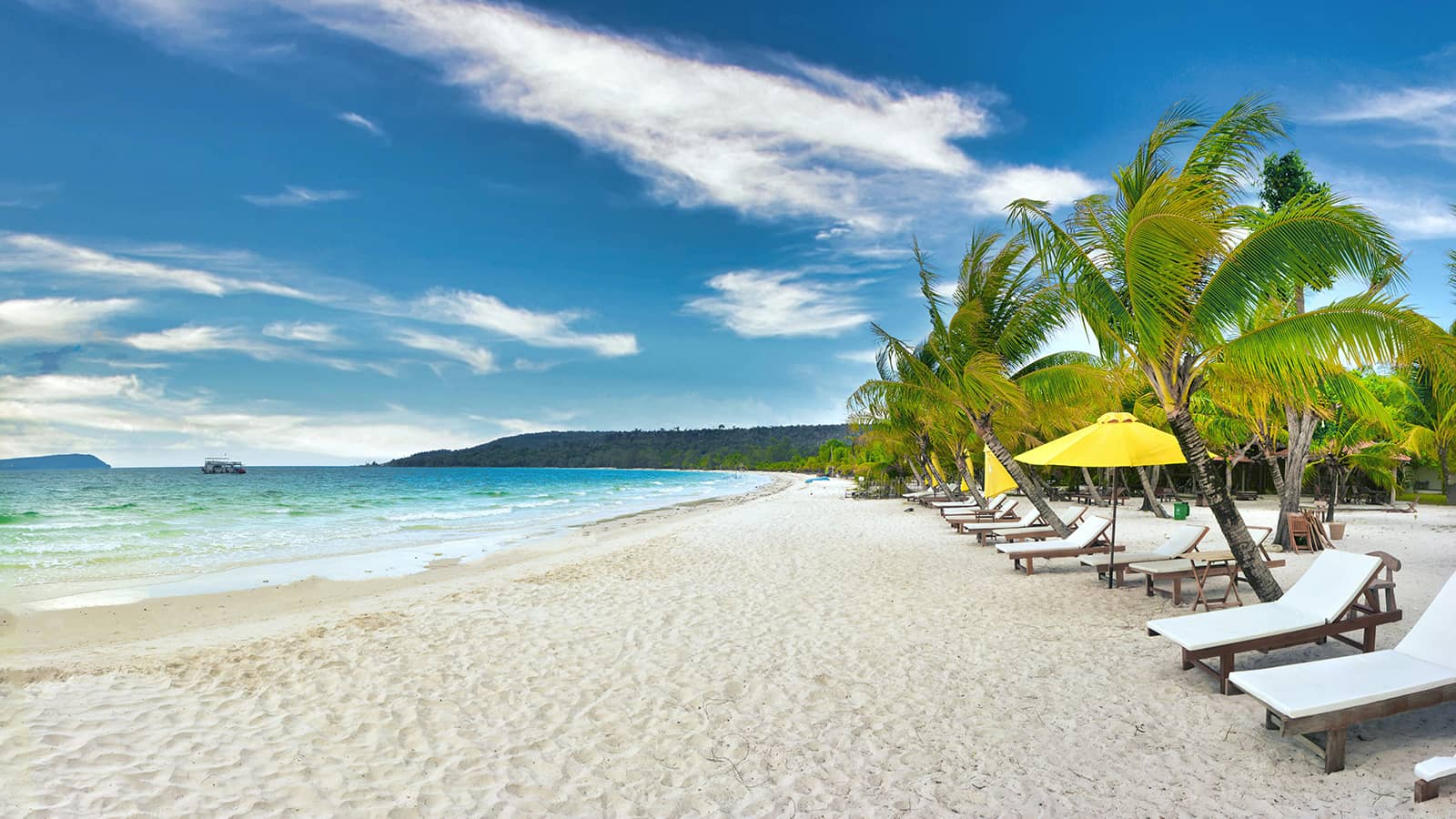
Chaweng Beach is the obvious starting point, and for good reason — most flights and ferry connections feed directly into this end of the island. Don’t dismiss it as a tourist trap. At 7am, before the beach chairs are rented out and the vendors arrive, Chaweng’s 6-kilometre stretch of white sand is genuinely beautiful. The water is warm and flat on the Gulf side, and on a clear morning the horizon sits perfectly sharp against a deep blue sky.
Spend day one simply orienting yourself. Walk the length of Chaweng Beach Road, eat at the open-air food stalls along Soi Green Mango (pad see ew for around 70 THB, fresh coconut for 40 THB), and get a feel for the island’s pace. In the afternoon, hire a scooter (around 250–350 THB per day in 2026) and explore Chaweng Noi, the smaller, quieter bay immediately south. The difference in atmosphere between the two bays is striking — Chaweng Noi attracts a more settled crowd and the water is noticeably cleaner.
Day two is for the northern end of the east coast. Mae Nam Beach, about 15 kilometres north of Chaweng, has a completely different character — shaded by casuarina trees, popular with long-stay expats, and home to some of the best cheap eats on the island. The seafood restaurants along the beach road serve grilled barracuda and green papaya salad at prices that feel almost apologetically low compared to Chaweng. Try to arrive before noon so you get the full sweep of the bay in good light.
Day 3: Ang Thong Marine National Park
This is the day trip that earns its place in every serious Koh Samui itinerary. Ang Thong Marine National Park is an archipelago of 42 limestone islands about 30 kilometres northwest of Samui, and it looks almost implausibly cinematic — emerald lagoons surrounded by sheer karst cliffs, the kind of landscape that makes you double-check whether you’re actually there. The national park entrance fee in 2026 is 300 THB for foreign visitors, and most day tours from Chaweng or Bophut piers run 1,200–1,800 THB including the fee, lunch, and snorkeling equipment.
Leave early. Tours depart between 8am and 8:30am, and the best snorkeling windows — before the afternoon chop picks up — are between 10am and noon. The hike to the viewpoint on Ko Wua Talab takes about 40 minutes each way and involves a steep, rocky path. It’s worth every step: standing at the top looking out over the scattered islands with the Gulf stretching to the horizon is one of those moments that actually matches the photographs.
A word on sea conditions: between October and December, swells can make the crossing rough and some tours are cancelled. Check the day before and have a backup plan.
Day 4: The Interior — Waterfalls, Temples, and the Real Island
Most visitors spend their entire Koh Samui trip on the coast, which means the island’s interior remains almost entirely to themselves. Day four corrects that. Start at Na Muang Waterfall 1, the most accessible of Samui’s waterfalls, about 12 kilometres south of Chaweng in the central hills. The cascade drops around 20 metres into a pool clear enough to swim in, and in the late dry season (February–April) the surrounding jungle is lush without being waterlogged. The second Na Muang falls, about a kilometre further up a rocky trail, are taller and far less visited.

From there, drive north through the interior roads — easily done by scooter or with a rented car — toward Wat Plai Laem on the north shore. This is Samui’s most visually dramatic temple: a multi-armed Guanyin statue rising from an artificial lake, surrounded by bright ceremonial decoration and resident monks in orange robes moving quietly between the buildings. Unlike Wat Phra Yai (Big Buddha), which sits right on the tourist circuit and gets crowded by 9am, Wat Plai Laem tends to be calmer and more atmospheric. Dress respectfully — shoulders and knees covered — and you’ll have a genuinely peaceful visit.
Big Buddha (Wat Phra Yai) is worth a quick stop afterward, even if it’s busy. The 12-metre golden Buddha sitting on a small island connected to the mainland by a causeway is visually arresting, and the covered market stalls along the walkway sell decent quality local cashews, dried fruit, and temple accessories. Don’t buy the bottled water here — it’s 40 THB versus 15 THB at any 7-Eleven.
Day 5: Koh Phangan Without the Full Moon Crowd
Koh Phangan’s reputation is entirely built around the Full Moon Party, which means most of the island spends most of the month being overlooked. Unless your trip deliberately coincides with the full moon (the party draws 20,000–30,000 people and prices on Phangan triple), visit Koh Phangan as a day trip to experience the island on its own quieter terms.
The Raja Ferry from Mae Nam Pier takes about 20 minutes and runs frequently from 7am (around 150 THB one way in 2026). From Thong Sala pier, rent a scooter for the day (200–250 THB) and head north. Had Yao Beach on the northwest coast is one of the most beautiful beaches in the Gulf of Thailand — long, wide, and almost empty on non-full-moon weeks. The snorkeling off the northern headland is solid. Bottle Beach (Had Khuat) on the north coast is harder to reach but rewards the effort: the only access is by longtail boat from Chalok Lam pier (about 60 THB each way), and the bay is postcard-perfect with almost nobody there.

Return to Samui on the late afternoon ferry and eat dinner at the seafood restaurants along Bophut Beach Road — the grilled whole fish with garlic and chili, served with rice and a cold Singha, is the right end to a good day.
Day 6: Lamai and the South Coast
Lamai is Koh Samui’s second major beach town, about 10 kilometres south of Chaweng, and it has a noticeably different feel. The beach itself is narrower and steeper, with rougher water — better for those who want to actually swim than for the gentle wade-and-float experience of Mae Nam. The town behind the beach is less developed than Chaweng, with a market street that still has real local grocery shops and noodle stalls alongside the tourist restaurants.
The main coastal curiosity here is Hin Ta and Hin Yai, the Grandfather and Grandmother Rocks — naturally eroded rock formations at the southern end of Lamai beach that have become an unlikely pilgrimage site. They’re geologically interesting regardless of their shape, and the surrounding viewpoint has the best free coastal view on this side of the island.
Spend the afternoon at Lamai’s weekend market (held Saturday and Sunday afternoons along the main street) for the most local shopping experience on Samui: fresh tropical fruit, handmade coconut oil soaps, grilled corn, and stalls selling the kind of practical Thai household goods that nobody is exporting to tourists. This is a good place to buy a sarong, a hat, or genuinely local snacks for the flight home.
Day 7: Bophut and Fisherman’s Village — the Right Way to End
Save Bophut for last. This is the most charming neighborhood on Koh Samui — a small strip of preserved Chinese-Thai shophouses along the seafront, converted into boutique hotels, independent coffee shops, and restaurants that actually put effort into their menus. The pace here is slow by design, and it’s the right energy for a final day.
Walk the Fisherman’s Village in the morning, when the light through the shophouse facades is warm and the coffee shops are quiet. The beach in front is calm and shallow, lined with traditional fishing longtails. Have breakfast at one of the café-restaurants overlooking the water — full Thai breakfast (khao tom, or rice soup with pork and egg) for around 80–100 THB, or proper espresso with toast at the European-style spots for around 120–150 THB.

If you’re leaving on a late flight, the Bophut Saturday Night Walking Street (held every Saturday evening from 5pm to 10pm) is the best night market on the island. It’s compact, well-organized, and genuinely local in character. Grilled seafood skewers (60–80 THB each), mango sticky rice (60 THB), fresh-squeezed juices, and live acoustic performances — the smell of charcoal smoke and sweet sticky rice drifts through the narrow street as crowds move slowly from stall to stall. Even if you’ve already seen a dozen Thai night markets, this one has a quality and intimacy that stands apart.
Where to Stay During Your 7 Days
The most practical approach is to stay in one central location — Chaweng or Bophut — and make day trips from there. If you want to experience the island’s different zones, consider a three-night/four-night split: first half in Chaweng for east coast access, second half in Bophut or Mae Nam for the north and the Ang Thong/Phangan connections.
- Budget: Guesthouses and hostels in Chaweng or Lamai, 400–700 THB per night. Fan rooms, shared bathrooms, basic but functional.
- Mid-range: Boutique hotels in Bophut or Mae Nam, 1,500–3,000 THB per night. Pool access, air conditioning, breakfast sometimes included.
- Comfortable/Luxury: Pool villas or resort hotels on the north or south coast, 5,000–15,000+ THB per night. Samui has genuine world-class resort options, particularly along the north shore between Mae Nam and Choeng Mon.
Getting Around Koh Samui in 2026
Koh Samui still has no public bus system worth relying on. Your real options in 2026 are: scooter rental, Grab (the app works island-wide now and has improved significantly since 2024), resort shuttles, and the fixed-price songthaews that circle the ring road. Grab rides from Chaweng to Bophut typically run 120–180 THB. From Chaweng to the airport, expect 200–250 THB.
Scooters remain the best value and most flexible option if you’re confident riding one. The ring road (Route 4169) is well-maintained and clearly signed. Interior roads are narrower and sometimes slippery after rain. Avoid peak traffic hours (8–9am and 5–6pm) around Chaweng where the road narrows.
For the Ang Thong and Koh Phangan day trips, ferries depart from Nathon Pier (west coast) and Mae Nam Pier (north coast) depending on the operator. Book your Ang Thong tour at least 24 hours ahead during peak season (December–March).
2026 Budget Breakdown
Koh Samui is the most expensive of the Gulf islands, but it’s still affordable by international standards. Here’s a realistic daily spend:
- Budget traveler: 1,000–1,500 THB/day — guesthouse bed, street food for all meals, scooter shared or walking, no paid attractions except park fees.
- Mid-range traveler: 2,500–4,500 THB/day — boutique hotel, mix of restaurants and street food, scooter rental or Grab, one day trip per week.
- Comfortable traveler: 7,000–15,000+ THB/day — resort or pool villa, dinner at quality restaurants (800–1,500 THB per head), private transfers, spa treatments.
Note: Samui Airport (USM) is privately operated by Bangkok Airways and charges a higher airport tax than government-run airports. Factor an extra 200–300 THB into your departure costs if flying out. Alternatively, the Surat Thani ferry + train or bus combination can cut significant cost on the exit journey.
Practical Tips for Koh Samui in 2026
Ferries and weather: The Gulf of Thailand’s wet season runs from October to December on this coast. Seas can be rough enough to suspend ferry services. If you’re planning to visit Ang Thong or Koh Phangan, build a spare day into your itinerary.
SIM cards: AIS and DTAC both offer 7-day tourist SIM packages at Samui Airport arrivals — around 299–349 THB for unlimited data. Coverage is strong across the island, including the interior roads.
Water: Don’t drink tap water. Bottled water (1.5L) costs 10–15 THB at convenience stores. Many guesthouses and hotels now offer free refill stations — check when you check in.
Tipping: Not required but appreciated. 20–50 THB for food delivery or taxi assistance, 50–100 THB for spa therapists at the end of a treatment.
Safety: Samui’s main road has a higher traffic accident rate than Bangkok streets. Rent a scooter only if you’ve ridden one before — this is not the place to learn. If in doubt, Grab is cheaper than you think and genuinely safer.
Currency: ATMs are widely available along Chaweng Beach Road and in Bophut. Most charge 220 THB foreign withdrawal fee. Use a debit card with zero FX fees where possible. Most mid-range and above restaurants and hotels accept Visa and Mastercard.
Frequently Asked Questions
Is 7 days enough time for Koh Samui?
Seven days is the ideal length for Koh Samui. It gives you time to explore the island’s distinct beach zones, complete the Ang Thong Marine Park day trip, visit Koh Phangan, and still have relaxed days for swimming and markets. Shorter trips consistently leave travelers wishing they’d stayed longer.
What is the best time of year to visit Koh Samui?
February through April is the most reliable window: low humidity, minimal rain, and calm seas for ferry travel and snorkeling. December and January are also good but busy and expensive. October and November bring the Gulf coast’s wet season — expect rain, rough seas, and some day trips to be cancelled.
How do you get around Koh Samui without a car?
Scooter rental (250–350 THB/day) is the most flexible option for experienced riders. Grab works island-wide in 2026. Songthaews circle the ring road at fixed prices. Tuk-tuks operate in Chaweng but negotiate the fare before you get in.
Is Koh Samui expensive compared to other Thai islands?
Yes, Samui is the priciest of the main Gulf islands. Accommodation, restaurants, and transport all cost more than Koh Phangan or Koh Tao. That said, street food and local markets keep budget travel very manageable. A mid-range traveler can live well on 3,000–4,000 THB per day including accommodation.
Do I need to book Ang Thong Marine Park in advance?
During peak season (December through March), yes — tours fill up several days ahead. In the shoulder months, 24 hours’ notice is usually enough. In October and November, check sea conditions first; tours are cancelled fairly regularly due to weather. Book through your guesthouse or directly at the pier to avoid middleman markups.
Explore more
15 Best Bars in Koh Samui You Can’t Miss After Dark
📷 Featured image by Dmitrii Sumar on Unsplash.