On this page
- What the Wai Actually Is (and What It Communicates Beyond “Hello”)
- Who Initiates the Wai — and Why Getting This Wrong Matters
- When NOT to Wai: Specific Situations Thai People Don’t Expect It
- How to Return a Wai Correctly (Without Looking Clueless)
- The Hierarchy Behind the Gesture — Age, Status, and the Wai’s Social Architecture
- Children, Service Staff, and Street Vendors — the Grey Zones
- 2026 Budget Reality: Navigating Gratuity and Gratitude in Modern Thailand
- Frequently Asked Questions
Most travel guides tell you to wai everyone you meet in Thailand and leave it there. That advice is well-meaning but incomplete — and in practice, it creates exactly the kind of awkward moment it was meant to prevent. A foreigner wai-ing a cashier at 7-Eleven, or dropping into a deep bow for a motorbike taxi driver, doesn’t come across as respectful. It reads as theatrical. Thai people notice, and while they’re far too polite to say anything, the gesture lands somewhere between endearing and confusing. In 2026, with Thailand hosting over 40 million international visitors annually, Thai people are well-practised at navigating cultural gaps — but that doesn’t mean nuance no longer matters.
What the Wai Actually Is (and What It Communicates Beyond “Hello”)
The wai (ไหว้) is performed by pressing your palms together in front of your body — like a prayer position — and lowering your head slightly toward your hands. The higher your hands and the deeper your bow, the more respect you’re expressing. It’s the physical language of deference, gratitude, apology, and greeting all rolled into one gesture.
But the wai is not simply a Thai version of waving hello. It carries social weight. When a young Thai employee wai-s their manager walking into the office, they’re acknowledging a hierarchy. When someone wai-s at a spirit house or Buddha image, they’re performing an act of reverence that has nothing to do with greeting another person. When a shopkeeper wai-s a customer after completing a transaction, they’re expressing genuine gratitude — not just being polite.
Understanding this range is the first step to using it correctly. The gesture means different things depending on who is doing it, who is receiving it, and the social distance between them.
Who Initiates the Wai — and Why Getting This Wrong Matters
In Thai social structure, the person of lower status always wai-s first. A younger person wai-s an older person before being wai-d back. A student wai-s a teacher. An employee wai-s a senior colleague. A customer is rarely expected to initiate the wai — the service provider typically does it first as an expression of welcome and gratitude.
This matters for foreign visitors because it means you are almost never the one who should be initiating. When you walk into a hotel lobby and the reception staff press their palms together and dip their heads, that’s your cue to respond. When a monk passes by, you may wai first — monks occupy a position of spiritual authority that transcends age-based hierarchy. But in most everyday commercial or social interactions, waiting to respond is usually the right call.
Initiating a wai toward someone of clearly higher social standing before they’ve acknowledged you can feel presumptuous in Thai social logic. And initiating toward someone of lower status — say, a shop assistant or parking attendant — puts them in a slightly awkward position, because social convention expects them to return it at a deeper angle, which you’ve now inadvertently demanded of them.
When NOT to Wai: Specific Situations Thai People Don’t Expect It
This is the section most travel guides skip entirely. There are clear situations where wai-ing is unnecessary, odd, or even slightly disruptive to the natural flow of interaction.
- Convenience store cashiers and fast-food counter staff: A 7-Eleven cashier handing you change is not expecting a wai. A brief smile or nod is perfectly appropriate. Wai-ing in this context tends to slow down the transaction and create mild confusion.
- Tuk-tuk and motorbike taxi drivers: Friendly interaction, yes. A wai from a foreign tourist, especially if the driver is young, puts them in an unclear social position. A smile and a genuine “khop khun krap/ka” (thank you) is more natural.
- Someone whose hands are full: If a person is carrying bags, plates, or equipment, do not wai. They physically cannot return it properly, and you’ve created a moment of social awkwardness. Acknowledge them verbally instead.
- Children: Thai adults do not wai children unless the child is in a formal ritual context, such as being ordained as a novice monk. If a child wai-s you (as many will, especially in schools or rural areas), a gentle smile and a very slight nod is the right response — not a full wai in return.
- During active physical tasks: If someone is cooking, driving, or mid-conversation with someone else, don’t interrupt with a wai. Wait for a natural pause, or simply let the moment pass.
- Very casual settings among peers: Young Thais interacting with foreign visitors of similar age in a bar, beach, or social setting often don’t wai each other at all. In these peer-level social environments, a handshake or just a nod has become common, particularly in cities.
How to Return a Wai Correctly (Without Looking Clueless)
Returning a wai is where most visitors get tripped up. The reflex is to mirror exactly what the other person did — hands at the same height, same depth of bow. But this ignores the hierarchy the other person just expressed through their gesture.
When a service worker, hotel receptionist, or restaurant host wai-s you, you don’t need to match their depth. A gentle return wai with hands around chest height and a slight bow is entirely appropriate. You’re acknowledging the gesture without disrupting the social dynamic they’ve established.
For monks, the protocol is different. A monk will not wai you back — monks do not return the wai of laypeople. If you wai a monk, hold it respectfully and don’t wait for reciprocation. The same applies to Buddha images and sacred objects: you wai them; they don’t wai back.
Older Thais who wai you — which can happen when you’ve shown them particular kindness — deserve a return wai at roughly the same level or slightly lower, as a sign of mutual respect. This is one of the warmest exchanges you’ll experience in the country.
The Hierarchy Behind the Gesture — Age, Status, and the Wai’s Social Architecture
Thai society is built on a concept called kreng jai — a deep awareness of others’ feelings and a reluctance to cause discomfort. The wai is one of the most visible expressions of this. Its hierarchy reflects a broader social architecture where age, professional status, religious standing, and royal connection all carry distinct weight.
Buddhist monks sit at the top of the everyday wai hierarchy. The deeper and more formal the wai — hands near the forehead, deep bow — the more profound the respect being shown. You’ll see this at temples: laypeople pressing their foreheads close to their palms while monks receive the greeting without returning it.
Teachers (ajarn) also command deep wai-s in Thai culture, as does anyone significantly older. In Thai schools, the morning assembly includes students wai-ing their teachers in a formalised, collective gesture that speaks to how embedded this hierarchy is from childhood.
The royal family sits above everyday wai hierarchy entirely. In the presence of royal family members or their representatives, Thais traditionally prostrate. Lèse-majesté laws in Thailand are strictly enforced — expressing disrespect toward the monarchy in any form carries serious legal consequences. This is not a casual cultural preference; it’s embedded in law.
Children, Service Staff, and Street Vendors — the Grey Zones
Three groups tend to create the most confusion for foreign visitors.
Children are taught to wai adults as a mark of respect. If a child wai-s you on the street or in a family home, a warm smile is the natural response. Wai-ing back to a child is not offensive, but it’s culturally unusual — like an adult bowing to a toddler. A gentle hand on their head (in a family setting where you know the child) is a sign of affection, though this should never be done to children you don’t know.
Service staff in tourist-facing roles have adapted. A hotel concierge wai-ing you on arrival expects a return gesture of some kind — even a small one. Street food vendors and market sellers occupy a more fluid space. They may wai after a purchase as a thank-you, particularly older vendors. A nod and a smile works fine, but a small return wai is never wrong here.
Tipping and the wai sometimes intersect awkwardly. Handing someone a tip while wai-ing creates a physical problem — you can’t really do both at once. Tip first, then offer a small wai or a verbal thank-you. This is more graceful than trying to combine gestures.
2026 Budget Reality: Navigating Gratuity and Gratitude in Modern Thailand
Thailand does not have a fixed tipping culture the way Western countries do, but gratuity has become more expected in tourist-heavy areas by 2026. Understanding when to tip versus when to wai (and when both are appropriate) is a practical skill.
- Budget travellers (hostels, street food, local transport): Tipping is rare and not expected. A genuine wai or verbal thank-you after a meal — especially if the food was genuinely excellent — means more than loose change. Street food meals typically run 50–100 THB per dish.
- Mid-range (guesthouses, casual restaurants, day tours): A 20–50 THB tip per person at restaurants is increasingly common in 2026, particularly in Chiang Mai, Phuket, and Bangkok’s tourist districts. A wai to the server when leaving is a warm gesture that many will appreciate.
- Comfortable (boutique hotels, spa treatments, guided experiences): Tipping 100–200 THB for spa staff or private guides is standard. The staff will almost certainly wai you as you leave; a sincere return wai here carries genuine warmth and is remembered.
Hotel service charges (often 10% service + 7% VAT) are now standard at mid-range and above properties, so the wai at checkout is often the most meaningful gesture you can offer beyond what’s already been included in your bill.
Frequently Asked Questions
Do I have to wai in Thailand as a foreign visitor?
No, you’re not obligated to wai. Thai people don’t expect tourists to follow every protocol perfectly. A genuine smile goes a long way. That said, learning to return a wai correctly — rather than initiating randomly — will earn you quiet respect from the people you interact with throughout your trip.
Is it rude not to wai back when someone wai-s me?
In most tourist-facing situations, a smile and a nod is accepted. However, if an older Thai person or a monk wai-s you (rare for monks), failing to respond at all can feel dismissive. A small gesture — even a slight bow with your hands together — acknowledges the exchange and shows cultural awareness.
Can I wai at Buddhist temples as a non-Buddhist?
Yes, and it’s encouraged. Wai-ing at Buddha images and shrines is an act of respect, not a declaration of religious faith. Remove your shoes, dress modestly (shoulders and knees covered), and offer a wai at the altar. Thai Buddhists will appreciate the sincerity, regardless of your personal beliefs.
Has the wai etiquette changed in modern Thai cities?
In Bangkok and other major cities, younger Thais in professional or social settings sometimes skip the wai in favour of a handshake or even a brief nod, particularly in international business contexts. By 2026, this is common in co-working spaces, international offices, and upscale social settings. Traditional wai etiquette remains intact in temples, family gatherings, and formal situations.
What’s the difference between a wai and a prayer gesture?
The physical form is similar — palms pressed together — but context is everything. A wai directed at a person is a social greeting or expression of respect. The same gesture directed at a Buddha image, spirit house, or sacred object is a form of devotion or prayer. Thai people are highly aware of this distinction in their own behaviour.
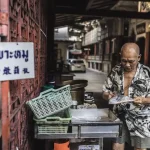
📷 Featured image by Dani Aláez on Unsplash.