On this page
- Understanding Krabi’s Two Seasons
- Month-by-Month Breakdown
- The Dry Season in Detail (November–April)
- The Green Season in Detail (May–October)
- Best Time for Specific Activities
- Festivals and Events Worth Timing Around
- 2026 Budget Reality by Season
- Shoulder Season Sweet Spots
- Practical Weather Tips for Krabi
- Frequently Asked Questions
💰 Click here to see Thailand Budget Breakdown
💰 Prices updated: October, 2026. Budget figures are estimates — always verify before travel.
Exchange Rate: $1 USD = ฿33.60
Daily Budget (per person)
Shoestring: ฿900.00 – ฿1,800.00 ($26.79 – $53.57)
Mid-range: ฿2,150.00 – ฿4,000.00 ($63.99 – $119.05)
Comfortable: ฿6,000.00 – ฿12,000.00 ($178.57 – $357.14)
Accommodation (per night)
Hostel/guesthouse: ฿90.00 – ฿750.00 ($2.68 – $22.32)
Mid-range hotel: ฿1,400.00 – ฿3,500.00 ($41.67 – $104.17)
Food (per meal)
Budget meal: ฿70.00 ($2.08)
Mid-range meal: ฿250.00 ($7.44)
Upscale meal: ฿1,000.00 ($29.76)
Transport
Single metro/bus trip: ฿30.00 ($0.89)
Monthly transport pass: ฿1,155.00 ($34.38)
Krabi gets it wrong for a lot of travelers in 2026 — not because the destination disappoints, but because they arrive at the wrong time. The province spans over 150 islands, dramatic limestone karsts, and some of Thailand‘s most photographed beaches, but its weather splits sharply in two. Come during the wrong window and you’ll face rough seas, closed boat tours, and hotels slashing prices for a reason. Come at the right time for your priorities and Krabi delivers exactly what the Instagram posts promised — warm turquoise water, clear skies, and beaches you genuinely don’t want to leave.
Understanding Krabi’s Two Seasons
Krabi sits on the Andaman Coast, which means it follows the Andaman weather system — not the Gulf of Thailand calendar that governs Koh Samui or Pattaya. This distinction trips up more travelers than anything else. The two coasts have almost opposite weather patterns, so advice about “the best time to visit Thailand” rarely applies directly to Krabi.
The dry season runs roughly November through April. The southwest monsoon retreats, the Andaman Sea settles, and you get the reliable sunshine and calm waters that fill Krabi’s brochures. The wet season — locally called the green season — runs from May through October, driven by the southwest monsoon pushing moisture and swell into the Andaman coast.
What those labels don’t tell you: “wet season” in Krabi doesn’t mean constant all-day rain. In most years, rain arrives in heavy but short bursts, often in the late afternoon or overnight. You can still have beautiful mornings in June or September. The real issue is sea conditions. During the monsoon, waves on the outer Andaman can reach 3–4 metres, ferries to some islands get suspended, and tour operators pull their boats. Rain you can work around. Cancelled island-hopping tours are harder to accept when that’s the reason you came.
Month-by-Month Breakdown
November
November is the transition month. The tail end of the monsoon still lingers through the first two weeks, but by mid-November the sea calms noticeably and skies begin to clear for stretches of two and three days at a time. Accommodation prices start rising from the 15th onward. This is genuinely one of the best windows for savvy travelers — the water is still warm from months of tropical sun, crowds are thin compared to December, and you’ll pay 20–30% less for the same hotels that spike in high season.
December
Full dry season kicks in. Skies are reliably clear, the Andaman is calm enough for snorkeling at the Four Islands and overnight trips to Koh Lanta. Temperatures hover around 30–32°C. The price and crowd penalty is real — Railay Beach and Ao Nang fill up fast, and prices at popular resorts can jump 60–80% over their low-season rates. The week between Christmas and New Year is the single most crowded week of the Krabi calendar.
January
The peak of peak season. Dry, sunny, calm seas, and maximum tourist density. Phi Phi and the Four Islands tours leave Ao Nang pier packed with boats. If you want certainty of good weather and are comfortable with crowds and high prices, this is reliable. Solo travelers and couples who book well in advance tend to enjoy January most — families often find it overwhelming.
February
Slightly less crowded than January. Weather remains excellent. Chinese New Year (dates shift annually, but often falls in January or February) brings a wave of visitors from China and Taiwan. Diving visibility around Hin Daeng and Hin Muang — roughly 60 kilometres southwest of Krabi — peaks in February and March, reaching 20–30 metres on good days.

March
Still firmly dry season but heat builds. Afternoon temperatures regularly hit 35°C. The air gets hazy in some years due to agricultural burning further north and inland. Sea conditions remain ideal. Crowds begin thinning slightly from mid-March as European school holidays end. March offers a reasonable balance of good weather without the extreme December–January peak.
April
The last month of dry season and arguably one of the most interesting for cultural travelers. Songkran — the Thai New Year water festival — runs April 13–15, and Krabi Town celebrates with genuine enthusiasm. Markets, street food, water fights along Maharaj Road. After Songkran, April becomes hot, sometimes uncomfortably so, and humidity begins creeping back. The sea stays calm but the beaches feel heavier. This is also when prices drop again as high season officially ends.
May
The monsoon arrives. May is transitional — some days are beautiful, others bring heavy swells. Many tour operators running outer-island trips start reducing schedules. Hotels drop prices significantly. Backpackers and budget-conscious travelers who don’t mind adjusting plans day-to-day often do well in May. Some beaches accessible by longtail from Ao Nang may see suspended service.
June through August
The heart of monsoon season. Sea conditions are frequently rough, with wave heights making Phi Phi Day Trips uncomfortable or impossible. Railay Beach is still accessible — it’s close to shore — but the dramatic outer islands aren’t. What June, July, and August do offer: extremely lush, intensely green limestone scenery, quiet beaches, and hotel rates at their lowest. Rock climbing on the karst walls remains excellent since rain doesn’t stop the sport the way it stops boat tours. Many long-term visitors prefer this period precisely for the absence of crowds.

September and October
These are statistically Krabi’s wettest months. Rainfall totals peak, and multi-day rain events are possible. The upside: Krabi Town’s mangrove kayaking tours along the Krabi River remain fully operational since they’re in sheltered water. Tiger Cave Temple and the inland national parks are strikingly beautiful in this condition — damp, misty, vibrantly alive. For travelers focused on cultural and inland experiences rather than beaches, September and October are underrated. Island access is genuinely limited, though.
October begins to show the first signs of clearing by its final week. The Loy Krathong festival — typically falling on the full moon of the 12th lunar month, usually November but occasionally late October — is worth planning around if it falls in this window. Floating krathong (lotus-shaped vessels with candles) on the Krabi River at night, smoke drifting off incense through the humid air, is an experience that feels entirely removed from the resort-strip version of Krabi.
The Dry Season in Detail (November–April)
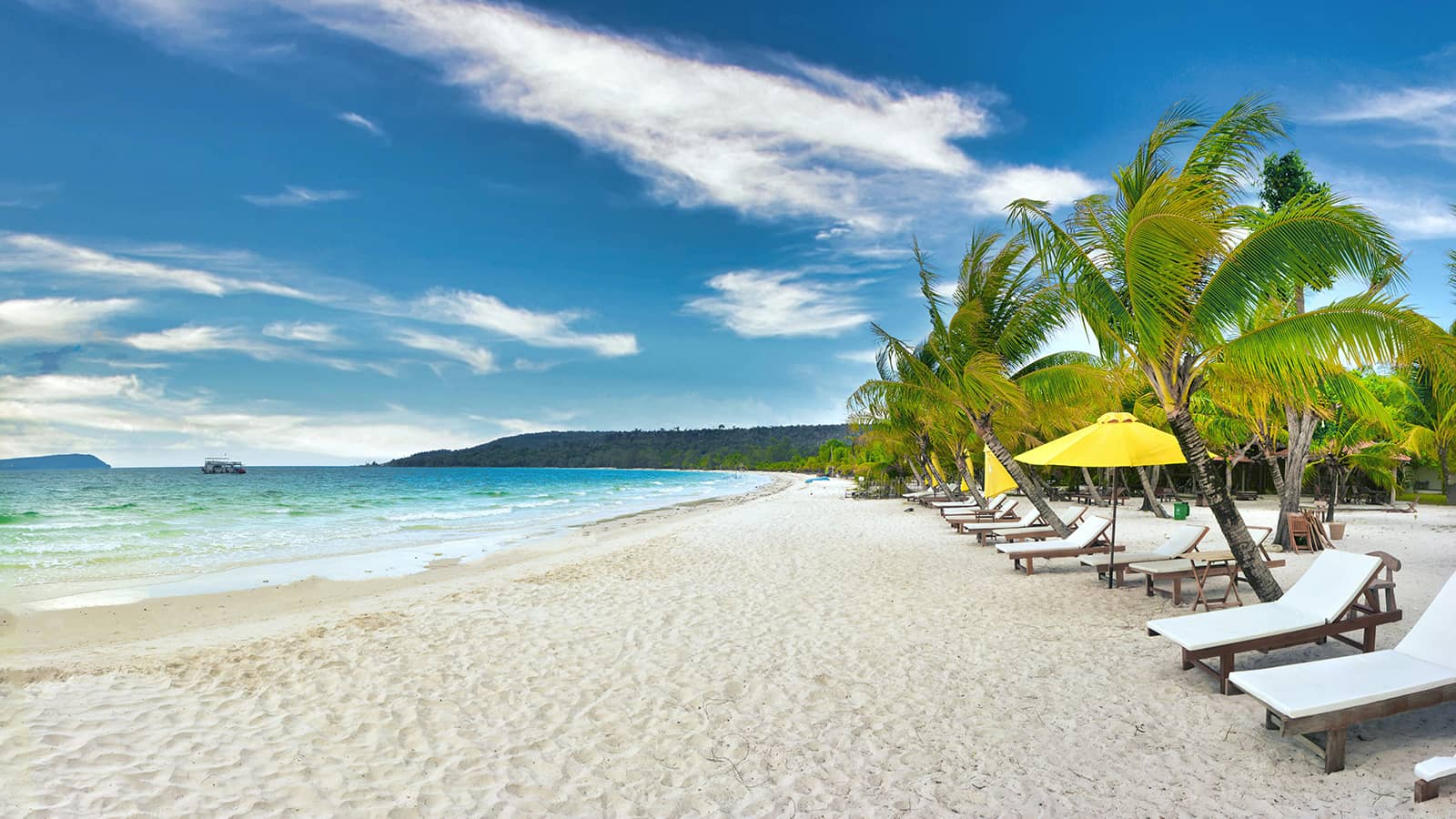
The dry season is the version of Krabi that fills travel magazines. The Andaman sits flat and clear. Longtail boats cut across water so still you can see your own reflection from the bow. Snorkeling at Phra Nang Cave Beach means floating over coral gardens in water so transparent that fish seem suspended in air rather than sea. The smell of reef-safe sunscreen mixes with salty breeze at Ao Nang’s beach bars as afternoon turns golden.
Key practical realities for dry season 2026:
- Book accommodation early — the best guesthouses in Railay fill 3–4 months ahead for December and January
- Early morning tours are now the norm for serious snorkeling — operators increasingly leave at 7:30am to reach sites before afternoon speedboat congestion
- Phi Phi day trips from Krabi now require advance booking online; walk-up pier prices exist but legitimate licensed boats get snapped up by noon the day before
- The new Krabi International Airport Terminal 2, which opened in late 2025, has improved arrival flow significantly, but December and January still see customs queues running 45–60 minutes on peak arrival days

Who the dry season suits best: first-time visitors, families with children, couples on honeymoon or anniversary trips, and anyone whose primary goal is beach and water activities.
The Green Season in Detail (May–October)
The green season is Krabi for travelers who want a different experience — and a different budget. Accommodation rates drop 30–50% across most categories. The tourist volume thins to a point where you can actually have a section of Railay Beach to yourself on a Tuesday morning. The landscape transforms — every surface of the karst towers goes saturated green, waterfalls run strong, and the national parks feel alive in a way they don’t during the brown-dry heat of March.
Honest limitations for the green season:
- Outer island tours (Phi Phi, Bamboo Island, Koh Rok) are frequently cancelled or suspended, sometimes for multiple consecutive days
- Some smaller guesthouses on Railay and Koh Lanta partially close, reducing options at that end of the market
- Travel insurance becomes more important — having coverage for activity cancellations due to weather is worth reading the fine print on before you leave home
- Jellyfish presence increases in some areas from June onward; ask at your hotel about current conditions before swimming
Who the green season suits best: rock climbers (dry rock faces are not required since the sport continues in rain with proper equipment), kayakers exploring sheltered mangroves, photographers chasing dramatic storm-light over the karsts, digital nomads who want long-stay affordability, and repeat visitors who’ve already done the full island-hopping circuit.

Best Time for Specific Activities
Rock Climbing
Krabi is one of Asia’s premier rock climbing destinations, with over 700 bolted routes on the limestone faces around Railay and Tonsai. Climbing runs year-round, but the optimal window is November through March when dry rock and lower humidity make multi-pitch routes more manageable. During wet season, morning climbing windows before afternoon rain are common and many routes stay dry under limestone overhangs.
Island Hopping and Snorkeling
Strictly November through April for the full range of options. The Four Islands tour, Phi Phi Leh’s Maya Bay, Koh Rok, and the dive sites at Hin Daeng all require calm Andaman conditions. May can occasionally allow closer islands on calm days, but is unreliable.
Kayaking and Mangrove Tours
Year-round, but particularly rewarding in the green season. Sea kayaking along the Krabi River estuary and through the mangrove tunnels near Than Bok Khorani National Park operates even during monsoon because it uses sheltered, inland waterways. The landscape is more dramatic post-rain.
Scuba Diving
February and March offer peak visibility at the best sites. Hin Daeng and Hin Muang are live-aboard destinations accessed from Krabi and best done in these months. Closer sites like Shark Point and the King Cruiser Wreck (also accessible from Phuket, roughly 90 kilometres north) are diveable November through April.
Tiger Cave Temple Sunrise Hike
The 1,237-step climb to the summit viewpoint is best in the cool dry months — December through February specifically. Attempting the climb in April or during wet season means arriving at the top drenched in sweat rather than morning light. Start before 6:00am regardless of month.
Festivals and Events Worth Timing Around
Songkran (April 13–15)
Krabi Town’s Songkran is more authentic and less commercialized than Phuket or Bangkok’s version. The main street celebrations along Maharaj and Utarakit roads turn into full water battles by mid-morning. Locals participate enthusiastically. If you’re renting a motorbike during this period, accept that you will arrive soaked everywhere.

Loy Krathong (November Full Moon)
In 2026, Loy Krathong falls on November 1st. Krabi Town’s celebration on the riverside is genuinely moving — hundreds of small candlelit floats released into the Krabi River as the sky fills with khom fai (paper lanterns). The ceremony runs from around 7:00pm to midnight. Ao Nang has a beach version that’s more tourist-oriented but still visually spectacular.
Krabi Half Marathon
Held annually in January, the race routes through Ao Nang and the coastal road toward Noppharat Thara Beach. In 2026, registration opened in October and sold out within three weeks — sign up early if this interests you. Runners report the course is scenic but hot even at the 5:00am start time.
Vegetarian Festival (October)
The Nine Emperor Gods Festival — celebrated intensely in Phuket — has a quieter but genuine presence in Krabi Town’s Chinese community. Street stalls serving jay (vegan Thai food) appear along the town’s market streets for nine days. Worth experiencing if you’re in the area.
2026 Budget Reality by Season
Prices in Krabi have adjusted upward in 2026, particularly following infrastructure improvements and increased operating costs for licensed tour operators after the 2025 marine safety regulation updates.
Accommodation (per night)
- Budget (guesthouses, fan rooms, hostels): THB 350–900 in green season / THB 700–1,800 in dry season peak
- Mid-range (bungalow resorts, 3-star hotels with pool): THB 1,200–2,800 in green season / THB 2,500–5,500 in dry season peak
- Comfortable/luxury (4–5 star, private pool villas): THB 4,500–9,000 in green season / THB 9,000–22,000+ in dry season peak
Tours
- Four Islands day trip (longtail boat): THB 800–1,200 per person, year-round when running
- Phi Phi speedboat day trip: THB 1,400–2,200 per person (dry season only for reliable access)
- Rock climbing half-day with instructor: THB 1,200–1,800, year-round
- Mangrove kayak tour (guided, half-day): THB 700–1,100, year-round
- Liveaboard diving (2 nights, Hin Daeng): THB 9,500–14,000, February–April

Daily Living Costs
- Budget traveler (street food, guesthouse, shared transport): THB 900–1,500/day
- Mid-range (restaurant meals, mid-tier hotel, one paid activity): THB 2,500–4,500/day
- Comfortable (resort, private tours, restaurant dining): THB 7,000–15,000+/day
Shoulder Season Sweet Spots
If you want the honest answer to “when is the best time to visit Krabi,” the real answer for most travelers is mid-November to early December or late March to mid-April. These windows sit outside peak pricing, inside reliable dry-season weather, and offer a version of Krabi that’s recognizably the one in the photos without the December–January crowd saturation.
Mid-November specifically has become more popular with experienced Andaman travelers over the past two years as word spread about the weather-price balance. Expect that by 2027 this window may see higher prices as it gets more widely recognised.
The other shoulder that deserves mention: late October into early November for travelers willing to accept some weather risk. The monsoon retreats unevenly, and some years late October gives you three or four consecutive beautiful days with empty beaches and green-season prices. Check the 10-day forecast and book refundable accommodation if you want to gamble on this window.
Practical Weather Tips for Krabi
What to Pack by Season
Dry season (November–April): reef-safe sunscreen is non-negotiable — SPF 50 minimum for water activities, and Krabi’s marine parks have enforced chemical sunscreen bans at certain sites since 2025. Lightweight linen or cotton clothes, a light layer for air-conditioned restaurants and transport. Water shoes are genuinely useful for rocky beach landings from longtail boats.
Green season (May–October): a packable waterproof jacket is worth its weight. Not a heavy rain poncho — a light, packable shell. Sandals that drain fast. Dry bags for electronics if you’re doing any kayaking or boat travel. Flip-flops are fine for most daily movement but won’t help on wet limestone trails.

Weather Apps That Work for Krabi
Windy.com remains the most accurate tool for Andaman sea state forecasting — use the wave height layer set to ECMWF model for the most reliable 3-day outlook. Weather Underground has local station data from Krabi Airport (station ID: IKRABI). AccuWeather and Google Weather both tend to underestimate rainfall in the green season — locals and long-stay expats don’t use them for planning boat trips.
Handling Rain When It Arrives
A heavy afternoon downpour in Krabi lasts 20–45 minutes in most cases during the shoulder months. The pragmatic move is to time any open-air activity for morning, take lunch or a coffee break around the typical storm window (2:00pm–4:00pm), and resume afterward. This approach works well from May through October for anyone willing to adapt their schedule day-by-day rather than pre-booking every hour.
Temperature Context
Krabi’s temperature range is actually quite narrow year-round. Dry season averages 30–33°C. Wet season averages 27–30°C. The real variation is humidity — wet season humidity sits around 85–90% which makes 28°C feel oppressive in direct sun. The heat index (feels-like temperature) is the more relevant number to track than the raw temperature, particularly for anyone with children or elderly family members traveling with you.
Frequently Asked Questions
What is the best month to visit Krabi for good weather and fewer crowds?
Mid-November to early December offers the strongest balance. The dry season has just started, seas are calm enough for island tours, and crowds haven’t reached the December–January peak yet. Prices are roughly 20–30% lower than peak rates. Late March achieves a similar balance at the other end of dry season.

Is Krabi worth visiting during the rainy season?
Yes, depending on your priorities. If island hopping and snorkeling are your main reasons for visiting, the rainy season (May–October) will frustrate you with frequent tour cancellations. If you’re interested in rock climbing, kayaking sheltered waterways, hiking, or simply experiencing Krabi at a fraction of the cost with far fewer tourists, the green season is genuinely rewarding.
How rough is the sea in Krabi during monsoon season?
Significantly rough on the outer Andaman. Wave heights of 2–4 metres are common in June through August. Most reputable boat operators cancel Phi Phi and outer-island tours during this period. Railay Beach remains accessible by longtail from Ao Nang Pier even in moderate conditions since the crossing is short and sheltered by headland.
What is the hottest month in Krabi?
April is consistently Krabi’s hottest month, with afternoon temperatures regularly reaching 35–37°C and humidity building ahead of the monsoon. The heat index can push above 40°C in direct midday sun. Even in peak dry season, mornings and evenings are significantly cooler and more comfortable for outdoor activities and beach time.
Does Krabi ever get cold?
No. Even at its coolest — typically January nights — temperatures in Krabi rarely drop below 22°C. Locals wear light jackets below 25°C, which can seem puzzling to visitors from colder climates. Air-conditioned hotels, restaurants, and transport can feel chilly if you’re spending long periods indoors, so a light layer is worth packing regardless of when you visit.
Explore more
What to Buy in Krabi: Top Souvenirs & Unique Gifts to Bring Home
Your Ultimate Guide to Local Transport in Krabi: Boats, Bikes & Baht Buses
Krabi Street Food: Your Essential Guide to Local Flavors
📷 Featured image by Callous Gee on Unsplash.