On this page
- Mae Hong Son — Thailand’s Most Isolated Mountain Town
- Trang — The South’s Best-Kept Culinary and Coastal Secret
- Loei — Where Thailand Feels Like Another Country
- Phetchaburi — The Royal Town an Hour from Bangkok Nobody Visits
- Nakhon Si Thammarat — Deep South Culture Without the Tourist Infrastructure
- Day Trip or Overnight? Planning Your Visit to These Destinations
- 2026 Budget Reality — What These Underrated Destinations Actually Cost
- Frequently Asked Questions
💰 Click here to see Thailand Budget Breakdown
💰 Prices updated: October, 2026. Budget figures are estimates — always verify before travel.
Exchange Rate: $1 USD = ฿33.60
Daily Budget (per person)
Shoestring: ฿900.00 – ฿1,800.00 ($26.79 – $53.57)
Mid-range: ฿2,150.00 – ฿4,000.00 ($63.99 – $119.05)
Comfortable: ฿6,000.00 – ฿12,000.00 ($178.57 – $357.14)
Accommodation (per night)
Hostel/guesthouse: ฿90.00 – ฿750.00 ($2.68 – $22.32)
Mid-range hotel: ฿1,400.00 – ฿3,500.00 ($41.67 – $104.17)
Food (per meal)
Budget meal: ฿70.00 ($2.08)
Mid-range meal: ฿250.00 ($7.44)
Upscale meal: ฿1,000.00 ($29.76)
Transport
Single metro/bus trip: ฿30.00 ($0.89)
Monthly transport pass: ฿1,155.00 ($34.38)
Thailand’s most famous destinations are struggling. In 2026, Phuket beaches are managing visitor caps, Chiang Mai’s Old City guesthouses are booked months ahead during cool season, and Koh Samui is dealing with a plastic waste crisis that made international headlines last year. Travelers who planned their trip expecting those postcard moments are arriving to find crowds, inflated prices, and an experience that feels manufactured. The good news: Thailand is enormous, and most of it sits quietly waiting for visitors who care to look past the obvious.
Mae Hong Son — Thailand’s Most Isolated Mountain Town
Sitting in a narrow valley flanked by forested mountains just 13 kilometres from the Myanmar border, Mae Hong Son is the kind of place where mornings feel genuinely different. At dawn, a thick white mist rolls off Chong Kham Lake and swallows the twin pagodas of Wat Chong Kham whole — you can stand on the wooden walkway and hear monks chanting before you can see them through the fog. That experience alone justifies the journey.
The town itself is small enough to walk end to end in 20 minutes. The market near the lake sells grilled corn, shan noodle soup, and tofu fermented the way only this corner of Thailand does it. The surrounding hills are home to Shan, Karen, and Lahu communities, and homestay programs run through local NGOs offer stays that are genuinely community-led — not the performative “ethnic tourism” you find closer to Chiang Mai.
Getting here is part of the adventure. The road from Chiang Mai via the Mae Hong Son loop covers 1,864 kilometres of mountain switchbacks. Most travelers fly — Kan Air operates daily 35-minute flights from Chiang Mai for around 1,800–2,500 THB one way. By bus, the northern route through Pai takes six to seven hours. There are no direct flights from Bangkok.
Trang — The South’s Best-Kept Culinary and Coastal Secret
Trang sits on the Andaman coast between Krabi and Satun, and it has somehow resisted the resort development that consumed both of its neighbors. The town’s identity is stubbornly local — it’s a place where the Chinese-Thai merchant community still runs century-old coffee shops and the morning dim sum scene is so embedded in daily life that locals think nothing of eating five small dishes before 9am.
The food here is the real draw before you even get to the beaches. Trang-style roast pork — moo yang — is crispy-skinned and fatty in the way that restaurant chains can’t replicate, served with a sour dipping sauce and eaten with rice congee at open-fronted shophouses along Thanon Ratsada. The khanom jeen nam ya, fish curry poured over rice noodles, has a depth that comes from slow-fermented fish paste made locally.
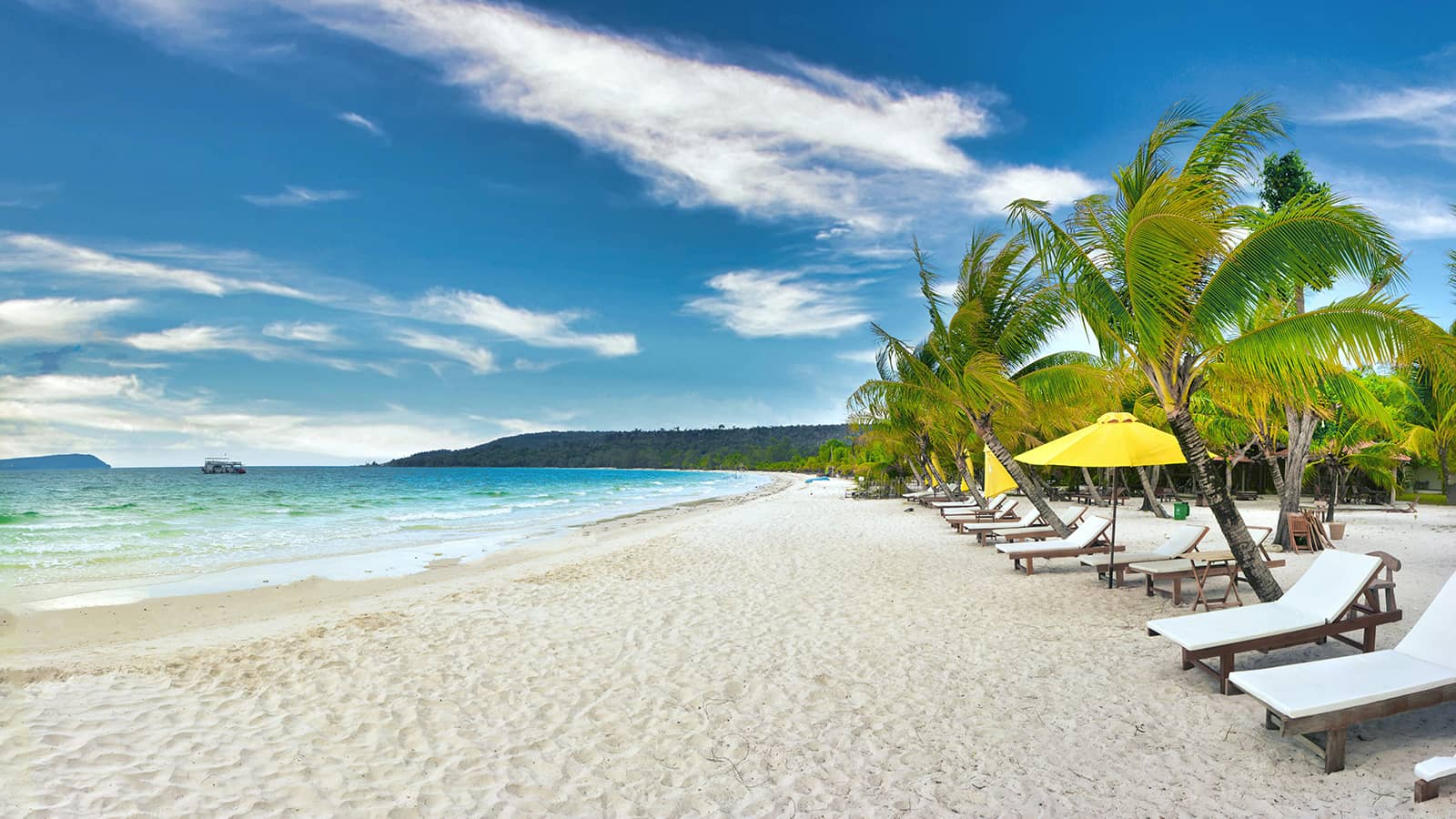
The coast, reached by longtail from Pak Meng pier, includes Hat Chao Mai National Park and a scattering of islands — Koh Mook, Koh Kradan, Koh Libong — that remain genuinely quiet. Koh Libong in particular is known for dugong sightings in the seagrass shallows, a conservation project that limits visitor numbers intentionally. Ferries from Trang town cost 150–250 THB depending on the island.
Loei — Where Thailand Feels Like Another Country
Loei Province in the upper northeast borders Laos along the Mekong, and the landscape here — pine forests, sandstone cliffs, rolling hills that turn gold in winter — looks nothing like the Thailand most visitors expect. In December and January, temperatures drop to 0°C on the peaks of Phu Kradueng and Phu Rua, and locals dig out actual winter coats.
Phu Kradueng National Park is the headline attraction: a plateau at 1,316 metres accessible only on foot via a steep 9-kilometre trail. The park bans overnight visitors from June to September. In the cool season, the plateau’s meadows and cliff-edge viewpoints reward the climb immediately. The 2025 park fee revision set the entrance at 300 THB for foreign visitors, with camping available for 30 THB per night.
Chiang Khan, a small riverside town in Loei Province, became briefly popular around 2018 but has settled back into a quieter rhythm. The wooden shophouse street along the Mekong is genuinely old, not reconstructed, and the morning alms-giving ritual here draws actual community participation — not tourist photography choreography. Noodle soup eaten riverside at 7am while watching fishing boats cross to Laos is one of those uncomplicated pleasures that’s hard to articulate until you’re doing it.
Phetchaburi — The Royal Town an Hour from Bangkok Nobody Visits
Phetchaburi sits 160 kilometres south of Bangkok — roughly 90 minutes by train from Hua Lamphong — and contains five significant historical temples, a hilltop palace built by Rama IV, and a cave temple system lit by natural skylights. It also has almost no foreign tourist infrastructure, which means prices are local, crowds are local, and the experience is entirely unfiltered.
Khao Wang, the hill palace, takes about 40 minutes to explore properly and costs 150 THB entry for foreigners. The views over the coastal plain are wide and flat — not dramatic, but honest in the way that genuinely old places tend to be. The cave temple Tham Khao Luang houses a revered Buddha image and a shaft of light that drops through the cave ceiling at certain hours of the day, illuminating the gilded statue from above in a way that photographers have been chasing for decades.
The town’s markets sell palm sugar candy — Phetchaburi is Thailand’s palm sugar capital — and the local khanom mor gaeng (baked egg custard tart) is significantly better here than the tourist-market versions sold in Bangkok. Day trips from Bangkok are entirely viable, though staying overnight lets you catch the early temple atmospheres before tour groups from Hua Hin arrive midmorning.
Nakhon Si Thammarat — Deep South Culture Without the Tourist Infrastructure
Nakhon Si Thammarat is Thailand’s second-oldest city, the birthplace of classical Thai dance-drama (Nora), and home to Wat Phra Mahathat Woramahawihan — a massive chedi that predates Bangkok by centuries. It is almost never on traveler itineraries. The city sits on the Gulf coast in the peninsula’s upper south, large enough to have a proper urban food scene but unknown enough that signage around major sites remains primarily in Thai.
That last point is actually useful context: this destination rewards travelers who are comfortable navigating without English hand-holding. Grab works well here, local restaurants have picture menus or helpful staff, and the TAT regional office on Ratchadamnoen Road can supply maps. The Nora performance tradition — recently added to UNESCO’s Intangible Cultural Heritage list — is performed at temple festivals and cultural centers with no admission charge.
AirAsia and Nok Air both operate direct flights from Bangkok’s Don Mueang Airport to Nakhon Si Thammarat for 800–1,800 THB depending on booking window. The airport is 20 kilometres from the city center; Grab is the most reliable transfer option at roughly 150–200 THB.
Day Trip or Overnight? Planning Your Visit to These Destinations
- Phetchaburi — Strong day trip from Bangkok. Train from Hua Lamphong or Bang Sue Grand Station takes 90 minutes and costs around 44–344 THB depending on class. An overnight adds the early-morning temple atmosphere and evening market.
- Mae Hong Son — Overnight stay is essential. The journey alone eats a day each direction. Plan a minimum of two nights; three is better for day rides into the surrounding valleys.
- Trang — Overnight or multi-night. The islands require ferry time and the food scene deserves at least one full day in town before heading to the coast.
- Loei / Chiang Khan — Overnight at Chiang Khan is worth it for the riverside morning. Phu Kradueng requires at least one night in the park if you want time on the plateau without rushing the descent.
- Nakhon Si Thammarat — Two nights covers the historic core comfortably. The surrounding province has national parks and coastline that justify longer.
2026 Budget Reality — What These Underrated Destinations Actually Cost
One of the practical reasons to choose these destinations over the tourist circuit is cost. Prices in 2026 at Thailand’s major resorts have climbed significantly — a beachfront room in Phuket that cost 1,800 THB in 2022 now regularly lists at 3,500–5,000 THB. At these alternative destinations, the economics are completely different.
Budget Tier (keeping it lean)
- Guesthouse room: 350–600 THB per night
- Local restaurant meal: 60–120 THB
- Songthaew or motorbike taxi around town: 30–60 THB
- Entrance fees at historical sites: 50–200 THB
Mid-Range Tier (comfortable, no compromises)
- Boutique guesthouse or small hotel: 800–1,500 THB per night
- Sit-down restaurant meals: 150–350 THB
- Motorbike rental per day: 200–300 THB
- Guided day activity (trekking, boat trip): 500–900 THB
Comfortable Tier (best available locally)
- Best hotel in town: 1,800–3,000 THB per night
- Private transfers and tours: 1,200–2,500 THB per day
- Full-day island trip with meals: 1,500–2,200 THB
In 2026, Thailand’s 30-day visa exemption was extended to 60 days for most Western passport holders, removing a planning constraint that previously pushed travelers toward “efficient” circuits that favored famous destinations. With more time available, slower and more regional travel makes obvious financial sense — and the experience quality is typically higher.
Frequently Asked Questions
Are these underrated destinations safe for solo travelers?
Yes. All five destinations covered here are in stable provinces with low crime. Mae Hong Son’s proximity to the Myanmar border occasionally generates travel advisories — check your government’s advice before visiting — but the town itself has been consistently safe for independent travelers for years. Solo female travelers report generally positive experiences across all of them.
Do I need to speak Thai to travel to these places?
Not fluently, but a few words help significantly. English signage and menus are sparse in Nakhon Si Thammarat and Loei especially. Download Google Translate’s Thai language pack for offline use, and the standard Grab app functions in all five destinations for transport without needing verbal communication.
What’s the best time of year to visit these destinations?
November to February suits Mae Hong Son, Loei, and Phetchaburi well — cool and dry. Trang and Nakhon Si Thammarat follow the Gulf/Andaman dual-season logic: the Andaman side (Trang’s islands) is best November to April. Loei’s Phu Kradueng closes June to September for monsoon season.
How do I get from Bangkok to these destinations without flying?
Phetchaburi is accessible by train in 90 minutes. Nakhon Si Thammarat has an overnight train from Bangkok (Hua Lamphong/Bang Sue) taking around 15 hours for 500–1,500 THB. Loei is reached by overnight bus from Mo Chit terminal in around eight hours. Mae Hong Son has no direct overland route from Bangkok — a stop in Chiang Mai is required.
Are these destinations suitable for families with young children?
Phetchaburi and Trang are the most family-friendly — relatively compact, with calm beaches (Trang), easy temple visits, and good food variety. Loei’s Phu Kradueng involves a serious hike that’s not suitable for young children. Mae Hong Son is manageable with older kids who can handle mountain roads. Nakhon Si Thammarat suits culturally curious families with children aged eight and above.
📷 Featured image by Pongsawat Pasom on Unsplash.