On this page
- Why Kanchanaburi Still Surprises Visitors in 2026
- The History You Can Actually Feel Here
- Nature Beyond the River Kwai
- Adventure Activities for Every Level
- Where to Eat in Kanchanaburi
- Day Trip or Overnight? Making the Right Call
- Getting There from Bangkok
- Getting Around Kanchanaburi
- 2026 Budget Reality
- Frequently Asked Questions
💰 Click here to see Thailand Budget Breakdown
💰 Prices updated: October, 2026. Budget figures are estimates — always verify before travel.
Exchange Rate: $1 USD = ฿33.60
Daily Budget (per person)
Shoestring: ฿900.00 – ฿1,800.00 ($26.79 – $53.57)
Mid-range: ฿2,150.00 – ฿4,000.00 ($63.99 – $119.05)
Comfortable: ฿6,000.00 – ฿12,000.00 ($178.57 – $357.14)
Accommodation (per night)
Hostel/guesthouse: ฿90.00 – ฿750.00 ($2.68 – $22.32)
Mid-range hotel: ฿1,400.00 – ฿3,500.00 ($41.67 – $104.17)
Food (per meal)
Budget meal: ฿70.00 ($2.08)
Mid-range meal: ฿250.00 ($7.44)
Upscale meal: ฿1,000.00 ($29.76)
Transport
Single metro/bus trip: ฿30.00 ($0.89)
Monthly transport pass: ฿1,155.00 ($34.38)
Why Kanchanaburi Still Surprises Visitors in 2026
Most people arrive in Kanchanaburi thinking they know what to expect — the famous bridge, some war history, a river view. They leave having swum in turquoise waterfalls, eaten grilled fish on a bamboo raft, and stayed awake listening to the jungle outside their window. The problem in 2026 is that Bangkok day-trippers are arriving in larger numbers than ever, partly because the new SRT Red Line extension discussions have renewed interest in western Thailand’s rail corridor. That means weekends at the main sites get crowded fast. This guide helps you plan around the rush and get the most out of one of Thailand’s genuinely underrated provinces.
The History You Can Actually Feel Here
Kanchanaburi is home to one of the most significant Second World War sites in Southeast Asia. Between 1942 and 1943, Allied prisoners of war and Asian labourers were forced by the Japanese military to build a railway through brutal terrain — the Death Railway — at a cost of tens of thousands of lives. Walking across the Bridge on the River Kwai in the early morning, when the mist still clings to the Kwae Yai River and the air is cool and quiet, you feel the weight of that history in a way no museum photograph can replicate.
The key sites for understanding this history properly:
- JEATH War Museum — Located inside Wat Chaichumphon, this is the original museum built by a Thai monk to document POW experiences. Raw and unpolished, it hits harder than more modern exhibits.
- Thailand-Burma Railway Centre — The best-curated historical museum in the province. Allow at least 90 minutes. Admission is around 200 THB in 2026.
- Hellfire Pass Memorial Museum — About 80 kilometres north of town, managed by the Australian government. Free entry. The cut through the rock where prisoners worked through the night by torchlight is one of the most haunting places in Thailand.
- Kanchanaburi War Cemetery (Don Rak) — Nearly 7,000 Allied graves, immaculately maintained. Arriving just after it opens at 8:00 AM gives you near-solitude among the headstones.
One practical note: Hellfire Pass requires its own half-day trip and is best combined with other sites along Route 323 heading toward the Myanmar border. Do not try to squeeze it in after a full morning in town.
Nature Beyond the River Kwai
Kanchanaburi Province covers over 19,000 square kilometres, making it the third-largest province in Thailand. The river and the bridge sit in town — but the real natural landscape begins the moment you drive north or west.
Erawan National Park
The seven-tiered waterfall system at Erawan is famous for good reason. The water runs a clear blue-green, and small fish will nibble at your feet in the lower pools. Tier 1 and 2 get crowded. Tiers 5, 6, and 7 require a proper hike through the forest — about 1.5 to 2 hours from the entrance — and reward you with near-empty pools and the sound of nothing except water and birds. Entry is 300 THB for foreign visitors in 2026. The park limits visitor numbers on weekends now, so online pre-booking through the DNP portal (Department of National Parks) is strongly recommended.
Sai Yok National Park
About 100 kilometres from town, Sai Yok has its own waterfall that drops directly into the Kwae Noi River, plus caves — including Sai Yok Noi, where you can spot the world’s smallest mammal, Kitti’s hog-nosed bat. The forest here is quieter and less visited than Erawan. Rafting on the Kwae Noi river through this park is one of the better slow-travel experiences in western Thailand.
Khao Laem Reservoir
Near Sangkhlaburi, this vast reservoir created by a dam in the 1980s has a submerged temple visible in the dry season. It’s a dramatic sight — the stupa rising from the water — and the area around Sangkhlaburi has a strong Mon and Karen community presence that gives the entire region a cultural texture different from anything else in central Thailand.
Adventure Activities for Every Level
Kanchanaburi has built a genuine adventure tourism infrastructure over the past decade, and in 2026 the options are well-organised and reasonably priced.
- White-water rafting — The Kwae Noi has Grade 2–3 rapids depending on the season. Wet season (June to October) offers the best flow. Half-day trips run from around 800–1,200 THB per person including transport.
- Mountain biking — Several operators now offer guided trails through the hills west of town. Routes range from beginner-friendly riverside tracks to technical single-track in the forested hills near Thong Pha Phum.
- Elephant sanctuaries — A handful of genuinely ethical sanctuaries operate in the province, allowing visitors to walk with and feed elephants without riding. Do your research before booking; look for sanctuaries that are members of the Elephant Sanctuary Thailand network.
- Kayaking — Guided kayak trips along quieter sections of the river are a relaxed alternative to rafting. Half-day paddles past limestone outcrops and bamboo forest are available from town-based operators for around 700–900 THB.
- Ziplining — A zipline course operates near Erawan, suitable for families. It’s not the most technical setup in Thailand, but the forest canopy views are solid.
Where to Eat in Kanchanaburi
The food scene here is unpretentious and genuinely good. The town’s night market on Saengchuto Road runs every evening and is where locals actually eat — grilled river fish, coconut-based curries, pad kra pao with a fried egg, and fresh sugarcane juice pressed in front of you. The smell of charcoal and lemongrass hits you before you even reach the stalls.
For sit-down meals:
- Floating raft restaurants on the Kwae Yai — A Kanchanaburi institution. Many are tourist-oriented, but a few offer excellent grilled freshwater fish, particularly the snakehead fish prepared with garlic and lime. Look for restaurants where Thai families are eating rather than those with laminated English menus at the front.
- Apple’s Guesthouse Restaurant — A long-running spot near the war museum area, known for good homestyle Thai food and a calm riverside setting. Reliable for travellers who want a sit-down meal without the floating raft theatre.
- Morning market on Song Kwae Road — Open from around 6:00 AM to 9:00 AM, this is where you get fresh rice porridge, Thai-style omelettes, and sticky rice with mango for breakfast at local prices — most dishes under 60 THB.
Day Trip or Overnight? Making the Right Call
A day trip from Bangkok is physically possible — the train from Thonburi station takes about 2.5 to 3 hours, or a bus from Mo Chit takes roughly 2 to 3 hours depending on traffic. But a single day gives you time for either the history or Erawan — not both, and certainly not Hellfire Pass.
Stay at least two nights if you want to:
- Visit both the war history sites in town and Erawan National Park
- Add a day trip to Hellfire Pass or Sangkhlaburi
- Do any river activity without rushing
- Experience the town after the day-trippers leave — quieter, cooler, and much more atmospheric
Three nights is the sweet spot for first-time visitors who want history, nature, and one adventure activity without feeling rushed. Sangkhlaburi alone warrants a dedicated overnight if you plan to visit.
Getting There from Bangkok
Three options, all practical:
- Train from Thonburi Station (Bangkok Noi) — Departures at 7:45 AM and 1:35 PM daily. The journey takes around 2 hours 45 minutes on the express. In 2026, tickets are still inexpensive — 3rd class from 100 THB, 2nd class around 200 THB. The train crosses the Bridge on the River Kwai itself, which is a genuine highlight of the journey.
- Bus from Mo Chit or Sai Tai Mai (Southern Bus Terminal) — Air-conditioned coaches run frequently from both terminals. Journey time is 2 to 3 hours. Fares run around 120–180 THB. Sai Tai Mai services are marginally closer to Kanchanaburi town.
- Private transfer or rental car — Route 323 west from Bangkok is well-maintained. The drive takes about 2 hours outside peak traffic. A private taxi from Bangkok costs approximately 1,800–2,500 THB one-way depending on the operator.
There are no commercial flights to Kanchanaburi. The provincial airport exists but handles no scheduled passenger routes in 2026.
Getting Around Kanchanaburi
The town itself is walkable for the main war history sites, which cluster within about 2 kilometres of each other along the river. For everything further out, your options are:
- Songthaew (shared pickup trucks) — Run along Saengchuto Road and can be flagged down for short hops around 20–40 THB.
- Motorbike rental — Available from several guesthouses and shops near the bus station. Expect to pay 250–350 THB per day. Essential for reaching Erawan, Hellfire Pass, or anywhere along Route 323 on your own schedule.
- Bicycle rental — Works for the town and immediate riverside area. Around 80–120 THB per day.
- Organised day tours — Several local operators offer minibus day tours combining multiple sites (typically Erawan plus the bridge plus one or two other stops) for around 700–1,000 THB per person. Convenient if you are not comfortable navigating independently.
2026 Budget Reality
Kanchanaburi remains one of the more affordable destinations in Thailand relative to what it offers. Here is a realistic picture of daily costs in 2026:
Accommodation (per night)
- Budget — Fan rooms at riverside guesthouses or dormitory beds: 300–600 THB
- Mid-range — Air-conditioned rooms at guesthouses or small hotels with river views: 800–1,600 THB
- Comfortable — Boutique hotels or floating raft bungalows with private facilities: 1,800–3,500 THB
Food (per day)
- Budget — Street stalls, night market, morning market: 200–350 THB
- Mid-range — Mix of local restaurants and one sit-down meal: 400–700 THB
- Comfortable — Riverside restaurants and café stops included: 800–1,200 THB
Activities (per day)
- Budget — Entry to war cemetery (free), JEATH Museum (60 THB), walk the bridge (free): under 200 THB
- Mid-range — Erawan Park entry plus transport: 500–700 THB
- Comfortable — Guided rafting or kayak tour plus Erawan: 1,200–2,000 THB
Frequently Asked Questions
Is Kanchanaburi worth visiting beyond the Bridge on the River Kwai?
Absolutely. The bridge is one small part of a large province. Erawan’s waterfalls, the Hellfire Pass memorial, Sai Yok’s caves and riverside forest, and the cultural landscape around Sangkhlaburi all stand independently as strong reasons to visit. Many travellers find the natural attractions more memorable than the historical sites.
What is the best time of year to visit Kanchanaburi?
November to February offers the most comfortable temperatures — around 20–28°C during the day. The waterfalls are most impressive from September to November when water levels are still high after the rainy season. March to May is hot, sometimes exceeding 40°C. The rainy season (June to October) is green and atmospheric, but some riverside activities are affected.
Are there ethical elephant experiences near Kanchanaburi?
Yes, several sanctuaries in the province operate without riding and with reasonable space and care for the animals. Ask specifically whether elephants are used for trekking or performance — those that are not, and that limit group sizes, are generally more trustworthy. Prices run around 1,500–2,500 THB for a half-day visit including transport from town.
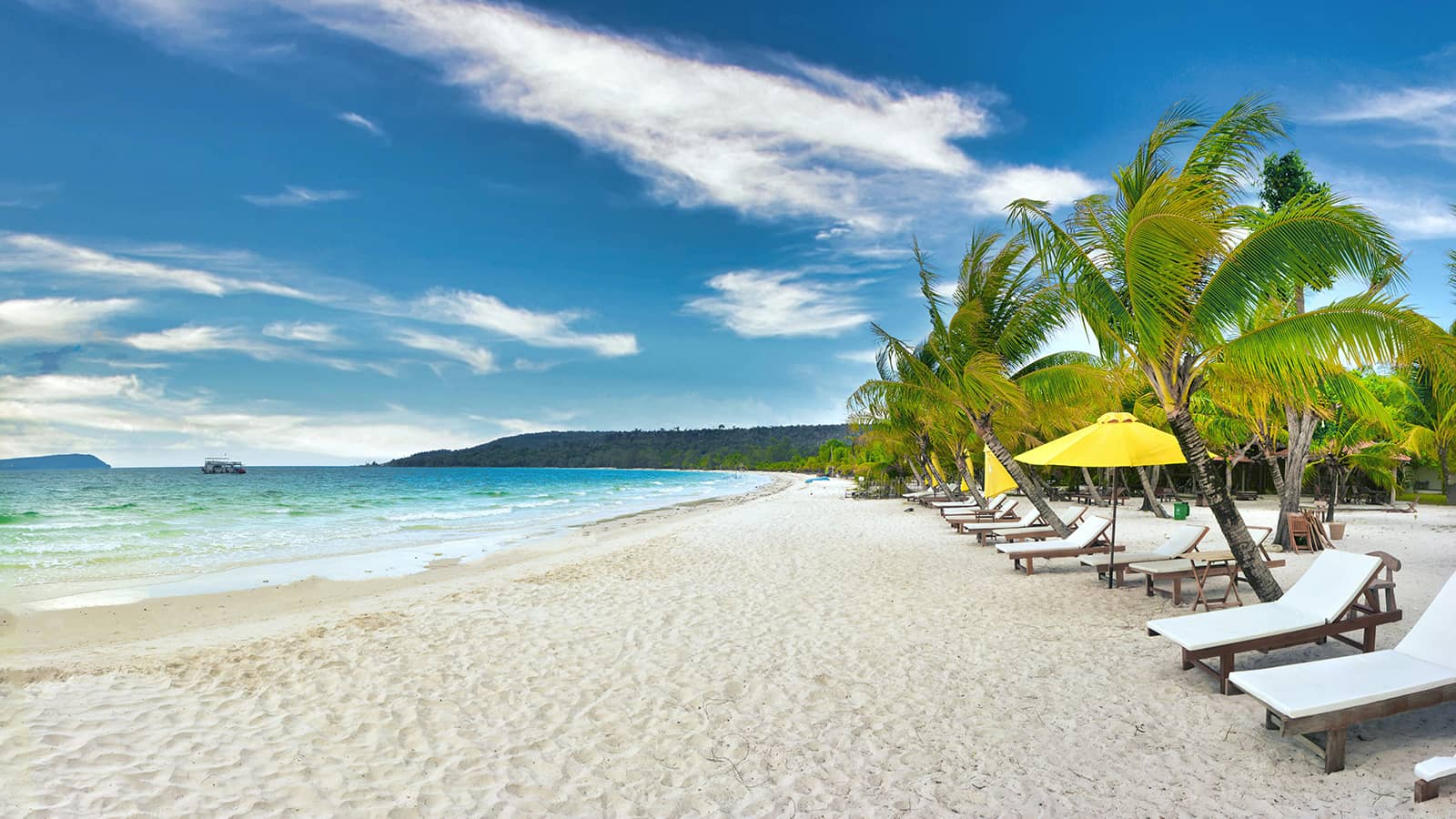
📷 Featured image by Jungjin Moon on Unsplash.