On this page
- What August Actually Looks Like on the Gulf Coast
- Koh Samui vs Koh Tao vs Hua Hin: Which Gulf Destination Fits You in August
- 2026 Budget Reality: What Things Actually Cost This Month
- Water Activities and Beach Life Worth Planning Around
- Eating Your Way Through the Gulf Coast in August
- Getting There and Moving Between Islands in 2026
- Frequently Asked Questions
What August Actually Looks Like on the Gulf Coast
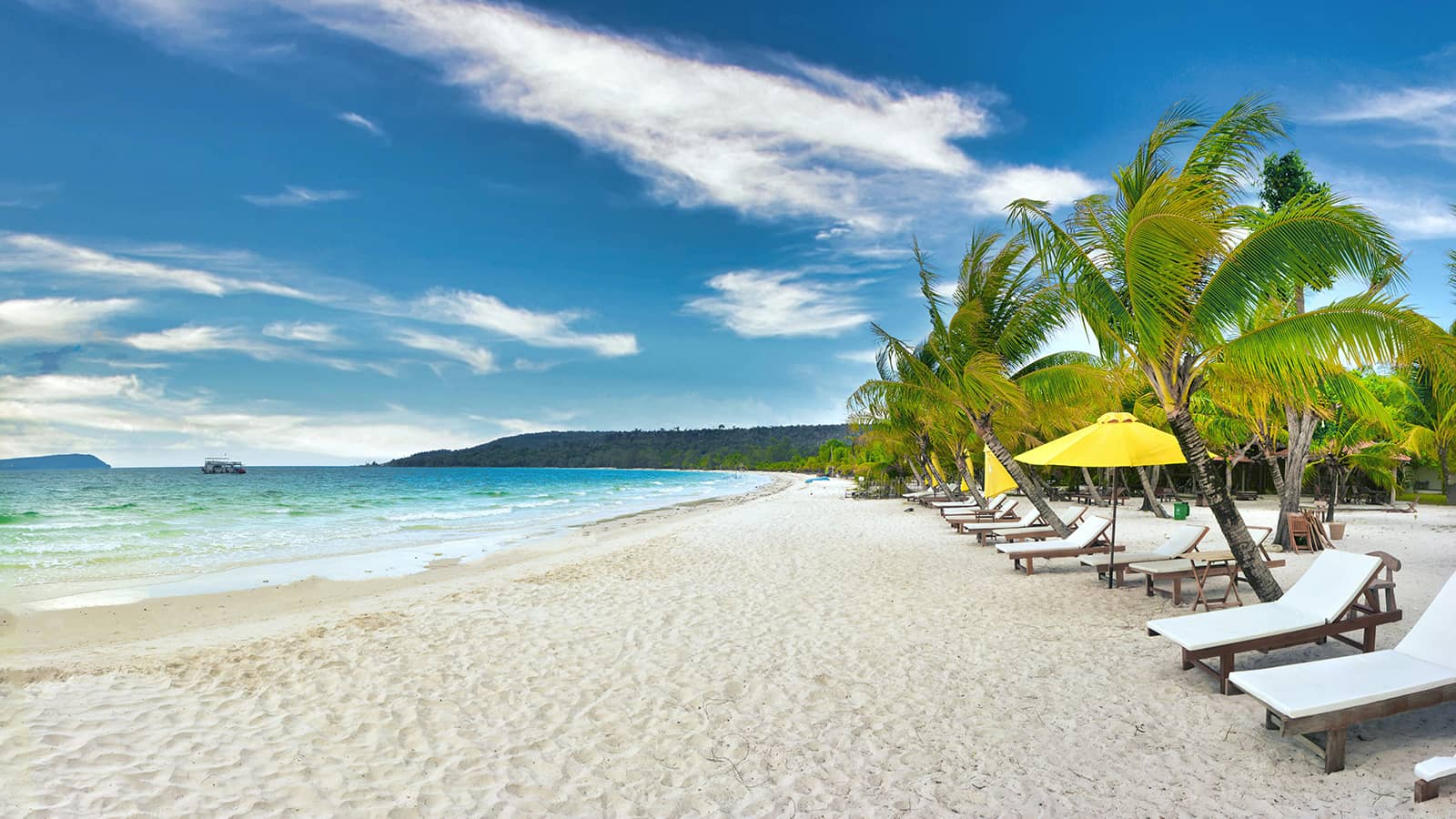
August 2026 has brought a familiar frustration back to Gulf Coast visitors: the endless debate over whether to “risk” the Gulf side during the rainy season. Here’s the honest answer — the Gulf Coast operates on a different monsoon schedule than the Andaman side. While Phuket and Krabi get hammered by the southwest monsoon from May through October, the Gulf of Thailand’s eastern shore runs on a northeast monsoon pattern. That means Koh Samui, Koh Phangan, Koh Tao, and even the mainland resort town of Hua Hin generally enjoy their driest, sunniest weather from roughly December through August, with the wet season arriving later in the year, typically October and November. August is actually one of the more reliable months to visit this coastline.
That said, “reliable” doesn’t mean “perfect.” August mornings on Koh Samui tend to be bright and hot — temperatures sit between 27°C and 33°C through the day, with humidity that makes the shade feel like a small gift. Afternoon showers are possible, usually brief, and they pass quickly. Koh Tao and Koh Phangan see similar conditions. Hua Hin, being on the western shore of the gulf, can catch stray rain from inland systems, but it remains far more stable than the Andaman coast in August. The sea is generally calm enough for snorkelling, diving, and inter-island boats throughout the month.
Koh Samui vs Koh Tao vs Hua Hin: Which Gulf Destination Fits You in August
Koh Samui is the most developed of the Gulf islands. Chaweng Beach remains the commercial heart — loud, full of bars, restaurants, and massage parlours lining a wide strip of sand. If you want convenience, solid infrastructure, and a wide choice of accommodation, Samui delivers. The north and west coasts (Maenam, Bo Phut, Lipa Noi) are considerably quieter and suit families or anyone who wants a slower pace. August sees Samui fairly busy with European and Australian visitors — this is their summer holiday window — so booking accommodation a few weeks ahead is wise.
Koh Tao is the standout choice for divers and snorkellers. The island has built its entire identity around underwater life, and August conditions — calm seas, good visibility at many sites — make it one of the better months to be here. The dive schools are well-established and competitive on price. The island is small enough to walk across in under an hour, and accommodation is concentrated in a few beach areas. It’s not the place for nightlife or luxury resorts; it’s the place for people who want to be in the water most of the day.
Hua Hin is a completely different kind of Gulf destination. It’s a Thai domestic favourite — a long-established beach town with a relaxed, unhurried energy, a busy night market, good seafood, and golf courses that draw a steady stream of retirees and weekending Bangkok residents. The beach itself is wide, clean, and fronted by some well-run hotels. Hua Hin won’t dazzle anyone looking for island drama, but it rewards visitors who want comfort, good food, and a genuinely Thai atmosphere without the tourist machinery of Samui.
2026 Budget Reality: What Things Actually Cost This Month
August is shoulder-to-high season on the Gulf Coast — prices are not at their absolute peak (that’s December to February), but they’re well above the bargain basement. Here’s a realistic picture for 2026:
- Budget tier: A basic fan bungalow on Koh Tao runs 400–700 THB per night. Meals from street stalls or simple local restaurants cost 60–120 THB. A daily budget of 1,200–1,800 THB is workable if you’re disciplined.
- Mid-range tier: A decent air-conditioned room with a pool at a small guesthouse or boutique property on Koh Samui or Koh Phangan costs 1,500–3,500 THB per night. Eating at mid-range restaurants — proper sit-down places with menus in English — runs 200–450 THB per meal. Budget 3,500–6,000 THB per day for a comfortable, unfussy experience.
- Comfortable tier: Samui’s better resort properties run 5,000–12,000 THB per night in August. If you want a private pool villa with sea views, expect the upper end of that range or higher. Dining at hotel restaurants or well-regarded beachside spots costs 500–900 THB per person without alcohol.
Alcohol remains one of the bigger trip expenses in Thailand. A beer at a beach bar costs 80–140 THB. Cocktails at a proper bar run 200–350 THB each. Factor this honestly into your daily budget if you plan to spend evenings out.
Water Activities and Beach Life Worth Planning Around
August diving on Koh Tao is generally good. Visibility varies by site — sites on the western and southern sides of the island tend to perform better in August than those exposed to any lingering swell from the north. Whale sharks are occasionally spotted at Chumphon Pinnacle and Southwest Pinnacle during this period, though there are no guarantees. A standard two-dive boat trip from a reputable dive school runs 1,200–1,600 THB including equipment rental.

Snorkelling is accessible from several beaches without booking a tour — Sai Nuan and Ao Leuk on Koh Tao have reef just offshore. For a guided snorkel tour covering multiple sites, expect to pay 600–900 THB per person for a half-day trip.
On Koh Samui, the main beach activities are kayaking, paddleboarding, and taking long-tail boat trips to the Ang Thong Marine National Park. The park trip is a full-day excursion — you leave early, visit a cluster of islands with emerald lagoons and dramatic limestone formations, and return by late afternoon. The light bouncing off the water between the karst stacks is genuinely striking. Tours depart most mornings and typically cost 1,200–1,800 THB including lunch and a national park entry fee.
Hua Hin’s water scene is calmer and more family-oriented. Kitesurfing has grown in popularity here over the years — the flat water and reliable wind conditions in August make it a legitimate spot for beginners to learn. Kitesurfing lessons from local schools run roughly 2,500–4,000 THB for a half-day introductory session.
Eating Your Way Through the Gulf Coast in August
The Gulf Coast has a distinct southern Thai food identity that’s heavier on coconut milk, seafood, and turmeric than the dishes you’d find in Bangkok or Chiang Mai. On Koh Samui, the Fisherman’s Village Walking Street in Bo Phut runs on Friday nights and pulls together food stalls, craft sellers, and live music along a strip of old wooden shophouses. The smell of grilled seafood — fat prawns, whole fish dusted in salt, clams tossed in basil and chillies — drifts down the whole street and makes it almost impossible to walk past without stopping.
For a more everyday meal, look for khao yam — a southern Thai rice salad dressed with toasted coconut, dried shrimp, lemongrass, and a sharp, funky sauce made from fermented shrimp paste and palm sugar. It’s bright, complex, and nothing like what most visitors expect from Thai food. You’ll find it at local morning markets for 60–80 THB.
Hua Hin’s night market near the main streets has been a fixture for decades. The seafood section is still the draw — pick your fish or shellfish from the ice display, agree on a price per kilogram (market rate fluctuates, but whole fish typically runs 250–500 THB per kilogram depending on species), and have it cooked to order while you sit at a plastic table with a cold drink.

Getting There and Moving Between Islands in 2026
Koh Samui has its own airport — Bangkok Airways operates regular flights from Bangkok’s Suvarnabhumi Airport. Journey time is around an hour. Flights in August book up, especially on weekends, so securing tickets two to three weeks in advance is sensible. The airport sits on the island’s northeast corner and is one of the more pleasant small airports in the country.
The budget alternative is the overnight train or bus from Bangkok to Surat Thani on the mainland, followed by a ferry to Koh Samui, Koh Phangan, or Koh Tao. The combined journey takes 10–14 hours depending on your connections, but the cost difference is significant — the whole land-and-sea journey can cost under 700 THB, versus 2,000–4,500 THB for a direct flight to Samui.
Moving between islands — Samui, Phangan, and Tao — is handled by ferry companies. Multiple crossings run daily and the routes are well-established. The crossing between Koh Samui and Koh Phangan takes around 30–45 minutes. The longer crossing to Koh Tao from Koh Phangan takes roughly 1.5–2 hours. August seas are generally manageable, but if a weather system passes through, some services may be delayed or adjusted.
Hua Hin is the simplest Gulf destination to reach from Bangkok — it’s roughly 200 kilometres south via the main highway, and regular trains and buses connect the two. Journey time by express train is around 3.5–4 hours.
Frequently Asked Questions
Is August a good time to visit the Gulf Coast of Thailand?
Yes, August is genuinely one of the more reliable months for the Gulf Coast. Unlike the Andaman side, which gets hit hard by the southwest monsoon, the Gulf Coast’s rain season comes later — typically October and November. You can expect mostly sunny days in August with occasional short afternoon showers, and seas calm enough for boats and water activities.
Which Gulf island is best for a first-time visitor in August 2026?
Koh Samui is the easiest starting point — good infrastructure, a direct airport, plenty of accommodation across all budgets, and enough variety to keep most travellers satisfied. If diving is your priority, go straight to Koh Tao. If you prefer a relaxed mainland beach town with a Thai rather than tourist atmosphere, Hua Hin fits that role well.
How far in advance should I book accommodation for August on the Gulf Coast?
Two to four weeks ahead for most properties is enough, but popular resorts and well-reviewed guesthouses on Koh Samui and Koh Tao can fill up quickly during the European summer holiday window. If you have a specific property in mind, booking a month ahead removes the uncertainty, especially for weekends and around any Thai public holidays that fall in August.
Are the ferry connections between Koh Samui, Koh Phangan, and Koh Tao reliable in August?
Generally yes. August is not the Gulf’s stormy season, so most days run without disruption. Services can be adjusted if a tropical weather system moves through, which is uncommon but not impossible in August. Build a buffer day into your itinerary if you have a flight to catch after island-hopping, just to be safe.
What should I budget per day for a mid-range trip to the Gulf Coast in August 2026?
A realistic mid-range daily budget — air-conditioned accommodation, three meals, a water activity or two, and some evening drinks — sits between 3,500 and 6,000 THB per person per day depending on your island and habits. Koh Samui skews toward the higher end; Koh Tao and Hua Hin can be done comfortably toward the lower end of that range.
Explore more
Experience Thailand’s Serene Side: Travel Tips for August 2026
Exploring Thailand’s Waterfalls and Greenery This July 2026
Thailand in July 2026: What to Expect During the Green Season
📷 Featured image by Taweeroj Eawpanich on Unsplash.