On this page
- Why September Works in Your Favour
- What the Weather Actually Looks Like
- The Best Regions to Visit in September
- Festivals and Cultural Events Worth Timing Your Trip Around
- 2026 Budget Reality: What Things Cost in September
- Practical Packing and Safety Tips for Wet Season Travel
- Frequently Asked Questions
Why September Works in Your Favour
If you’ve been putting off a Thailand trip because the peak-season crowds in December and January feel overwhelming, or because February to April prices have crept well beyond what you want to spend, September is the answer most travellers overlook. The common advice is to avoid Thailand during the rainy season entirely. That advice is wrong — or at least, it’s far too blunt to be useful. September 2026 sits squarely in the shoulder season sweet spot: fewer foreign visitors than any month between November and April, hotel rates that are genuinely lower, and a version of Thailand that feels lived-in and local rather than tourist-packaged.
The tradeoff is weather. September is one of the wetter months in much of the country, and that requires some planning. But travellers who understand the rhythm of Thai rain — which usually falls in short, heavy bursts rather than all-day drizzle — find that September mornings are often clear and beautiful, afternoons bring a cooling downpour, and evenings open up again. That’s not a ruined holiday. That’s a schedule.
What the Weather Actually Looks Like
Thailand is a long country — roughly 1,650 kilometres from north to south — and its weather in September is not uniform. The single biggest mistake travellers make is treating “Thailand weather” as one thing. It isn’t.
Central Thailand and Bangkok experience frequent afternoon rain in September, with temperatures hovering between 27°C and 33°C. Humidity is high. Rain usually lasts an hour or two, sometimes heavy enough to flood low-lying streets temporarily. The heat is real but manageable, and air-conditioning is essentially everywhere.
Northern Thailand (Chiang Mai, Chiang Rai) receives significant rain in September as the monsoon pushes through. Rivers can rise quickly. Mornings are often cool and misty, which makes the green mountain landscape look extraordinary — the kind of scene that photographers come specifically to capture. Temperatures range from around 22°C at night to 30°C during the day.
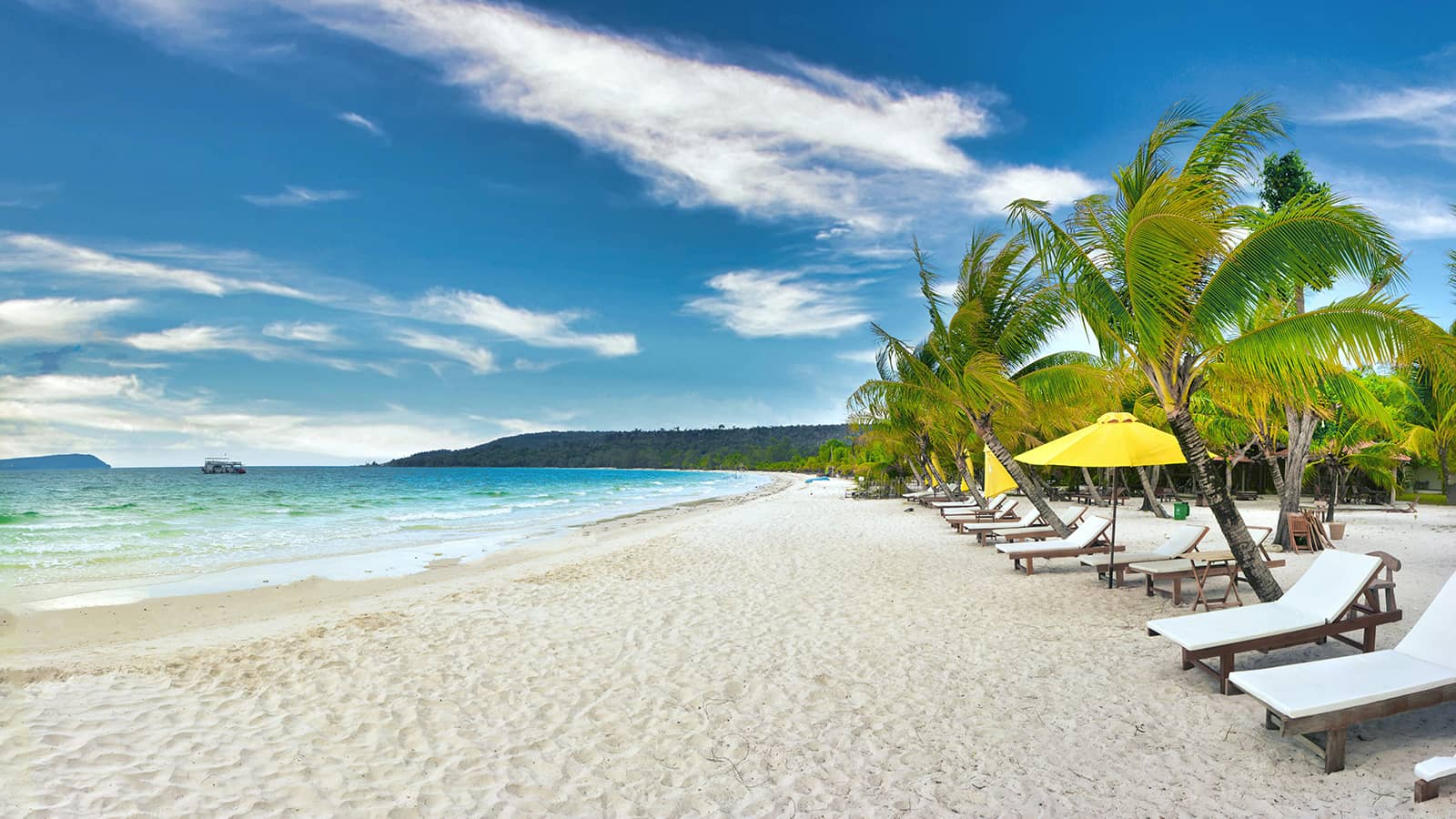
The Gulf Coast (Koh Samui, Koh Phangan, Koh Tao) has its own weather pattern, out of sync with the rest of the country. September is actually one of the drier months on the Gulf side — the Gulf coast rainy season arrives later, typically in October and November. This makes Koh Samui a genuinely good September destination.
The Andaman Coast (Phuket, Krabi, Koh Lanta) is at its wettest in September. Seas can be rough, and boat services to some smaller islands may be suspended for safety reasons. This is the one area where the rainy season advice is most justified. If the Andaman coast is your priority, either shift your trip to late October or focus on the mainland highlights around Krabi town and Ao Nang instead.
The Best Regions to Visit in September
Given the regional weather patterns, here’s how to think about September destinations:
Koh Samui and the Gulf Islands
This is September’s quiet secret. While most of Thailand’s beach destinations are dealing with monsoon conditions, Koh Samui is relatively calm. The water is warm, visibility for snorkelling around Koh Tao is often good, and the island’s resorts — which fill up completely in high season — have genuine availability. Walking through the back streets of Fisherman’s Village on Koh Samui on a September evening, with the smell of grilled seafood drifting from open-air restaurants and almost no tourist crowds, feels like a different island from the one that appears in December brochures.
Chiang Mai
The north is lush and cool by Thai standards in September. The city itself handles rain well, and the temple circuit — Doi Suthep, Wat Chedi Luang, the Old City moat area — is far less crowded than in peak season. Elephant sanctuaries and trekking operators have availability without needing to book months ahead. The surrounding mountains are a vivid, saturated green that simply doesn’t exist during the dry season.
Bangkok
Bangkok is a year-round destination, and September works well here. The city’s covered walkways, BTS Skytrain network, underground MRT, and air-conditioned malls make rain largely irrelevant for urban exploration. Museums, street food in Yaowarat, rooftop bars, and river-side dining all operate normally. Hotel rates in September are noticeably softer than in high season, which matters in a city where good mid-range accommodation has become expensive by Southeast Asian standards.
Festivals and Cultural Events Worth Timing Your Trip Around
September doesn’t have Thailand’s biggest festivals — those fall in April (Songkran) and November (Loy Krathong). But there are meaningful cultural moments worth knowing about.
Vegetarian Festival (Late September / Early October)
Timing shifts slightly each year based on the Chinese lunar calendar, but the Vegetarian Festival — known in Thai as Tesagan Gin Je — often begins in late September or falls across late September and early October. Celebrated most intensely in Phuket and among Chinese-Thai communities across the country, it involves elaborate street processions, firewalking, and a switch to strictly plant-based eating across many local restaurants and food stalls. Even if Phuket’s beaches aren’t at their best in September, the Vegetarian Festival draws visitors specifically to witness the ceremony and ritual aspects of the event.
Buddhist Observance Days
September includes Buddhist holy days (Wan Phra) that fall on lunar cycles. On these days, some restaurants avoid serving alcohol, and certain cultural sites have increased local attendance — which, if you’re interested in seeing Thai Buddhist practice rather than just temple architecture, is actually a good thing. Check a Thai lunar calendar before you travel to identify the specific dates in September 2026.
Local Markets and Seasonal Food
Mangosteen season overlaps with early September in many regions. At local markets, you’ll find the fruit sold in bulk at prices that feel almost unreal — the thick purple rind concealing sweet-sour white segments. This is a small detail that anchors a September visit in a way that no other month offers.
2026 Budget Reality: What Things Cost in September
September is one of the most affordable months to visit Thailand. Here’s what to expect across spending tiers in 2026:
Accommodation (per room, per night)
- Budget: Guesthouse or hostel private room — 400–800 THB in most cities; 600–1,200 THB on Koh Samui
- Mid-range: Comfortable hotel with pool — 1,200–2,800 THB in Bangkok or Chiang Mai; 1,500–3,500 THB on the Gulf islands
- Comfortable: Boutique resort or four-star property — 3,500–7,000 THB, with significant shoulder-season discounts compared to December-January rates
Food
- Street food meal: 50–120 THB
- Local restaurant (sit-down, no alcohol): 150–350 THB per person
- Mid-range restaurant with drinks: 400–900 THB per person
Transport
- BTS/MRT single journey in Bangkok: 17–59 THB
- Domestic flight (Bangkok to Chiang Mai or Koh Samui): 800–2,500 THB booked in advance
- Songthaew or local tuk-tuk in Chiang Mai: 30–80 THB per person for shared routes
Overall daily spend for a comfortable but not extravagant trip runs around 1,500–3,000 THB per person per day excluding accommodation, depending heavily on how much you eat local versus tourist-oriented food and how often you use private transport.
Practical Packing and Safety Tips for Wet Season Travel
Travelling Thailand in September requires a slightly different kit than a dry-season trip, but nothing complicated.
What to Pack
- A compact, fast-drying rain jacket or packable poncho — umbrellas work but are awkward with a day bag
- Waterproof sandals or quick-dry footwear; wet flip-flops on temple steps are a slip hazard
- Dry bags or waterproof phone cases, especially if you’re doing boat transfers on the Gulf coast
- Insect repellent — standing water after rain increases mosquito activity
- Lightweight, breathable clothing; the humidity is the harder adjustment, not the temperature
Health and Safety Awareness
Flash flooding can occur in low-lying urban areas and in northern valleys after sustained rain. In Bangkok, certain streets near canals can flood temporarily — usually draining within an hour or two. In Chiang Mai, monitor local news if rain has been heavy for several consecutive days, as river levels can rise quickly. The Thai Meteorological Department posts forecasts in English online.
Leptospirosis is a low but real risk for anyone wading through floodwater — avoid walking through standing water where possible, particularly in rural areas. Travellers doing river activities or jungle trekking in September should ask operators about current conditions before booking.
Travel insurance that covers weather-related disruptions is strongly advisable for September travel. This is standard advice for any monsoon-adjacent travel in Southeast Asia, not a reason to avoid the trip.
Frequently Asked Questions
Is September a good time to visit Thailand?
Yes, for the right destinations. Koh Samui, Bangkok, and Chiang Mai are all solid September choices. The Andaman coast (Phuket, Krabi) is at its wettest and least suitable. Fewer crowds, lower prices, and lush green landscapes make September genuinely rewarding if you understand the regional weather patterns and plan accordingly.
Which part of Thailand has the best weather in September?
The Gulf coast — particularly Koh Samui, Koh Phangan, and Koh Tao — has its most stable weather in September, as the Gulf’s rainy season arrives later in the year. Northern Thailand and Bangkok are manageable with short daily rain bursts. The Andaman coast experiences its heaviest rain in September and is generally best avoided.
How much cheaper is Thailand in September compared to peak season?
Accommodation rates in September can run 20–40% lower than December-January peak prices across most destinations. Domestic flights and tours also tend to be cheaper and more available. The overall saving on a two-week trip compared to peak season can easily reach 8,000–15,000 THB per person depending on accommodation choices.
Are there any festivals in Thailand in September 2026?
The Vegetarian Festival (Tesagan Gin Je) often falls in late September or early October, based on the Chinese lunar calendar — most visibly celebrated in Phuket and among Chinese-Thai communities nationwide. Buddhist observance days (Wan Phra) also occur throughout the month. Check a 2026 Thai lunar calendar for exact dates once you’re planning your itinerary.
Is it safe to travel Thailand during the rainy season?
Generally yes, with basic awareness. Flash flooding is possible in low-lying areas and river valleys after heavy rain, particularly in the north. The Andaman coast can have rough seas that suspend smaller boat services. Standard travel insurance, staying updated on local weather forecasts, and avoiding wading through floodwater covers the main risks for most itineraries.
Explore more
September 2026 in Thailand: Experience Verdant Vistas and Peaceful Journeys
Understanding Mother’s Day in Thailand: A Traveler’s Guide for August 2026
August 2026 in Thailand: Enjoying Lush Landscapes and Fewer Crowds
📷 Featured image by Leo_Visions on Unsplash.