On this page
- Why Railay Still Gets Away With It
- Getting to Railay: Longtails, Timing, and What It Actually Costs
- The Four Beaches: What Each One Actually Delivers
- Rock Climbing: Railay’s World-Class Walls
- Caves, the Lagoon, and Getting Into the Jungle
- Eating and Drinking on the Peninsula
- After Dark: What Railay Looks Like at Night
- Where to Stay on Railay: Accommodation by Budget
- Day Trips: Getting Off the Peninsula for a Day
- When to Go: Seasons, Swell, and When the Boats Stop Running
- Practical Tips: What Nobody Tells You Before You Arrive
- Budget Breakdown: What a Day on Railay Costs in 2026
- Frequently Asked Questions
💰 Click here to see Thailand Budget Breakdown
💰 Prices updated: October, 2026. Budget figures are estimates — always verify before travel.
Exchange Rate: $1 USD = ฿33.60
Daily Budget (per person)
Shoestring: ฿900.00 – ฿1,800.00 ($26.79 – $53.57)
Mid-range: ฿2,150.00 – ฿4,000.00 ($63.99 – $119.05)
Comfortable: ฿6,000.00 – ฿12,000.00 ($178.57 – $357.14)
Accommodation (per night)
Hostel/guesthouse: ฿90.00 – ฿750.00 ($2.68 – $22.32)
Mid-range hotel: ฿1,400.00 – ฿3,500.00 ($41.67 – $104.17)
Food (per meal)
Budget meal: ฿70.00 ($2.08)
Mid-range meal: ฿250.00 ($7.44)
Upscale meal: ฿1,000.00 ($29.76)
Transport
Single metro/bus trip: ฿30.00 ($0.89)
Monthly transport pass: ฿1,155.00 ($34.38)
Why Railay Still Gets Away With It
In 2026, Thailand has no shortage of beautiful beaches. Overtourism complaints fill travel forums, new visa rules have reshuffled the crowd, and digital nomads have colonised half of Koh Lanta. Yet Railay Beach keeps doing exactly what it’s always done: existing on its own terms. Completely cut off from the mainland by sheer limestone cliffs, no road has ever reached it. You arrive by longtail boat or you don’t arrive at all. That inconvenience is the entire point — it filters out anyone unwilling to make the effort, and it means the peninsula retains a quieter, more deliberate pace that most of Thailand’s famous beaches lost a decade ago. If you’re planning a Krabi trip in 2026 and haven’t put Railay on the itinerary, this guide will convince you otherwise.
Getting to Railay: Longtails, Timing, and What It Actually Costs
Railay has no road access. You reach it exclusively by longtail boat, and there are two main departure points: Ao Nang beach and Krabi Town.
From Ao Nang
This is the fastest and most popular route. Longtail boats leave from the Ao Nang beachfront throughout the day, roughly every 15–30 minutes when demand is steady. The crossing takes about 15 minutes and lands you at Railay West — the calmer, swimmable side of the peninsula. In 2026, the standard fare is 150 THB per person during the day. After around 6pm, boats run less frequently and may charge 200–300 THB per person, often requiring a minimum of 10 passengers or a private charter fee of 2,000–2,500 THB for the whole boat.
From Krabi Town
Longtail boats depart from the Chao Fa pier in Krabi Town. The journey takes 45–60 minutes depending on sea conditions and drops you at Railay East. This option makes sense if you’re arriving into Krabi Town by bus or ferry and want to head straight to Railay without backtracking to Ao Nang. Expect to pay around 200 THB per person during peak season, with boats typically running only during daylight hours. This route is weather-dependent — in rough seas, the Krabi Town boats stop running before the Ao Nang ones do.
The Four Beaches: What Each One Actually Delivers
Railay peninsula has four distinct beaches, each with a completely different character. Most visitors make the mistake of staying on one and never exploring the others.
Railay West
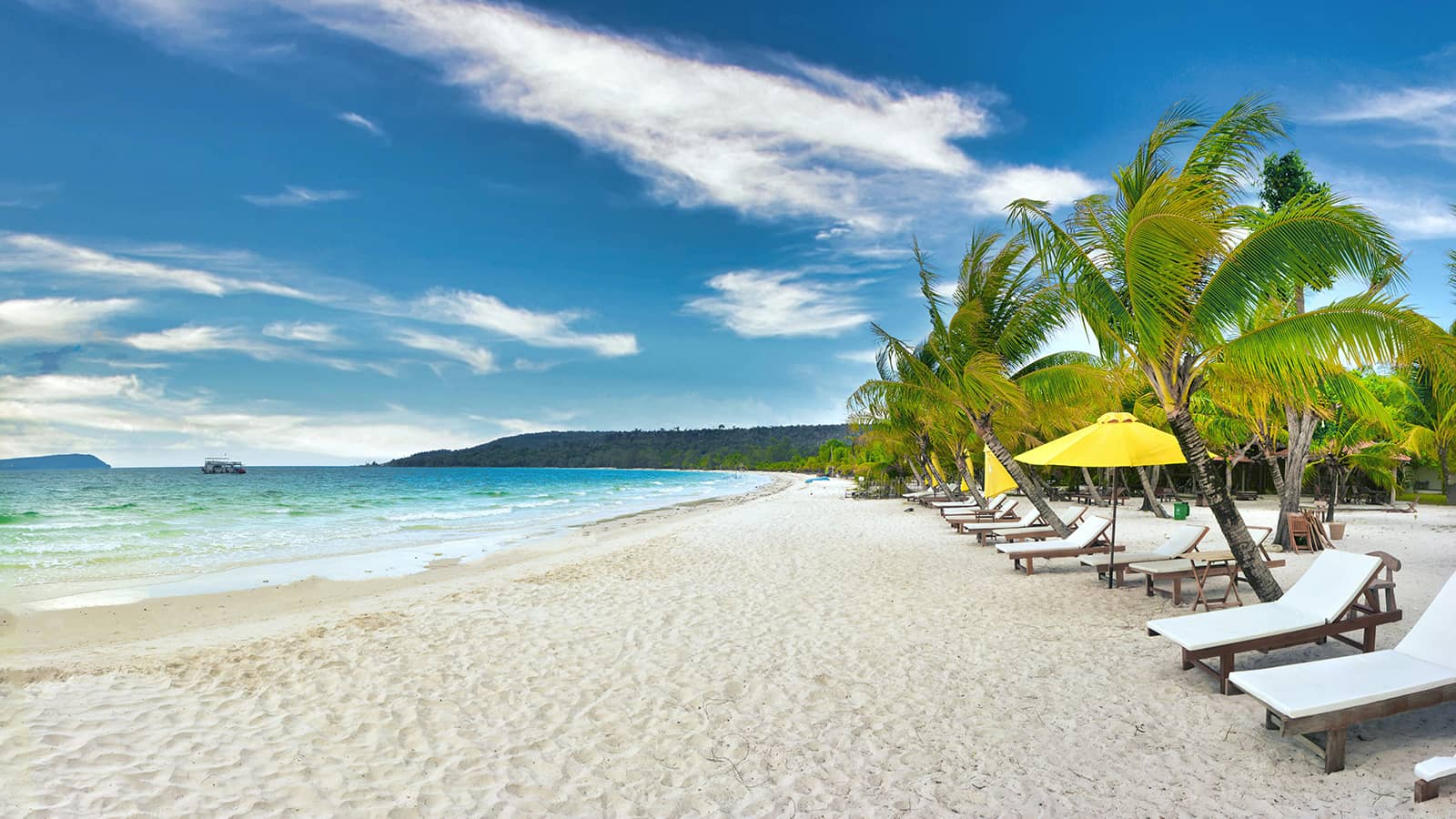
This is where longtails from Ao Nang drop you, and it’s the postcard version of Railay. The water is clear and calm enough to swim most of the year, the sand is soft and wide, and the limestone karsts rise directly behind the beach in a way that makes you feel like you’ve stepped into a screensaver. Most of the mid-range and luxury resorts sit along this strip. Sunsets here are genuinely spectacular — the sky goes pink and orange between the cliffs in a way that stops conversations mid-sentence.
Railay East
Walk five minutes through the jungle path across the peninsula and you arrive at the mangrove side. Railay East is muddier, darker, and not swimmable at low tide — exposed roots and thick mangroves line the shore. But it’s where the budget guesthouses cluster, where the restaurants and bars are concentrated, and where the nightlife happens. Think of it as the village behind the resort. It has a more local, lived-in feel, and if you’re on a tighter budget, it’s where you’ll spend most of your time on land.
Phra Nang Beach
Phra Nang is a 10-minute walk south from Railay West along the beach or through the jungle. It consistently ranks among the most beautiful beaches in all of Thailand — a bold claim that holds up on arrival. The water is a shade of blue-green that doesn’t look real, the sand is bright white, and behind the beach sits a cave shrine that is one of the most unusual religious sites in southern Thailand. Phra Nang gets crowded during the day with day-trippers from Ao Nang, so arrive early or stay until late afternoon when the longtails leave.
Tonsai Beach
Tonsai sits just north of Railay West, reachable by longtail or by scrambling over rocks at low tide (only advisable with good shoes and dry conditions). It has a reputation as the budget climber’s beach — bungalow operations, reggae bars, and a much younger, more independent traveller crowd. The beach itself is rockier and less polished. In 2026, Tonsai retains that slightly off-grid character, though several of the original bungalows that were demolished before the pandemic haven’t been rebuilt. It’s smaller, quieter, and worth visiting for lunch or a drink even if you’re not staying.
Rock Climbing: Railay’s World-Class Walls
Railay is one of the best rock climbing destinations in Southeast Asia, full stop. The limestone karsts that make it visually extraordinary also make it technically exceptional — pocketed, steep faces with hundreds of bolted sport routes that suit beginners and experienced climbers alike.
The main climbing areas are Muay Thai Wall and One-Two-Three Wall near Railay East, and the more advanced routes at Tonsai. Beginner half-day courses cost around 1,200–1,500 THB per person and typically include gear rental, a qualified guide, and three to four routes. Full-day courses run 2,000–2,500 THB. Several operators on Railay East offer instruction in 2026, including King Climbers and Hot Rock, both of which have operated here for years and maintain good safety records. Gear rental alone (without instruction) runs around 500–700 THB per day.
If you’re already an experienced climber, Tonsai’s walls offer multi-pitch routes and deep water soloing opportunities. The deep water soloing scene — climbing above the sea without ropes, falling into the water below — is most accessible between December and April when the water is calm. Outside those months, the swell and currents make it genuinely dangerous.
Caves, the Lagoon, and Getting Into the Jungle
The interior of Railay peninsula is more than just a path between beaches. There are three highlights worth seeking out.
Princess Cave (Tham Phra Nang)
Located at the southern end of Phra Nang Beach, this cave shrine is one of the most unusual religious sites in southern Thailand. Fishermen and local believers have filled the cave entrance with wooden phalluses of every size, offerings to the spirit of a drowned princess believed to protect the sea. The cave itself goes deeper into the cliff, lit dimly by candles and natural light. The smell of incense mixes with salt air. It’s visually striking and culturally genuine — not staged for tourists.
Diamond Cave (Tham Phet)
A short walk from Railay East, Diamond Cave is a full limestone cavern with formations that catch light from the pathway lanterns and genuinely glitter. Entry costs 60 THB and includes a guide partway through. It takes about 30 minutes to walk through. Compared to the caves of Phang Nga or Chiang Dao, it’s not enormous — but in the context of a beach holiday, walking through a real stalactite cave is worth the detour.
The Hidden Lagoon
This is Railay’s most physically demanding attraction. From near Diamond Cave, a steep rope-assisted climb goes up and over the limestone ridge. The climb takes 20–30 minutes each way and requires reasonable fitness — you’re pulling yourself up near-vertical sections using knotted ropes. At the top, a viewpoint looks out over the Andaman. Drop down the other side into a sheltered emerald lagoon completely enclosed by cliffs, accessible only to those who made the climb. At low tide, the lagoon is shallow and rocky. At high tide, it deepens to a swimmable pool. Check tide times before you go — it makes a significant difference to what you find at the bottom.
Eating and Drinking on the Peninsula
Railay is small, and the food scene reflects that. You’re not in Ao Nang or Krabi Town with dozens of competing restaurants. The dining options concentrate along Railay East and the paths connecting the beaches.
The beachside restaurants on Railay West are attached to resorts and serve Thai standards — pad thai, green curry, grilled fish — with prices around 180–280 THB per dish. Quality is decent but not outstanding. The real eating happens on Railay East, where a strip of open-air restaurants and food stalls runs along the path. Look for the stall selling fresh grilled prawns and squid in the early evening — the smoke curls up into the palm trees and the smell of charcoal and seafood carries halfway across the path. A full grilled seafood spread with rice costs around 250–400 THB per person.
Railay Phutawan Restaurant on the East side consistently gets good feedback for its Thai dishes and is reliable for vegetarians. For breakfast, several small cafes near the guesthouses on Railay East serve banana pancakes, fresh fruit, and coffee starting from 60–100 THB. Lastly, convenience store options on Railay are limited — there’s a small shop near the East beach, but stock is irregular and prices are higher than Ao Nang. Bring any specific items you need from town.
After Dark: What Railay Looks Like at Night
Railay is not a party destination. That’s important to understand before you arrive expecting Koh Phangan-level chaos. The nightlife is small-scale, social, and beach-centred.
The main gathering point in the evenings is the string of beach bars on Railay East. Slinky’s Bar has operated here for years and runs fire shows most nights during high season — someone spinning fire poi on the beach while reggae plays, which sounds clichéd but is genuinely good entertainment when you’re watching it with a bucket of rum and ice, toes in the sand, surrounded by limestone shadows. The fire shows typically start around 9–10pm.
A handful of other bars serve buckets, cocktails, and beers until midnight or later. On Railay West, the resort bars are quieter — long chairs on the sand, cocktails around 200–280 THB, and the occasional acoustic guitar set. If you want more, Ao Nang’s bar strip is a 15-minute longtail ride away (if you can get a boat at that hour).
Tonsai has its own small bar scene with a more backpacker vibe — hammocks, reggae, cheaper drinks, and the kind of conversations that happen naturally when the alternative is going to bed at 9pm.
Where to Stay on Railay: Accommodation by Budget
Railay’s accommodation market is genuinely constrained by the geography. There’s limited land, no road access for construction materials, and protected forest in the interior. This pushes prices higher than comparable mainland beach towns.
Budget (under 1,000 THB/night)
Tonsai Beach is your best option for budget stays. Simple fan bungalows and basic guesthouses run 500–900 THB per night. On Railay East, a few older guesthouses still operate in this range, though availability is tight during high season. Book ahead — these places don’t always appear on major booking platforms and may require direct contact.
Mid-Range (1,000–3,500 THB/night)
Railay East has several solid mid-range options including bungalow resorts with air-conditioning and private bathrooms. Railay Village Resort and Spa sits in this bracket and offers a pool. Expect to pay 1,500–3,000 THB for a comfortable room. These properties book out weeks in advance during December and January.
Comfortable/Luxury (3,500 THB+ per night)
Rayavadee is the standout luxury option — a sprawling property spread across pavilions between Railay West and Phra Nang with pools, multiple restaurants, and a genuinely beautiful setting. Rooms start from 10,000 THB per night in 2026 and climb considerably during peak season. For a step below that, Railay Beach Club and Bhu Nga Thani Resort offer good quality at 3,500–6,000 THB per night.
Day Trips: Getting Off the Peninsula for a Day
Railay makes a natural hub for several excellent day trips by longtail or speedboat.
Four Islands Tour
The classic Krabi day trip visits Koh Mor, Koh Tub, Koh Chicken, and the area around Tham Morakot (Emerald Cave on Koh Mook). Tours depart from Railay or Ao Nang and cost 1,200–1,800 THB per person including snorkelling gear and lunch. Full day, typically 8am–5pm.
Koh Hong
Koh Hong has a sheltered lagoon and better-preserved coral than many spots around Krabi. Speedboat day trips from Ao Nang or Railay run around 1,500–2,000 THB per person. Snorkelling here is genuinely rewarding — clearer water and more fish than you’ll see around the busier islands.
Koh Phi Phi
Phi Phi Don is about 45 minutes by speedboat from Railay (or 90 minutes by ferry from Ao Nang). Speedboat day trips cost 1,800–2,500 THB per person. The crowds on Phi Phi have returned to pre-pandemic levels in 2026 — manageable in the morning, overwhelming by noon. Go for the snorkelling at Phi Phi Leh rather than the village itself.
Ao Nang Town
Not dramatic, but practical. A 15-minute longtail to Ao Nang gives you access to ATMs, pharmacies, better restaurant variety, SIM card top-ups, and the evening walking street market. Worth an afternoon if you’ve been on Railay for several days and need to resupply.
When to Go: Seasons, Swell, and When the Boats Stop Running
Railay’s geography makes it more weather-sensitive than most Thai beach destinations. The Andaman Sea monsoon runs roughly May through October, and during this period the sea can turn rough enough to stop longtail service entirely — sometimes for days at a time. If you’re on Railay when the weather turns, you’re staying until it clears. That’s not a metaphor.
November to April is the dry season and the best time to visit. December and January are peak months — boats run reliably, the sea is calm, the sky is blue, and accommodation is at full price. February and March offer slightly better value with similar conditions. April starts to see the build-up to heat and early storms.
May to October: The monsoon makes Railay a gamble. Some years, May and October are fine with only intermittent rain. Other years, June brings swells that ground all boats for a week. If you visit in this period, build flexibility into your plans and don’t book non-refundable onward transport the day after you plan to leave Railay.
In terms of festivals, the Krabi Traditional Boat Racing Festival happens in October — a spectacle worth seeing if you’re in the region, though the weather at that time is unpredictable.
Practical Tips: What Nobody Tells You Before You Arrive
Cash is essential. There are no ATMs on Railay. The nearest machines are in Ao Nang. Bring enough baht for your full stay, with extra for emergencies. In 2026, some larger resorts accept cards, but most restaurants, bars, tour operators, and guesthouses are cash only.
The power supply is limited. Railay generates its own electricity and cuts power between roughly midnight and 6am in some areas. Budget guesthouses especially. Check with your accommodation before assuming 24-hour power.
There are no roads — which means no motorbikes. You walk everywhere. The main paths are uneven, often sandy, and sometimes rocky. If you’re travelling with rolling luggage, switch to a backpack before you board the longtail.
Jellyfish season. Box jellyfish and bluebottles appear around Railay beaches periodically, especially after storms. If you see pink warning flags on the beach, take them seriously. Vinegar is the standard first aid treatment — some beach bars keep it behind the counter.
Sunscreen and reef safety. Railay’s marine environment is under pressure. Use reef-safe sunscreen — standard chemical sunscreens containing oxybenzone are actively damaging coral. Several local operators and accommodation providers in 2026 sell or loan reef-safe alternatives.
The monkey situation. Long-tailed macaques live in the jungle on the peninsula. They are bold, fast, and experienced bag thieves. Don’t leave food or drinks unattended on the beach or at outdoor tables. Keep bags zipped.
Budget Breakdown: What a Day on Railay Costs in 2026
Railay is more expensive per day than Krabi Town or Ao Nang, purely because of the logistics of getting everything there by boat. Here’s a realistic daily breakdown:
Budget Traveller — approximately 1,200–1,800 THB/day
- Tonsai fan bungalow: 500–700 THB
- Street food and simple restaurant meals: 300–400 THB
- Longtail transport: 150–200 THB (one way)
- Snacks, water, beer: 200–300 THB
Mid-Range Traveller — approximately 3,000–5,000 THB/day
- Mid-range air-con guesthouse or resort: 1,500–2,800 THB
- Sit-down restaurant meals: 600–900 THB
- One activity (climbing or boat trip): 600–1,200 THB
- Drinks, sundries, transport: 400–600 THB
Comfortable/Luxury Traveller — 8,000–20,000+ THB/day
- Rayavadee or equivalent: 8,000–15,000 THB
- Resort dining plus beach bar cocktails: 2,000–3,500 THB
- Private longtail charter or speedboat tour: 2,000–4,000 THB
- Spa, activities, incidentals: 1,500–3,000 THB
Frequently Asked Questions
How do you get to Railay Beach from Krabi Airport?
There’s no direct route. From Krabi Airport, take a taxi or minivan to either Ao Nang beach (around 350–450 THB) or Krabi Town’s Chao Fa pier (around 200–250 THB), then board a longtail boat to Railay. Total travel time is roughly 1–1.5 hours including the boat crossing. Budget around 500–700 THB total per person for the full journey.
Is Railay Beach worth visiting for just one day?
Yes — a day trip from Ao Nang gives you enough time to see Railay West, walk to Phra Nang, and explore the cave shrine. You’ll miss the lagoon hike and the slower beach rhythm that makes a multi-night stay worthwhile, but a day trip is absolutely worth the longtail fare for the scenery alone.
Can you swim at Railay Beach year-round?
At Railay West and Phra Nang, swimming is excellent from November to April. During monsoon season (May–October), swells and currents can make swimming unsafe, and some days the water becomes too rough for longtail service. Railay East’s mangrove side is never good for swimming regardless of season.
Is Railay Beach suitable for families with young children?
Yes, with some caveats. Railay West’s calm water is good for small children during dry season. The lack of roads makes it push-stroller-friendly on flat paths but impossible on rocky jungle trails. The Hidden Lagoon and aggressive monkeys are the two things to watch carefully with young kids. Accommodation with pools suits families best.
Are there ATMs on Railay Beach?
No. As of 2026, there are still no ATMs on the Railay peninsula. The nearest machines are in Ao Nang, a 15-minute longtail ride away. Bring more cash than you think you’ll need — unexpected costs like emergency longtail charters or medical issues require cash you can’t get locally.
Explore more
Where to Party in Ao Nang: Top Bars, Clubs & Entertainment Venues
Krabi Night Market Guide: Best Street Food & Souvenir Finds After Dark
📷 Featured image by Vaskar Sam on Unsplash.