On this page
- The 2026 Dilemma: Pai or Chiang Mai?
- The Vibe Check: Two Places, Two Completely Different Energies
- Getting There: The Road Is Part of the Experience
- Things to Do: Activity Menus Side by Side
- Food & Drink: Where to Actually Eat in Each Place
- Nightlife & Social Life: What Happens After Dark
- Shopping: What Each Place Actually Offers
- Where to Sleep: The Accommodation Landscape
- 2026 Budget Breakdown: What It Actually Costs
- Best Time to Visit: Seasons, Smoke, and Festivals
- How Long to Spend — and Whether to Combine Both
- Frequently Asked Questions
💰 Click here to see Thailand Budget Breakdown
💰 Prices updated: October, 2026. Budget figures are estimates — always verify before travel.
Exchange Rate: $1 USD = ฿33.60
Daily Budget (per person)
Shoestring: ฿900.00 – ฿1,800.00 ($26.79 – $53.57)
Mid-range: ฿2,150.00 – ฿4,000.00 ($63.99 – $119.05)
Comfortable: ฿6,000.00 – ฿12,000.00 ($178.57 – $357.14)
Accommodation (per night)
Hostel/guesthouse: ฿90.00 – ฿750.00 ($2.68 – $22.32)
Mid-range hotel: ฿1,400.00 – ฿3,500.00 ($41.67 – $104.17)
Food (per meal)
Budget meal: ฿70.00 ($2.08)
Mid-range meal: ฿250.00 ($7.44)
Upscale meal: ฿1,000.00 ($29.76)
Transport
Single metro/bus trip: ฿30.00 ($0.89)
Monthly transport pass: ฿1,155.00 ($34.38)
The 2026 Dilemma: Pai or Chiang Mai?
Northern Thailand’s tourist trail has always funneled people through Chiang Mai, but somewhere along the way, Pai — a small valley town 135 kilometres to the northwest — became a destination in its own right. The problem most travelers face in 2026 is the same one it’s always been: limited time, one trip, two very different places. Chiang Mai has expanded its MRT network with a new light rail line connecting Nimman to the Old City (opening phase completed in early 2026), making urban navigation easier than ever. Meanwhile, Pai has stayed stubbornly, deliberately small. If you’re trying to decide where to spend your days in the north, this guide cuts through the noise and tells you exactly what each place delivers — and who it’s really for.
The Vibe Check: Two Places, Two Completely Different Energies
Chiang Mai is a proper city. It has a population of roughly 300,000, a functioning urban core, universities, an international airport, and a cultural depth that takes weeks to scratch the surface of. The Old City moat frames centuries of Lanna history. The Nimman Road area hums with coffee shops, co-working spaces, and design boutiques. You can eat brilliantly, visit 300 temples, and never feel like you’ve exhausted it.
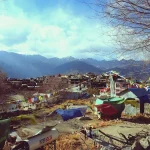
Pai is the opposite of all that. It sits in a mountain valley at about 800 metres elevation, and the entire walkable area of the town takes maybe 20 minutes to cross. The main street is a single road lined with reggae bars, smoothie stands, and guesthouses. The surrounding countryside — green rice paddies, hot springs, waterfalls, canyon viewpoints — is why people actually come. Walking Street fills with travelers every evening, and the crowd leans young, backpacker-ish, and heavily international. There’s a permanent slow-travel energy here that either feels exactly right or slightly aimless, depending on who you are.
Who suits Chiang Mai: Culture seekers, food lovers, digital nomads, families, older travelers, people with less than five days in the north.
Who suits Pai: Travelers who want to stop moving, rent a scooter, stare at mountains, and have zero agenda. Solo backpackers, couples on a romantic detour, people craving genuine downtime.
Getting There: The Road Is Part of the Experience
Chiang Mai is easy to reach. Thai Airways, Bangkok Airways, Air Asia, and Nok Air all run multiple daily flights from Bangkok’s Suvarnabhumi and Don Mueang airports. Flight time is about an hour and fifteen minutes, with fares starting from around 800 THB one-way if booked ahead. The overnight sleeper train from Bangkok’s Hua Lamphong or Bang Sue Grand Station remains one of Southeast Asia’s great budget travel experiences — around 14 hours, fares from 300 THB for a seat to 1,500 THB for an upper sleeper berth.
Getting to Pai from Chiang Mai is a different matter entirely. The 762-curve mountain road via Route 1095 is legitimately dramatic. Minivans operated by Aya Service and other companies leave from Chiang Mai Arcade Bus Terminal and from guesthouses around the Old City daily, taking three to four hours depending on stops. Cost is around 150–200 THB. Many travelers rent a motorbike in Chiang Mai and ride it themselves — the scenery justifies every gear change. Kan Air previously operated small prop flights between Chiang Mai and Pai, but as of 2026 this route has been suspended; the minivan is your main option. Budget two full hours of recovery time after arriving, especially if you’re prone to motion sickness — those curves are relentless.
Things to Do: Activity Menus Side by Side
Chiang Mai
Chiang Mai’s temple circuit alone could fill three days. Doi Suthep, the mountain temple sitting at 1,676 metres above the city, rewards the climb with sweeping views and a gold-plated chedi that glows in the afternoon sun. Wat Chedi Luang in the Old City, with its partially collapsed ancient chedi towering above the streets, is one of the most atmospheric temple spaces in the country. Beyond temples: the Sunday Walking Street on Wualai Road, the Elephant Nature Park in the Mae Taeng valley (book at least two weeks ahead in high season), Thai cooking classes, Muay Thai training camps, and the Night Bazaar. The Old City streets in the early morning, with monks completing their alms rounds in silence through the pre-dawn haze, have a stillness that’s genuinely affecting.
Pai
Pai’s activity list is almost entirely outdoors and almost entirely done on a motorbike or bicycle. Pai Canyon (Kong Lan) offers narrow ridgeline walks with steep drops on either side — genuinely thrilling at sunset. Pam Bok Waterfall is a 20-minute ride from town and best visited after heavy rain. Tha Pai Hot Springs, a riverside thermal bath about 8 kilometres southeast of town, costs 300 THB to enter but delivers the experience: steaming water, tropical trees overhead, cool air rolling in from the hills. The Pai Memorial Bridge, a small WWII-era wooden bridge in the rice fields, is quiet in the morning and becomes a photography spot by mid-afternoon. Yun Lai Viewpoint, a 15-minute ride up a hill north of town, shows you the valley fog sitting below you just after sunrise — thick, white, and covering everything, so that Pai disappears entirely.

Food & Drink: Where to Actually Eat in Each Place
Eating in Chiang Mai
Chiang Mai’s food scene operates at a scale that rewards exploration. The Saturday Walking Street on Wualai Road and the Sunday Walking Street on Thanon Wichayanon in the Old City are the two main outdoor food events — both running from around 4pm to 10pm, both packed with northern Thai specialties cooked fresh at stalls. Khao Soi is inescapable and correct: seek it at Khao Soi Khun Yai near Nimman, where the broth has a slow-cooked richness that takes hours to develop. The Warorot Market (Kad Luang), open daily from early morning, is a proper working market where locals shop — look for the food stalls on the upper floor for cheap, authentic plates at 40–60 THB. The Maya Mall food court in Nimman is the air-conditioned fallback on hot days. Nimman Road itself has dozens of specialty coffee shops and all-day brunch spots for those who need a Western breakfast reset.
Eating in Pai
Pai’s food scene is small but genuinely good, with a heavy emphasis on healthy, vegetarian-friendly, and fusion cooking that reflects the town’s international traveler base. The Pai Walking Street runs every evening along the main Ratchadamrong Road from about 5pm — this is where you eat. Stalls sell grilled corn, rotis loaded with banana and condensed milk, fresh spring rolls, and pad thai cooked fast in smoking woks. Edible Jazz is a long-standing favorite for sit-down meals — a relaxed restaurant with Thai and Western dishes and live jazz some evenings. The morning market (Talat Chao) near the bus station wakes up before 6am and closes by 9am — this is for people who rise early and want noodle soup with locals rather than pancakes with backpackers.
Nightlife & Social Life: What Happens After Dark

Chiang Mai After Dark
Chiang Mai’s nightlife concentrates in a few distinct zones. The Nimman area — particularly Nimmanhaemin Soi 9 — is where the craft beer bars and rooftop lounges cluster. The Night Bazaar district along Chang Khlan Road has live music venues and the famous Cabaret shows that run nightly. For something more local, the area around Tha Phae Gate has small bar strips that stay lively until midnight. The city doesn’t run late by Bangkok standards — most venues close by 1am — but there’s variety: whisky bars, jazz rooms, cocktail rooftops, and the occasional underground electronic night at venues like Zoe in Yellow, which has been running in various forms for over a decade.
Pai After Dark
Pai’s nightlife is completely different in scale and character. The main Walking Street doubles as the social hub until around 10pm. After that, a handful of bars on and around the main road keep going until 1–2am. Bebop Bar is the live music anchor — reggae and acoustic covers, cold Chang on tap, fairy lights overhead, travelers from everywhere. Don’t expect sophisticated cocktails or dress codes. The vibe is sandals-and-singlet, slightly hazy, and communal in the way that small traveler towns always are. For a quieter evening, many guesthouses outside town have open-air terraces where the night sounds are just frogs and flowing river water.
Shopping: What Each Place Actually Offers
Chiang Mai Shopping
Chiang Mai is one of Thailand’s best shopping destinations, full stop. The Saturday and Sunday Walking Streets are stacked with handmade goods — silverwork, woodcarving, celadon ceramics, silk scarves, and hill tribe textiles. The Night Bazaar is more commercial but still worth an hour for branded goods, clothing, and souvenirs. For serious craft shopping, the Bo Sang Umbrella Village (9 kilometres east of the city) sells traditional lacquer and painted parasols direct from workshops. The Nimman area has independent boutiques selling contemporary Thai design — ceramics, fashion, stationery, coffee. Maya Mall and Central Festival Chiang Mai cover everything mainstream if you need it.
Pai Shopping
Pai’s shopping is limited in range but charming in character. The evening Walking Street is the main venue — look for handmade leather goods, silver jewelry, hand-dyed fabrics, and local herbal products. It’s not a place for bulk buying or serious textile shopping. What’s genuinely good: small-batch artisan items from local makers, inexpensive boho clothing, and the occasional find from hill tribe vendors who set up near the bridge. Don’t come to Pai expecting a shopping trip — it’s a bonus layer on top of everything else.

Where to Sleep: The Accommodation Landscape
Chiang Mai Accommodation
The Old City is the default tourist base — guesthouses and boutique hotels sit within walking distance of major temples, with prices from 400 THB per night for a basic room to 3,500 THB for a genuine boutique experience. Nimman is better for digital nomads and mid-range travelers who want coffee shops within reach. The riverside area along the Ping River has some of Chiang Mai’s most atmospheric boutique hotels. Luxury properties — Four Seasons, Dhara Dhevi, Anantara — sit outside the city center in lush garden settings and charge from 8,000 THB upward per night.
Pai Accommodation
Pai’s lodging scene skews dramatically toward bungalows and guesthouses. The in-town options are cheap and basic: fan rooms from 250 THB per night. The real draw is the out-of-town properties — riverside bungalows in the rice paddies, hillside eco-lodges, and bamboo cabin clusters that put you directly in the landscape. Pai Treehouse and similar nature-focused properties charge 1,200–2,500 THB per night and are worth it for the setting. There is no true luxury hotel in Pai (as of 2026), and that’s unlikely to change given the town’s character.
2026 Budget Breakdown: What It Actually Costs
Chiang Mai Daily Costs
- Budget (backpacker): 700–1,200 THB/day — dorm bed 200–350 THB, street food meals at 50–80 THB each, free temple visits, local transport on the new light rail or red songthaews
- Mid-range: 2,000–3,500 THB/day — private guesthouse room, restaurant meals at 150–300 THB, cooking class or elephant sanctuary day trip (1,500–2,500 THB), Grab rides
- Comfortable: 5,000–9,000 THB/day — boutique hotel, fine dining, private tours, spa treatments (Thai massage runs 350–600 THB/hour)
Pai Daily Costs
- Budget (backpacker): 500–900 THB/day — fan bungalow 250–350 THB, Walking Street food at 40–80 THB per item, motorbike rental 150–200 THB/day
- Mid-range: 1,500–2,500 THB/day — riverside guesthouse, sit-down meals, motorbike, hot springs entry
- Comfortable: 3,000–4,500 THB/day — nicer bungalow property outside town, private activities, guided trekking (typically 800–1,500 THB/day)
Pai is cheaper overall, but Chiang Mai offers far more value per baht in terms of what you can actually do and experience.
Best Time to Visit: Seasons, Smoke, and Festivals
Both Pai and Chiang Mai sit in the same general climate zone, but the valley geography of Pai amplifies certain effects. The cool season from November to February is the clear winner for both: temperatures in Pai drop to 8–12°C at night in December and January, requiring a genuine jacket. Chiang Mai sits a few degrees warmer. This is also festival season — the Yi Peng Lantern Festival in Chiang Mai (November) remains one of the most beautiful events in Thailand, with thousands of paper lanterns rising into the night sky over the Ping River.

The burning season from February through April is the ongoing environmental challenge for northern Thailand. In 2026, regional governments have tightened open-burning restrictions under the Clean Air Act amendments passed in late 2025, but enforcement is inconsistent in rural areas. Chiang Mai’s Air Quality Index (AQI) regularly hits hazardous levels (above 200) in March and early April. Pai, enclosed in its valley, traps smoke even more efficiently — visibility can drop to under one kilometre on bad days. If you have respiratory concerns, avoid both destinations between late February and mid-April.
The wet season from June to October brings lush green landscapes, fewer tourists, and genuine tropical downpours. The mountain roads to Pai can be affected by landslides in August and September — check conditions before riding. This is shoulder season pricing, and both places are genuinely beautiful under clouds and soft light.
How Long to Spend — and Whether to Combine Both
Chiang Mai rewards at least four full days. A week lets you cover temples, a day trip to Doi Inthanon (Thailand’s highest peak, 2,565 metres, about 80 kilometres southwest), a cooking class, proper food exploration, and some unhurried time in Nimman. Two weeks and you’ll start to feel like a temporary local.
Pai works best as three to five days. Less than three days feels rushed given the travel time to get there. More than a week and most travelers run out of structured things to do — which is either the problem or exactly the point.
Combining both is the obvious move if you have ten days or more. The standard sequence: fly into Chiang Mai, spend four to five days, take the minivan to Pai for three to four days, return to Chiang Mai and fly out. Some travelers loop in Mae Hong Son at the end of the Pai stint, continuing west on the mountain road — a longer adventure that adds another two to three days.
Frequently Asked Questions
Is Pai worth visiting if I only have one week in northern Thailand?
Yes, but only if you’re combining it with Chiang Mai. Spending your entire week in Pai without seeing Chiang Mai would be a significant miss. Allocate four days in Chiang Mai, then three in Pai — the minivan journey one-way is the only transport cost between them, at around 150–200 THB.

Is the road to Pai dangerous?
The 762-curve mountain route is genuinely challenging, especially for new motorbike riders. The road itself is well-paved, but sharp bends, steep drops, and heavy minivan traffic create real risk. If you’re not an experienced rider, take the minivan. If you do ride, go slowly, stay left, and never attempt it at night.
Which place is better for families with children?
Chiang Mai is significantly better for families. It has proper medical facilities, stable infrastructure, a wide range of restaurants, and family-appropriate activities like the Chiang Mai Zoo, cooking classes, and the Elephant Nature Park. Pai’s bungalow-heavy accommodation and limited medical access make it less practical with young children.
Can I visit Pai without a motorbike?
You can, but you’ll miss most of what makes Pai worth visiting. The canyon, waterfalls, hot springs, and viewpoints all require transport. Songthaews run to some locations but not on reliable schedules. Bicycle rental (around 80–120 THB/day) covers the closer sites. The town itself is walkable, but Pai without wheels is essentially just the Walking Street and your guesthouse.
Which destination has better food?
Chiang Mai, without question. It has one of the best food scenes in all of Thailand — not just in the north. Pai’s food is enjoyable and the Walking Street is a genuine highlight, but the range, quality, and value across all price points in Chiang Mai is in a completely different league. Come to Pai for the landscape, not the restaurants.
Explore more
What to Buy in Pai: 15 Must-Have Souvenirs & Gifts