On this page
- Koh Chang Island Guide: Pristine Beaches & Jungle Adventures
- What Makes Koh Chang Different in 2026
- The Beaches: Which One Suits You
- Jungle Adventures & Waterfalls
- Where to Eat on Koh Chang
- Day Trip or Overnight?
- Getting to Koh Chang
- Getting Around the Island
- 2026 Budget Reality
- Frequently Asked Questions
💰 Click here to see Thailand Budget Breakdown
💰 Prices updated: October, 2026. Budget figures are estimates — always verify before travel.
Exchange Rate: $1 USD = ฿33.60
Daily Budget (per person)
Shoestring: ฿900.00 – ฿1,800.00 ($26.79 – $53.57)
Mid-range: ฿2,150.00 – ฿4,000.00 ($63.99 – $119.05)
Comfortable: ฿6,000.00 – ฿12,000.00 ($178.57 – $357.14)
Accommodation (per night)
Hostel/guesthouse: ฿90.00 – ฿750.00 ($2.68 – $22.32)
Mid-range hotel: ฿1,400.00 – ฿3,500.00 ($41.67 – $104.17)
Food (per meal)
Budget meal: ฿70.00 ($2.08)
Mid-range meal: ฿250.00 ($7.44)
Upscale meal: ฿1,000.00 ($29.76)
Transport
Single metro/bus trip: ฿30.00 ($0.89)
Monthly transport pass: ฿1,155.00 ($34.38)
Koh Chang Island Guide: Pristine Beaches & Jungle Adventures
Koh Chang has always lived in the shadow of Koh Samui and Phuket, and in 2026, that’s still its biggest advantage. While those bigger islands battle overtourism and creeping resort monocultures, Thailand’s second-largest island sits quietly in Trat Province, three hours southeast of Bangkok, offering 70% jungle cover, serious waterfalls, and beaches that don’t require arriving at dawn to claim a spot. The challenge in 2026 is that Koh Chang’s reputation has grown just enough that peak season — November through February — fills up faster than it did even two years ago. Book accommodation early and come with a plan.
What Makes Koh Chang Different in 2026
Koh Chang is a national park island, which means large-scale resort development is legally capped. That single fact shapes everything about the experience. The jungle that covers the island’s interior isn’t decorative — it’s dense, loud with cicadas and hornbills, and genuinely wild in parts. You can walk from a beach bar into primary forest in under ten minutes on the western coast.
Since 2024, the Trat provincial government has pushed eco-tourism certification for local guesthouses and tour operators as part of the Eastern Economic Corridor’s wider tourism diversification strategy. What this means practically: more locally guided jungle treks with vetted operators, less unregulated ATV tourism that damaged trails in previous years, and cleaner waste management around the waterfalls. It’s a real improvement, not just marketing.
The island also has a functioning community. Bangbao village in the south still operates as a genuine fishing settlement, and the Thai residents on the eastern coast live largely separate from the tourist infrastructure on the west. That contrast is part of the island’s texture.
The Beaches: Which One Suits You
The western coast holds the main beaches, each with a distinct personality. White Sand Beach (Hat Sai Khao) in the north is the longest and most developed — beach bars, massage huts, convenience stores, and enough activity to feel alive at night. The sand is genuinely white and the water stays shallow for a long stretch, which makes it good for families. Expect crowds from December to January.
Klong Prao Beach sits in the middle of the west coast and is the sweet spot for most visitors. The beach is wide, the vibe is relaxed without being dead, and the estuary behind it creates a photogenic mix of longtail boats and mangroves. Several mid-range resorts here offer direct beach access without the noise of White Sand Beach.
Lonely Beach (Hat Tha Nam) earned its name years ago when it was the backpacker fringe. It’s less lonely now but still carries a younger, cheaper energy. The sand is narrower and the swimming is rougher, but the bars are lively and the prices are noticeably lower than further north.
Bang Bao Bay at the southern tip isn’t really a swimming beach — it’s a pier village built on stilts over the water, with seafood restaurants and dive operators. Come here to eat, book a boat trip, or watch the fishing boats come in. The light here in the late afternoon, with the wooden pier stretching over turquoise water and the smell of grilled fish drifting from open kitchens, is one of Koh Chang’s most distinctive moments.
Jungle Adventures & Waterfalls
Klong Plu Waterfall is the most accessible and, as a result, the busiest. Entry costs 200 THB for foreigners. Go before 9am if you want the main pool to yourself — by mid-morning the rocks fill with tour groups from the mainland day trips. The water is cold and clear enough to drink, and the drop is substantial enough to actually feel powerful.
Klong Neung Waterfall, deeper into the national park, requires a guided trek or a longer walk on a marked trail. It’s less visited, genuinely cooler under the forest canopy, and worth the extra effort. The trek passes through secondary forest where you’ll hear more than you’ll see — the rustling overhead is usually macaques.
For guided jungle experiences, operators like Koh Chang Trekking (based near Klong Prao) run half-day treks with local naturalist guides who know the bird species and medicinal plants. These have improved significantly under the 2025 eco-certification requirements. Expect to pay 800–1,200 THB per person for a half-day guided trek including transport.
Snorkelling and diving around the southern islands — Koh Wai, Koh Lao Ya, Koh Khlum — depart from Bang Bao pier daily. Visibility runs best March through May. Scuba day trips including two dives run around 2,500–3,500 THB depending on the operator.
Where to Eat on Koh Chang
The best local food on the island isn’t on the beach — it’s on the main road that runs along the western coast. The string of Thai restaurants between Klong Prao and Lonely Beach serves solid pad krapao, tom yum, and grilled fish at prices that don’t carry a beach surcharge. Look for places with Thai menus written on whiteboards and a parking lot full of motorbikes — those are the ones feeding locals.
For seafood, Bang Bao pier is the obvious choice. The restaurants here serve whole grilled barramundi, steamed mantis prawns, and crab curry with the kind of direct-from-the-boat freshness that justifies the slightly higher prices. A full seafood meal for two runs 600–1,200 THB depending on what you order.
Klong Prao’s estuary area has a cluster of good restaurants targeting the mid-range resort crowd — Iyara restaurant and Oodies Place are reliable for both Thai food and Western dishes. White Sand Beach has the most restaurant variety but also the most tourist-priced mediocrity, so be selective.
Street food is thinner on the ground than Bangkok or Chiang Mai, but the morning market near the ferry port in Dan Kao village sells fresh fruit, grilled pork skewers, and khao tom (rice soup) for well under 100 THB — worth timing your arrival or departure around.
Day Trip or Overnight?
Koh Chang is not a day trip destination. The ferry crossing alone takes 30–45 minutes each way, and the transfer from Bangkok or Trat airport adds significant time. If you’re coming from Bangkok, you’re looking at 4–5 hours minimum to reach your beach — doing that as a day trip is a waste of the journey.
A realistic minimum stay is two nights, which gives you one full beach day and one day for a waterfall or jungle activity. Three to four nights is the sweet spot for most travellers who want to do the island properly without rushing. A full week is justified if you’re diving, island-hopping the southern archipelago, or genuinely trying to slow down.
Getting to Koh Chang
The most direct route from Bangkok is by bus to the ferry terminal at Laem Ngop, then ferry to the island. Buses depart from Bangkok’s Eastern Bus Terminal (Ekkamai) and take around 3–4 hours to Trat, from where you take a songthaew to the pier. Total journey time from Bangkok: 4.5–6 hours. Alternatively, Bangkok Airways and AirAsia operate daily flights from Bangkok Suvarnabhumi to Trat Airport — the flight is 50 minutes, and from Trat airport a combined taxi and ferry gets you to the beach in about 1.5 hours total. Flights from Bangkok run approximately 1,800–3,500 THB one way depending on booking lead time.
Several direct minivan services from Bangkok’s Khao San Road and On Nut area run all the way to the ferry pier, which simplifies logistics considerably if you’re carrying luggage. These typically cost 350–500 THB per person and take 4–5 hours.
Getting Around the Island
The main road runs along the western coast from the ferry port in the north to Bang Bao in the south — about 30 kilometres. Songthaews (shared pickup trucks) are the primary public transport, running fixed routes between beaches. Fares are 50–100 THB depending on distance. They’re frequent during the day but thin out after 8pm.
Renting a motorbike is the practical choice for most visitors: 250–400 THB per day, widely available near White Sand Beach and Klong Prao. The road is well-paved on the west coast but the mountain pass to the east coast is steep and narrow — take it slowly, especially in wet weather. Cars can be rented for 1,200–1,800 THB per day if you prefer air conditioning and stability.
2026 Budget Reality
- Budget: Guesthouse dorm or simple fan room near Lonely Beach — 350–600 THB/night. Meals at local restaurants — 80–150 THB. Songthaew transport. Total daily spend: 800–1,200 THB.
- Mid-range: Air-con bungalow or small resort near Klong Prao — 1,200–2,500 THB/night. Mix of local Thai food and mid-range restaurants — 200–400 THB per meal. Motorbike rental — 300 THB/day. Total daily spend: 2,000–3,500 THB.
- Comfortable: Beachfront resort with pool on White Sand or Klong Prao — 3,500–7,000 THB/night. Seafood dinners at Bang Bao — 600–1,200 THB. Guided tours and diving. Total daily spend: 5,000–10,000 THB.
Ferry fares in 2026 run 80–120 THB per person (foot passenger) depending on which pier you use. Vehicle transport costs extra.
Frequently Asked Questions
When is the best time to visit Koh Chang?
November through February is peak season — dry, sunny, and the most crowded. March to May is quieter with good snorkelling visibility and lower prices. June through October is monsoon season: heavy rain, rough seas, and many smaller operators close. A short dry spell between storms in October can still offer decent conditions.
Is Koh Chang suitable for families with young children?
Yes, particularly White Sand Beach and Klong Prao, where the water is shallow and calm. The island has basic medical facilities but no hospital — the nearest full hospital is in Trat town on the mainland. For anything serious, that ferry and road transfer adds time, so pack a solid first-aid kit.
How do I get from Koh Chang to Koh Wai or other nearby islands?
Longtail boats and speedboats depart daily from Bang Bao pier, typically from 8–9am. Koh Wai takes about 45 minutes by speedboat. Some boats run to Koh Kood (Koh Kut) further south. Booking through a pier operator the evening before is more reliable than waiting on the day in peak season.
Is it safe to swim at all Koh Chang beaches?
Western coast beaches are generally safe for swimming from November to May. Lonely Beach has stronger currents and is better suited to confident swimmers. During monsoon months, red flags appear at most beaches — treat them seriously. Jellyfish are occasional visitors, mainly around September and October before the season ends.
Does Koh Chang have reliable internet and mobile coverage?
AIS and DTAC provide decent 4G coverage across the western coast and main tourist areas. The eastern coast and deep jungle areas have weak or no signal. Most guesthouses and restaurants offer Wi-Fi, though speeds vary. For reliable connectivity, a Thai SIM card purchased at Trat airport or the ferry terminal is the easiest solution in 2026.
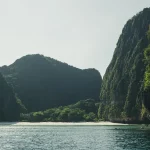
📷 Featured image by Joshua Rawson-Harris on Unsplash.