💰 Click here to see Thailand Budget Breakdown
💰 Prices updated: October, 2026. Budget figures are estimates — always verify before travel.
Exchange Rate: $1 USD = ฿33.60
Daily Budget (per person)
Shoestring: ฿900.00 – ฿1,800.00 ($26.79 – $53.57)
Mid-range: ฿2,150.00 – ฿4,000.00 ($63.99 – $119.05)
Comfortable: ฿6,000.00 – ฿12,000.00 ($178.57 – $357.14)
Accommodation (per night)
Hostel/guesthouse: ฿90.00 – ฿750.00 ($2.68 – $22.32)
Mid-range hotel: ฿1,400.00 – ฿3,500.00 ($41.67 – $104.17)
Food (per meal)
Budget meal: ฿70.00 ($2.08)
Mid-range meal: ฿250.00 ($7.44)
Upscale meal: ฿1,000.00 ($29.76)
Transport
Single metro/bus trip: ฿30.00 ($0.89)
Monthly transport pass: ฿1,155.00 ($34.38)
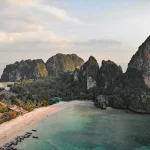
Koh Chang has spent years quietly sitting in the shadow of Koh Samui and Koh Phi Phi, which in 2026 makes it one of the smarter choices on Thailand’s Gulf Coast. The island hasn’t gone undiscovered — Hat Sai Khao fills up during high season — but it still offers something the more Instagram-famous islands have largely lost: real jungle, working fishing villages, and beaches that don’t require a reservation six weeks out. One thing to sort before you go: the ferry system from Trat has had minor schedule adjustments since late 2025, so double-check timings rather than relying on outdated apps.
What Kind of Island Is Koh Chang?
Koh Chang is Thailand’s second-largest island after Phuket, but it behaves nothing like Phuket. Roughly 70% of it is protected national park — dense, steep, dripping rainforest that drops almost directly into the sea on the eastern side. The western coast is where most visitors go, with a string of beaches connected by a single winding road that clings to the hillside.
The vibe shifts depending on where you land. The northern end around Hat Sai Khao leans toward mid-range tourism: beachfront hotels, cocktail bars, massage shops in a row. Head south and the island gets progressively quieter, cheaper, and younger in atmosphere. By the time you reach Lonely Beach, you’re in a different world entirely — backpacker guesthouses, hammocks, fire shows on certain nights. Between these poles is the majority of Koh Chang: small resorts tucked into hillside gardens, family-run restaurants, and roads that smell of woodsmoke and frangipani in the early evening.
The island also has a working Thai population that most visitors never see — the eastern side has fishing communities, a small hospital, and villages where the pace of life has nothing to do with tourism.
The Beaches, Ranked Honestly
Hat Sai Khao (White Sand Beach) is the longest and most developed beach on the island. The sand is genuinely fine, the water is calm, and the sunsets are excellent. But the beachfront road is noisy at night and longtail boats run constantly during peak hours. Go here if you want convenience and nightlife access. Go elsewhere if you want peace.
Klong Prao is the pick for families and couples. The beach is wide, backed by coconut palms, and split by a small river estuary that creates a natural lagoon at low tide. The water is shallower than Hat Sai Khao, which makes it safer for kids. The restaurants along here — particularly the open-air wooden ones built over the river mouth — are some of the best on the island.
Kai Bae sits between Klong Prao and Lonely Beach in both geography and character. Smaller, less crowded, with a rocky headland at the southern end that’s excellent for snorkelling at high tide. Budget guesthouses and mid-range bungalows mix here without friction.
Lonely Beach (Hat Tha Nam) earns its name. The sand is darker and coarser than the northern beaches, but the laid-back atmosphere is real. At low tide, exposed rock formations break up the shoreline. The village behind the beach has the island’s best cheap eats and most sociable guesthouse atmosphere.
Waterfalls and Jungle Trails
Klong Plu Waterfall is the most visited, and for good reason. A 45-minute walk through towering jungle brings you to a wide curtain of water dropping into a clear pool — deep enough to swim in, cold enough to be genuinely refreshing after the walk in. Go before 10:00 to beat day-trippers from the mainland. The entrance fee is 200 THB for foreign visitors as of 2026.
The walk itself is what people underestimate. The trail passes under a canopy so thick that light filters through in narrow shafts, and the sound of cicadas builds into something almost physical by late morning. It’s not a hard walk, but wear shoes with grip — the path gets slippery after rain.
Than Mayom Waterfall on the eastern side of the island is far quieter. It’s a multi-tiered fall with royal inscriptions carved into a boulder — several Thai kings visited and left their marks. The pool here is smaller but the surrounding forest is undisturbed. Worth combining with a drive across the island if you have a scooter.
For jungle trekking, the national park has marked trail networks that don’t require a guide for the lower sections. Independent trekkers should bring water (at least 1.5 litres per person) and insect repellent. Elephants are no longer used for trekking tours on Koh Chang following national park regulations that came into full effect in 2024 — any operator offering elephant rides should be avoided and reported.
Water Adventures Beyond Swimming
Koh Chang is surrounded by dive sites that most people don’t bother with, which keeps them in good condition. The best sites are actually around the smaller islands to the south — Koh Wai, Koh Mak, and Koh Kood are all reachable on day trips. Visibility averages 10–15 metres during high season (November–April). Dive operators on Hat Sai Khao and Klong Prao charge around 2,800–3,500 THB for a two-dive day trip including equipment.
Kayaking the mangrove channels at Bang Bao in the south is one of the island’s most underrated activities. The mangroves here are dense and intact, and the channels narrow to the point where you’re paddling through a green tunnel. Morning is best — the light is different and the water is mirror-still. Half-day rentals run about 400–600 THB per kayak.
Fishing trips depart from Bang Bao pier in the early morning, targeting squid at night and reef fish by day. These are real working trips run by local fishermen, not tourist performances. Expect to pay around 800–1,200 THB per person for a half-day, bait and tackle included.
Where to Eat on Koh Chang
The restaurant strip on Klong Prao is the best overall food zone. Look for the wooden open-air restaurants built over or beside the river — dishes like steamed sea bass with lime and garlic, or green papaya salad with fresh crab, are as good here as anywhere in eastern Thailand. Expect to pay 180–350 THB per main course at these spots.
At Lonely Beach, the village market that sets up from around 17:00 sells grilled corn, pad krapao, and fried chicken at prices locals actually pay — 60–80 THB for a plate of rice with something on top. This is the cheapest and most honest eating on the island.
On Hat Sai Khao, the beachfront restaurants are convenient but marked up significantly. For better value, walk one street back from the beach — the parallel lane has Thai restaurants serving the same food at about 60% of the beachfront price.
Getting to Koh Chang in 2026
The practical route from Bangkok is a combination of bus or minivan to Trat, then a vehicle ferry to the island. From Bangkok’s Eastern Bus Terminal (Ekkamai), direct buses to Trat take approximately 5–6 hours and cost 250–350 THB. Minivans from Khao San Road and Victory Monument do the same journey in 4–5 hours for around 350–450 THB, with a transfer to the ferry included in many packages.
The ferry crossing from Ao Thammachat pier to Dan Kao pier on Koh Chang takes about 30 minutes. As of 2026, there are also ferries from Laem Ngop pier. Crossings run roughly every 30–45 minutes during daylight hours, from around 06:30 to 20:00. The vehicle ferry is the main crossing and costs 80 THB per passenger (plus extra for vehicles). Check current schedules at the pier — phone signal is reliable enough to pull up the ferry company’s page before you arrive in Trat.
There is no direct flight to Koh Chang. Trat Airport, served by Bangkok Airways from Suvarnabhumi, has limited daily flights costing 1,800–3,500 THB one-way depending on availability. It’s faster than the bus but expensive and often sold out during peak dates.
Getting Around the Island
The main road running down the west coast is the backbone of island transport. Songthaews (shared pickup trucks with bench seating in the back) run this route throughout the day, charging 40–80 THB depending on distance. They stop when you flag them and drop you wherever you ask — no fixed timetable, but during daylight hours you rarely wait more than 20 minutes at any beach.
Scooter rental is 250–350 THB per day at most guesthouses and roadside shops. The road is manageable but has steep switchbacks in the middle section — if you haven’t ridden a scooter on hills before, take it slow and don’t attempt it in the rain. The road surface was repaired in late 2025 and is in better condition than it’s been in years, but wet season riding still requires care.
Taxis (fixed-rate cars) are available for longer trips or travel at night. Agree on the price before getting in — typically 300–500 THB for routes between the major beaches.
How Long to Stay
Koh Chang does not work as a day trip. The journey from Bangkok takes most of a day in each direction, and anyone who arrives in the morning and leaves the same evening will see almost nothing of what makes the island worthwhile.
The minimum stay to do the island justice is three nights. That gives you one full beach day, one day for a waterfall hike or boat trip, and one day to explore the southern end and Bang Bao. Five to seven nights is the sweet spot for those who want to include a day trip to Koh Wai or Koh Kood. The island rewards slow travel — the pace here isn’t designed for a checklist approach.
2026 Budget Reality
Koh Chang sits in the mid-range bracket for Thai island costs, slightly above the Andaman budget destinations but well below Koh Samui.
- Budget (under 1,200 THB/day): Fan bungalow at Lonely Beach or Kai Bae (400–600 THB/night), street food and village market meals, renting a scooter to get around. Achievable but requires staying south of Hat Sai Khao.
- Mid-range (1,200–3,500 THB/day): Air-conditioned bungalow or small resort room at Klong Prao (900–1,800 THB/night), restaurant meals twice daily, one paid activity per day (waterfall entry, kayak rental, snorkel trip).
- Comfortable (3,500–7,000 THB/day): Beachfront resort room on Hat Sai Khao or a private pool villa on Klong Prao (2,500–5,000 THB/night), full-service dining, guided diving or fishing trips.
Activities breakdown: Klong Plu Waterfall entry 200 THB, snorkel day trip 1,500–2,000 THB, kayak half-day 400–600 THB, diving day trip 2,800–3,500 THB, fishing trip 800–1,200 THB.
Frequently Asked Questions
When is the best time to visit Koh Chang?
High season runs November to April, when the Gulf of Thailand is calm and skies are clear. May to October brings rain and rougher seas — some resorts close in the heart of wet season (July–September). October and November shoulder months offer lower prices and mostly manageable weather, with occasional heavy downpours but long clear spells between them.
Is Koh Chang safe for swimming?
The western beaches are generally safe for swimming during high season. Klong Prao and Hat Sai Khao have the calmest water. During wet season, currents can be unpredictable and some beaches have no lifeguards. Always check local conditions at your accommodation before swimming, particularly at Lonely Beach, where rips occasionally form near the rocky headland.
Can you visit Koh Chang from Bangkok as a day trip?
No — the journey takes 5–6 hours each way including the ferry. Three nights is the practical minimum stay. Anyone with only one free day is better off visiting a closer attraction from Bangkok.
Are there ATMs and good mobile signal on Koh Chang?
Yes. ATMs are found at Hat Sai Khao, Klong Prao, and the main commercial areas. Most charge a 220 THB foreign withdrawal fee standard across Thailand in 2026. Mobile signal (4G and patchy 5G) is reliable along the west coast road. The eastern side and interior jungle areas have weak or no signal.
Do I need a visa to visit Thailand and Koh Chang in 2026?
Koh Chang has no separate entry requirement — your Thailand visa or visa exemption covers it. Most Western passport holders still receive a 60-day visa exemption on arrival as of 2026, though rules have shifted slightly since 2024. Always verify current exemption terms for your specific nationality on the Thai Ministry of Foreign Affairs website before travelling.
📷 Featured image by Riccardo Chiarini on Unsplash.