On this page
- What Makes Hua Hin Different From Other Thai Beach Towns
- The Beaches: Where to Go Based on Your Vibe
- Markets Worth Your Evening (and Your Appetite)
- Family Activities Beyond the Sand
- Day Trip or Overnight? How Long You Actually Need
- Getting to Hua Hin from Bangkok and Beyond
- Getting Around Once You’re There
- 2026 Budget Reality: What Things Actually Cost
- Frequently Asked Questions
💰 Click here to see Thailand Budget Breakdown
💰 Prices updated: October, 2026. Budget figures are estimates — always verify before travel.
Exchange Rate: $1 USD = ฿33.60
Daily Budget (per person)
Shoestring: ฿900.00 – ฿1,800.00 ($26.79 – $53.57)
Mid-range: ฿2,150.00 – ฿4,000.00 ($63.99 – $119.05)
Comfortable: ฿6,000.00 – ฿12,000.00 ($178.57 – $357.14)
Accommodation (per night)
Hostel/guesthouse: ฿90.00 – ฿750.00 ($2.68 – $22.32)
Mid-range hotel: ฿1,400.00 – ฿3,500.00 ($41.67 – $104.17)
Food (per meal)
Budget meal: ฿70.00 ($2.08)
Mid-range meal: ฿250.00 ($7.44)
Upscale meal: ฿1,000.00 ($29.76)
Transport
Single metro/bus trip: ฿30.00 ($0.89)
Monthly transport pass: ฿1,155.00 ($34.38)
Hua Hin has a reputation problem — not a bad one, but a confusing one. Visitors arrive expecting a quiet royal retreat and find a lively, well-developed town that handles families, couples, and solo travellers equally well. In 2026, with Bangkok’s southern expressway upgrades cutting drive times and a string of new beachfront properties opening, more people are asking whether Hua Hin is worth choosing over Koh Samui or Krabi. The short answer: for a stress-free, no-ferry, genuinely comfortable beach escape within easy reach of Bangkok, it usually wins.
What Makes Hua Hin Different From Other Thai Beach Towns
Hua Hin has been Thailand’s royal beach resort since the 1920s, when Rama VII built the Klai Kangwon Palace here. That royal connection never left. The town is noticeably cleaner, more regulated, and better governed than most Thai coastal destinations. You won’t find the same carnival-strip energy as Pattaya, or the backpacker chaos of Koh Phangan. What you get instead is a town with actual infrastructure — paved promenades, consistent electricity, solid hospitals, and restaurants that operate to international food-safety standards.
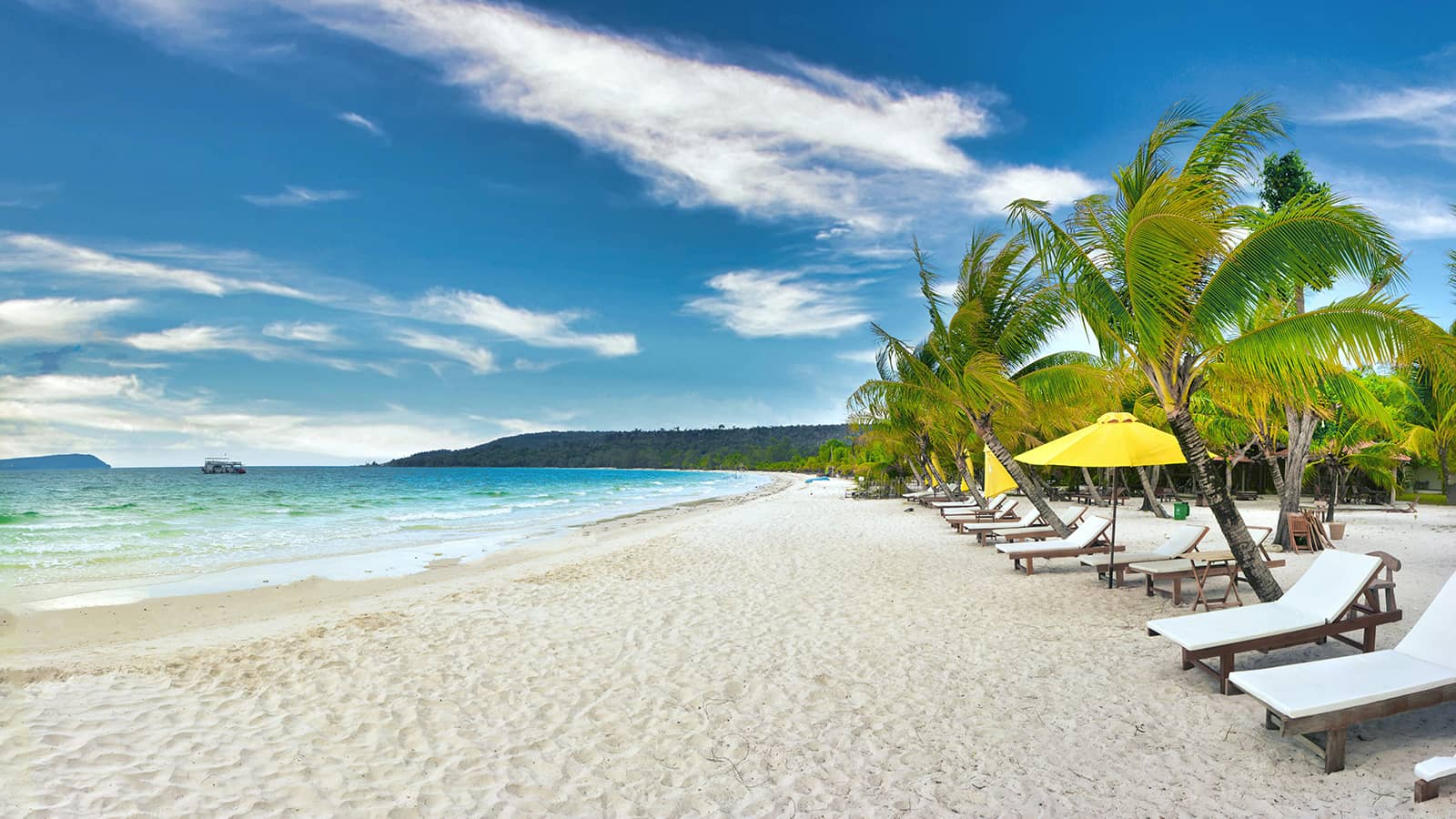
The Prachuap Khiri Khan province coastline here stretches in a gentle curve, backed by low hills covered in pale green scrub. The Gulf of Thailand water is calm year-round by Thai standards, which is a significant practical advantage for families with young children. There are no meaningful rip currents on the main beach. The town also has a functioning night market culture, a proper golf scene, and enough cultural depth to keep curious travellers occupied beyond sunbathing.
The Beaches: Where to Go Based on Your Vibe
Hua Hin Beach itself — the main strip running north from the pier — is the widest and most accessible. The sand is pale and firm enough to walk on barefoot without burning your feet before 9am. Beach vendors sell cold coconuts and rent sun loungers for around 100–150 THB per chair. The pier area gets busy from mid-morning, particularly on weekends when Bangkok residents drive down.
If you want fewer people and more space, head 7 kilometres north to Khao Takiab Beach (also called Monkey Mountain Beach). The crowds thin out noticeably, there’s a small temple on the headland, and the afternoon light hits the water at a low golden angle that makes the whole bay look warmer than it is. Watch your food around the macaques near the temple — they are fast and opportunistic.
For complete quiet, Suan Son Pradiphat Beach another 5 kilometres north is operated by the Royal Thai Army and requires a 30 THB entry fee. The pine trees lining the beach provide natural shade, and the overall atmosphere is calm enough that you can hear the waves clearly. Weekdays here feel almost deserted.
Markets Worth Your Evening (and Your Appetite)
The Hua Hin Night Market on Dechanuchit Road is the most practical. It runs nightly from around 6pm and covers everything from pad thai and grilled seafood to cheap clothing and massage shops. The seafood stalls near the centre grill prawns, squid, and fish directly over charcoal — the smoky salt smell drifts two streets over. Prices are fair rather than touristy, and most vendors accept both cash and QR code payment.
The Cicada Market, open Friday through Sunday evenings on Naebkehardt Road, is a different character entirely. It’s an arts and crafts market with live music stages, small-batch food vendors, and locally designed homewares. It’s popular with Thai urban professionals making weekend trips from Bangkok. The food quality is higher and the prices reflect that, but the atmosphere — fairy lights strung between mature trees, acoustic sets playing softly at the edge of the crowd — makes it worth the extra baht.
The Hua Hin Train Market (Tarad Rot Fai) near the railway station runs on weekends and leans heavily vintage and retro. Think old enamel signs, secondhand cameras, and street food styled around Thai nostalgia. It’s compact and easy to cover in an hour.
Family Activities Beyond the Sand
Vana Nava Water Jungle is the main theme park option and genuinely good. It’s a water park built around a tropical landscape concept with slides, lazy rivers, and a wave pool. Entry in 2026 runs approximately 1,200–1,500 THB for adults and 900–1,100 THB for children. It’s well-maintained and gets very busy on Thai public holidays, so booking online in advance saves both money and queue time.
Hua Hin Hills Vineyard, about 15 kilometres inland, offers wine tastings and vineyard tours in a cooler, hillside setting. It sounds unexpected in Thailand, but the Monsoon Valley wines produced here are genuinely drinkable and the views over the valley are worth the drive. Children can explore the grounds while adults do tastings. Tours in English run on a set schedule.
The Hua Hin Zoo and Night Safari — completely renovated in 2025 — is now a more credible family option than it was a few years ago. The animal welfare standards have improved visibly, and the night safari section with illuminated enclosures runs after 6pm. It won’t compete with world-class zoos, but for a two-hour evening outing with kids, it works.
Day Trip or Overnight? How Long You Actually Need
As a day trip from Bangkok, Hua Hin is technically possible — about 200 kilometres south via the Phetkasem Highway or Rama II Road. But a day trip leaves you rushing. You arrive mid-morning after two to three hours of driving, spend four or five hours at the beach or market, and leave before you’ve really settled in. The town rewards a slower pace.
Two nights is the practical minimum for most travellers. One full day gives you a proper beach morning, a seafood lunch at the pier, an afternoon exploring Khao Takiab, and an evening at the night market. The second morning lets you do whatever you missed without feeling rushed.
Three to four nights makes sense for families with young children, golfers (Hua Hin has seven golf courses within 30 kilometres), or anyone combining the town with a side trip to Sam Roi Yot National Park, about 45 kilometres south. Sam Roi Yot’s limestone hills, cave temples, and freshwater marshes feel genuinely different from the beach and make for a compelling half-day.
Getting to Hua Hin from Bangkok and Beyond
The most comfortable option from Bangkok is the train. The State Railway of Thailand runs multiple daily departures from Hua Lamphong and Bang Sue Grand Station. The journey takes three to four hours and second-class air-conditioned seats cost around 200–350 THB. Hua Hin’s railway station — the one with the famous painted pavilions — is right in the centre of town. In 2026, the Bang Sue departures are now more frequent following the expanded Southern Line schedule updates from late 2025.
Buses from Mo Chit (Bangkok Northern Bus Terminal) and Sai Tai Mai (Southern Terminal) run hourly and take three to four hours depending on traffic. Fares range from 150–250 THB. Air-conditioned coaches are comfortable and reliable.
Driving takes two to three hours from central Bangkok in light traffic, longer on Friday afternoons or Saturday mornings when the road fills with weekenders. The toll road sections via Highway 35 are faster than the old Phetkasem route.
There is no commercial airport at Hua Hin for scheduled domestic flights as of 2026, though charter operations continue for private and golf tourism groups.
Getting Around Once You’re There
Songthaews (shared pickup trucks) cover the main routes along the beach road and into town for 20–40 THB per person. For flexibility, motorcycle taxis are fast and cheap for short trips. Renting a bicycle makes sense if you’re staying near the main beach — the flat seafront road is easy cycling and the morning air before 9am is still cool enough to be pleasant.
Grab operates reliably in Hua Hin in 2026, making it easy to reach markets, the vineyard, or Vana Nava without negotiating fares. Most hotels also offer resort transport arrangements for nearby attractions.
2026 Budget Reality: What Things Actually Cost
- Budget accommodation: 400–800 THB per night for clean guesthouses near the town centre or a short walk from the beach.
- Mid-range accommodation: 1,200–2,500 THB per night for a comfortable hotel with a pool, typically within 500 metres of the beach.
- Comfortable/resort-level: 3,500–8,000+ THB per night for beachfront properties or established resort brands.
- Street food meal: 60–120 THB — pad thai, rice with curry, fresh fruit shakes.
- Seafood restaurant dinner (per person): 300–700 THB at a mid-range spot near the pier.
- Grab ride within town: 60–120 THB depending on distance.
- Golf (green fees): 1,500–3,500 THB depending on the course and time of day.
- Vana Nava Water Park entry (adult): approximately 1,200–1,500 THB.
Hua Hin sits in a comfortable middle ground — not as cheap as Kanchanaburi or Koh Chang, but meaningfully more affordable than Koh Samui or Phuket for equivalent quality. Weekend prices at hotels typically run 20–40% higher than weekday rates.
Frequently Asked Questions
Is Hua Hin worth visiting if I’ve already been to Phuket or Koh Samui?
Yes, but for different reasons. Hua Hin is not about dramatic scenery or island isolation — it’s about ease, comfort, and practical proximity to Bangkok. If you want a relaxed beach trip with good food, no ferry crossings, and reliable infrastructure, Hua Hin delivers something those islands don’t.
What is the best time of year to visit Hua Hin?
November through April is peak season with dry skies and calm seas. Hua Hin sits on the Gulf of Thailand’s western shore, so it avoids the monsoon that hits Phuket and Krabi from May to October. Even during the rainy season, Hua Hin often gets only afternoon showers rather than all-day rain.
Is Hua Hin safe for families with young children?
Genuinely yes. The main beach has no significant currents, the town is clean and well-lit, traffic moves slowly near the seafront, and there are plenty of child-friendly restaurants and activities. The water park, night market, and vineyard all cater explicitly to families.
Can I visit Hua Hin as a day trip from Bangkok?
Technically possible but not recommended. You’ll spend more time in transit than on the beach, and the town genuinely rewards an overnight stay. One or two nights transforms the experience from a rushed excursion into a genuine break.
Do I need to speak Thai to get around Hua Hin?
No. English signage is widespread, restaurant menus are commonly bilingual, and Grab operates with app-based booking that removes language barriers for transport. Staff at mid-range and above hotels almost always speak functional English. Basic Thai phrases are appreciated but not required.