💰 Click here to see Thailand Budget Breakdown
💰 Prices updated: October, 2026. Budget figures are estimates — always verify before travel.
Exchange Rate: $1 USD = ฿33.60
Daily Budget (per person)
Shoestring: ฿900.00 – ฿1,800.00 ($26.79 – $53.57)
Mid-range: ฿2,150.00 – ฿4,000.00 ($63.99 – $119.05)
Comfortable: ฿6,000.00 – ฿12,000.00 ($178.57 – $357.14)
Accommodation (per night)
Hostel/guesthouse: ฿90.00 – ฿750.00 ($2.68 – $22.32)
Mid-range hotel: ฿1,400.00 – ฿3,500.00 ($41.67 – $104.17)
Food (per meal)
Budget meal: ฿70.00 ($2.08)
Mid-range meal: ฿250.00 ($7.44)
Upscale meal: ฿1,000.00 ($29.76)
Transport
Single metro/bus trip: ฿30.00 ($0.89)
Monthly transport pass: ฿1,155.00 ($34.38)
Flying from Bangkok to the South
Koh Lipe sits at Thailand’s southernmost tip, tucked against the Malaysian border in the Andaman Sea. In 2026, it remains one of the country’s most remote and rewarding islands — but that remoteness comes with a real logistics puzzle. The most common frustration travellers report is underestimating the journey time. Getting this wrong means missing the last ferry, sleeping in Hat Yai, or arriving to find your resort fully booked because you pushed the trip back a day. Here’s how to get it right.
There is no airport on Koh Lipe itself. Your closest options are Hat Yai International Airport (HDY) or Trang Airport (TST), both of which have direct flights from Bangkok’s Suvarnabhumi (BKK) and Don Mueang (DMK) airports.
From Don Mueang, budget carriers AirAsia and Nok Air both run multiple daily flights to Hat Yai. Flight time is around 1 hour 30 minutes. Thai Lion Air and Thai VietJet also serve this route. Trang is slightly closer to Pak Bara pier — the main jumping-off point for Koh Lipe — but flights are less frequent. In 2026, AirAsia operates Hat Yai more heavily than Trang, so most travellers use Hat Yai as the gateway.
From Hat Yai Airport, shared minivans run directly to Pak Bara Pier. Several transport companies operate this route; the journey takes about 1 hour 30 minutes to 2 hours depending on traffic. Book in advance during peak season (November to April) — seats fill fast and you do not want to be stranded at Hat Yai airport at 3pm with the last ferry at 4pm.
If you’re coming from Trang, the pier at Pak Bara is roughly 2 hours by minivan. Trang also has its own pier at Trang Town Pier, where some seasonal speedboat services operate directly to Koh Lipe — check current schedules as these routes have shifted operators since 2024.
Ferry Routes to Koh Lipe
Koh Lipe is only reachable by boat. The primary route runs from Pak Bara Pier in Satun Province, about 75 kilometres south of Hat Yai. In 2026, the main ferry operators on this route are Tigerline Travel, Satun Pakbara Speedboat Club, and Bundhaya Speed Ferry. These run high-speed boats that take roughly 1 hour 30 minutes to 2 hours depending on sea conditions and whether they stop at other islands like Koh Bulone or Koh Tarutao first.
High season ferry schedule (roughly November to May): boats depart Pak Bara at approximately 9:30am, 12:00pm, and 3:00pm. Schedules shift annually, so always confirm departure times directly with the operators or through your accommodation on Koh Lipe.
Low season (June to October) is a different story. Many ferry services suspend completely during heavy monsoon months, typically July and August. Some operators run reduced schedules in June and September if seas are calm. Koh Lipe’s low season is real — several resorts close entirely and getting to the island becomes genuinely difficult. If you’re travelling outside the November to May window, email ahead to confirm services are running.
There is also a long-haul ferry option from Phuket operated by Tigerline. This scenic route passes through multiple islands and takes a full day — it’s more of an experience than an efficient transport choice, but it works well if you’re island-hopping southward through the Andaman. This route typically runs from October to May.
The Pak Bara Pier Experience
Pak Bara is a small fishing town, and its pier reflects that. This is not Phuket’s slick Rassada Pier with air-conditioned waiting halls. The pier area has a cluster of travel agencies, food stalls, and ticket booths where operators compete loudly for your attention. The salt-and-diesel air hits you as you step out of the minivan, and the boats bob noisily at the dock while handlers shout for passengers.
Here’s what to do on arrival: confirm your ticket, check which boat you’re on, and tag your large luggage — it goes in the hull. Keep valuables, medications, and anything you’d miss if it got wet in your day bag and on your person. The speedboats can be wet rides, especially in moderate swell, and luggage in the hull occasionally gets damp.
Arriving at Koh Lipe itself involves a longtail boat transfer from your ferry to the Walking Street beach area — there is no proper deep-water pier on the island. This short transfer (5 to 10 minutes) costs around THB 100 and is included in most ferry tickets, but confirm this when booking. Wading through shallow water onto the beach with your bags is normal. Wear sandals you can get wet.
Entering Koh Lipe from Malaysia via Langkawi
One of the more interesting ways to reach Koh Lipe in 2026 is by crossing from Langkawi, Malaysia’s duty-free island just across the maritime border. This cross-border route has become increasingly popular with travellers doing a Southern Thailand–Malaysia loop without backtracking through Bangkok.
Tigerline Travel and Bundhaya Speed Ferry both operate the Langkawi–Koh Lipe route during high season. Journey time is approximately 1 hour 30 minutes. Importantly, Koh Lipe operates as an immigration checkpoint — you enter Thailand here, get your passport stamped, and clear Thai immigration on the beach at Walking Street. It’s informal by design, but legally proper. Make sure your passport has at least 6 months validity.
The 2026 Thai visa rules are relevant here: most Western passport holders receive a 60-day visa exemption on arrival. If you’re planning to enter Thailand via this crossing rather than an airport, confirm current exemption rules for your nationality before travel, as land and sea crossing allowances have been adjusted multiple times since 2024. The Immigration Bureau’s official site has the most current breakdown by nationality.
From Langkawi, boats typically depart once daily in high season from Kuah Jetty. Book in advance during the November to April peak, as seats are limited and this route draws both island-hoppers and travellers who’ve done the Cameron Highlands–Penang–Langkawi loop.
Day Trip or Overnight?
Koh Lipe is not a day trip destination. The logistics alone — at minimum 3 to 4 hours of travel each way from Hat Yai — make a same-day return impractical for most travellers. More importantly, the island doesn’t reveal itself quickly. The real Koh Lipe experience is watching the light change over Sunrise Beach at dawn with almost no one around, or floating in the extraordinarily clear water above reef systems in the Tarutao National Marine Park that surrounds the island.
Most visitors find that 3 nights is the sweet spot — enough time to explore the main beaches (Sunrise, Sunset, Pattaya), do a snorkelling day trip, and eat your way through Walking Street without feeling rushed. A full week is not unusual for travellers who came for three days and simply extended their stay.
If you’re genuinely time-restricted, two nights still gives you a full day on the water and a proper feel for the island’s pace. One night is possible but leaves most people wishing they’d stayed longer.
2026 Budget Reality: Transport Costs to Koh Lipe
Below is a realistic breakdown of what getting to Koh Lipe costs in 2026, based on the Bangkok–Hat Yai–Pak Bara–Koh Lipe route.
- Budget tier: Don Mueang to Hat Yai on AirAsia or Nok Air (book 4–6 weeks ahead): THB 800–1,500 one way. Shared minivan Hat Yai to Pak Bara: THB 200–280. Ferry Pak Bara to Koh Lipe (speedboat): THB 550–700. Total one-way: approximately THB 1,600–2,500.
- Mid-range tier: Suvarnabhumi to Hat Yai on Thai Airways or Bangkok Airways: THB 2,000–3,500 one way. Private transfer Hat Yai to Pak Bara: THB 900–1,200. Same speedboat ferry: THB 700. Total one-way: approximately THB 3,600–5,400.
- Comfortable tier: Business class flight to Hat Yai or private charter options to Trang, plus private van transfer and premium speedboat: THB 8,000–15,000+ one way.
Note that the Tigerline Phuket–Koh Lipe route (via Phi Phi and Koh Lanta) costs around THB 2,500–3,500 for the full journey but takes most of a day. Fuel surcharges have been applied by most operators since mid-2025 — factor in THB 50–150 per leg on top of base ticket prices.
Practical Tips for the Journey
Timing your visit around the ferry window matters more on Koh Lipe than almost anywhere else in Thailand. The last ferry from Pak Bara typically departs at 3:00pm in high season. If your flight into Hat Yai lands after 1:00pm, you will not make the last boat that day. Plan for an overnight in Hat Yai if your arrival is tight — Hat Yai is a genuinely good city to spend a night in, with an excellent night market and strong southern Thai food.
Luggage considerations: large rolling suitcases are a nuisance on Koh Lipe’s sandy tracks. A 50-litre backpack or soft duffel is far more practical for island life. If you’re arriving with a large case, most accommodation has storage and you can repack essentials on arrival.
Weather window: the island’s best conditions run from November through April. November and December bring calm seas and fewer crowds than January and February, which are peak months. March and April are warm and clear. The sea starts to roughen in May and ferry services thin out. By June, Koh Lipe shifts into genuine low season.
In 2026, Satun Province has improved road signage in English along the Hat Yai–Pak Bara corridor, and several new guesthouses have opened in La-Ngu town near the pier if you need to break the journey. The pier itself has undergone minor upgrades — a covered waiting area has been added, which helps when afternoon rain rolls in.
Frequently Asked Questions
What is the easiest way to get to Koh Lipe from Bangkok?
Fly from Don Mueang to Hat Yai (1 hour 30 minutes), take a shared minivan to Pak Bara Pier (1 hour 30 to 2 hours), then catch a speedboat to Koh Lipe (1 hour 30 to 2 hours). Book the ferry in advance during high season. Total journey time is roughly 5 to 6 hours door to beach.
Can I get to Koh Lipe from Malaysia?
Yes. Tigerline Travel and Bundhaya Speed Ferry operate a seasonal Langkawi–Koh Lipe route during high season (approximately November to May). The crossing takes about 1 hour 30 minutes. Koh Lipe functions as an official Thai immigration entry point, so you’ll have your passport stamped on arrival at Walking Street beach.
Are ferries to Koh Lipe available year-round?
No. Most ferry services suspend or significantly reduce during monsoon season, typically June to October, when seas around Satun Province become too rough for regular speedboat operations. July and August are the least reliable months. Always confirm with your ferry operator before planning a visit outside the November to May high season window.
How much does it cost to get to Koh Lipe from Hat Yai?
A shared minivan from Hat Yai Airport to Pak Bara costs roughly THB 200–280. The speedboat ferry from Pak Bara to Koh Lipe costs THB 550–700. Add THB 100 for the longtail transfer to the beach. Budget approximately THB 900–1,100 total for the Hat Yai to Koh Lipe leg in 2026.
Is there a direct flight to Koh Lipe?
No airport exists on Koh Lipe. The nearest airports are Hat Yai (HDY) and Trang (TST). Hat Yai has more frequent connections from Bangkok. From either airport, you still need a ground transfer to the pier and a speedboat to the island. There are no confirmed plans for an airport on the island as of 2026.
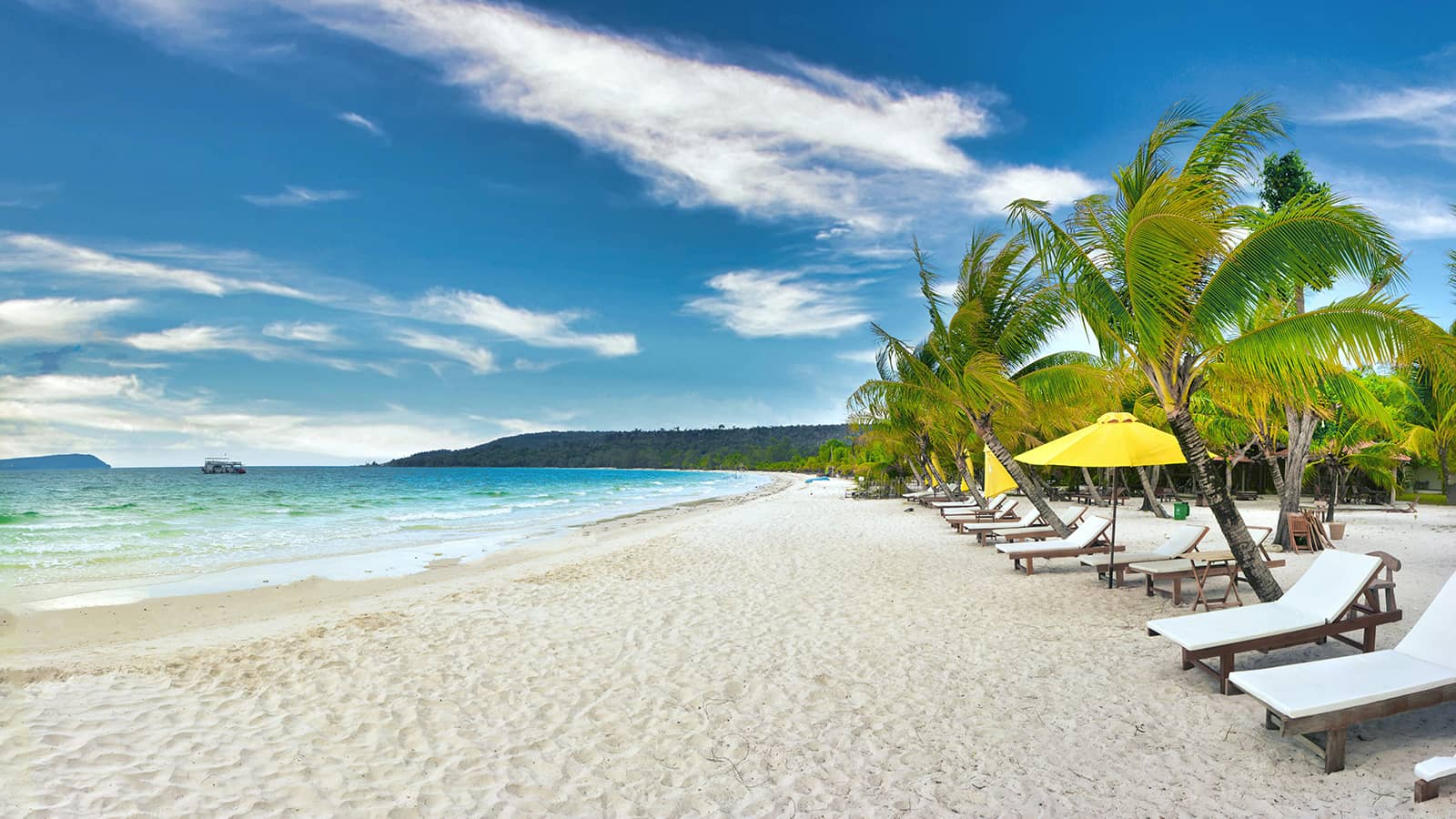
📷 Featured image by Nopparuj Lamaikul on Unsplash.