On this page
- Getting from Bangkok to Koh Chang
- Flying to Trat Airport
- The Koh Chang Ferry — How It Actually Works
- Coming from Cambodia via Hat Lek
- Getting Around Koh Chang Once You Arrive
- Day Trip or Overnight? How Long You Actually Need
- 2026 Budget Reality: Transport Costs at a Glance
- Frequently Asked Questions
💰 Click here to see Thailand Budget Breakdown
💰 Prices updated: October, 2026. Budget figures are estimates — always verify before travel.
Exchange Rate: $1 USD = ฿33.60
Daily Budget (per person)
Shoestring: ฿900.00 – ฿1,800.00 ($26.79 – $53.57)
Mid-range: ฿2,150.00 – ฿4,000.00 ($63.99 – $119.05)
Comfortable: ฿6,000.00 – ฿12,000.00 ($178.57 – $357.14)
Accommodation (per night)
Hostel/guesthouse: ฿90.00 – ฿750.00 ($2.68 – $22.32)
Mid-range hotel: ฿1,400.00 – ฿3,500.00 ($41.67 – $104.17)
Food (per meal)
Budget meal: ฿70.00 ($2.08)
Mid-range meal: ฿250.00 ($7.44)
Upscale meal: ฿1,000.00 ($29.76)
Transport
Single metro/bus trip: ฿30.00 ($0.89)
Monthly transport pass: ฿1,155.00 ($34.38)
Getting to Koh Chang in 2026 is straightforward once you understand the chain of connections — but a surprising number of travellers still miss ferries, book the wrong bus, or end up stranded at the wrong pier. The island sits in the Gulf of Thailand near the Cambodian border, and every route to it ends with a short ferry crossing. The key is understanding what connects to what, and where the real bottlenecks are during high season from November to February.
Getting from Bangkok to Koh Chang
Bangkok is where most journeys to Koh Chang begin. The island is roughly 315 kilometres southeast of the capital, and you have three realistic options: a direct tourist bus, a combination of public bus plus songthaew, or a private minivan. There is no train to Trat, the nearest mainland province, so rail is not part of this equation.
Direct Tourist Bus (Easiest Option)
Several operators run air-conditioned coaches directly from Bangkok’s Ekkamai Bus Terminal or from tourist hubs like Khao San Road. These buses travel to Laem Ngop, the ferry pier area on the mainland, and include the ferry ticket in the package price. In 2026, the journey takes approximately 5 to 6 hours depending on traffic leaving Bangkok. Buses typically depart in the early morning (around 07:00) and early afternoon (around 13:00). The combined bus-plus-ferry ticket costs between 350 THB and 450 THB from Ekkamai, or up to 600 THB from Khao San Road operators who factor in their convenience markup.
Public Bus to Trat, Then Songthaew
The Eastern Bus Terminal at Ekkamai runs regular public buses to Trat town, costing around 220 THB to 280 THB for an air-conditioned VIP service. From Trat’s bus terminal, you take a songthaew (covered pickup truck) heading toward the pier area — about 35 THB to 50 THB. From there, a minibus or songthaew continues to Centerpoint Ferry Pier (also called Laem Ngop) or the nearby Ao Thammachat Pier. This route gives you more schedule flexibility but requires navigating two transfers.
Minivan from Bangkok
Private minivans depart from Mo Chit and Ekkamai areas throughout the day and cost 250 THB to 320 THB to Trat. They are faster than buses — roughly 4 to 5 hours — but the seats are tight on longer legs and drivers sometimes push speeds on the highway. If you have luggage, a full-size bus is more comfortable.
Flying to Trat Airport
Trat Airport (TDX) is a small regional airport with a short runway and limited service. As of 2026, Bangkok Airways operates the only scheduled flights between Bangkok Suvarnabhumi and Trat, with one to two daily departures each way. Flight time is just 50 minutes. The catch is the price: expect to pay 1,800 THB to 3,500 THB one way depending on how far in advance you book, with peak-season last-minute tickets sometimes reaching 5,000 THB. That is a significant premium over the bus-ferry combination.
The airport itself is tiny — a single terminal with a coffee stand and basic seating. After landing, you’ll need to arrange a taxi or minivan to the ferry pier, which is about 25 kilometres away and costs around 400 THB to 600 THB for the whole vehicle, usually shared with other arriving passengers. There is no airport bus service. Flying makes sense if your time is genuinely limited, or if you are connecting directly from another Thai destination like Chiang Mai via Bangkok rather than overland.
One 2026 change worth knowing: Bangkok Airways extended its frequent flyer partnership with several regional carriers this year, so you can now credit Koh Chang-bound Trat flights to a broader range of loyalty programmes than before.
The Koh Chang Ferry — How It Actually Works
Every road to Koh Chang ends at the water. The ferry crossing from the mainland to the island takes about 30 minutes and runs from two main piers near Laem Ngop: Centerpoint Ferry Pier (used by Koh Chang Ferry) and Ao Thammachat Pier (used by Ferryville). Both cross to the Ao Sapparot pier on the island’s north side.
Ferries run continuously throughout the day from roughly 06:00 to 21:00 in both directions, with departures roughly every 30 to 45 minutes during busy periods. There is no need to pre-book a standard passenger ticket. You simply turn up, buy your ticket at the counter, and board when the next ferry fills. A one-way passenger ticket costs 80 THB. If you’re bringing a motorbike, add 50 THB. A car costs around 120 THB to 140 THB each way.
During peak season (December and January), queues for vehicle ferries can stretch 45 minutes or more. Foot passengers almost never wait long. If you’re renting a car in Bangkok and driving down, consider arriving at the pier before 10:00 or after 14:00 to avoid the rush.

Coming from Cambodia via Hat Lek
Koh Chang is the closest major Thai island to Cambodia, which makes it a popular first stop for travellers crossing the border at Hat Lek (Thai side) / Cham Yeam (Cambodian side). The border is open daily from 07:00 to 20:00. After crossing, you’re in Trat province, and from Hat Lek it’s about 90 kilometres to the ferry pier.
Shared minivans wait at the Hat Lek border and run directly to the ferry pier area for around 250 THB to 300 THB per person. This is generally the fastest and cheapest option. Alternatively, you can take a songthaew to Trat town first (about 120 THB) and then connect to the pier from there. The full journey from the border to stepping off the ferry on Koh Chang takes about 2.5 to 3 hours.
In 2026, the visa-on-arrival process at Hat Lek remains available for most nationalities at 2,000 THB, though you should confirm your passport’s eligibility in advance since the approval list is reviewed annually by Thai immigration authorities.
Getting Around Koh Chang Once You Arrive
After the ferry docks at Ao Sapparot, songthaews wait to take passengers south along the island’s main west coast road toward the beaches — Hat Sai Khao (White Sand Beach), Klong Prao, Kai Bae, and Lonely Beach. Fares depend on distance: around 50 THB to Hat Sai Khao, 80 THB to Klong Prao, and up to 120 THB to reach Lonely Beach. Agree on the price before you get in.
For longer stays, renting a motorbike is the most practical option. Daily rentals run 200 THB to 300 THB for a basic automatic scooter. The road conditions on the west side are reasonable, but the east coast road includes some steep, narrow sections that require genuine caution. Taxis and private car rentals are available through most hotels and resorts, though prices are significantly higher.
Day Trip or Overnight? How Long You Actually Need
Koh Chang is not a day trip destination. At roughly 30 kilometres long, it is Thailand’s second-largest island, and the combination of travel time, ferry crossing, and the island’s geography means a day trip from Bangkok would give you maybe three to four hours on the beach before you’d have to turn around. It is not worth the effort.
A minimum realistic stay is two nights. That gives you one full day to settle into the beach pace, explore one or two areas, and have a meal somewhere worth sitting at. Most travellers stay four to seven nights. The island’s interior jungle, elephant sanctuary, waterfalls like Klong Plu, and the quieter east coast all reward more time.
If you are island-hopping from Koh Chang, boat transfers to nearby Koh Mak and Koh Kood are available through local tour operators, adding natural extensions to your trip without backtracking to the mainland.
2026 Budget Reality: Transport Costs at a Glance
Here is a clear breakdown of what getting to and around Koh Chang actually costs in 2026:
- Budget (public bus + ferry from Bangkok): 300 THB to 380 THB one way
- Mid-range (direct tourist bus including ferry): 400 THB to 600 THB one way
- Comfortable (private taxi Bangkok to pier + ferry): 2,500 THB to 3,500 THB one way for the vehicle
- Flight (Bangkok Suvarnabhumi to Trat): 1,800 THB to 5,000 THB one way depending on timing
- Ferry crossing (foot passenger, one way): 80 THB
- Ferry crossing (motorbike, one way): 130 THB
- Ferry crossing (car, one way): 120 THB to 140 THB
- Songthaew from pier to Hat Sai Khao: 50 THB
- Motorbike rental per day on island: 200 THB to 300 THB
- Border crossing at Hat Lek, minivan to ferry pier: 250 THB to 300 THB
Budget travellers can get from central Bangkok to a beach on Koh Chang for under 500 THB total if they use the public bus and manage their pier connection well. The flight option makes financial sense only if you’re on a very tight schedule or are combining with other Bangkok Airways routes under a multi-destination fare.
Frequently Asked Questions
How long does it take to get from Bangkok to Koh Chang?
The total journey time from central Bangkok to the beaches of Koh Chang is approximately 5.5 to 7 hours by bus and ferry, depending on traffic leaving Bangkok and which beach you’re heading to. Flying to Trat and connecting cuts this to around 3 to 3.5 hours, but adds significant cost.
Do I need to book the ferry in advance?
No advance booking is required for foot passengers. Ferries run roughly every 30 to 45 minutes from Centerpoint Ferry Pier and Ao Thammachat Pier throughout the day. Vehicle passengers during peak season (December to January) should arrive at the pier early to avoid long car queues.
Is there a direct bus from Bangkok to Koh Chang?
Yes, several operators run direct air-conditioned coaches from Ekkamai Bus Terminal and Khao San Road that include the ferry connection in the ticket price. These are not door-to-door private transfers — they drop you at the pier, board the ferry together, and terminate at key beaches on the island’s west coast.
Can I bring my car to Koh Chang?
Yes. Both main ferry operators — Koh Chang Ferry and Ferryville — carry vehicles. A standard car costs 120 THB to 140 THB each way for the ferry crossing. There are petrol stations on the island, and the main west coast road is paved and in reasonable condition as of 2026.
What is the nearest airport to Koh Chang?
Trat Airport (TDX) is the closest airport, about 25 kilometres from the ferry pier. Bangkok Airways operates daily flights from Bangkok Suvarnabhumi. From the airport, you need a taxi or shared minivan to reach the pier — there is no scheduled airport bus service in 2026.
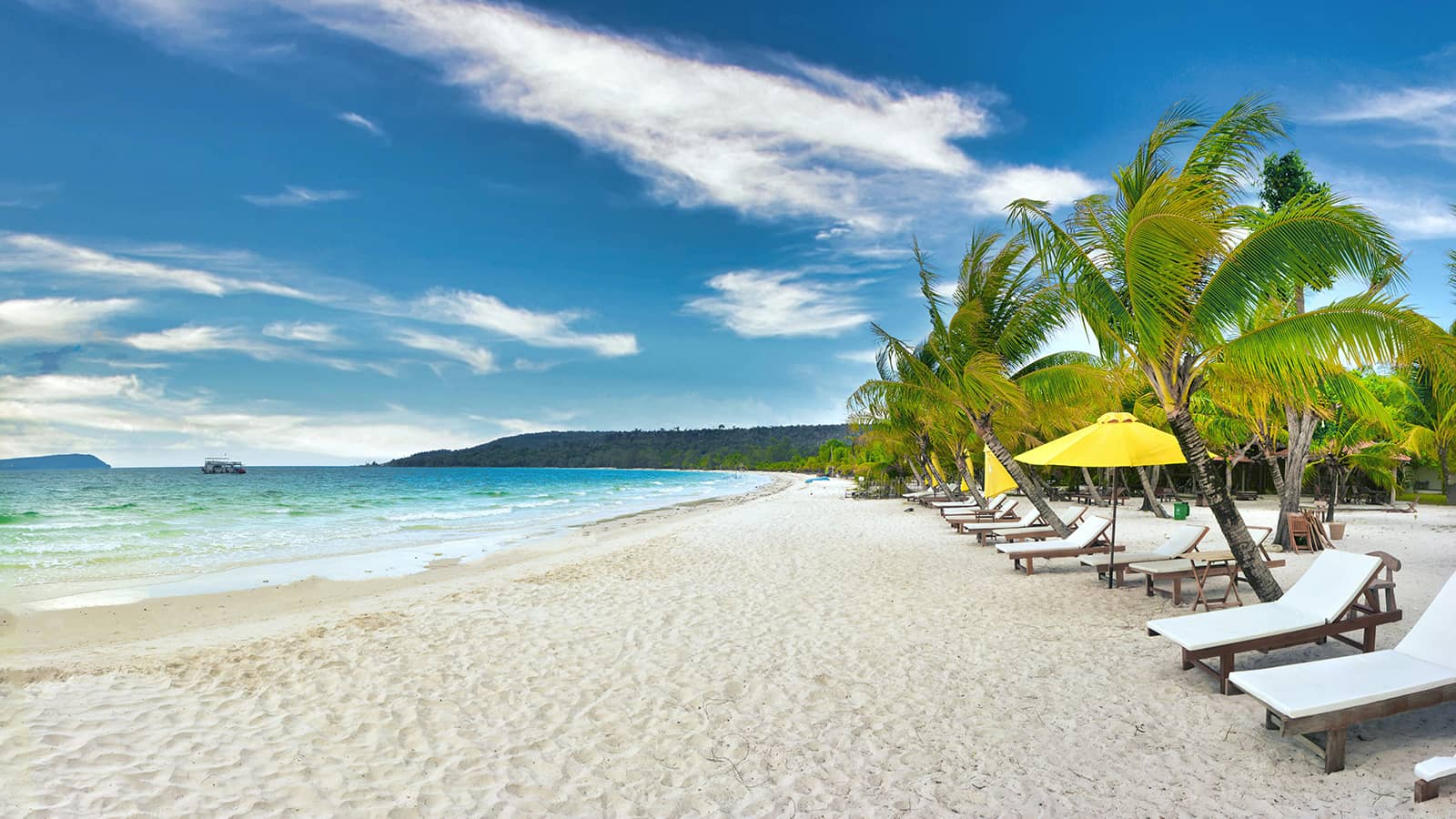
📷 Featured image by Yannick Apollon on Unsplash.