💰 Click here to see Thailand Budget Breakdown
💰 Prices updated: October, 2026. Budget figures are estimates — always verify before travel.
Exchange Rate: $1 USD = ฿33.60
Daily Budget (per person)
Shoestring: ฿900.00 – ฿1,800.00 ($26.79 – $53.57)
Mid-range: ฿2,150.00 – ฿4,000.00 ($63.99 – $119.05)
Comfortable: ฿6,000.00 – ฿12,000.00 ($178.57 – $357.14)
Accommodation (per night)
Hostel/guesthouse: ฿90.00 – ฿750.00 ($2.68 – $22.32)
Mid-range hotel: ฿1,400.00 – ฿3,500.00 ($41.67 – $104.17)
Food (per meal)
Budget meal: ฿70.00 ($2.08)
Mid-range meal: ฿250.00 ($7.44)
Upscale meal: ฿1,000.00 ($29.76)
Transport
Single metro/bus trip: ฿30.00 ($0.89)
Monthly transport pass: ฿1,155.00 ($34.38)
What Pai Actually Is (and Isn’t) in 2026
Pai has a reputation problem — not because it’s bad, but because the internet version and the real version are pretty different. If your expectations come from dreamy Instagram reels showing misty valleys and zero tourists, you’ll land at Pai Airport genuinely confused. In 2026, Pai is still small, still beautiful, and still worth the trip — but it’s also busy, especially between November and February. The town’s Walking Street area fills up every evening. The famous strawberry farms run organized queues on weekends. Knowing this upfront means you can plan around the crowds instead of being blindsided by them.
What Pai genuinely delivers is a change of pace. The air is cooler than Chiang Mai, the landscape shifts between rice paddies and forested ridgelines, and the town is compact enough to explore entirely on foot or Scooter. It attracts a mix of Thai day-trippers from Chiang Mai, long-stay digital nomads, and backpackers doing the Mae Hong Son loop. The vibe is relaxed without being sleepy. Think good coffee, night markets, waterfalls within 20 minutes, and evenings that actually cool down.
The Best Neighborhoods to Base Yourself
Pai is small enough that neighborhood choice is really about lifestyle preference rather than distance. Still, where you stay shapes the experience significantly.
Walking Street Area (Town Centre)
This is the social hub. The main street, Ratchadamnoen Road, and the side lanes around it hold most of the guesthouses, cafés, tour operators, and the nightly Walking Street market. Staying here means you roll out of bed and you’re already in the middle of everything. The downside is noise — music from bars carries until around midnight in peak season, and the street becomes genuinely crowded between 6 PM and 9 PM. Good choice for solo travelers or anyone on a short stay who wants to see everything quickly.
East Side (Across the Pai River)
Cross the small wooden bridge over the Pai River and the atmosphere shifts completely. This area holds quieter guesthouses, some riverside bungalows, yoga studios, and small vegetarian cafés. The air smells of woodsmoke and wild herbs in the mornings. It’s a 5-minute walk back into town, but those 5 minutes create a real psychological buffer from the Walking Street energy. Better for couples, slow travelers, and anyone who needs sleep.
Outskirts and Valley Farms
Several resorts and farm stays sit 2–5 km outside town in the surrounding valley. You get paddy field views, genuine quiet, and sunrise mist over the mountains. The trade-off is total scooter dependency — there’s no reliable transport to get you back and forth at night. If you’re confident on a scooter and not fussed about walking to dinner, this is the most scenic base in Pai.
A 3-Day First-Timer Itinerary
Day 1: Get Your Bearings, Then Go Slow
Spend the morning on foot. Walk the main street, find a coffee shop that suits you (Pai has an outsized number of excellent independent cafés with beans sourced from Doi Chang and Doi Inthanon), and pick up a scooter rental for the next two days. In the afternoon, head to Pai Canyon — locally called Kong Lan — about 8 km south of town. It’s a narrow red-earth ridge with steep drops on both sides and views across the valley. Arrive by 5 PM and you’ll catch the sunset from the ridge while the sky goes deep orange over the forested hills. The walk along the ridge takes about 30 minutes at a relaxed pace. In the evening, hit Walking Street. The market runs nightly but is fullest Thursday through Sunday. Grilled corn, fresh spring rolls, Thai sausages, and coconut pancakes — the smell of charcoal and lemongrass hangs in the warm night air.
Day 2: Waterfalls, Hot Springs, and Hill Village
This is your full scooter day. Start with Mo Paeng Waterfall, about 8 km northwest of town. It’s a wide, tiered falls with natural pools — arrive before 10 AM and you’ll likely have it mostly to yourself. The road there winds past small farms and the sound of the water grows louder before you see it. Then head south to the Tha Pai Hot Springs, roughly 12 km from town. The springs feed a small stream where the geothermal water mixes to a comfortable bathing temperature. Admission is 300 THB per person in 2026. After the springs, loop back through Ban Santichon, the Yunnan Chinese village on a hilltop northwest of town. It’s touristy — souvenir stalls, camel rides, photo ops in traditional dress — but the hilltop views over the valley are legitimately excellent and the Yunnan-style noodle soup sold here is worth stopping for.
Day 3: Slower Pace, Temples, and the Drive Out
Save the temple circuit for your last morning when the crowds are thinner. Wat Phra That Mae Yen sits on a hill east of town — 353 steps up, but the white Buddha visible from the valley floor gives you a sense of the scale. The temple itself is active and well-maintained, with monks present in the early hours. Back in town, grab breakfast at one of the riverside spots and return your scooter before noon if you’re catching an afternoon minivan back to Chiang Mai.
Getting Around Pai Without Stress
Scooter rental is the standard answer in Pai, and it works well — with caveats. Rentals run 200–350 THB per day for an automatic 110cc scooter in 2026. Most shops ask for a passport as deposit, which is not ideal; try to negotiate leaving a cash deposit instead (typically 2,000–3,000 THB). Roads within town are paved and flat. The roads out to attractions are mostly paved but can include steep, narrow switchbacks and gravel sections near waterfalls. If you’ve never ridden a scooter before, Pai’s outskirt roads are not the place to learn.
Walking covers everything in the town centre comfortably. The main street is about 800 metres end to end. Songthaews (shared pickup trucks) run set routes on some outskirt roads but are not reliable for tourist timing. Bicycle rental is available (80–120 THB per day) and works well for the east side river area and flat valley lanes.
2026 Budget Reality
- Budget tier: Dorm beds run 200–350 THB per night. Basic guesthouse rooms with fan and shared bathroom: 350–500 THB. Street food meals cost 50–80 THB. One coffee: 60–100 THB. Daily scooter: 250 THB. A realistic budget day costs around 800–1,200 THB including accommodation.
- Mid-range tier: Private bungalow with air-con and hot shower: 700–1,400 THB per night. Sit-down café meals average 150–250 THB. Day costs including accommodation land around 2,000–2,800 THB.
- Comfortable tier: Boutique resort or farm stay with pool: 2,500–5,000 THB per night. Full-day guided loop with vehicle: 1,200–1,800 THB. Daily spend easily hits 5,000–7,000 THB once you add meals, activities, and a massage (Thai massage in Pai: 250–350 THB per hour).
Compared to 2024, guesthouse prices have risen roughly 10–15% following increased domestic tourism from Chiang Mai. The Tha Pai Hot Springs admission fee increased from 200 THB to 300 THB in early 2025. Most street food prices have stayed stable.
What Catches First-Timers Off Guard
The cold. Between November and February, Pai nights drop to 8–12°C. That’s cold by any standard, and genuinely shocking if you’ve been in Bangkok or beach Thailand. Pack one warm layer at minimum — a light down jacket or fleece. Guesthouses on the east side and in the valley feel the cold more than town centre spots.
The road to Pai. As mentioned, 762 curves. This isn’t exaggeration. First-timers arriving by minivan from Chiang Mai (the standard route, roughly 3 hours, 150–180 THB) often arrive nauseous. The bus is slower but steadier for sensitive stomachs. Pai Airport exists and serves small prop planes from Chiang Mai — the flight takes 25 minutes, costs around 1,800–2,500 THB one-way, and books out fast in peak season.
Phone signal and WiFi. In town, 4G signal is adequate. On the roads and at waterfall trailheads, signal drops out frequently. Download offline maps on Google Maps or Maps.me before you leave town. AIS and DTAC both work reasonably in the valley; True Move struggles more.
Rainy season realities. June through October brings daily afternoon rain, occasionally heavy. Waterfalls are fuller and more dramatic, the valley turns a vivid green, and crowds drop significantly — but some dirt roads to viewpoints become genuinely impassable after hard rain. If you visit in rainy season, budget flexibility into each day and don’t fix a rigid schedule around outdoor activities.
Frequently Asked Questions
How many days do you need in Pai?
Three days is the practical minimum for first-timers — enough to cover the main outdoor spots, explore town, and decompress without rushing. Four or five days suits slower travelers or anyone wanting to add a full-day hike or a cooking class. Anything under two days doesn’t leave enough time to adjust to the pace Pai actually rewards.
Is Pai suitable for families with young children?
Yes, with planning. The hot springs, waterfall pools, and night market are all family-friendly. The scooter-dependent nature of getting to attractions requires a different approach — renting a vehicle with a driver for a day (around 1,500–2,000 THB) works better than putting young kids on scooters. Accommodation in the valley and on the east side tends to be quieter and more suitable for families than the Walking Street area.
What is the best time of year to visit Pai?
November to February is peak season for a reason — cool temperatures, clear skies, and lush post-monsoon landscape. December and January are the busiest months. March and April are warm and dry but can bring haze from agricultural burning across northern Thailand. Rainy season (June–October) is quieter and greener but requires flexibility around outdoor plans.
Can you get from Pai to Mae Hong Son directly?
Yes. Pai sits on Route 1095, which is part of the famous Mae Hong Son loop. Minivans and buses connect Pai to Mae Hong Son town, roughly 2–3 hours west. The road is similarly winding but through more dramatic mountain scenery. As of 2026, daily minivan services run in the morning from the Pai bus station — check times locally as schedules adjust seasonally.
Is Pai safe for solo female travelers?
Generally yes. Pai is one of the more relaxed and low-hassle small towns in Thailand. The town centre is well-lit and active in the evenings. The main risks are the same as anywhere — scooter accidents on unfamiliar roads and the usual nightlife caution. Solo women consistently report feeling comfortable here. Staying on the east side of the river or in the town centre rather than isolated outskirt guesthouses adds an extra layer of practicality.
Explore more
Chiang Mai to Pai Bus vs. Minivan: Which Transport Option is Best?
How to Get to Pai from Chiang Mai: The Ultimate Transport Guide
Best Restaurants in Pai: Your Go-To List for Every Craving
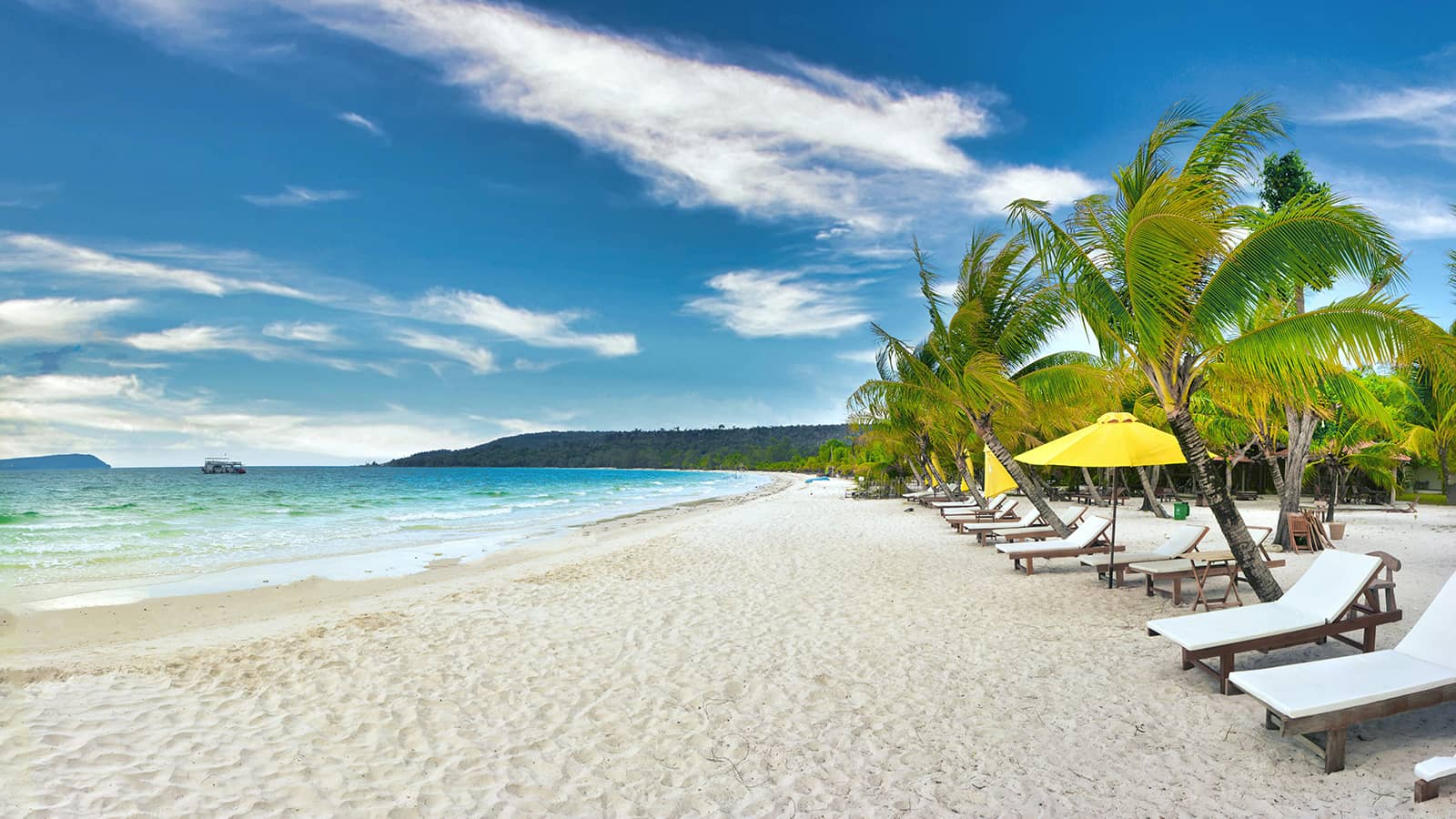
📷 Featured image by Lera Ginzburg on Unsplash.