💰 Click here to see Thailand Budget Breakdown
💰 Prices updated: October, 2026. Budget figures are estimates — always verify before travel.
Exchange Rate: $1 USD = ฿33.60
Daily Budget (per person)
Shoestring: ฿900.00 – ฿1,800.00 ($26.79 – $53.57)
Mid-range: ฿2,150.00 – ฿4,000.00 ($63.99 – $119.05)
Comfortable: ฿6,000.00 – ฿12,000.00 ($178.57 – $357.14)
Accommodation (per night)
Hostel/guesthouse: ฿90.00 – ฿750.00 ($2.68 – $22.32)
Mid-range hotel: ฿1,400.00 – ฿3,500.00 ($41.67 – $104.17)
Food (per meal)
Budget meal: ฿70.00 ($2.08)
Mid-range meal: ฿250.00 ($7.44)
Upscale meal: ฿1,000.00 ($29.76)
Transport
Single metro/bus trip: ฿30.00 ($0.89)
Monthly transport pass: ฿1,155.00 ($34.38)
Phuket in 2026 means long airport queues, beach clubs charging 1,500 THB for a sunbed, and traffic that can turn a 10 km trip into an hour. Many travelers now want the same warm Andaman water without the crowds. The good news is that the coast north and south of Phuket has plenty to offer. It has limestone cliffs, quiet islands, cheap seafood, and villages where the main road is a single lane. This guide shows you where to go, how to move between places, and what it costs.
Why Look Beyond Phuket
The Andaman Coast runs from Ranong in the north to Satun on the Malaysian border. Phuket sits in the middle, but the rest of the coast feels like a different country. Prices are lower, and so is the volume. Krabi has the dramatic scenery: karst towers rising straight out of green water. Koh Lanta has the slow pace. Khao Lak has long, wide beaches and a calm, family-friendly feel. Trang and Satun have the clearest water and the fewest people.
The region is also more Thai than Phuket’s resort strip. You will hear Southern Thai dialect, see Muslim fishing villages next to Buddhist temples, and meet Chao Leh (sea nomad) communities on Koh Lanta. Mornings start with the call to prayer in some towns and with monks collecting alms in others. Nobody is trying to sell you a jet ski.
Since 2024, a few things have changed. Krabi’s airport handles more routes. Marine park rules are stricter, with daily visitor caps and seasonal closures. All foreign visitors must also complete the Thailand Digital Arrival Card (TDAC) online before landing, so do that before you fly.
Best Bases Along the Coast
Choosing the right base matters more here than in Phuket, because the areas are far apart and each one has a clear character.
Ao Nang and Railay (Krabi)
Ao Nang is the easy choice: a busy beach town with restaurants, tour desks, and the best transport links in Krabi. It suits first-timers and families. Railay is a peninsula cut off by cliffs, reachable only by longtail boat. It is the home of Thailand’s rock climbing, and it suits couples, climbers, and anyone who wants dramatic scenery from the hotel balcony.
Krabi Town
A working riverside town with markets, cheap guesthouses, and few tourists. It suits budget travelers and food lovers, and it is the best place for ferry connections.
Koh Lanta
A long island with beaches along the west coast, from busy Khlong Dao to quiet Klong Nin and Bamboo Bay. Old Town on the east coast has wooden stilt houses and Chao Leh culture. It suits long stays, remote workers, and divers heading to Koh Haa and Hin Daeng.
Khao Lak (Phang Nga)
About 80 km north of Phuket airport, Khao Lak is a string of beaches (Bang Niang, Nang Thong, Khuk Khak) with a relaxed, slightly upscale feel. It is a good base for Similan Islands trips and Khao Sok National Park. It suits families and divers.
Koh Yao Noi
An island in Phang Nga Bay with rubber plantations, rice paddies, and views of limestone towers. The mood is rural and Muslim-majority, so dress modestly in the villages. It suits cyclists and travelers who want a quiet, local feel.
Trang Islands (Koh Mook, Koh Kradan, Koh Libong)
These islands have powdery sand, few resorts, and clear water. They suit travelers who value peace over nightlife.
Koh Lipe and Koh Phayam
Koh Lipe, in Satun, is the most beautiful and most developed of the far-south islands. It has three beaches, a lively walking street, and some of the best snorkeling in the country. Koh Phayam, in Ranong, is the opposite: no cars, few paved roads, and a hippie-leaning crowd that stays for weeks.
Top Attractions and Highlights
The best sights here are natural, and many are best done early or late to avoid tour boats.
- Phra Nang Beach, Railay: A small, curved beach under cliffs, with a cave shrine where fishermen leave carved wooden offerings. Arrive before 9:00 and the sand is almost empty.
- Four Islands and Hong Islands, Krabi: Classic boat circuits with sandbars and lagoons. Hong Island is the better pick if you want fewer boats.
- Tham Morakot (Emerald Cave), Koh Mook: You swim through a dark tunnel of about 80 metres, then emerge in a hidden beach inside the cliffs. Go at low tide, and go early before the crowds arrive.
- Similan Islands, Phang Nga: Powder-white beaches and some of the best diving in Thailand. The national park is open only from about mid-October to mid-May, and daily visitor numbers are limited.
- Khao Sok and Cheow Lan Lake: Rainforest older than the Amazon, with floating raft houses on a turquoise reservoir. Wake up to gibbon calls and mist over the water.
- Tiger Cave Temple (Wat Tham Suea), Krabi: A climb of roughly 1,250 steps to a hilltop shrine with views over the whole province. Go at dawn, because by 10:00 the heat is brutal.
- Koh Lipe’s Sunrise Beach and Tarutao National Marine Park: Clear water, coral close to shore, and forested islands that feel truly remote.
Food and Drink Scene
Eating here means fresh seafood, Southern Thai heat, and some of the best markets in the country. The south uses more chilli, turmeric, and fermented shrimp paste than the north. That gives the food a sharper, more fiery edge.
Krabi
Krabi Town’s weekend night market near Chao Fah Pier fills with grilled squid, fried chicken, roti stalls, and plastic tables on the riverside. Maharat Market, the town’s daily fresh market, is the place for breakfast. Look for curry rice stalls and sticky rice with grilled pork. In Ao Nang, the beachfront night stalls and the streets behind the main road have cheaper meals than the tourist restaurants facing the sea. Look for places with Thai-language menus and locals eating.
Koh Lanta
Old Town has small seafood restaurants on stilts over the water, where you choose your fish from the ice tray and watch it grilled over charcoal. Prices are fair, and the smoky smell of the grill drifts across the pier as the sun sets.
Khao Lak and Takua Pa
Bang Niang’s morning market is a good stop for fresh fruit, kanom jeen noodles with curry, and Southern-style snacks. Takua Pa’s old town has Sino-Portuguese shophouses and local cafés, and it is worth a food trip on its own.
Trang
Trang is one of Thailand’s food secrets. Breakfast here is dim sum from early-morning shops around the old clock tower, with steamed pork buns and strong local coffee. At lunch, look for moo yang, roast pork with a crackling skin. The Trang night market (Talat Rot Fai-style food stalls) is a good place to sample many dishes in one evening.
Koh Lipe
Walking Street is lined with grills, pancake carts, and cheap noodle shops. Skip the beachfront restaurants charging 350 THB for pad thai and eat at the small family places on the inland lanes.

Getting Around
There is no BTS or MRT here, so you plan around ferries, minivans, and local pickup trucks. It is easy once you know the pattern.
- Flights: Krabi Airport (KBV) is the main gateway, with domestic and some international routes. Trang and Hat Yai airports serve the far south. Phuket Airport is still the cheapest way in for some travelers, with minivans and buses to Khao Lak and Krabi.
- Minivans and buses: Phuket to Krabi takes about 3 hours and costs 250–350 THB. Krabi to Trang takes about 2 hours. Hat Yai to Pak Bara pier takes about 2 hours.
- Ferries and speedboats: Krabi to Koh Lanta is around 2 hours by ferry or 1.5 hours by minivan and car ferry. Pak Bara to Koh Lipe is a speedboat of about 1.5 hours, costing roughly 600–750 THB. Many routes stop or reduce in the rainy season.
- Songthaews and tuk-tuks: Shared pickup trucks run between Krabi Town and Ao Nang for about 50–100 THB. Converted tuk-tuks and motorbike taxis cover short hops on Koh Lanta and in Trang. Always agree the price before you get in.
- Grab and taxis: Grab works in parts of Krabi, but coverage is patchy and drivers can be hard to find. Elsewhere, expect to rely on local taxis, which often charge fixed rates.
- Scooters: Rentals cost 200–300 THB per day. Roads on Lanta and Koh Yao Noi are fairly quiet, but accidents are common and insurance rarely covers you without the correct licence. Wear a helmet.
- Longtail boats: Ao Nang to Railay costs roughly 100–200 THB each way, depending on time of day. Boats leave when full, and they do not run in rough seas.
Day Trips
- Krabi to Railay and Phra Nang (half day): A 15-minute longtail from Ao Nang. Go early, climb to the viewpoint (about 30–45 minutes, steep and muddy), then swim at Phra Nang.
- Krabi Town to Hong Islands (full day): A speedboat or longtail tour of about 7–8 hours, around 1,200–2,000 THB, including lunch and snorkeling.
- Khao Lak to Similan Islands (full day, October–May): Speedboat trips take 1.5 hours each way and cost around 2,800–3,800 THB with park fees. Expect an early start from the pier.
- Khao Lak to Khao Sok (full day): About 1.5 hours by road. A day trip covers the jungle trail and a lake cruise, although an overnight stay on a raft house is better.
- Koh Lanta to Koh Rok or Koh Haa (full day): Speedboat tours of 1 hour each way, with snorkeling or diving. Koh Rok has some of the clearest water on the coast.
Nightlife and Entertainment
Nightlife here is small-scale and easygoing. Do not expect Patong’s neon strip. Think beach bars with fire spinners, reggae playing from a driftwood shack, and cold beers with your feet in the sand.
- Ao Nang: Bars and live-music pubs along the main road, with a few beach clubs near the pier. Sunset drinks at the western end of the beach are the best deal of the evening.
- Railay: Reggae bars on Railay East, popular with climbers, and a few beach bars on Railay West. Most are quiet by midnight.
- Koh Lanta: A handful of beach bars along Khlong Dao and Long Beach, plus Old Town’s low-key cafés and bars.
- Koh Lipe: The liveliest scene outside Phuket. Walking Street has bars and live bands, and Sunrise Beach has chilled-out bars with bonfires.
- Khao Lak: The quietest of the lot. Expect a few bars, restaurants with live acoustic music, and early nights.
Alcohol sales have standard Thai restrictions, including bans on certain days and times, and some Muslim-majority islands have almost no bars. Ask your hotel before you head out.
Shopping
- Ao Nang Walking Street and Krabi Town night market: Beachwear, sarongs, fisherman pants, and souvenirs. Bargain politely. A sarong starts around 150 THB and settles near 100.
- Lanta Old Town: Handmade jewellery, batik shirts, and shell crafts made by local artists, often cheaper than the beach shops.
- Takua Pa and Khao Lak markets: Local snacks, dried fruit, and handwoven goods.
- Koh Phayam: Roasted cashew nuts, a local specialty, sold in bags from around 100 THB.
- Trang: Local cakes, Trang-style snacks, and cotton goods in the central market.
For malls, Krabi has Ao Luek and Central-style stores near Krabi Town. Phuket’s big malls are the better choice if you need electronics or sunscreen at standard prices.
Accommodation Areas
Each tier looks different from region to region, and island prices rise sharply in high season (December–February).
Budget (400–900 THB per night)
Krabi Town guesthouses, Ao Nang’s side-street hostels, and bamboo bungalows on Lanta, Koh Phayam, and Koh Mook. Expect fan rooms, basic bathrooms, and honest hosts.
Mid-range (1,200–3,000 THB per night)
The sweet spot in the region. Air-conditioned bungalows on Lanta’s beaches, boutique hotels in Ao Nang, family-run resorts in Khao Lak, and seafront rooms in Koh Lipe. Pools and breakfast are common at this level.
Luxury (4,000+ THB per night)
Private-pool villas in Railay and Khao Lak, eco-lodges in Koh Yao Noi, and resorts on quiet Trang islands. High-end places often include boat transfers and food credits, so check what is bundled.
Booking tip: prices on island beaches can drop 30–50% in the rainy season, though ferry reductions limit options.
Best Time to Visit
The Andaman Coast has two seasons: dry and wet. The right time depends on where you are going.
- November to April (dry season): Calm seas, clear water, and the best conditions for island hopping. December to February is the peak, with the highest prices and the most visitors. Temperatures sit around 28–34°C.
- March to April: Hotter and quieter, with excellent visibility for diving. Songkran in mid-April brings water fights and many local travelers.
- May to October (monsoon): Rain, rough seas, and many closures. National parks including the Similans close, and ferries to Koh Lipe and the Trang islands slow or stop. The upside is empty beaches and discounted rooms. Lanta, Koh Yao Noi, and Krabi Town stay accessible all year.
- Festivals: Loy Krathong (November) lights up rivers across the region. The Chao Leh Loy Reua boat-floating ceremony on Koh Lanta takes place at full moon in May and November. Trang and Phuket’s Vegetarian Festival in October brings street processions and food stalls.
For the best balance of weather and fewer crowds, aim for late November or March.
Practical Tips
- Safety: The Andaman Coast is generally safe. Watch for rip currents, especially in the monsoon, and obey red flags. Jellyfish appear during certain months. Avoid travel to Pattani, Yala, and Narathiwat in the far south, where government warnings apply. Satun and Trang are normal tourist areas.
- Dress: Cover shoulders and knees in temples and Muslim villages. Do not walk through towns in swimwear.
- Tipping: Not expected, but 20–50 THB for drivers and guides, or 10% for sit-down restaurants without a service charge, is appreciated.
- Language: English works in tourist areas. In Trang, Krabi Town, and small villages, simple Thai phrases help. A smile and “khop khun krap/ka” go a long way.
- SIM cards: Buy a tourist SIM or eSIM at the airport. AIS and TrueMove offer the best coverage on the islands, with around 300–600 THB for 15–30 days of data. Signal can drop on remote islands like Kradan and Phayam.
- Water: Tap water is not drinkable. Refill from large bottled water stations (about 1–10 THB per litre) to cut plastic waste.
- Money: Many island businesses are cash-only. ATMs charge about 220–250 THB per foreign card withdrawal, so take out larger amounts. Bring cash before you go to Phayam, Mook, or Kradan, where machines are rare.
- Siesta and opening hours: Many local shops close for part of the afternoon, and smaller restaurants shut early in low season. Mornings are the best time for markets and active sightseeing.
2026 Budget Breakdown
These are typical daily costs per person, excluding flights, based on a mix of island and mainland stays.
Budget: 1,000–1,800 THB per day
- Room: 400–800 THB (fan bungalow or hostel bed)
- Food: 250–400 THB (street food, markets, local restaurants)
- Transport: 100–300 THB (songthaews, shared longtails)
- Activities: 100–300 THB (park fees, snorkeling gear)
Mid-range: 2,500–4,500 THB per day
- Room: 1,200–2,500 THB (air-conditioned bungalow or hotel)
- Food: 600–1,000 THB (mix of local and beachfront restaurants)
- Transport: 300–600 THB (scooter rental or taxis)
- Activities: 500–1,200 THB (day tours, kayaking, cooking class)
Comfortable: 6,000–12,000+ THB per day
- Room: 3,500–8,000 THB (pool villa or boutique resort)
- Food: 1,200–2,500 THB (seafood dinners, cocktails)
- Transport: 800–1,500 THB (private transfers, speedboats)
- Activities: 1,500–3,500 THB (private boat charters, diving trips)
Typical prices to keep in mind: a street-food meal costs 60–100 THB, a beer at a beach bar costs 100–150 THB, a full-day snorkeling tour costs 1,200–2,500 THB, and a two-tank dive costs around 2,500–3,500 THB.
Frequently Asked Questions
Which is better, Krabi or Phuket?
Krabi is better if you want dramatic scenery, lower prices, and a quieter pace. Phuket offers more nightlife, shopping, and flight connections. Many travelers fly into Phuket and spend most of their time in Krabi, Khao Lak, or Koh Lanta, which are only a few hours away.
What is the best island on the Andaman Coast other than Phuket?
It depends on your style. Koh Lipe has the clearest water and best snorkeling. Koh Lanta is relaxed and good for long stays. Koh Yao Noi is quiet and rural, and Koh Phayam is peaceful and car-free. Most first-timers choose Lanta for its balance of comfort and calm.
When do Andaman islands close for the rainy season?
Many marine parks, including the Similan Islands, close from roughly mid-May to mid-October. Koh Lipe and the Trang islands have limited ferry service in the monsoon. Larger islands like Koh Lanta and Koh Yao Noi stay open, though some businesses close and seas can be rough.
How many days do you need for the Andaman Coast beyond Phuket?
Plan at least 7 to 10 days for two or three bases, such as Krabi, Koh Lanta, and Koh Lipe. With two weeks you can add Khao Lak and Khao Sok or the Trang islands. Shorter trips work best when focused on one area.
Is the Andaman Coast cheaper than Phuket?
Yes, usually. Rooms, food, and transport cost 20–40% less in Krabi Town, Lanta, and Trang than in Phuket’s beach areas. Koh Lipe and Railay can be close to Phuket prices in peak season, but street food and local transport remain good value across the region.
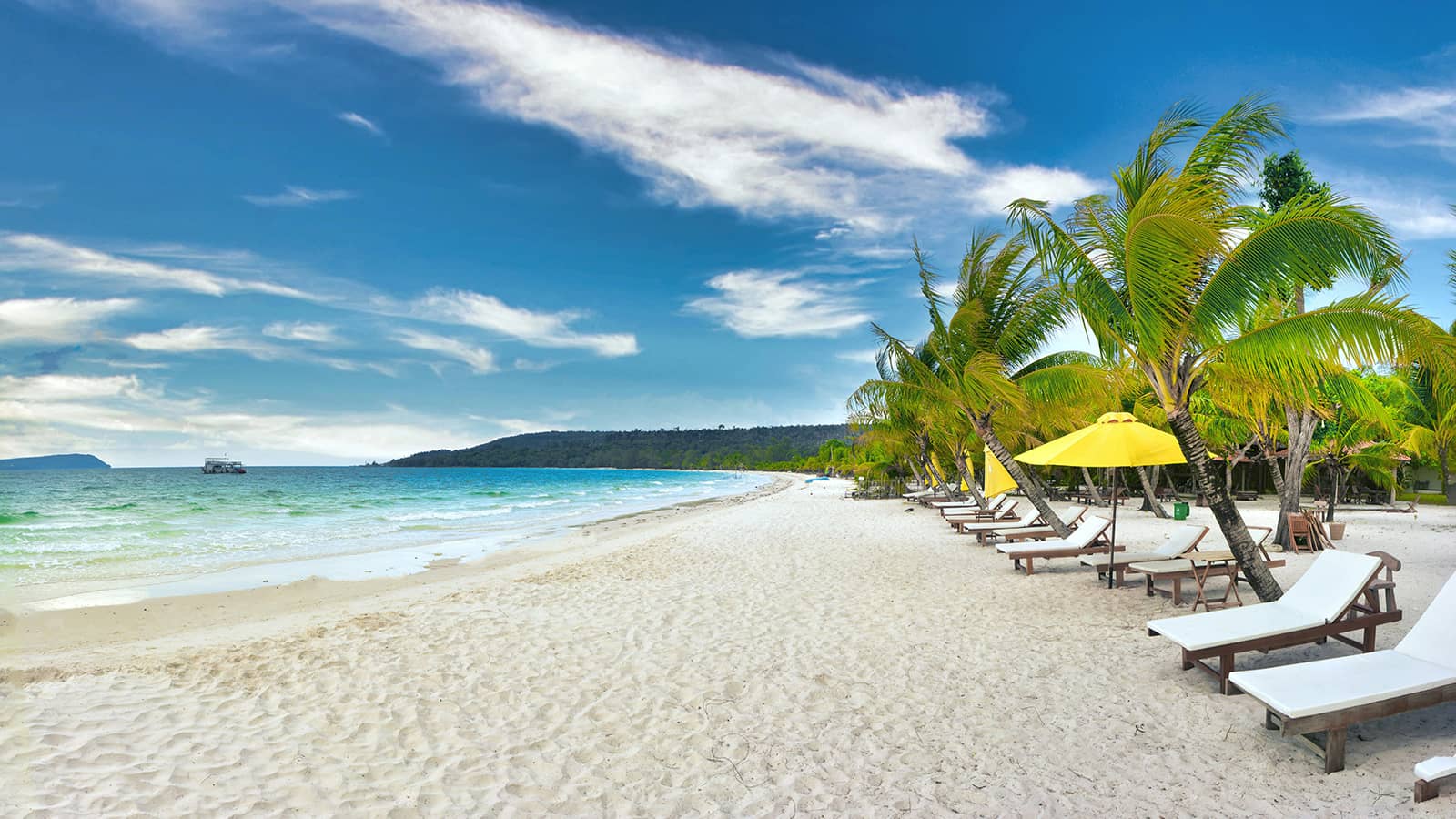
📷 Featured image by Max Tcvetkov on Unsplash.