On this page
- Why Warorot Still Matters in 2026
- Getting There and Moving Around the Market Area
- Ground Floor Food Shopping: What to Buy and Where to Look
- Upstairs Textiles, Clothes, and Practical Souvenirs
- Ton Lamyai Flower Market and the Riverside Edge
- Timing Your Visit: Hours, Heat, and Smoke Season
- Cash, Bargaining, and Stall Manners
- 2026 Budget Reality
- A Simple Two-Hour Route
- Frequently Asked Questions
💰 Click here to see Thailand Budget Breakdown
💰 Prices updated: November, 2026. Budget figures are estimates — always verify before travel.
Exchange Rate: $1 USD = ฿33.74
Daily Budget (per person)
Shoestring: ฿900.00 – ฿1,500.00 ($26.67 – $44.46)
Mid-range: ฿2,000.00 – ฿4,000.00 ($59.28 – $118.55)
Comfortable: ฿6,000.00 – ฿12,000.00 ($177.83 – $355.66)
Accommodation (per night)
Hostel/guesthouse: ฿200.00 – ฿600.00 ($5.93 – $17.78)
Mid-range hotel: ฿1,000.00 – ฿2,500.00 ($29.64 – $74.10)
Food (per meal)
Budget meal: ฿60.00 ($1.78)
Mid-range meal: ฿250.00 ($7.41)
Upscale meal: ฿1,500.00 ($44.46)
Transport
Single metro/bus trip: ฿15.00 ($0.44)
Monthly transport pass: ฿1,200.00 ($35.57)
Many visitors to Chiang Mai in 2026 spend their shopping time at air-conditioned malls or at the Night Bazaar, where prices are inflated and the goods are often the same as in Bangkok. Warorot Market, known locally as Kad Luang, is where Chiang Mai residents still buy their weekly groceries, wedding fabric, and gifts for relatives. It is crowded and a little chaotic, and it is the most honest shopping experience in the City.
Why Warorot Still Matters in 2026
Warorot grew up in the early 20th century along the Ping River, when Chinese, Burmese, and northern Thai traders used the riverbank as a commercial crossroads. The name Kad Luang means “great market” or “royal market.” The area still carries that old trading character, with narrow lanes, tall shophouses, and family businesses passed down through generations.
The main building is a multi-storey market hall with extra stalls spilling onto Wichayanon Road and the side streets. Food is mostly on the ground floor, while fabric, clothing, and household goods fill the upper levels. Unlike the Sunday Walking Street, Warorot is not built around tourists. You will see office workers buying lunch, grandmothers choosing chillies, and restaurant cooks hauling sacks of herbs.
Since 2024, a few things have changed. More stalls sell vacuum-packed versions of northern foods, so taking home sausage and chilli pastes is easier than before. Cafés and small guesthouses have also opened in the surrounding Chinatown streets, which makes the area a better base for a full morning out.
Getting There and Moving Around the Market Area
Warorot sits about 1 km east of Tha Phae Gate. From inside the Old City, the walk takes 15 to 20 minutes. Head east along Tha Phae Road, cross the Ping River side streets, and follow the growing stream of motorbikes and market carts. Walking is pleasant in the early morning, but it gets hot fast after 10:00.
Grab and Bolt both work well in Chiang Mai, and a ride from the Old City usually costs 50 to 90 THB depending on traffic. Red songthaews are cheaper for shared rides, but you need to agree on a price before you get in. Chiang Mai has no metro, so do not plan on rail. Drivers usually drop you on Wichayanon Road or near the flower market side. For pickup afterwards, walk one block away from the main road so that your driver can find you without fighting traffic.
Parking is limited and chaotic. If you rent a scooter, use a paid lot nearby rather than leaving it on the roadside, where tow trucks and one-way rules catch visitors out.

Ground Floor Food Shopping: What to Buy and Where to Look
Start on the ground floor, where the smell hits you first. Charcoal smoke drifts from grills where sai ua, the northern herb sausage, sizzles with lemongrass, galangal, and red chilli. Nearby, rows of golden pork crackling hang beside baskets of dried chillies, and the air smells of fried garlic and fermented soybean.
Here is what to look for:
- Sai ua and sai oua variations: Buy grilled portions to eat now, or vacuum-packed packs to take home.
- Nam prik noom and nam prik ong: These northern chilli dips are sold in small tubs. Pair them with sticky rice and cucumber.
- Kaeng hang lay paste: This is the base for the Burmese-influenced pork curry that is so common in the north.
- Kaep moo: Crispy pork skin, sold by the bag and often used to scoop up chilli dips.
- Dried fruit, nuts, and tea: Look for local longan, dried mango, roasted peanuts, and northern teas.
- Khanom and sweets: Small sticky desserts wrapped in banana leaf make good snacks for the day.
Choose stalls that are busy and have a fast turnover. Locals queue where the food is freshest, so follow them rather than the signs. Most sellers will give you a taste of dips and snacks before you buy.
Upstairs Textiles, Clothes, and Practical Souvenirs
Take the stairs up and the mood changes completely. The upper floors are quieter, with the soft rattle of sewing machines and the chalky smell of fabric rolls stacked to the ceiling. This is where local people shop for school uniforms, festival outfits, and everyday clothes.
Good buys include:
- Cotton fabric by the metre: Plain, printed, and woven fabric for tailors in Chiang Mai.
- Northern-style skirts and wraps: Traditional pha sin skirts in woven patterns.
- Mor hom shirts: The indigo-dyed farmer’s shirt of northern Thailand, now popular as casual wear.
- Bags, hats, and fisherman pants: Practical items that cost far less than at tourist stalls.
- Sewing supplies: Ribbon, buttons, and thread are cheap and useful if you are making something custom.

Be realistic about quality. Cheaper shirts are often synthetic, and handwoven or hand-dyed pieces cost more. If a “handmade” item costs the same as a factory shirt, it is probably factory-made. Feel the fabric and check the stitching before you buy.
Ton Lamyai Flower Market and the Riverside Edge
Across Wichayanon Road, Ton Lamyai is the flower market that supplies temples, hotels, and weddings across the city. It is smaller than Warorot, but it adds a different layer of colour. Buckets of jasmine garlands, marigolds, roses, and orchids are arranged in tight rows, and the sweet smell of jasmine hangs in the air.
Flowers here are sold wholesale and retail. A fresh jasmine garland or a small bundle of flowers for a temple offering costs very little, and the sellers are used to explaining which flowers are used for which purpose. Picking up a small offering for a nearby temple is a nice way to connect the market with local life.
From here, you can walk towards the Ping River. The riverbank has a more relaxed pace, with small cafés and views of old wooden houses. It is a good place to sit down and sort out what you have bought.
Timing Your Visit: Hours, Heat, and Smoke Season
Warorot opens early, and the food section is at its best from 06:00 to 10:00, when everything is fresh and the heat is manageable. Many stalls begin to close by late afternoon, and the upper floors may close earlier than you expect. Check the hours with a local if you plan to visit near closing time.
Chiang Mai’s smoke season, typically February to April, affects air quality throughout the city. On days with high PM2.5, the market’s open sides and crowded lanes are uncomfortable, and an N95 mask is a sensible choice. From June to October, rain showers can arrive quickly in the afternoon. A morning visit solves both problems.
Weekdays are calmer than weekends. Around festival periods, such as Songkran in April and Loy Krathong in November, the market gets very busy with locals buying supplies, so plan extra time.
Cash, Bargaining, and Stall Manners
Cash is still king here. Many Thai shoppers pay by QR code, but foreign cards are rarely accepted at small stalls, and visitors without a Thai bank account cannot use Thai QR payments. Bring small notes in 20, 50, and 100 THB denominations, because sellers often struggle to change 1,000 THB notes early in the morning.

Food prices are fixed, and bargaining over a bag of chilli paste will just irritate the seller. In the clothing and fabric sections, a polite request for a small discount is normal if you are buying several items. Smile, ask “Lot dai mai?” (can you reduce it?), and accept a modest reduction. Hard bargaining rarely works.
Ask before taking photos of people or their stalls. Most sellers are happy to agree, especially if you buy something first.
2026 Budget Reality
Warorot is cheap by tourist standards, and these figures are typical for 2026. Prices vary by stall and season.
- Budget (300–500 THB): Breakfast snacks, a grilled sausage portion, fruit, a bag of pork crackling, and a few small gifts such as tea or dried fruit.
- Mid-range (800–1,500 THB): Several food souvenirs, a mor hom shirt (roughly 250–500 THB), a couple of metres of fabric, and a flower garland.
- Comfortable (2,000–4,000 THB): Larger fabric purchases, quality woven skirts or scarves, a bag of premium tea or nuts, and money left over for a taxi back with your shopping.
For a rough idea, a grilled sai ua portion to eat on the spot costs about 40 to 80 THB, while a vacuum-packed kilogram generally costs several hundred baht. Tailoring fabric ranges from around 100 to 300 THB per metre for common cotton.
A Simple Two-Hour Route
This route avoids backtracking and keeps your food shopping for last, so nothing spoils in the heat.
- 07:00: Arrive and go straight to the ground floor for breakfast. Eat a sausage portion and try a few sweets.
- 07:45: Take the stairs to the upper floors for fabric and clothing while the stalls are quiet.
- 08:30: Cross the road to Ton Lamyai for flowers and photos.
- 09:00: Walk towards the river for a coffee break.
- 09:30: Return to the ground floor, buy chilli pastes, tea, and snacks, and call a ride back.
Frequently Asked Questions
Where is Warorot Market in Chiang Mai?
Warorot Market is on Wichayanon Road, about 1 km east of Tha Phae Gate and close to the Ping River. It sits in the Chinatown area, next to the Ton Lamyai flower market. Most visitors arrive on foot from the Old City or by a short Grab or Bolt ride.

What time does Warorot Market open and close?
The market opens early, usually around dawn, and the food section is busiest in the morning. Many stalls close in the late afternoon, and upper-floor shops may shut earlier. Hours vary by vendor, so aim to arrive before 09:00 for the best selection.
What should I buy at Warorot Market?
Good buys include northern sausage, chilli pastes, pork crackling, dried fruit, nuts, and tea. Upstairs, look for cotton fabric, mor hom shirts, and woven skirts. Choose food items that travel well, and check customs rules before taking meat products abroad.
Is Warorot Market good for tourists?
Yes, especially if you want a local experience rather than a souvenir strip. Prices are lower than at the Night Bazaar, and the food is authentic. It can be crowded and hot, so go early, bring cash, and wear comfortable shoes.
Can I use a credit card at Warorot Market?
Mostly no. Small stalls prefer cash, and many use Thai QR payments that foreign visitors cannot easily use. Withdraw money before you arrive and carry small notes of 20, 50, and 100 THB. Only a few larger shops may accept cards.
Explore more
Chiang Mai Bucket List: Unmissable Experiences for Your Trip
Chiang Mai Night Bazaar: Your Essential Guide to Bargains, Bites & Souvenirs
Navigating Chiang Mai: Your Complete Guide to Local Transport
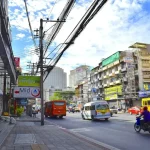
📷 Featured image by Ainur Iman on Unsplash.